Seoul Early Spring 2026: March Festivals, Plum Blossoms & Spring Awakening
As Seoul transitions from winter's grip in late February to March's gradual warming, the city experiences a magical transformation that happens weeks before the famous cherry blossom peak. Based on current seasonal trends and March 2026 forecasts, I'm observing an earlier spring awakening—making March the perfect time to experience Seoul's quieter, more authentic spring season.
Why Visit Seoul in March 2026?
The March Advantage: While April draws massive crowds for cherry blossoms, March offers the same spring magic with far fewer tourists and lower prices. This year's warming trend suggests plum blossoms will bloom earlier than usual, potentially as early as late February.
What's Trending: Rooftop cafes are reopening outdoor terraces after winter closures, early spring festivals are launching, and Seoul residents are embracing "spring fever" culture—outdoor activities resume, Han River parks reawaken, and the energy shifts from cozy indoor gatherings to fresh-air exploration.
Plum Blossoms (매화): Seoul's First Spring Flowers
Understanding Maehwa vs Cherry Blossoms
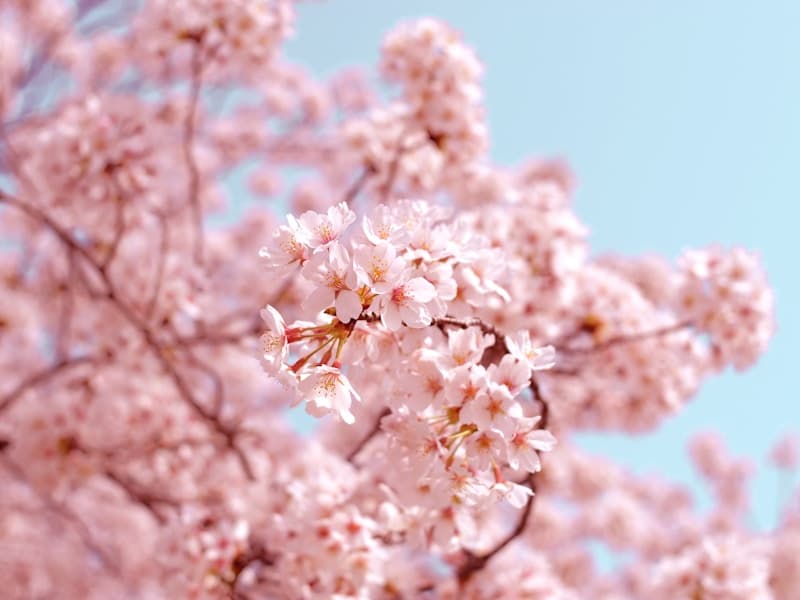
Here's a crucial distinction many international visitors miss: those pink flowers blooming in early March are NOT cherry blossoms—they're plum blossoms (maehwa, 매화). Plum blossoms bloom 2-3 weeks earlier than cherry blossoms and have a subtly different appearance: slightly deeper pink petals, more delicate branching, and a light fragrance.
2026 Plum Blossom Forecast:
- Early Bloom: Late February (around Feb 25-28)
- Peak Bloom: March 5-15, 2026
- Full Season: Late February – Mid-March
Best Plum Blossom Spots in Seoul
Changdeokgung Palace (창덕궁)
Location: Jongno-gu, near Anguk Station (Line 3) Best Viewing: Nakseonjae Hall area Entry: 3,000₩ general admission
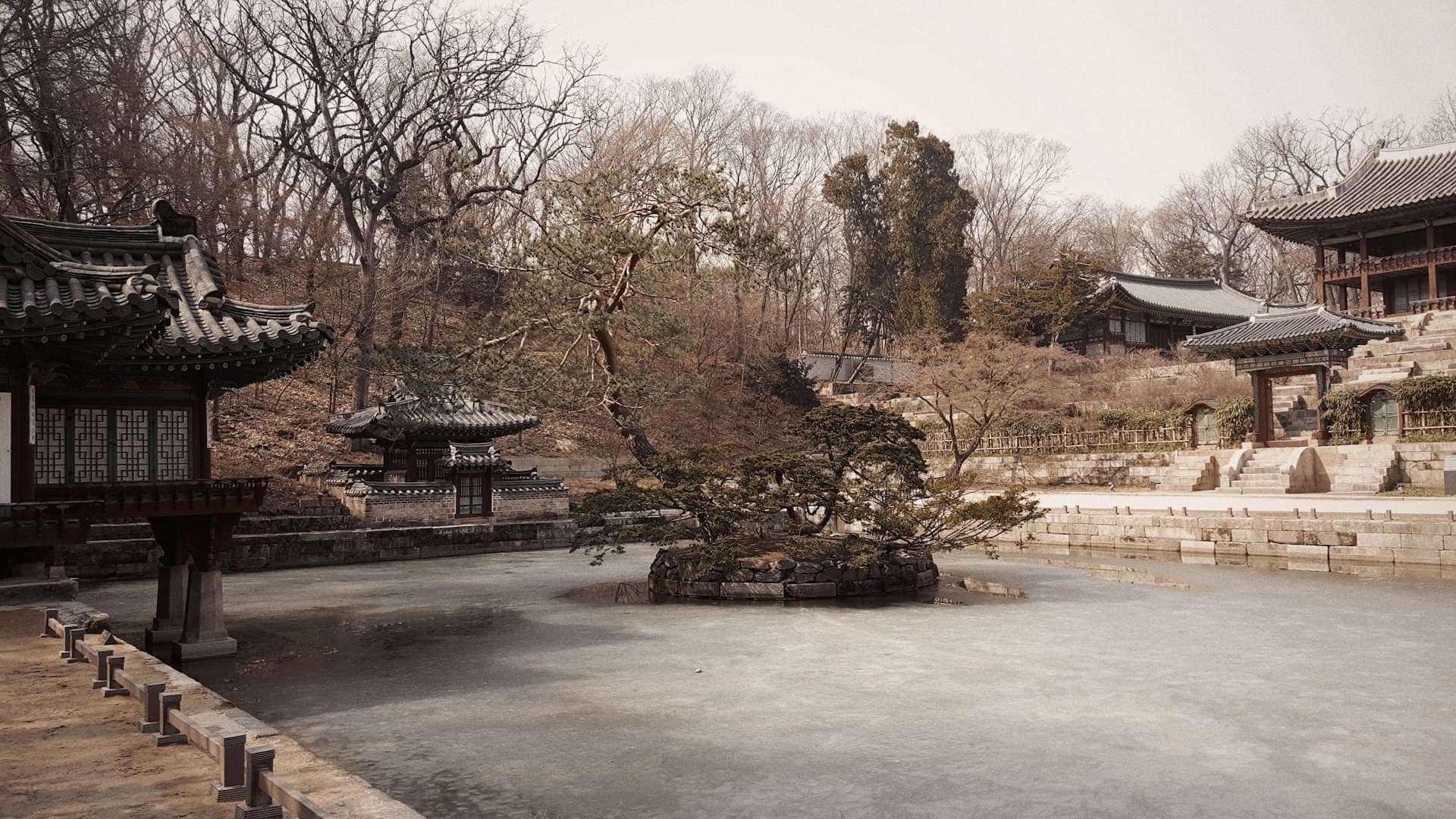
Changdeokgung Palace houses Seoul's most historic plum blossom trees—specifically the double-flowering red plum blossoms near Nakseonjae Hall. These flamboyant pink blooms come from trees gifted from China over 400 years ago, with layered petals creating an exceptionally rich visual.
Why This Matters: Unlike crowded cherry blossom festivals, plum blossom viewing at Changdeokgung remains relatively peaceful. The UNESCO World Heritage palace gardens provide a traditional Korean setting that cherry blossom hotspots like Yeouido can't match.
Insider Tip: Visit mid to late March (around March 15-20) for peak bloom. The palace's Secret Garden tour includes plum blossom spots, but you can see Nakseonjae blooms from the general admission areas. Morning light (9-11 AM) provides the best photography conditions.
Seolleung Park (선릉)
Location: Gangnam-gu, near Seolleung Station (Line 2, Bundang Line) Best Time: Early March Entry: Free
This royal tomb complex features scattered plum trees throughout the grounds. While not as concentrated as Changdeokgung, Seolleung offers easy access from Gangnam and far fewer crowds.
What's New for 2026: The park has expanded its plum tree plantings near the south entrance. Expect more blooms than previous years.
Photography Note: The combination of traditional Korean architecture (royal tombs) with plum blossoms creates compelling composition opportunities. The park's pine forests provide green contrast to pink blooms.
Day Trip: Gwangyang Maehwa Village (광양 매화마을)
Location: Jeollanam-do (3 hours from Seoul) When to Visit: Late February – Early March Transportation: KTX to Gwangyang Station
For serious plum blossom enthusiasts willing to travel, Gwangyang Maehwa Village represents Korea's premier plum blossom destination. Nearly 200,000 square meters of plum trees bloom along the Seomjin River, creating a sea of pink that dwarfs anything in Seoul.
The Gwangyang Maehwa Festival typically runs from late February through early March. This is the event serious flower lovers prioritize—the scale is incomparable to Seoul's spots.
Planning Note: As an international tourist visiting Seoul, decide whether the 3-hour journey suits your itinerary. If your Seoul trip is short (3-5 days), Changdeokgung provides sufficient plum blossom experience. If you're staying longer (7+ days), Gwangyang makes an excellent day trip and offers insight into Korea's countryside.
March 2026 Festivals & Events
SEOUL SPRING FESTA 2026
Location: Hangang River parks (multiple locations) Expected Dates: Mid-March 2026 (exact dates TBC) Entry: Free
Seoul Spring Festa has emerged as the city's signature spring kick-off event, transforming the Hangang River into a stage for K-Culture celebrations. This festival focuses on spring awakening after winter—music performances, outdoor markets, river activities, and cultural programs.
What's Trending for 2026: The festival is expanding to multiple river parks simultaneously. Expect activations at Yeouido Hangang Park, Ttukseom, and Banpo. The programming skews toward younger demographics—K-pop tribute performances, street food markets, and Instagram-worthy installations.
Why Visit: This festival captures Seoul's contemporary spring culture better than traditional flower festivals. You'll experience how young Seoulites celebrate seasonal transitions—outdoor picnics return, food trucks proliferate, and the Han River becomes the social center.
Eungbongsan Forsythia Festival (응봉산 개나리축제)
Location: Eungbongsan Mountain, Seongdong-gu Dates: March 26-30, 2026 (tentative, weather-dependent) Access: Eungbong Station (Line 2) Entry: Free
Late March brings a different spring flower: bright yellow forsythia (gaenari, 개나리) blanketing Eungbongsan Mountain's slopes. The contrast is striking—after weeks of pink plum and white cherry blossoms, this golden bloom period offers visual variety.
The Experience: Hiking trails through forsythia fields lead to Palgakjeong Pavilion at the summit, offering panoramic Han River views. The mountain isn't particularly high (94 meters), making this accessible for casual visitors not interested in serious hiking.
Crowd Level: Moderate. Forsythia festivals attract primarily Korean domestic visitors rather than international tourists. You'll experience a more local atmosphere compared to cherry blossom hotspots.
Photography Tip: The yellow forsythia against blue sky and Han River backdrop creates bold color compositions. Visit during late afternoon (4-6 PM) when sunlight intensifies the golden tones.
March 1st Independence Movement Day
Date: March 1, 2026 (National Holiday) Observances: Citywide
March 1st commemorates the 1919 March 1st Independence Movement against Japanese colonial rule. Seoul observes this with ceremonial events, cultural programs, and historical exhibitions.
What to Expect: Tapgol Park (Jongno-gu) hosts the main commemoration ceremony. Museums and cultural sites offer special programming about Korean independence history. Many businesses close for the national holiday.
Visitor Perspective: This provides cultural education about Korea's modern history. The solemnity contrasts with typical tourist activities, offering perspective on Korean national identity and collective memory.
Spring Cafes: Outdoor Terraces Reopen
March marks the return of outdoor cafe culture in Seoul. After months of closed rooftop terraces and winterized patios, cafes begin reopening outdoor seating as temperatures rise above 10°C (50°F).
Top Spring Rooftop Cafes for March 2026
Cafe Sanmotungi (산모퉁이)
Location: Buam-dong, Jongno-gu View: Bukaksan Mountain Open: Daily 11:00-21:00 Price: Americano 7,000₩
This Buam-dong rooftop cafe offers stunning Bukaksan mountain views and becomes especially memorable as early spring green returns to the mountainside. The outdoor terrace reopens in March (weather permitting), providing fresh air and panoramic scenery.
Why Now: March catches the transition from winter-brown mountains to early spring green. The mountain views shift daily as vegetation awakens—a visual phenomenon you won't observe during summer's full greenery.
Visit Strategy: Weekday afternoons (2-4 PM) offer best availability. Weekends draw crowds, especially if weather is particularly pleasant.
Nup Cafe (눕카페)
Location: Yongsan-gu View: Namsan Tower Notable: Rooftop swing beds, domes, parasol tables Hours: Typically 11:00-22:00
Nup Cafe exemplifies Seoul's Instagram-era rooftop cafe culture—the entire rooftop functions as a photo zone. Swing beds, bean bags, and decorative seating areas create social media-ready environments while offering Namsan Tower views.
March Advantage: The rooftop reopens outdoor seating as soon as weather allows (typically mid-March). Arriving early in the season means less competition for the famous swing beds—later in spring, these require 1-hour time limits due to demand.
Photography Note: Everything here is designed for Instagram. The cafe actively encourages photography, unlike some traditional cafes that discourage it.
Mooni (무니)
Location: Huam-dong (top of the hill) View: Panoramic—Namsan Tower, Itaewon, Huam-dong, Yongsan Best Time: May-June (full outdoor season) March Status: Outdoor area available but no shade yet
Mooni's 2nd floor and rooftop provide exceptional 360-degree Seoul views. The challenge in March: the rooftop lacks shade, making midday visits uncomfortable on warm days. However, early March temperatures remain cool enough that this isn't yet an issue.
Strategic Timing: Visit March for uncrowded access before May-June peak season when reservations become necessary.
The Piano - Pyeongchang-dong
Location: Pyeongchang-dong, Jongno-gu (edge of Bukhansan National Park) View: Bukhansan mountain and Seoul cityscape Architecture: Award-winning modern design Atmosphere: Upscale, quiet
By far Seoul's most architecturally stunning outdoor cafe, The Piano sits on Bukhansan National Park's edge with a beautifully designed garden and jaw-dropping mountain views. The modern building won architectural awards for its integration with natural surroundings.
Why March Works: Spring awakening in Bukhansan National Park unfolds in real-time from The Piano's terrace. Watch the mountain transition from winter brown to early spring green over March—nature's timeline visible daily.
Price Point: Premium pricing (coffee 8,000-10,000₩). This reflects the location, architecture, and ambiance. Budget-conscious travelers may prefer other options, but architecture and design enthusiasts will find it worthwhile.
Spring Weather & What to Pack
March 2026 Weather Forecast
Temperature Range:
- Early March: 2-12°C (36-54°F)
- Mid-March: 5-15°C (41-59°F)
- Late March: 8-18°C (46-64°F)
Weather Patterns: March remains transitional—mornings start chilly, afternoons warm significantly, evenings cool again. Spring showers increase as the month progresses.
What This Means for Your Visit: Layering is essential. A winter coat feels excessive by afternoon but necessary for morning palace visits. Bring a light rain jacket—March showers arrive unpredictably.
Packing Recommendations
Essential Items:
- Layering pieces: Light sweater, long-sleeve shirts, t-shirts
- Jacket: Medium-weight jacket or light spring coat (not heavy winter coat)
- Rain gear: Compact umbrella or packable rain jacket
- Footwear: Comfortable walking shoes (not sandals yet—too cold)
- Accessories: Light scarf for morning chill
Fashion Note: Seoul residents transition to spring fashion aggressively in March—even if temperatures remain cool, you'll see lighter colors, spring fabrics, and optimistic styling. Winter's black and grey gives way to pastels and brights.
Spring Activities Resume
March marks the restart of outdoor activities hibernating during Seoul's harsh winter.
Han River Parks Reawaken
What's Happening: Picnic culture returns to Han River parks. Convenience stores near river access points restock picnic supplies—kimbap, beer, disposable cups. Bike rental stations reopen (typically mid to late March).
Popular Parks for Early Spring:
- Yeouido Hangang Park: Wide lawns, bike paths, waterfront cafes
- Ttukseom Hangang Park: Music fountain (starts operating late March), sports facilities
- Banpo Hangang Park: Rainbow Fountain (evening shows resume in March)
Visitor Experience: Bring snacks and drinks, rent bikes, or simply walk the riverside paths as locals do. The Han River represents Seoul's outdoor living room—observing Korean picnic culture provides cultural insight beyond tourist sites.
Hiking Season Begins
Accessible Mountains in Seoul:
- Bukhansan National Park: Seoul's premier hiking destination (various trails, difficulty levels)
- Namsan: Easy urban hike with Seoul Tower summit reward
- Inwangsan: Moderate hike with panoramic city views
- Achasan: Sunrise hiking popular with locals
March Conditions: Trails remain somewhat muddy from winter snow melt. However, temperatures become comfortable for hiking—not too hot like summer, not icy like winter.
Forest Therapy: Korea's concept of "forest bathing" (sanrimyok, 산림욕) gains traction in March as pine forests green up. Seoul Forest and Olympic Park offer gentle forest walks for visitors not interested in mountain hiking.
Why This Matters: Timing Seoul's Spring Season
Understanding Seoul's spring progression helps you choose the right timing:
Late February – Early March:
- Plum blossoms bloom (maehwa)
- Coldest spring period but fewer crowds
- Winter pricing still available for hotels
Mid-March:
- Forsythia blooms (gaenari, yellow flowers)
- Seoul Spring Festa launches
- Weather warming, outdoor cafes reopen
- Spring energy builds citywide
Late March:
- Early cherry blossoms begin (southern areas)
- Eungbongsan Forsythia Festival peaks
- Crowds increasing as cherry blossom season approaches
- Hotel prices rising ahead of April peak
Early-Mid April:
- Cherry blossom peak (벚꽃 peak bloom April 7-12, 2026)
- Maximum crowds and prices
- Festival mode throughout Seoul
March 2026 represents the sweet spot: spring awakening has begun, flowers are blooming, outdoor life resumes, but crowds and prices remain manageable.
Practical Tips for March Visitors
Crowd Avoidance Strategy
Best Days: Weekdays (Monday-Thursday) offer significantly lower crowds than weekends. March 1st (Independence Day holiday) draws higher domestic tourism.
Timing: Mornings (before 11 AM) at outdoor sites provide better light and fewer people. Afternoon cafe visits (2-5 PM) catch pleasant warmth without evening chill.
Transportation
T-money Card: Essential for subway and bus. Convenience stores (CU, GS25, 7-Eleven) sell and recharge cards.
Subway Access to Spring Sites:
- Changdeokgung (plum blossoms): Anguk Station, Line 3
- Seolleung Park (plum blossoms): Seolleung Station, Line 2
- Eungbongsan (forsythia): Eungbong Station, Line 2
- Hangang Parks: Various stations depending on park section
Taxi Apps: Kakao T operates in English. Useful for reaching hilltop cafes not easily accessible via subway.
Language & Communication
Plum Blossom Korean:
- Maehwa (매화): Plum blossom
- Gaenari (개나리): Forsythia
- Beotkkot (벚꽃): Cherry blossom
Useful Phrases:
- "Maehwa eodie isseoyo?" (매화 어디에 있어요?): Where are the plum blossoms?
- "Noecheon jwaseok isseoyo?" (노천 좌석 있어요?): Do you have outdoor seating?
Translation Apps: Papago (Naver) works better than Google Translate for Korean. Download offline for subway areas with weak signal.
Food & Drink
Seasonal Spring Foods Emerging:
- Naengi (냉이): Shepherd's purse—spring green vegetable appearing in soups and namul
- Strawberries: Korean strawberries peak in March-April (excellent quality)
- Spring green bibimbap: Fresh seasonal vegetables replace winter-preserved ones
Cafe Culture: Spring menus launch at trendy cafes—floral lattes, strawberry desserts, sakura-themed drinks (even before cherry blossoms bloom). Cafes capitalize on spring anticipation.
Weekend Itinerary: Early Spring Seoul (March 2026)
Day 1: Plum Blossoms & Traditional Culture
Morning (9:00-12:00):
- Changdeokgung Palace plum blossom viewing
- Secret Garden tour (if available)
- Nakseonjae Hall area photography
Lunch (12:00-13:30):
- Bukchon Hanok Village area (traditional restaurants)
- Try seasonal spring green dishes
Afternoon (14:00-17:00):
- Ikseon-dong hanok cafes
- Traditional tea ceremony experience
- Hanok architecture photography
Evening (18:00-21:00):
- Gwangjang Market dinner (bindaetteok, mayak kimbap)
- Evening walk through Cheonggyecheon Stream
Day 2: Modern Seoul Spring Culture
Morning (10:00-12:00):
- Seolleung Park plum blossoms (if still blooming)
- Gangnam area exploration
Lunch (12:00-14:00):
- Seongsu-dong brunch cafe
- Explore Seongsu's industrial-chic neighborhood
Afternoon (14:00-17:00):
- Nup Cafe or Mooni rooftop cafe (outdoor seating if weather permits)
- Namsan Tower views
- Spring cafe hopping
Evening (18:00-21:00):
- Han River park picnic (bring convenience store snacks)
- Banpo Rainbow Fountain show (if operating—check schedule)
- Riverside walk at sunset
Day 3: Nature & Spring Awakening
Morning (8:00-12:00):
- Bukhansan National Park hiking (choose trail based on fitness level)
- Forest bathing/mountain spring observation
- Summit views
Lunch (12:00-13:30):
- The Piano cafe (Pyeongchang-dong) with mountain views
- Outdoor terrace if weather permits
Afternoon (14:00-18:00):
- Seoul Forest spring walk
- Cafe Sanmotungi (Buam-dong) for afternoon coffee
- Bukaksan mountain view as spring arrives
Evening:
- Rest and recover from hiking
- Neighborhood restaurant dinner
Looking Ahead: April Cherry Blossoms
If your Seoul visit extends into early April, you'll witness the transition from plum blossoms to cherry blossoms. The peak cherry blossom forecast for 2026 predicts April 7-12 for maximum bloom.
Connecting March & April Experiences:
- March plum blossoms at Changdeokgung → April cherry blossoms at Yeouido
- March forsythia at Eungbongsan → April cherry blossoms at Seokchon Lake
- March rooftop cafe exploration → April expanded outdoor cafe season
For comprehensive cherry blossom planning, read our Seoul Cherry Blossom Guide 2026 which covers peak bloom timing, crowd strategies, and festival details.
Final Thoughts: Embrace Early Spring
March 2026 offers international visitors a chance to experience Seoul's spring awakening without April's overwhelming crowds. Plum blossoms precede cherry blossoms, festivals launch, outdoor culture resumes, and the city transitions from winter hibernation to spring energy.
The March advantage: authentic local spring culture, manageable crowds, lower prices, and the satisfaction of discovering Seoul before everyone else arrives for cherry blossoms.
As a trend analyst, I'm watching early spring become increasingly popular among travelers who've learned that peak season isn't always the best season. March represents Seoul at its most genuine spring moment—before Instagram crowds, before sold-out hotels, before festival fatigue.
Book ahead for late March if targeting the Eungbongsan Forsythia Festival. Otherwise, March remains surprisingly accessible for walk-up visitors.
Welcome to Seoul's early spring. The city is waking up.
Frequently Asked Questions
When do plum blossoms bloom in Seoul?
Plum blossoms (maehwa, 매화) typically bloom in late February to mid-March in Seoul, about 2-3 weeks before cherry blossoms. For 2026, expect early bloom around February 25-28 with peak bloom March 5-15. The best viewing spot is Changdeokgung Palace's Nakseonjae Hall area, where 400-year-old trees produce double-flowering red plum blossoms.
What's the difference between plum blossoms and cherry blossoms?
Plum blossoms (maehwa) bloom earlier (late Feb-March), have slightly deeper pink petals, more delicate branching, and a light fragrance. Cherry blossoms (beotkkot) bloom later (late March-April), have lighter pink to white petals, denser clustering, and virtually no scent. If you see pink flowers in early March, they're plum blossoms, not cherry blossoms.
What should I pack for Seoul in March?
March weather is transitional (2-18°C / 36-64°F), so layering is essential. Bring: medium-weight jacket or light spring coat, long-sleeve shirts, light sweater, comfortable walking shoes (not sandals), compact umbrella or rain jacket, and a light scarf. Mornings are chilly but afternoons warm significantly. Avoid heavy winter coats but don't pack summer clothes yet.
Are rooftop cafes open in Seoul in March?
Most Seoul rooftop cafes begin reopening outdoor terraces in March as temperatures rise above 10°C (50°F), typically mid to late March. Popular spring rooftop cafes include Cafe Sanmotungi (Buam-dong), Nup Cafe (Yongsan), Mooni (Huam-dong), and The Piano (Pyeongchang-dong). Early March may have limited outdoor seating; late March offers fuller access. Check specific cafe social media for current outdoor availability.
What festivals happen in Seoul in March 2026?
Major March 2026 Seoul festivals include: Seoul Spring Festa (mid-March, Hangang River parks, free K-Culture celebration), Eungbongsan Forsythia Festival (March 26-30, yellow forsythia blooms on mountain trails), and March 1st Independence Movement Day ceremonies (national holiday with cultural programming). Late March also sees early cherry blossom events beginning, leading into April's peak bloom festivals.
Is March a good time to visit Seoul?
Yes, March is an excellent time to visit Seoul for travelers who want spring experiences without April's cherry blossom crowds. You'll see plum blossoms and forsythia blooms, experience outdoor cafe culture resuming, enjoy spring festivals launching, and find lower hotel prices and manageable tourist numbers. Weather is transitional (cool mornings, warm afternoons) requiring layers, but outdoor activities like Han River picnics and hiking become accessible again.
How do I get to Changdeokgung Palace for plum blossoms?
Take Seoul Metro Line 3 to Anguk Station, Exit 3. Walk approximately 5 minutes to Changdeokgung's main entrance. General admission is 3,000₩. Plum blossoms are visible in the Nakseonjae Hall area accessible with general admission (Secret Garden tour not required but recommended if available). Visit mid to late March (around March 15-20) for peak bloom. Morning visits (9-11 AM) offer best light for photography.
Can I see both plum blossoms and cherry blossoms in one Seoul trip?
If you visit Seoul from early March through mid-April, you can potentially see both. Plum blossoms peak in early to mid-March (March 5-15, 2026), while cherry blossoms peak in early April (April 7-12, 2026). A late March visit (around March 25-30) might catch late plum blooms and very early cherry blooms, though neither at peak. For maximum bloom experience, visit early March for plum blossoms at Changdeokgung, then return early April for cherry blossoms at Yeouido.
What are the best neighborhoods to explore in Seoul in March?
For March visits, explore: Bukchon and Ikseon-dong (hanok villages with plum blossoms nearby at Changdeokgung), Seongsu-dong (trendy cafes reopening outdoor seating), Yongsan/Huam-dong (rooftop cafes with spring views), Buam-dong (mountain cafes as nature awakens), and areas near Han River parks (Yeouido, Ttukseom) where outdoor picnic culture resumes. These neighborhoods offer spring awakening experiences beyond traditional tourist sites.
Do I need to book hotels in advance for March in Seoul?
March has lower demand than April's cherry blossom peak season, so advance booking is less critical. However, late March (especially March 26-31) sees increasing visitors anticipating early April cherry blossoms, and March 1st (Independence Day holiday) draws higher domestic tourism. Book 2-4 weeks ahead for best rates and selection. March offers better hotel value than April when prices spike significantly for cherry blossom season.
What Korean seasonal foods should I try in March?
March introduces spring ingredients: naengi (냉이, shepherd's purse) in soups and namul, fresh spring greens in bibimbap replacing winter-preserved vegetables, Korean strawberries at peak quality (March-April), and seasonal spring green pancakes (jeon). Cafes launch spring menus with floral lattes, strawberry desserts, and sakura-themed drinks. Try traditional markets like Gwangjang Market for seasonal produce and Seongsu-dong trendy cafes for spring menu launches.
Is it worth visiting Gwangyang for plum blossoms from Seoul?
Gwangyang Maehwa Village offers Korea's premier plum blossom experience with nearly 200,000 square meters of blooming trees—far surpassing Seoul's spots. The journey takes about 3 hours by KTX from Seoul. If your Seoul trip is short (3-5 days), Changdeokgung provides sufficient plum blossom experience. For longer stays (7+ days), especially if you're specifically interested in plum blossoms or want countryside exposure, Gwangyang makes an excellent day trip. The Gwangyang Maehwa Festival runs late February through early March.