
Apgujeong Rodeo Street Guide 2026: From Orange Tribe to K-Culture Hub
An elderly woman stopped me outside Apgujeong-Rodeo Station Exit 4. "Is Rodeo Street still crowded these days?"
Before I could answer, laughter echoed from the alley. A group of twenty-somethings were taking selfies outside a brunch cafe. "Still packed," I said with a smile.
Apgujeong Rodeo Street. Few neighborhoods capture Seoul's transformation quite like this one. In the 90s, it was the stomping ground of the "Orange Tribe"—wealthy youth in imported cars flashing designer shopping bags. The 2000s brought decline. Now the 2020s are bringing revival. But for completely different reasons.
From Orange Tribe to Now: Apgujeong's Timeline
1990s: The Glory Days
Created in 1990 and modeled after Beverly Hills' Rodeo Drive, this street was something else back then.
BMWs and Mercedes lined the curbs. Young people strutted in imported luxury brands. The term "Orange Tribe" was coined to describe Seoul's conspicuous consumption culture. Apgujeong Rodeo Street was Seoul's trendiest address.
I first saw this street in 1998, holding my father's hand. Even at that young age, I sensed this place was different from the rest of Seoul. The buildings, the fashion, even the air felt distinct.
2000s: The Decline
Things started shifting in the 2000s.
Garosu-gil in Sinsa-dong emerged as the new hot spot. Cheongdam-dong established itself as the luxury shopping district. Apgujeong Rodeo Street was gradually forgotten.
Shops closed one by one. Foot traffic dwindled. When I returned around 2015, the emptiness shocked me. "Hard to believe this street was once that famous," I remember thinking.
2020s: The New Revival
Change began around 2020.
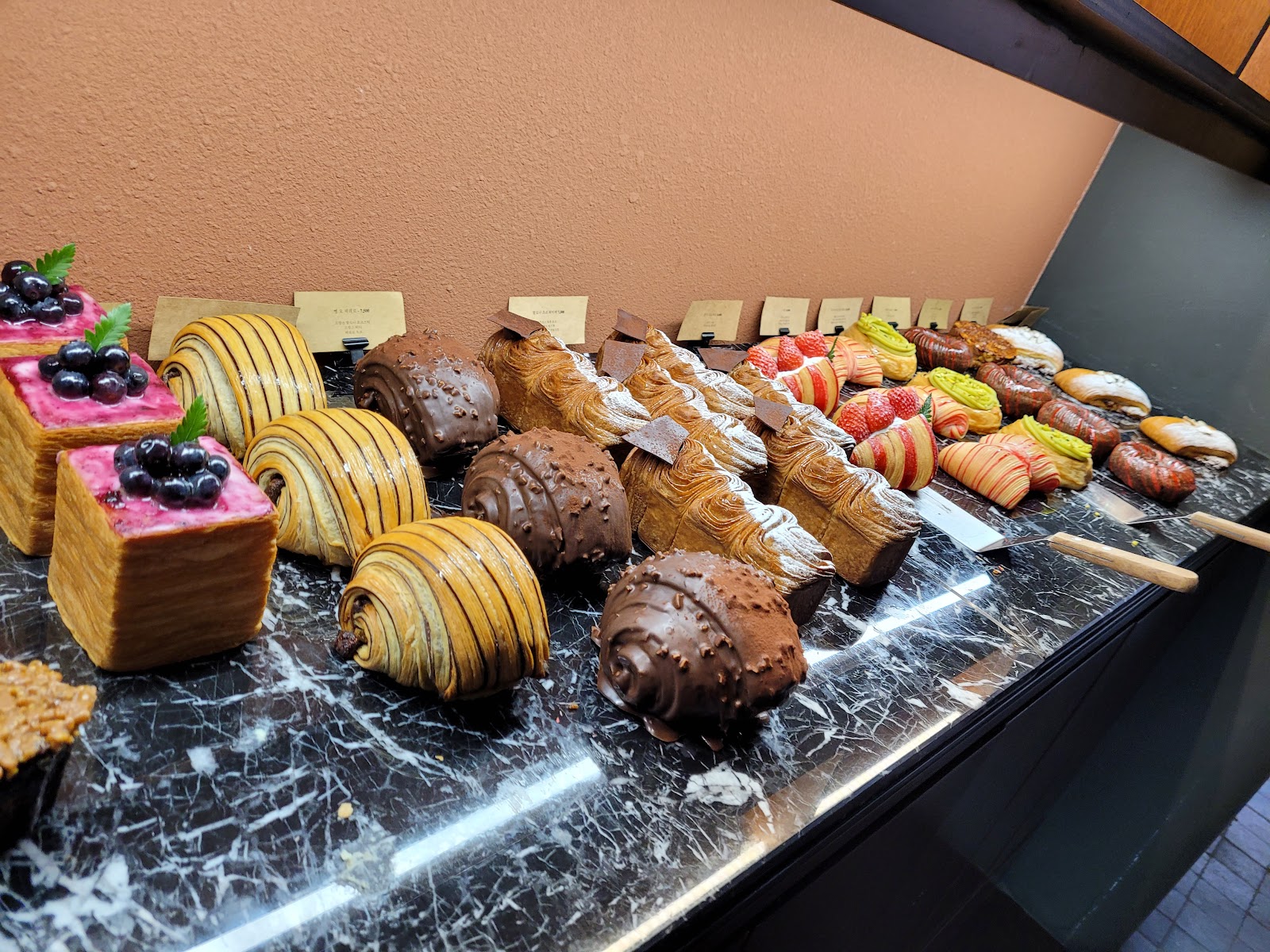
A "fair rent" policy was implemented. Lower rents attracted young entrepreneurs. Cafes and shops with distinct personalities started opening. Apgujeong was developing its own identity.
My 2025 visit surprised me. A weekend afternoon, and the alleys buzzed with people. But it was completely different from the 90s. Instead of designer shopping bags, people carried eco-bags. Instead of luxury cars, they'd arrived by subway and bus.
Walking Apgujeong Rodeo Street Properly
Around Apgujeong-Rodeo Station: The Main Street
The subway station opening in 2012 (Bundang Line) drastically improved accessibility.
Exit 4 puts you directly on Rodeo Street. The main street and its side alleys hold most of the worthwhile spots.
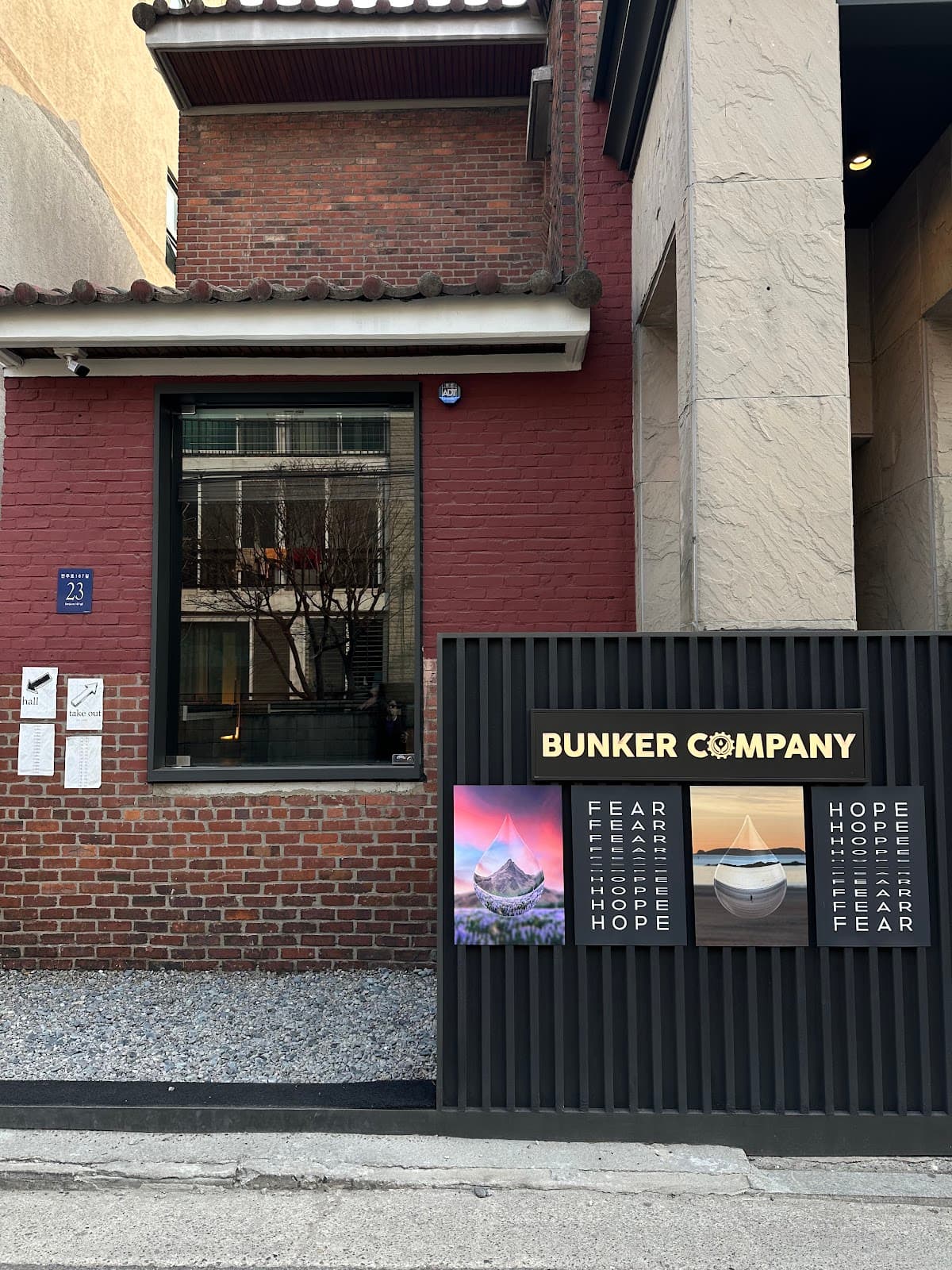
Bunker Company captures Apgujeong's current vibe perfectly. Modern exterior, spacious interior. The brunch menu shines. Weekdays around 11 AM offer the most comfortable seating. ₩15,000-20,000 ($11-15).
Toward Hyundai Department Store
Walking along the main street toward Hyundai Department Store shifts the atmosphere again.
This area holds more upscale brand shops and restaurants. Traces of 90s Apgujeong still linger here.
Dalmatian is a hidden gem in this zone. Small but distinctive dessert cafe. The signature cakes are famous. Visit around 3 PM when sunlight streams in beautifully. ₩8,000-12,000 ($6-9).
Eonju-ro Side Alleys: Local Apgujeong
Turn into the alleys toward Eonju-ro from the main street and discover the real Apgujeong.
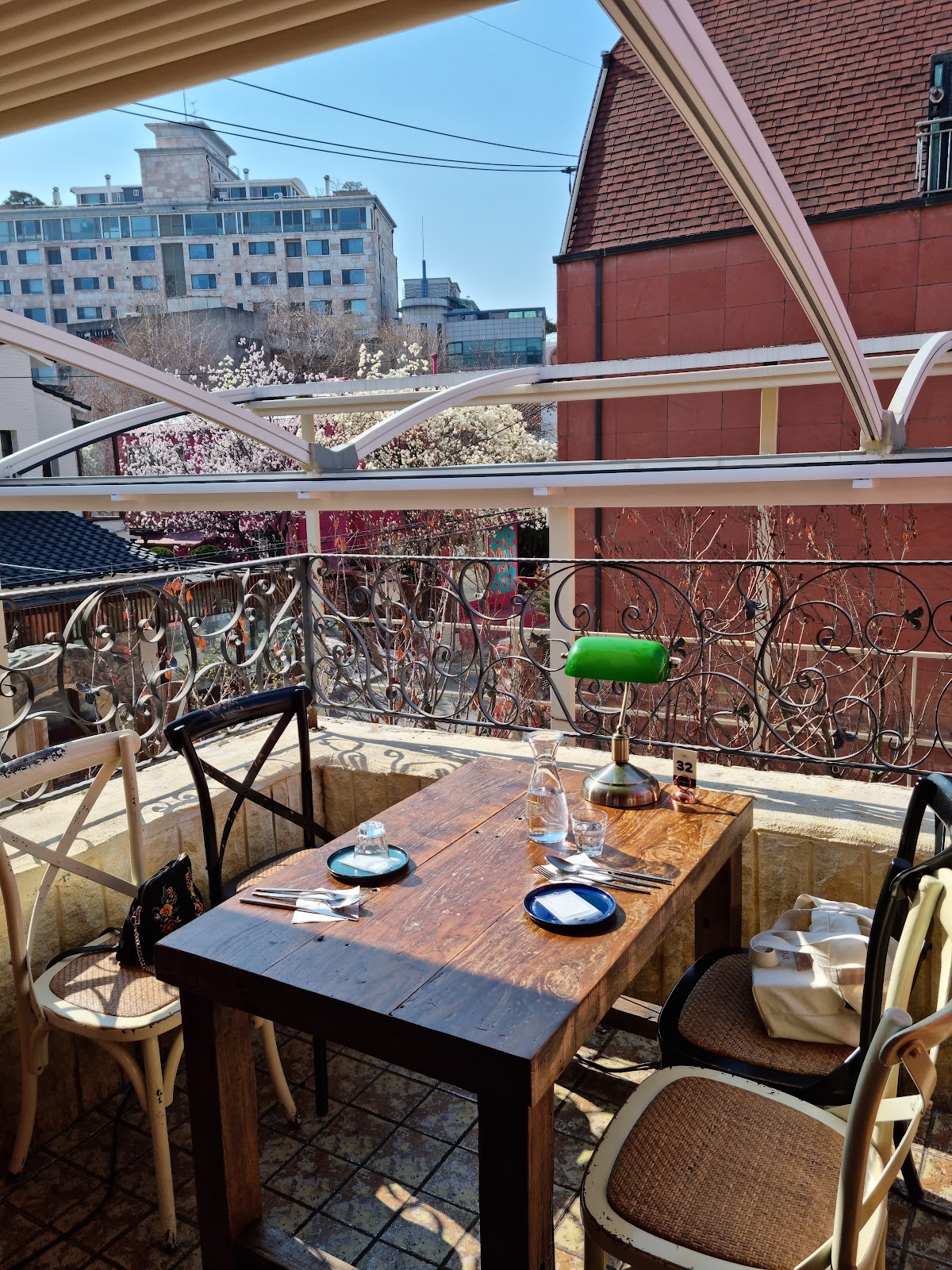
These alleys mix old buildings with new cafes. Fewer tourists, more neighborhood residents. My favorite section.
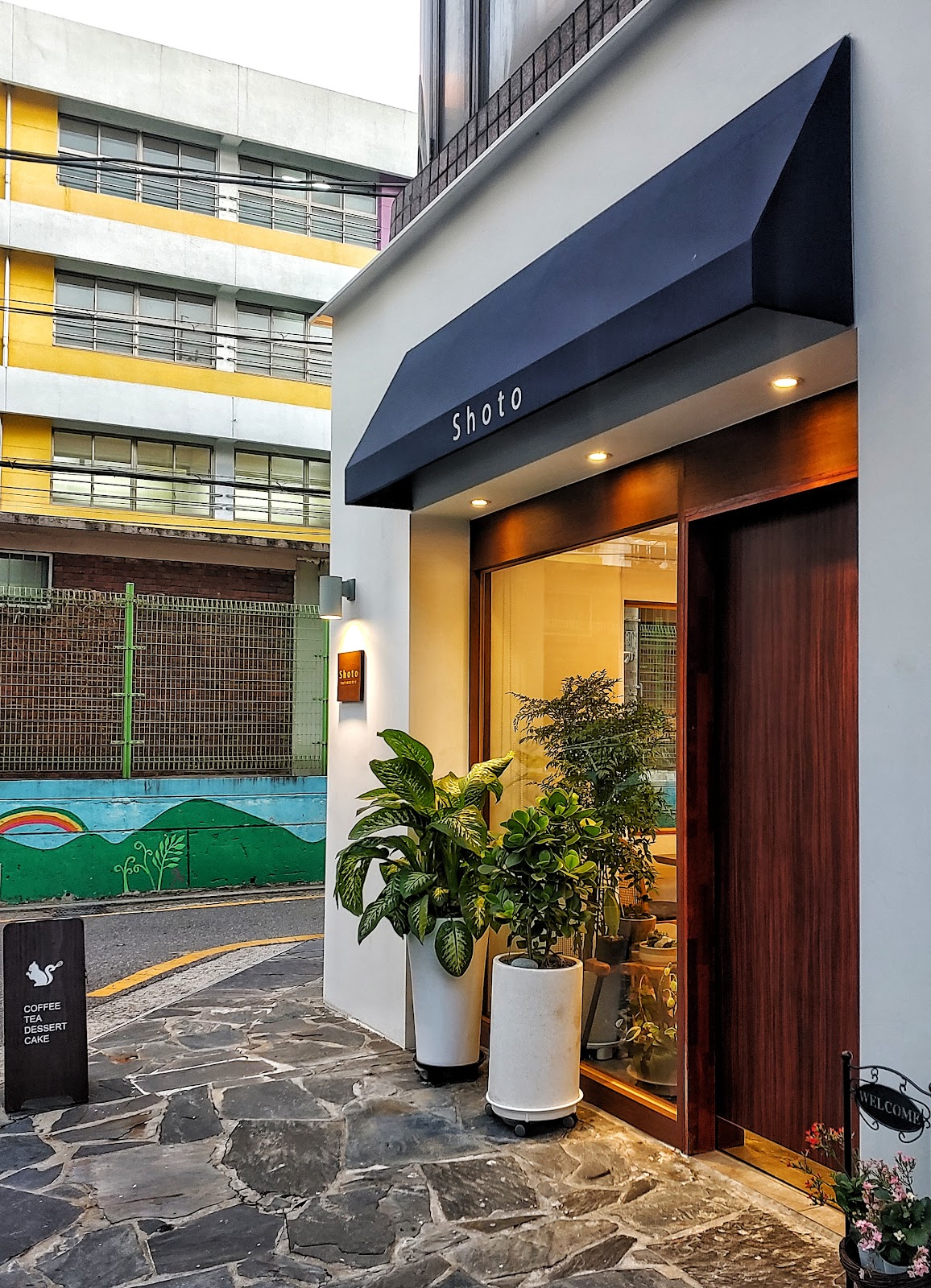
Shoto is a jewel in these alleys. A small Japanese-style cafe with genuinely lovely atmosphere. Coffee is carefully prepared. Weekday afternoons are quietest. ₩7,000-9,000 ($5-7).
Don't Miss These Apgujeong Experiences
Brunch Tour
Apgujeong hosts excellent brunch spots. Perfect for a weekend brunch crawl.
Start at 11 AM. After noon, waiting becomes standard everywhere. Begin with eggs Benedict at Bunker Company, then explore the alley cafes. 3-4 hours covers it nicely.
Brunch typically runs ₩15,000-25,000 ($11-19). Similar to other Seoul hotspots.
Cafe Hopping
Apgujeong is packed with cafes. Each has clear personality.
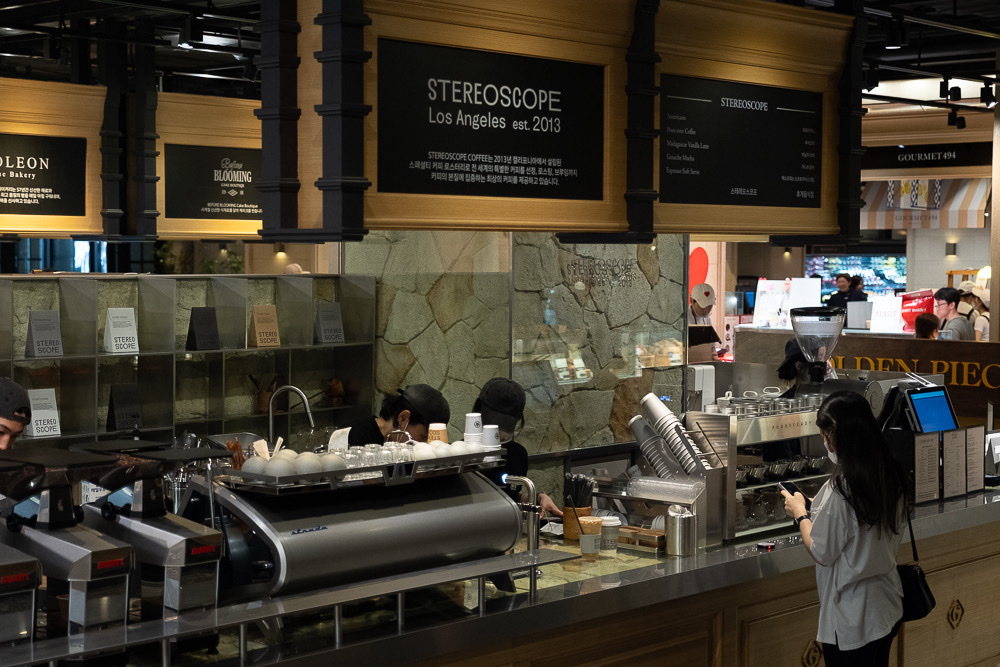
Weekdays around 2 PM work best. Post-lunch, pre-dinner equals relaxed atmosphere. Dessert at Dalmatian, coffee at Shoto, finish at Stereoscope.
Shopping Time
Apgujeong remains excellent for shopping.
Hyundai Department Store Apgujeong is obvious. Rodeo Street's side alleys hold concept stores and independent brand shops. The 90s meant luxury brands; now there's far more variety.
Concept stores typically operate 12 PM-10 PM. Weekday afternoons are best for browsing.
Apgujeong vs Other Seoul Hot Spots
The Difference from Cheongdam-dong
Cheongdam-dong still centers on luxury brands and fine dining. The atmosphere is more polished and expensive.
Apgujeong feels more comfortable. More casual brunch cafes, more approachable prices. Cheongdam-dong is "special occasion"; Apgujeong is "leisurely weekend."
The Difference from Seongsu-dong and Euljiro
Seongsu-dong and Euljiro are industrial areas transformed into hip neighborhoods. The unique landscape of factories coexisting with cafes is their charm.
Apgujeong was always a commercial district. Clean, organized streets. Different from Euljiro's raw appeal or Seongsu's industrial aesthetic. More polished and comfortable.
Why I Keep Coming Back
After 30+ visits, I've developed my Apgujeong routines.
Weekday Afternoon Route
Weekday afternoons around 2 PM, I start at Apgujeong-Rodeo Station.
Coffee and reading at Shoto, then slowly walk Rodeo Street. Window shopping and alley exploration. Around 4 PM, stop at Dalmatian for cake. Head home around 5 PM.
The beauty of this route is the lack of crowds. Cafes are relaxed, alley walks are peaceful. You can genuinely enjoy Apgujeong.
Weekend Brunch Route
Weekends demand early arrival. Get there around 10:30 AM and head straight to Bunker Company.
After brunch around 11:30 AM, the street isn't crowded yet. Slowly walk the alleys and browse shops. By 1 PM when crowds arrive, take the subway out.
What Apgujeong Shows About Seoul
Walking Apgujeong Rodeo Street reveals Seoul's evolution.
90s conspicuous consumption culture. 2000s decline. And 2020s revival. But now in a completely different way.
Individuality instead of luxury brands. Public transport instead of imported cars. Diversity instead of elitism.
I like this change. 90s Apgujeong felt inaccessible. Now anyone can visit. You can enjoy this neighborhood for the price of one brunch.
Pre-Visit Checklist
Getting There
Subway: Bundang Line Apgujeong-Rodeo Station Exit 4
- 2 stops from Gangnam Station (5 minutes)
- 3 stops from Seolleung Station (7 minutes)
Bus: Apgujeong Rodeo Street stop
- Trunk: 146, 301, 360
- Branch: 3422, 4318
Parking: Weekends get genuinely chaotic. Subway recommended.
Best Times to Visit
Weekday Afternoons (2-5 PM): Most relaxed. Easy cafe seating, pleasant alley walks.
Weekend Mornings (10:30 AM-12 PM): Best for brunch. Waiting starts after noon.
Weekend Afternoons: Really crowded. Fine if you enjoy bustling scenes, but avoid if you want relaxation.
Budget
- Brunch: ₩15,000-25,000 ($11-19)
- Cafes: ₩7,000-12,000 ($5-9)
- Shopping: Varies wildly by store
- Daily Budget per Person: ₩50,000-100,000 ($37-75)
Weather Considerations
Spring/Fall: Perfect. Ideal walking weather.
Summer: Hot but manageable with numerous cafes. Stay in shade from 11 AM-3 PM.
Winter: Wind can be fierce. Rodeo Street is open, so feels colder than the temperature suggests.
Frequently Asked Questions
Q1. Apgujeong or Cheongdam-dong—which is better?
Completely different vibes. Cheongdam-dong is upscale and polished. Luxury shopping and fine dining. Apgujeong is more comfortable and accessible. More brunch cafes and casual shops.
Big budget and special occasion? Cheongdam-dong. Leisurely weekend outing? Apgujeong.
Q2. Does Apgujeong Rodeo Street get crowded on weekends?
Weekends from noon to 4 PM get genuinely packed. Brunch spots require waiting.
Weekday afternoons or early weekend mornings are far more relaxed.
Q3. Top 3 must-visit spots in Apgujeong?
- Bunker Company: Brunch cafe that captures Apgujeong's current atmosphere
- Dalmatian: Dessert cafe loved by locals
- Alley Walks: Slowly explore the alleys toward Eonju-ro
Q4. How long does one loop around Apgujeong take?
Just walking takes 30 minutes. But with cafe stops and shopping, allow 3-4 hours.
For a leisurely experience, plan half a day.
Q5. Is parking difficult in Apgujeong?
Weekends are genuinely tough. Nearby paid lots fill quickly too.
Subway is far more convenient. The station is right there.
Q6. Is Apgujeong okay for solo visitors?
Totally fine. Cafes have plenty of solo seats, shopping alone is comfortable.
I usually go alone. Perfect for bringing a book and cafe hopping.
Q7. Can you still feel the 90s Apgujeong vibe?
Not directly. The atmosphere is completely different now.
The Hyundai Department Store flagship and some older buildings give slight hints. But modern Apgujeong has its own distinct charm.
Q8. Are English menus available?
Most cafes and restaurants have English menus. Apgujeong has always attracted international visitors, so staff are generally helpful.
No need to worry.
Q9. Best photo spots in Apgujeong?
- Rodeo Street Main Street: Clean urban landscape
- Cafe exteriors and interiors: Bunker Company, Shoto, etc.
- Side alleys: Quiet alleys toward Eonju-ro
Weekday afternoons beat weekends for photos. Fewer people.
Q10. What else is near Apgujeong?
Cheongdam-dong (15-minute walk): Luxury brand street, upscale restaurants
Hannam-dong (10 minutes by bus): Hannam-dong cafe street, near Itaewon
Seolleung Station (3 subway stops): Seolleung cafe district
Easy to visit Seolleung or Cheongdam after finishing Apgujeong.
Q11. How much does shopping in Apgujeong cost?
Varies wildly. Hyundai Department Store luxury could be millions of won, concept store clothes are typically ₩100,000-500,000 ($75-375).
Window shopping alone is plenty enjoyable.
Q12. Is the Apgujeong night view pretty?
When the Rodeo Street lights come on around 7-8 PM, it's decent.
But night views aren't the specialty. Apgujeong is prettier during daytime or early evening.
Q13. Is winter okay for visiting Apgujeong?
Plenty of cafes make it manageable. When it's cold, just duck into a cafe.
But keep street walks short. The wind can be fierce.
Q14. Are there vegan cafes or restaurants in Apgujeong?
A few exist. Apgujeong is trendy enough that dietary options are expanding.
Research beforehand for best results.
Q15. Can I see all of Apgujeong in one visit?
To properly enjoy the cafes and shops, you'll need 2-3 visits.
First visit: focus on the main street and famous cafes. Next time: explore the alleys.