
Itaewon Seoul Guide 2025: Where the World Meets in Korea
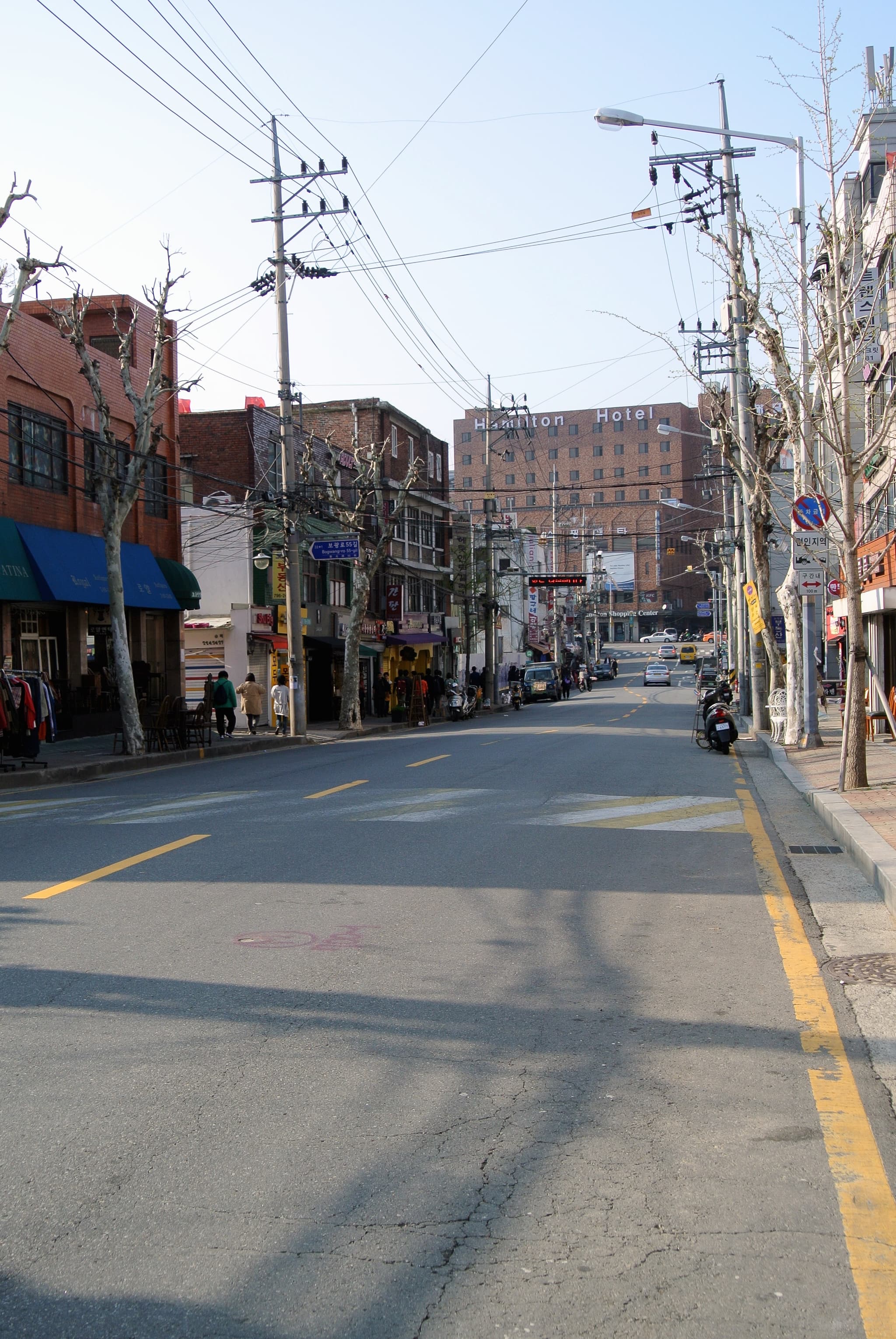
I remember my first walk through Itaewon in spring 2010. Climbing the hill past Hamilton Hotel, I heard Arabic, English, and French mixing in the air. Within one block, I spotted a Turkish kebab shop next to a Mexican taco stand beside a Thai restaurant. "Is this really Seoul?" I wondered.
I've walked Itaewon hundreds of times over the past 15 years. I watched small tailor shops transform into trendy cafes, saw Gyeonglidan-gil emerge as a hotspot, and witnessed this neighborhood's constant evolution. But Itaewon's true charm hasn't changed—its welcoming spirit toward diversity.
Itaewon is Seoul's most unique neighborhood. What started as a small village around a US military base in the 1950s has become a "global village" where cuisines and cultures from over 100 countries coexist.
Today, I'll share the hidden stories of Itaewon I've discovered over 15 years of exploration.
The Birth of Itaewon: From Military Base to International Street
The name "Itaewon" itself has a story. During the Joseon Dynasty, it was an inn (院, won) where foreign envoys to Hanyang (Seoul's old name) would stay—a place with many pear trees (梨, i) and magnolia trees (泰, tae). Even then, it welcomed foreigners.
Everything changed in the 1950s after the Korean War when the Yongsan US military base was established. Tailor shops, leather goods stores, and bars catering to American soldiers appeared. In the 1970s-80s, Itaewon's antique street sold genuine vintage items from the military base.
Mr. Kim, who's run a tailor shop since 1975, told me: "Back then, American soldiers ordered custom suits. Making them within 24 hours was our pride." Even now, Itaewon's tailor shops remain, still specializing in larger sizes for foreigners who struggle to find clothes elsewhere in Seoul.
Gyeonglidan-gil: The Hill Alley's Transformation
I first heard the name "Gyeonglidan-gil" around 2012. Did you know "Gyeonglidan" comes from the military supply unit that served the Yongsan base?
Initially, it was just a quiet residential hillside. Two-story houses, old corner shops, elderly ladies sitting in alleys. Then in the early 2010s, young entrepreneurs seeking affordable rent started moving in, one by one.
The first wave was small cafes and wine bars. They remodeled old hanoks into charming cafes and transformed ground-floor houses into bistros. Word spread, and Gyeonglidan-gil became the "hip alley."
Walk Gyeonglidan-gil today and you'll find incredible diversity. Italian pasta joints, French bistros, Mexican tacos, Japanese ramen, Korean fusion cuisine—a world food tour within one block.
Recommended Route: Noksapyeong Station Exit 2 → Gyeonglidan-gil main street → explore back alleys → hilltop view cafe
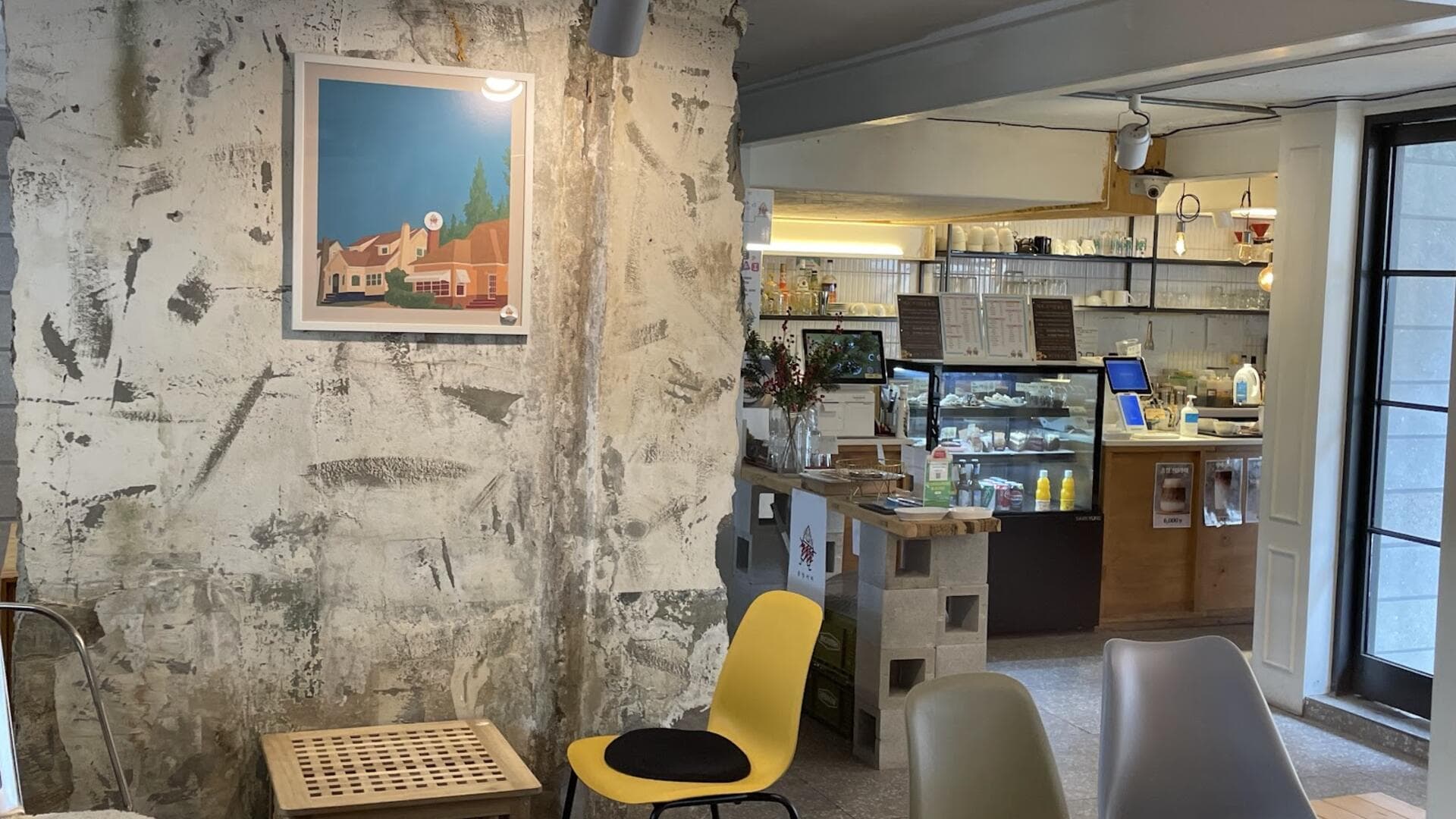
Don't miss the tiny cafes hidden in the side streets. Many treasures hide behind unmarked doors in converted first-floor apartments.
Haebangchon: The Local Village Above the Hill
Climb further from Gyeonglidan-gil and you'll reach Haebangchon. Less famous than Itaewon, but personally my favorite.
The name "Haebangchon" (Liberation Village) carries history. After Korea's liberation from Japan in 1945, Korean diaspora returning from Japan and refugees fleeing from North Korea settled here. The name mixes the joy of "liberation" with the pain of "displacement."
I properly explored Haebangchon around 2015. Steep slopes, cramped villas, flowers blooming in every corner. An elderly woman I met told me: "We built these houses with our own hands. They were shacks in the 1950s."
Today, Haebangchon is quietly changing. Small cafes in renovated old houses, local bakeries, independent bookstores, and galleries have appeared one by one. Unlike crowded Gyeonglidan-gil, it still maintains its neighborhood atmosphere.
Haebangchon Walking Route: Haebangchon Junction → alley exploration → Namsan slope viewpoint → Sinheung Market
Sinheung Market has existed since the 1960s. Vegetable stalls, butcher shops, and snack bars cluster together. The grandmother running the tteokbokki stand has held that spot for 40 years.
Usadan-ro: The Hipsters' New Hideout
Near Itaewon Station Exit 3, Usadan-ro deserves attention. "Usadan (牛祠壇)" means a place where Joseon Dynasty officials performed rituals to the cattle god.
Usadan-ro started buzzing around 2016. As Gyeonglidan-gil became too crowded, people seeking quieter spots discovered it.
The cafes and restaurants here are more experimental. Bars in converted basement villas, restaurants with rooftop terraces, warehouse galleries transformed into cafes. The spatial reinterpretations are fascinating.
The atmosphere especially shines at night. Warm light spilling from tiny windows, hidden wine bars tucked in corners, jazz bars appearing after climbing stairs. It truly feels like discovering "hidden gems."
Little Arabia: Seoul's Middle Eastern Street
The area around Itaewon Mosque is called "Little Arabia"—Seoul's most exotic street.
People from Middle Eastern countries started gathering here in the 1970s. When Seoul Central Mosque opened in 1976, it became the Islamic community's center. It's Korea's first Islamic mosque.
Friday afternoon, watching people pray at the mosque, you'd wonder if you're still in Seoul. Women in hijabs, men in white traditional robes, greetings exchanged in Arabic.
The alleys around the mosque fill with halal restaurants. Turkish kebabs, Egyptian koshari, Palestinian falafel, Saudi kabsa... Even the menus are written in Arabic and English.
The Turkish restaurant owner I frequently visit came to Korea in 1985. "I was lonely at first. No hometown food. So I started a small kebab shop. Now my son runs it."
Must-Try: Turkish pide (Turkish pizza), falafel sandwich, baklava (honey and nut dessert), mint tea
Antique Furniture Street: A Treasure Trove Frozen in Time
Itaewon's antique street is right up my alley. It started where military surplus items from the 1970s-80s flowed out.
Old furniture shops still remain. Vintage chairs, ancient gramophones, metal cabinets from the military base, 1960s typewriters... Real treasure hunting.
One antique shop owner has been doing this for 50 years. "It's funny how young people nowadays love old things. In our time, everyone only wanted new stuff."
If you're looking for interior decorations, take your time browsing. You might discover unexpected treasures.
Transition: Itaewon's Current State of Change
October 29, 2022 brought deep pain to Itaewon. Many young lives were lost in the Halloween tragedy. Afterward, Itaewon fell quiet. The festive atmosphere disappeared, and many people stopped visiting.
In 2023-2024, walking through Itaewon, I felt the change. Not as bustling as before, but the neighborhood was slowly recovering. Long-time regular restaurants held their ground, and new cafes cautiously opened.
Now in 2025, Itaewon walks again. In a more mature, thoughtful way. It seems to be transforming from a party hub into a "true global village" where diverse cultures genuinely coexist.
Recent notable changes:
- More quiet brunch cafes
- Small galleries and studios by local artists
- Vegan restaurants emphasizing sustainability
- Community-focused book cafes and independent bookstores
Must-Do Experiences in Itaewon
World Food Tour (Around the World in One Block)
Itaewon's greatest charm is its food diversity. Nowhere else in Seoul can you taste so many countries' cuisines in one place.
Breakfast/Brunch:
- American pancakes & eggs Benedict
- Turkish breakfast (sucuk, olives, cheese, bread)
- Mexican chilaquiles
Lunch:
- Thai pad thai & tom yum goong
- Indian curry & naan
- Vietnamese pho
- Italian pasta
- Japanese ramen
Dinner/Drinks:
- Brazilian churrasco (BBQ)
- French bistro
- Spanish tapas
- Middle Eastern meze platter
- Craft beer & wine bars
My tip: Don't stick to one restaurant. Go "tapas style," hopping between several places. Start with Turkish meze, move to Italian pasta, finish with Thai dessert.
Soak in the International Atmosphere
English works naturally in Itaewon—Seoul's most English-friendly neighborhood. With a high foreign population, you'll hear multiple languages.
Just sitting in a cafe watching people is entertaining. American soldiers, Middle Eastern merchants, European travelers, Korean office workers, hipster artists... truly a "global village" vibe.
Enjoy the Night Scene
Itaewon transforms completely at night. Neon signs light up, music flows from bars and clubs.
Itaewon Night Course:
- Dinner (Gyeonglidan-gil restaurant)
- Wine bar or craft beer pub
- Rooftop bar for night views
- Live music bar or jazz club
These days, rather than clubs, bars where you can sit comfortably and chat are more popular.
Shopping: Plus Sizes & Unique Items
Itaewon shopping's uniqueness is "plus sizes." Many stores cater to foreigners who can't find clothes in regular Korean shops.
- Plus-size clothing (Men XL-5XL, Women L-3XL)
- Large-size shoes (Men 280mm+, Women 260mm+)
- Custom suits & leather jackets
- Vintage & antique furniture
- Imported food mart (Foreign Food Mart)
Practical Tips: Getting 200% Out of Itaewon
Transportation & Access
Subway: Itaewon Station on Line 6 is the center.
- Exit 1: Itaewon main street, mosque direction
- Exit 2: Gyeonglidan-gil entrance
- Exit 3: Usadan-ro
- Exit 4: Hannam-dong direction
Walking: Itaewon's hills give you a workout.
- Flat route: Itaewon main street (Itaewon Station ↔ Hangangjin Station)
- Hill route: Gyeonglidan-gil → Haebangchon (quite steep!)
- Total 3-4km, 2-3 hours
Best Visiting Times
Weekday lunch (12-2pm): Relatively quiet. Brunch cafes and restaurants available without reservations.
Weekday evening (6-9pm): Lively but not crowded. Great dinner time.
Weekend brunch (11am-2pm): Popular brunch cafes have waiting times. Go early or book ahead.
Friday night: Islamic prayer day, so the mosque area gets busy. Great cultural experience, but restaurants may be crowded.
Avoid: Saturday night after 10pm (crowded with clubgoers)
Budget Guide
Itaewon is on the pricier side in Seoul. Many restaurants target foreigners with higher price points.
Budget (under ₩15,000 per person):
- Little Arabia kebab & falafel sandwich: ₩8,000-12,000
- Thai/Vietnamese food: ₩10,000-15,000
- Haebangchon Sinheung Market snacks: ₩5,000-8,000
Mid-range (₩20,000-35,000 per person):
- Gyeonglidan-gil pasta/bistro: ₩18,000-28,000
- Brunch cafe: ₩15,000-25,000
- Indian/Middle Eastern set meal: ₩15,000-30,000
Premium (₩40,000+ per person):
- Fine dining restaurants: ₩50,000-100,000
- Steakhouse: ₩60,000-150,000
- Omakase/course meal: ₩80,000-200,000
Language
English works best here. Most restaurant staff can handle basic English, and menus are in English.
Middle Eastern restaurants: Arabic/English Japanese restaurants: Japanese/Korean Thai/Vietnamese: English/Korean
Dress Code
Itaewon allows Seoul's most liberal dress codes. Hip-hop style, punk fashion, traditional wear—all welcome.
Gyeonglidan-gil restaurants: Casual semi-formal common (date outfits) Haebangchon: Comfortable clothes (lots of hills—wear comfortable shoes!) Clubs: Some have dress codes—check in advance
Seasonal Itaewon
Spring (Mar-May)
- Popular route: Namsan cherry blossoms → walk down to Itaewon
- Haebangchon alley flower paths are beautiful
- Outdoor terrace cafes/bars open
- Brunch season begins!
Summer (Jun-Aug)
- Rooftop bar prime time
- Beer festivals & outdoor events
- Daytime cafes, evening outdoor terraces
- Middle Eastern food season (cool mint tea & tabbouleh salad)
Autumn (Sep-Nov)
- Itaewon's best season!
- Perfect weather for alley strolls
- Autumn foliage views from Gyeonglidan-gil hill
- Wine festival season
Winter (Dec-Feb)
- Christmas season atmosphere (December)
- Warm indoor restaurants & cafes
- Hot Turkish soup & Indian curry season
- Haebangchon hillsides dangerous when snowy (caution!)
Itaewon's Future
Right now in 2025, Itaewon stands at a turning point. Talk of relocating the Yongsan US military base could dramatically change the entire neighborhood.
But I think Itaewon's essence won't change. The "culture of embracing diversity" built over 70 years won't disappear easily.
A cafe owner I recently met said: "Itaewon has always changed. From a tailor street near the military base, to club street, and now to culture street. Change is this neighborhood's identity."
A Local's Perspective
After 15 years walking Itaewon, I've learned something. This neighborhood celebrates "difference."
In other Seoul neighborhoods, standing out or being different sometimes causes discomfort. But in Itaewon, difference feels natural. A woman in hijab, a hip-hop styled youth, a suited office worker, a tourist in traditional hanbok sitting in one cafe—nothing seems strange.
That's why I love Itaewon. Here, it's okay to be yourself.
Walk through Itaewon's alleys, try kebabs, taste Thai food, visit the mosque, sip coffee at a Gyeonglidan-gil cafe. You can take a mini world tour within Seoul.
And walk slowly through every corner of the alleys. Small shops without big signs, hidden cafes between old buildings, Seoul views from the hilltop... Itaewon's real charm hides here.
Frequently Asked Questions
Q: First time in Itaewon—where should I start?
A: Exit Itaewon Station at Exit 2 and start with Gyeonglidan-gil. Walk the main street → explore back alleys → have lunch → go down to Itaewon main street → check out antique street or Little Arabia. 3-4 hours total.
Q: Is it okay to go alone?
A: Absolutely! Itaewon is one of Seoul's easiest neighborhoods to explore solo. Cafes have single seats, restaurants welcome solo diners naturally. Daytime is especially safe and relaxed. At night, stick to well-populated main streets.
Q: Will English work?
A: Itaewon is Seoul's most English-friendly neighborhood. Almost every restaurant has English menus, and staff can handle basic English. Middle Eastern/Western restaurants may be even more comfortable in English.
Q: How much budget should I prepare?
A: Plan ₩15,000-30,000 per meal for lunch/dinner. For budget eating, try Little Arabia kebabs (₩10,000) or Thai food (₩12,000-15,000). Brunch cafes run ₩20,000-25,000, fine dining starts at ₩50,000+.
Q: Can I park?
A: Parking is really difficult. Weekends are nearly impossible. Public parking lots (near Hamilton Hotel) exist but are always full. I recommend taking the subway. Itaewon Station on Line 6 drops you right in the center.
Q: Can I bring kids?
A: Daytime brunch cafes and restaurants are fine. Itaewon main street is easier for strollers than Gyeonglidan-gil. However, evenings (especially Fri-Sat nights) have a bar atmosphere—not ideal with kids. Haebangchon's hills make strollers difficult.
Q: I want halal food—where should I go?
A: Exit Itaewon Station at Exit 1 and walk toward the mosque. The entire block around the mosque is "Little Arabia." Turkish, Egyptian, Palestinian, Saudi, and various Middle Eastern restaurants cluster there—all halal. Friday afternoon is prayer time, so it may be crowded.
Q: Are Itaewon and Hannam-dong different?
A: Similar but different. Hannam-dong, east of Itaewon, is quieter and more upscale residential. It has cultural spaces like Blue Square and Leeum Museum, plus luxury restaurants. Itaewon feels lively and diverse, while Hannam-dong feels refined and relaxed.
Sources: