Seochon Seoul Guide 2025: Old Soul Meets New Energy West of the Palace
Spring 2018. I still remember my first walk through Seochon.
Stepping out of Gyeongbokgung Station, I followed narrow alleys deeper into the neighborhood. Time seemed to have stopped here. Low hanok rooftops, cramped lanes, the aroma of coffee drifting from around a corner. "Is this really central Seoul?" I wondered.
I've walked Seochon countless times over the past seven years. Visited small galleries, sipped coffee in alley cafes, assembled lunchboxes at Tongin Market. With each season, this neighborhood revealed a different face, and I fell deeper in love.
Seochon means "village west of the palace"—specifically, west of Gyeongbokgung. During the Joseon Dynasty, this was where middle-class professionals and literati gathered. Today, it's transformed into a neighborhood where galleries and cafes blend seamlessly with Seoul's old soul.
Let me share the hidden stories of Seochon I've discovered over seven years of exploration.
The Birth of Seochon: The Literati's Quarter
The name "Seochon" is actually quite recent. During the Joseon era, this area was divided into administrative districts like Sunhwa-bang, Jeokseon-bang, and Tongin-bang.
While yangban aristocrats lived in Bukchon east of the palace, Seochon housed the jungin (middle class)—scholars who didn't pass the civil exams, interpreters, doctors, and other professionals.
Walking Seochon, you'll encounter neighborhood names like Hyoja-dong, Tongin-dong, and Cheongun-dong. Hyoja-dong (Filial Son neighborhood) was named after a man who devotedly served his parents. Tongin-dong was where palace messengers (tongin) lived.
An elderly resident once told me that through the 1960s-70s, Seochon was poor. Steep alleys, dilapidated hanoks, shared water pumps. "Back then, Bukchon was the wealthy neighborhood. We were the poor west side."
From Boan Inn to Boan1942: The Artists' Hideaway
You can't discuss Seochon without mentioning Boan1942.
Built in 1942, this building operated as an inn until 2004. Boan Inn. At one point, struggling artists paid their room fees with paintings instead of cash.
Poet Yun Dong-ju frequently walked these streets. Painter Lee Jung-seob sketched Seochon's alleys. When Boan Inn faced closure in 2007, artists rallied to transform it into a cultural complex.
Today, Boan1942 houses a book cafe on the first floor and exhibition spaces on floors 2-3. Climbing the worn stairs, traces of the old inn remain intact. Creaking wooden steps, narrow hallways, tiny rooms.
What I love most is the view from the second-floor window. Between the low hanok roofs, Inwangsan mountain rises in the distance.
Tongin Market: Build Your Own Lunchbox with Brass Coins
No Seochon visit is complete without Tongin Market.
Established in 1941 by Seochon residents after the Japanese left, this small market has become nationally famous for its "Yeopjeon Dosirak Cafe" (brass coin lunchbox cafe).
The system is brilliant. Pay ₩5,000 at the cafe and receive yeopjeon (old-style brass coins). Take those coins around the market stalls and select whatever side dishes you want.
Tteokbokki, fried snacks, rice balls, fish cakes, dumplings, kimbap... The variety is incredible. The most popular stalls—fish cakes and oil tteokbokki—always have lines.
My tip: Don't go too early (stalls still setting up) or too late (ingredients running out). Between 11am-1pm is perfect.
Take your assembled lunchbox to the second-floor hanok space. Eating while gazing out at Seochon's alleyways makes it taste special.
Hidden Galleries: Art Breathing Through the Alleys
Walking Seochon, you'll be amazed by the sheer number of galleries.
Small hanoks converted into galleries, old Western-style houses transformed into exhibition spaces, art shops hidden around corners. Seochon naturally evolved into a "gallery village."
PKM Gallery showcases contemporary art. They have a main space in Samcheong-dong and another in Seochon. You can view works by renowned Korean and international artists. Admission is free.
There's a thrill in discovering gallery entrances suddenly appearing in narrow alleys. "Oh, this is a gallery too!" moments.
Most galleries offer free admission. Just quietly enter, view the art, and leave. It's the easiest way to access contemporary art without pressure.
Cafe Tour: From Hanok Charm to Modern Design
Seochon cafes fall into two main styles.
Hanok Aesthetic Cafes
Many cafes preserve hanok architecture. Sip coffee in a courtyard, read beneath traditional eaves, feel sunlight filtering through hanji paper doors.
In winter, sitting on a warm ondol floor feels incredibly cozy. In summer, cool breezes drift through the courtyard.
Modern Design Cafes
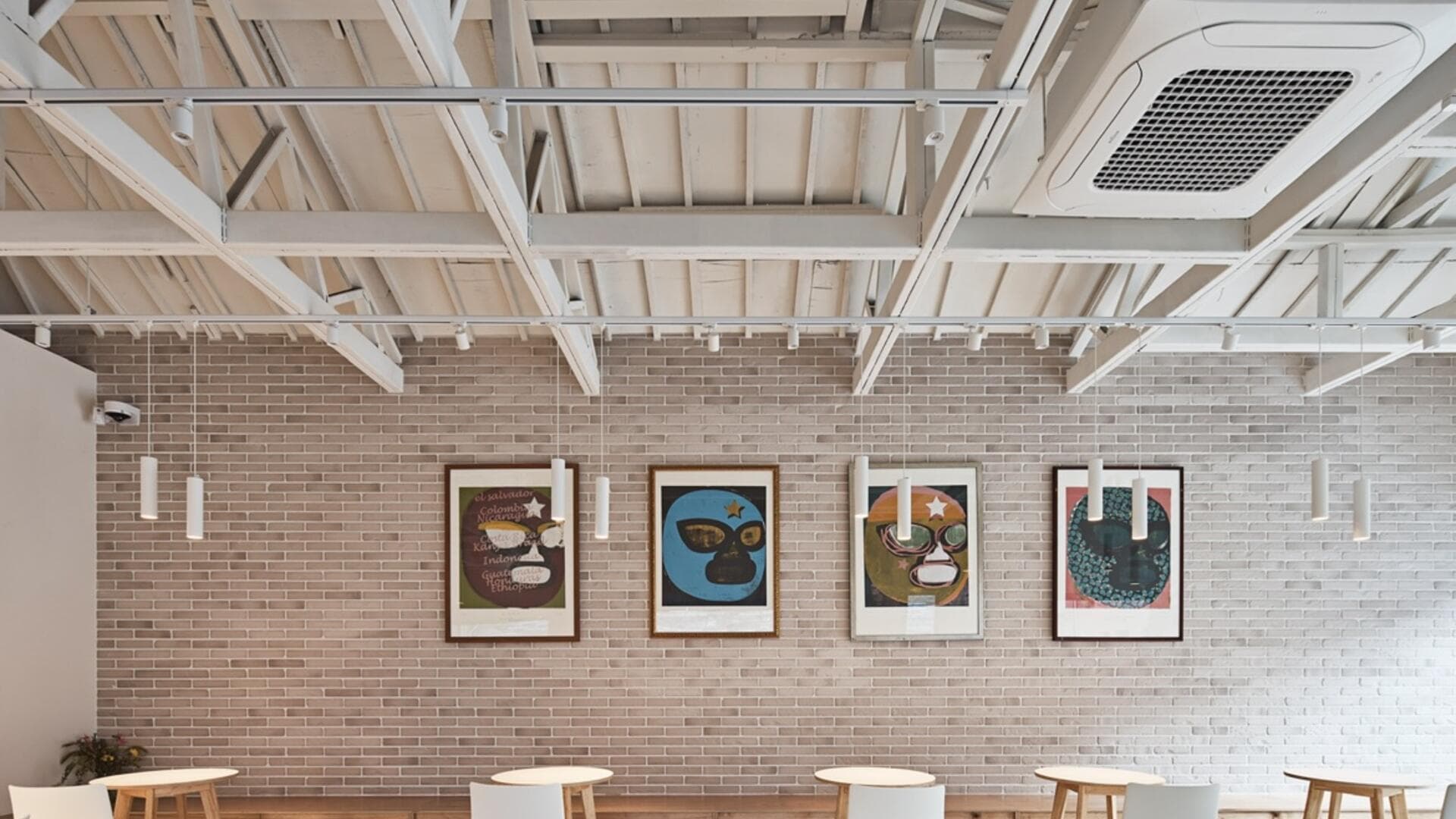
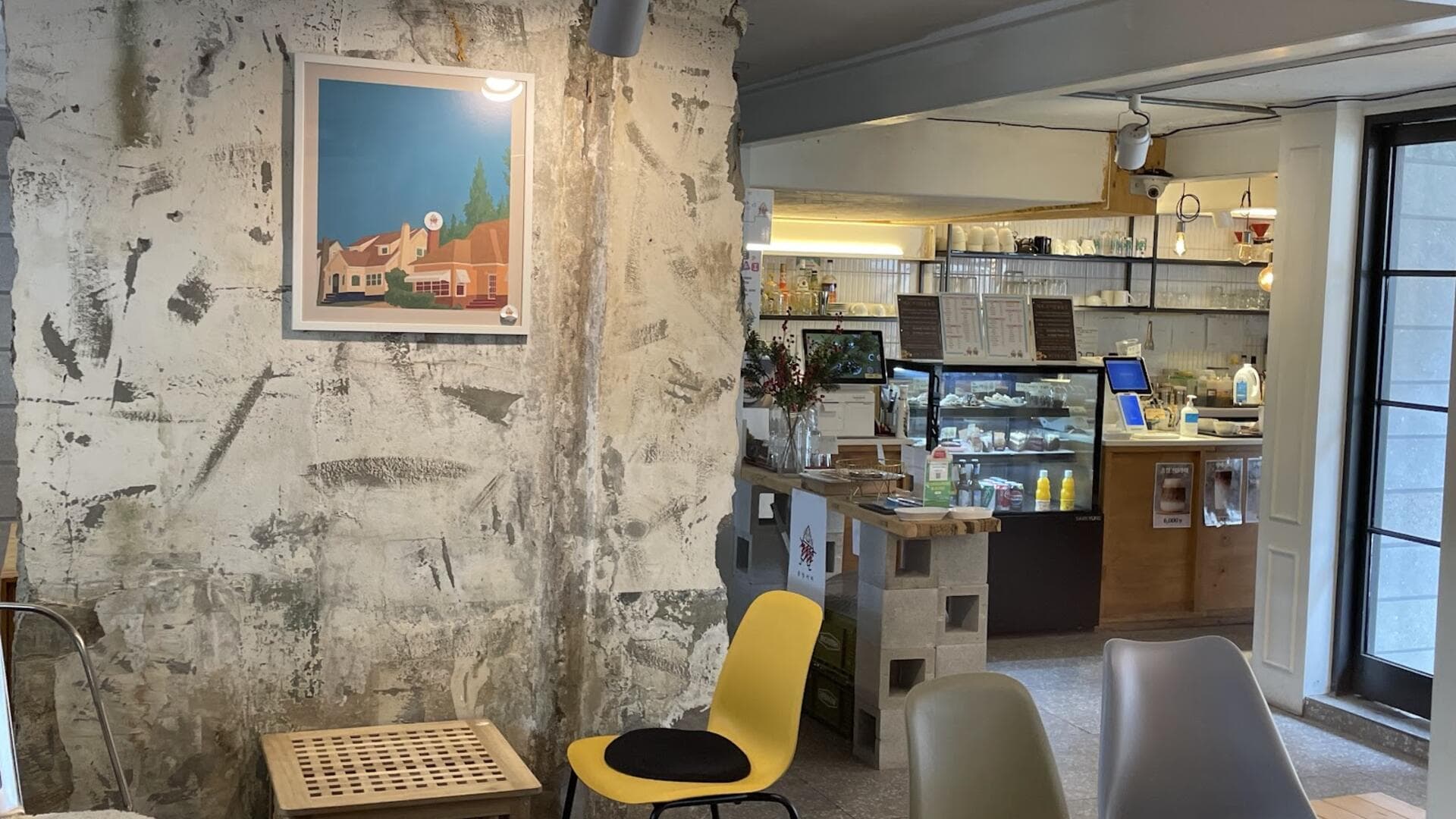
Many old buildings have been renovated with contemporary aesthetics. Exposed concrete, large glass windows, minimalist interiors. Spaces where old and new harmonize.
Cafe Onion Anguk fills the alley with the scent of fresh-baked bread. Sunlight streaming through large windows creates beautiful patterns.
My favorites are the unnamed small cafes. Tiny signs, rarely featured on social media. Coffee discovered by chance while wandering alleys tastes best.
Sejong Village Food Street: Local Restaurant Treasure Trove
Walking from Tongin Market toward Jahamun-ro, you'll reach "Sejong Village Food Culture Street."
This is where real local restaurants thrive. More neighborhood residents than tourists.
Sundae-gukbap (blood sausage soup), noodle shops, snack bars, tteokbokki joints... Prices are reasonable and portions generous. During lunch, nearby office workers pack the place.
I frequent a small kalguksu (knife-cut noodle) shop. The grandmother hand-rolls the dough. The broth is rich, the noodles chewy. Price: ₩7,000.
These places don't have flashy signs or appear on Instagram. Just walk the alleys and think, "That place is crowded"—usually it's a gem.
Inwangsan Foothills: Hidden Walking Trails
Seochon's northern edge meets Inwangsan mountain's foothills.
Following the Inwangsan trail leads to Okin-dong and Cheongun-dong alleys. The slope is steep, but the scenery rewards the effort.
The view from Cheongun Park over downtown Seoul is stunning. Especially at sunset. Beyond the hanok roofs, Namsan Tower rises in the distance.
Spring brings cherry blossoms, summer lush green, autumn golden ginkgo trees, winter snow-covered alleys like paintings.
Benches dot the trail. Sitting there, watching the neighborhood below, time seems to slow.
Yun Dong-ju Literature House: The Poet's Path
In Cheongun-dong's Inwangsan foothills sits the Yun Dong-ju Literature House.
During his student days at Yonhui College (now Yonsei University), Yun Dong-ju boarded near here. He climbed Inwangsan to write poetry, walked Seochon's alleys counting stars.
The museum repurposed old water tanks into unique exhibition spaces. Three sections: exhibition hall, poetry listening room, and open well (outdoor space).
The most moving space was the "closed well"—a small, dark room where you can sit and listen to Yun Dong-ju's voice reciting his work. When his poem "Prelude" echoed through the space, my chest tightened.
From the rooftop, Inwangsan and Seoul spread before you. Did Yun Dong-ju write poetry gazing at this view?
Visitor Information
- Admission: Free
- Closed: Mondays
- Hours: 10:00-18:00
Seochon's Transformation: 2018 vs 2025
Between my first Seochon walk in 2018 and now in 2025, much has changed.
The biggest change is the proliferation of cafes and restaurants. Once-quiet alleys now bustle with people. Weekends are packed.
I'm saddened watching old shops disappear. The 40-year-old stationery store, 50-year-old dry cleaner, neighborhood corner shop... Rising rents forced closures.
But positive changes exist too. More young artists moving in, independent bookstores, craft workshops—shops with unique stories.
Recently, sustainability-minded businesses have increased. Plastic-free cafes, restaurants using local ingredients, recycled goods shops.
Seochon remains Seochon because it retains its "alley warmth." Unlike Bukchon or Ikseon-dong, which became pure tourist zones, this is still where neighborhood people live.
Recommended Seochon Walking Routes
Route 1: Basic Seochon Tour (2-3 hours)
Gyeongbokgung Station Exit 3 → Tongin Market lunchbox → Boan1942 → Hyoja Bakery → Sejong Village alleys → Suseongdong Valley → Cheongun Park
Mostly flat, easy walking. Have lunch at Tongin Market, leisurely explore the alleys.
Route 2: Gallery Tour (3-4 hours)
Gyeongbokgung Station → PKM Gallery → Explore alley galleries → Boan1942 exhibition → Cafe break → Tongin Market
Recommended for art lovers. Free galleries let you access contemporary art easily.
Route 3: Inwangsan Trail (3-4 hours)
Gyeongbokgung Station → Tongin Market → Cheongun-dong alleys → Yun Dong-ju Literature House → Cheongun Park → Inwangsan Trail → Suseongdong Valley
Requires stamina due to slopes. But the scenery is magnificent. Wear comfortable shoes!
Practical Tips: Getting 200% from Seochon
Getting There
Subway
- Line 3 Gyeongbokgung Station Exits 2, 3 (Seochon south entrance)
- Line 3 Anguk Station Exits 1, 2 (Seochon east, Bukchon border)
- Line 5 Gwanghwamun Station Exit 2 → 10-min walk
Bus
- Trunk lines: 1020, 7022, 7212
- Branch lines: 1711, 7016, 7018
Starting from Gyeongbokgung Station is easiest. Exit 2 leads directly to Tongin Market.
When to Visit
Weekday mornings (10am-12pm): Quietest time. Cafes have plenty of seats, peaceful alley strolls.
Weekday lunch (12-2pm): Perfect for Tongin Market lunchbox assembly. Sejong Village restaurants shine at lunch.
Weekend mornings: Arrive before 10am to avoid crowds.
Avoid: Weekend afternoons (2-5pm). Seriously crowded. Cafe waiting lists, market queues.
Seasonal Recommendations
- Spring (Apr-May): Cherry blossom alleys
- Summer (Jun-Aug): Cool hanok cafe courtyards
- Autumn (Sep-Nov): Seochon's best season! Golden ginkgo trees
- Winter (Dec-Feb): Snow-covered hanoks, atmospheric charm
Budget Guide
Seochon is more affordable than Bukchon or Samcheong-dong.
Budget (under ₩15,000 per person)
- Tongin Market lunchbox: ₩5,000
- Sejong Village gukbap/kalguksu: ₩7,000-9,000
- Neighborhood cafe americano: ₩4,000-5,000
Mid-range (₩20,000-30,000 per person)
- Hanok cafe brunch: ₩12,000-18,000
- Pasta/Western restaurant: ₩15,000-25,000
- Bakery cafe: ₩10,000-20,000
Premium (₩40,000+ per person)
- Fine dining: ₩50,000-100,000
- Course meals: ₩60,000-150,000
My style: cheap lunch at Tongin Market or Sejong Village, splurge on a nice cafe.
Dress & What to Bring
Shoes: Comfortable sneakers essential! Narrow alleys, stone paths. Even more crucial for Inwangsan trail.
Clothing: Seochon has a relaxed vibe. Casual beats formal.
Bring
- Camera (the alley scenery is gorgeous)
- Eco bag (Tongin Market shopping)
- Water bottle (lots of walking)
A Local's Perspective
Seven years walking Seochon taught me something. This neighborhood's charm is "slowness."
It's not like Bukchon or Myeongdong where you check off tourist spots. You slowly walk alleys, peek into small shops, linger in cafes, stumble upon unexpected gallery exhibitions.
When walking Seochon, turn off Google Maps. Just follow where your feet lead. The thrill of not knowing what lies at the alley's end—that's Seochon's real magic.
Walk slowly and observe the buildings. A 100-year-old hanok beside a 50-year-old Western house, next to a 5-year-old cafe. Time's layers stacked together.
Greet the elderly residents. A simple "hello" suffices. We're walking through the neighborhood they've protected their whole lives.
Frequently Asked Questions
Q: What's the difference between Seochon and Bukchon?
A: Bukchon was the Joseon-era yangban quarter; Seochon housed middle-class professionals and literati. Bukchon is larger and more touristy, while Seochon retains neighborhood character. Bukchon for hanok architecture sightseeing, Seochon for alley atmosphere.
Q: Where should first-timers start?
A: Exit Gyeongbokgung Station at Exit 2, start with Tongin Market. Make a lunchbox, visit Boan1942, wander alleys, duck into appealing cafes. Three hours is plenty.
Q: Is it good for solo travelers?
A: Seochon is perfect for solo exploration! Many cafe customers sit alone, galleries are great solo, alley walks feel more free alone. Very safe during the day, well-lit at night.
Q: Must I try Tongin Market lunchbox?
A: Not mandatory, but it's a fun experience! Selecting side dishes with brass coins is unique. Good lunch-plus-activity combo. But weekend lines get long.
Q: Can I park?
A: Parking is extremely difficult. Narrow alleys with almost no spaces, mostly resident-only zones. Try Gyeongbokgung or Gwanghwamun public parking and walk over. Honestly, public transit is best.
Q: Is it okay with kids?
A: Narrow alleys and slopes make strollers impractical. Kids who can walk are fine, but Tongin Market and cafes are cramped for strollers. Baby carriers work better.
Q: Can I walk to Gyeongbokgung from Seochon?
A: Yes! Seochon is 5-10 minutes on foot from Gyeongbokgung's west gate (Yeongchumun). Visit the palace, exit to Seochon for lunch. Many people combine Gyeongbokgung-Seochon-Samcheong-dong.
Q: Is it nice in winter?
A: Winter Seochon is beautiful! Snow-covered hanok alleys look enchanting. The Inwangsan trail gets slippery though—be careful. Sitting on a warm ondol floor in a hanok cafe feels incredibly cozy.
Sources: