
7 Design-Forward Cafes Redefining Seongsu-dong in 2026
The exposed-brick-and-latte formula that defined Seongsu-dong's first wave has run its course. The spaces opening here now are making different arguments about what a cafe can be — theatrical installations, biophilic gardens, precision concrete volumes. Seongsu has graduated from "Seoul's Brooklyn" to something harder to categorize.
What follows is a curated selection of spaces defined by genuine spatial intelligence. Not every trendy spot makes the cut. The criterion is simple: does the design make a coherent, interesting statement?
The Spectacular: Where Experience IS the Architecture
Some spaces don't accommodate coffee — they deploy it. These are total environments.
1. NUDAKE Tea House (Haus Nowhere)
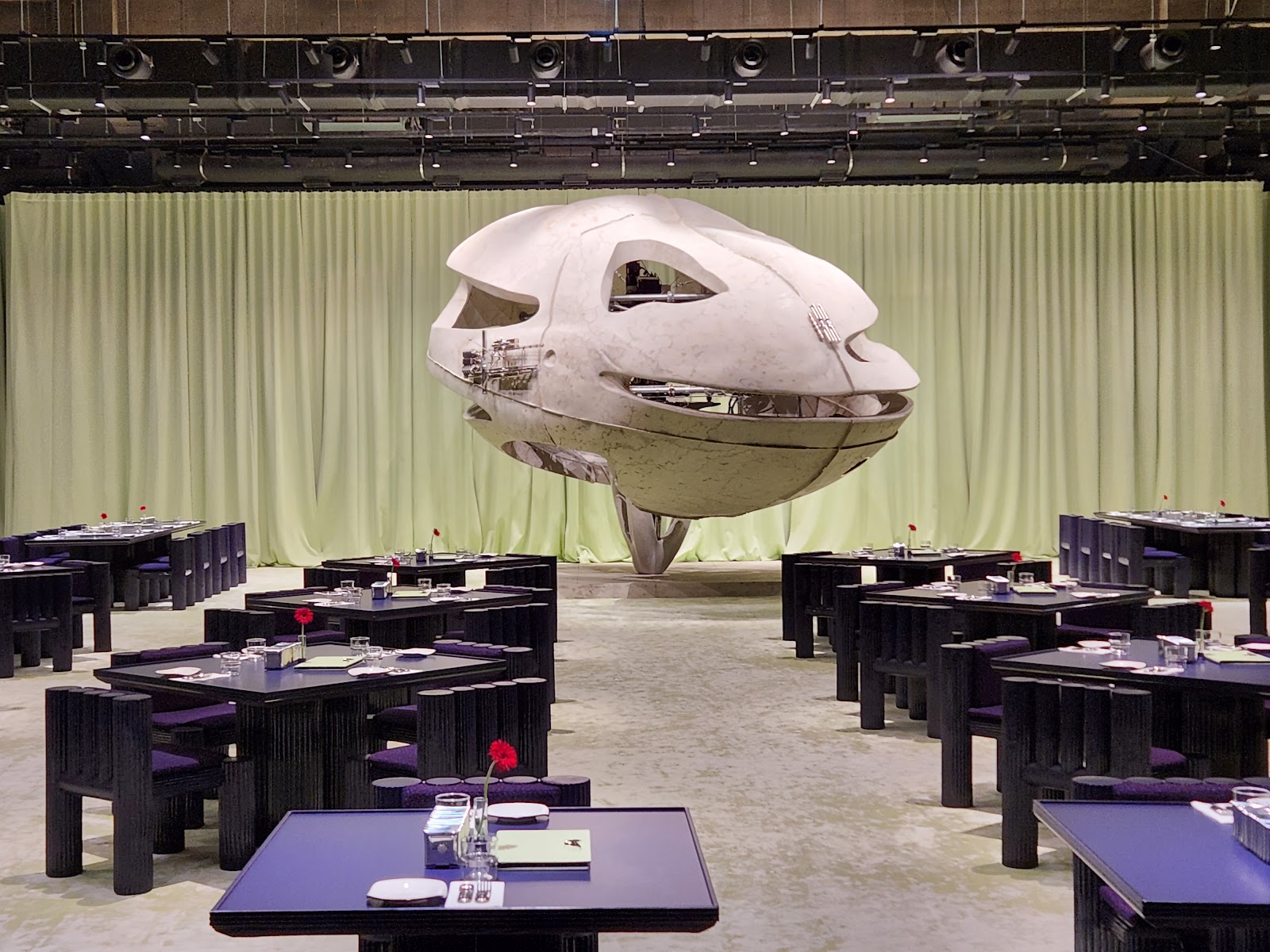
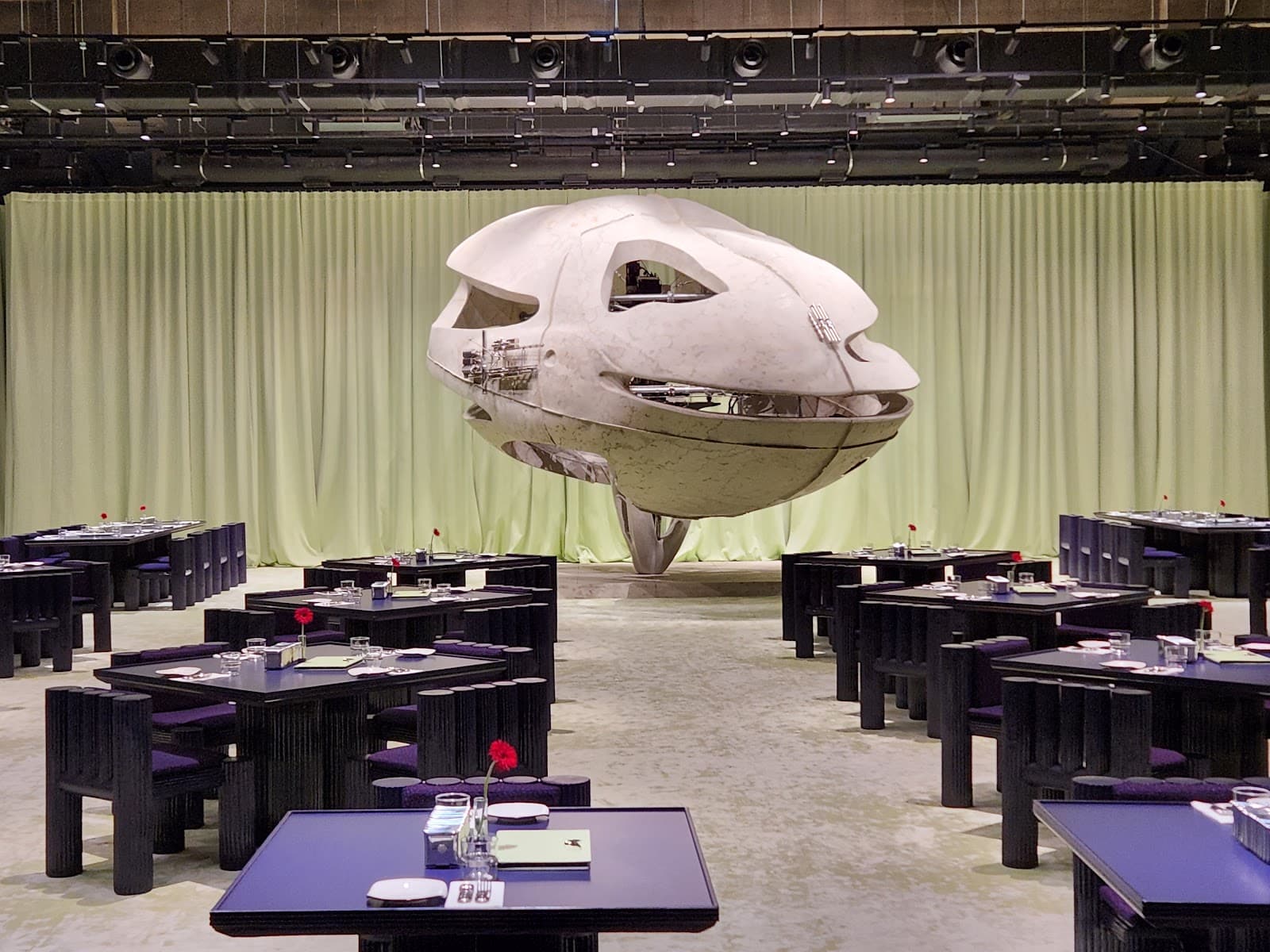
The fifth floor of Gentle Monster's Haus Nowhere concept store contains one of Seoul's most uncompromising interior gestures. A vast hall. Black tables arranged with almost ceremonial precision. At the center: an enormous sculptural egg — roughly the size of a small car — rendered in white cast material and hovering on tripod legs. This is the spatial anchor for NUDAKE Tea House.
It's not subtle. Gentle Monster doesn't do subtle. But the scale is genuinely arresting. The theatrical curtain behind the pod, the regulated negative space around each table — this is a designer's attempt to turn dessert service into performance.
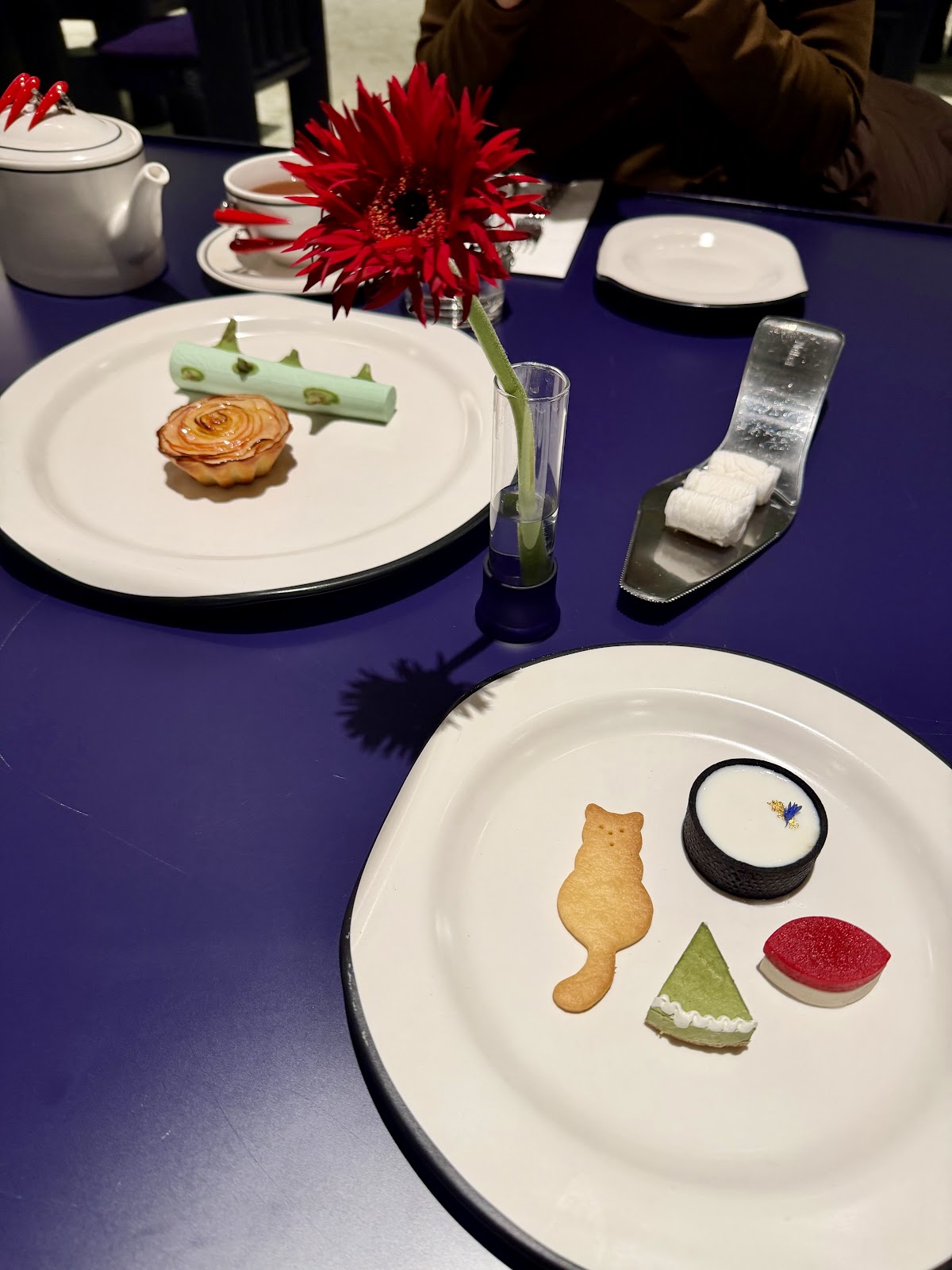
The desserts match the ambition. Each creation is presented on white ceramic against the deep cobalt of the table surface, with single red flowers as punctuation. The Burger Cake — chocolate "patty," American cheese-flavored cream, onion — is the signature. Visually identical to fast food. Conceptually opposite.
This isn't a relaxing cafe. It's a proposition. If you engage with it on those terms, it's extraordinary.
- Address: 433 Ttukseom-ro, 5F, Seongdong-gu, Seoul (Haus Nowhere Building)
- Hours: Daily 11:00–22:00
- Access: 8-minute walk from Seoul Forest Station (Bundang Line), Exit 4
- Instagram: @nudake_official
Concrete Clarity: Precision and Material Honesty
The best brutalist cafes in Seongsu don't apologize for their material. They let concrete speak.
2. PLAD Seongsu
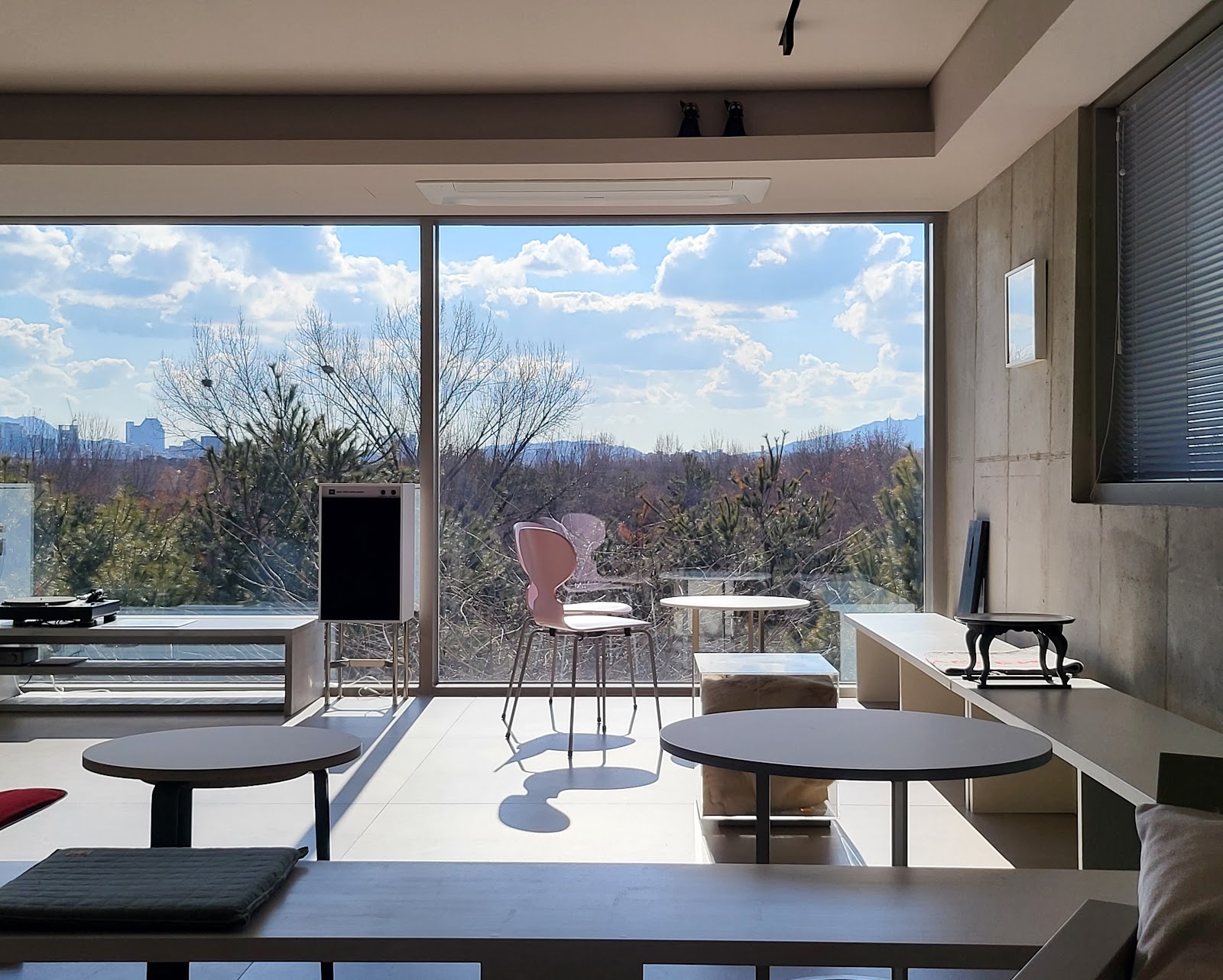
PLAD occupies multiple floors of a building near Seongsu Station — 1F through 5F, each with a distinct spatial concept. What ties them together is the commitment to exposed concrete and oversized glazing. The result is a series of rooms that feel simultaneously heavy and light: mass that opens.
The floor I keep returning to is whichever one gives you the Seoul Forest panorama through unobstructed glass. A pink Arne Jacobsen-style Series 7 chair positioned at the window. Concrete walls. Trees beyond the glass. The composition is almost too considered, but that precision is the point.
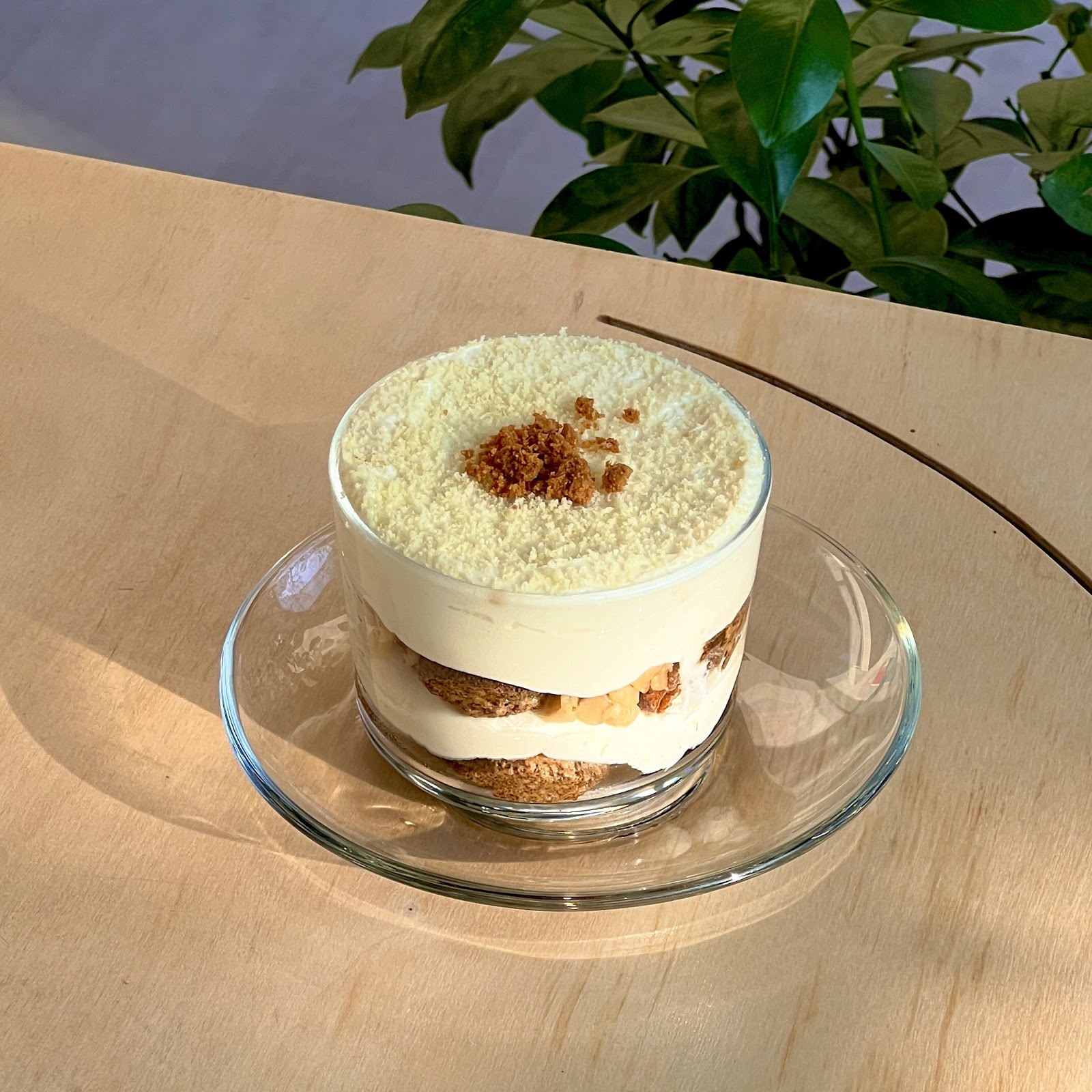
Each floor reads as a showroom — objects placed deliberately in space rather than filling it. PLAD understands that curation is a spatial act, not just an aesthetic one.
- Address: 12-7 Seoulseop 2-gil, Seongdong-gu, Seoul
- Hours: Mon–Fri 11:00–21:00, Sat–Sun 11:00–19:00 (3rd & 5th floors may vary)
- Access: Exit 3, Seongsu Station (Line 2)
Elevated Urban: The Fifth-Floor Perspective
Distance from street level changes everything. In Seongsu, the best elevated spaces treat the view as a material.
3. Magpie & Tiger Seongsu Tearoom

On the fifth floor, with the neighborhood spread below. Magpie & Tiger operates in the register of quiet precision — wooden tables, minimal decoration, panoramic windows that dominate every wall.
What makes it interesting rather than just pretty: the restraint is absolute. No decorative flourishes compete for attention. The city becomes the artwork. Tea service here is deliberately unhurried — no background music above a murmur, staff who understand that silence is a spatial quality, not an absence.
The rooftop terrace opens in spring and autumn, weather permitting. April, when the Seongsu streets below show their first seasonal green, is worth timing your visit around.
- Address: 97 Seongsui-ro, Seongdong-gu, Seoul (5th floor)
- Hours: Daily 12:00–21:30 (closed Mondays)
- Note: Rooftop access is weather-dependent. Premium price range ₩₩₩.
Living Landscape: Nature as Structural Element
Biophilic design in Seongsu isn't an accent — in the best examples, nature is load-bearing.
4. GLOW Seongsu
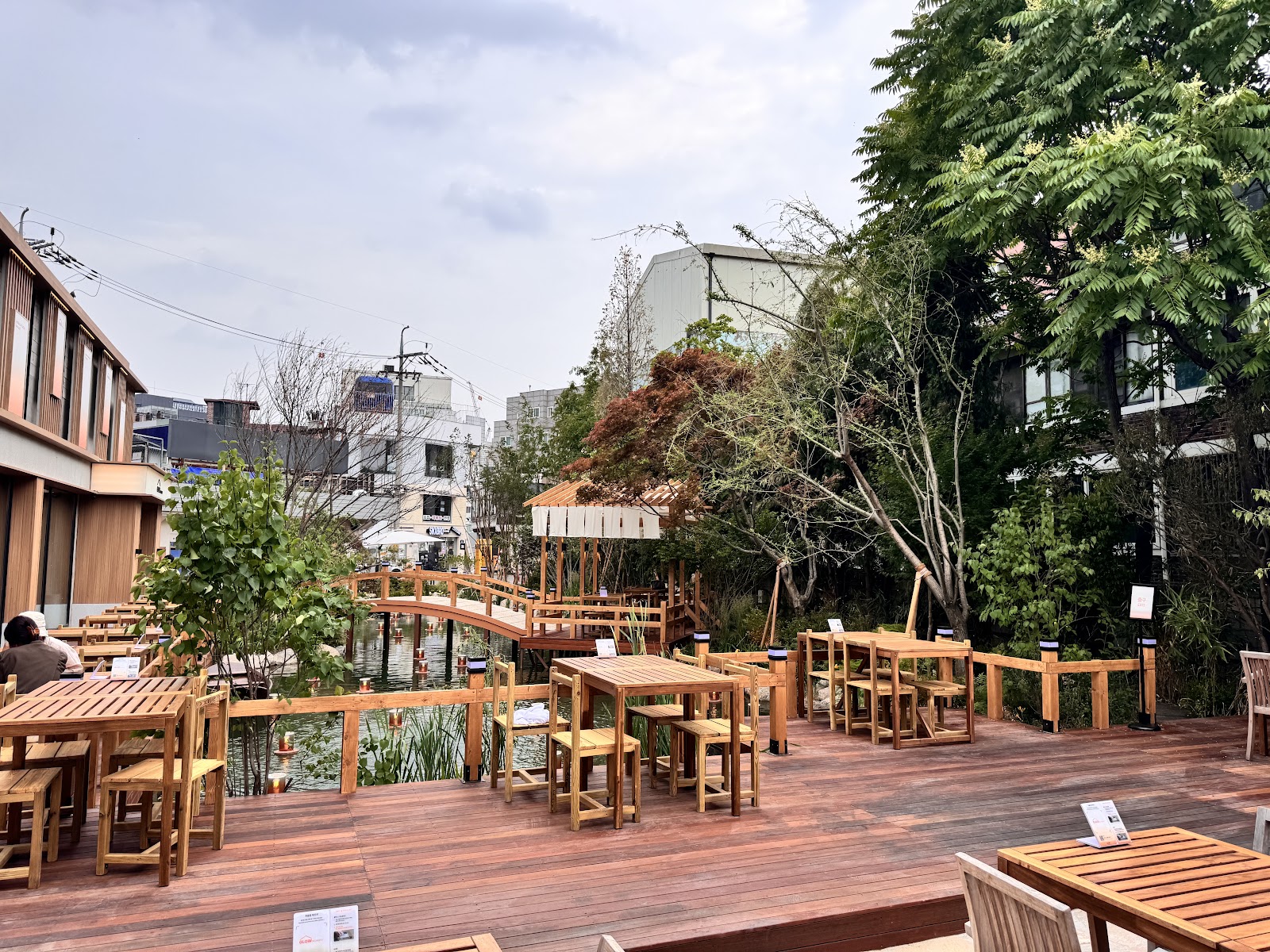
GLOW isn't a cafe in the conventional sense — it's a "global culinary village," a rotating collection of international food and beverage vendors organized within an outdoor garden environment. What justifies its inclusion here is the spatial decision-making behind it.
The site features a wooden deck terrace constructed around an existing water garden. A small bridge crosses the pond. Mature trees were preserved and integrated as structural elements. Seating surrounds rather than crowds the planted areas.
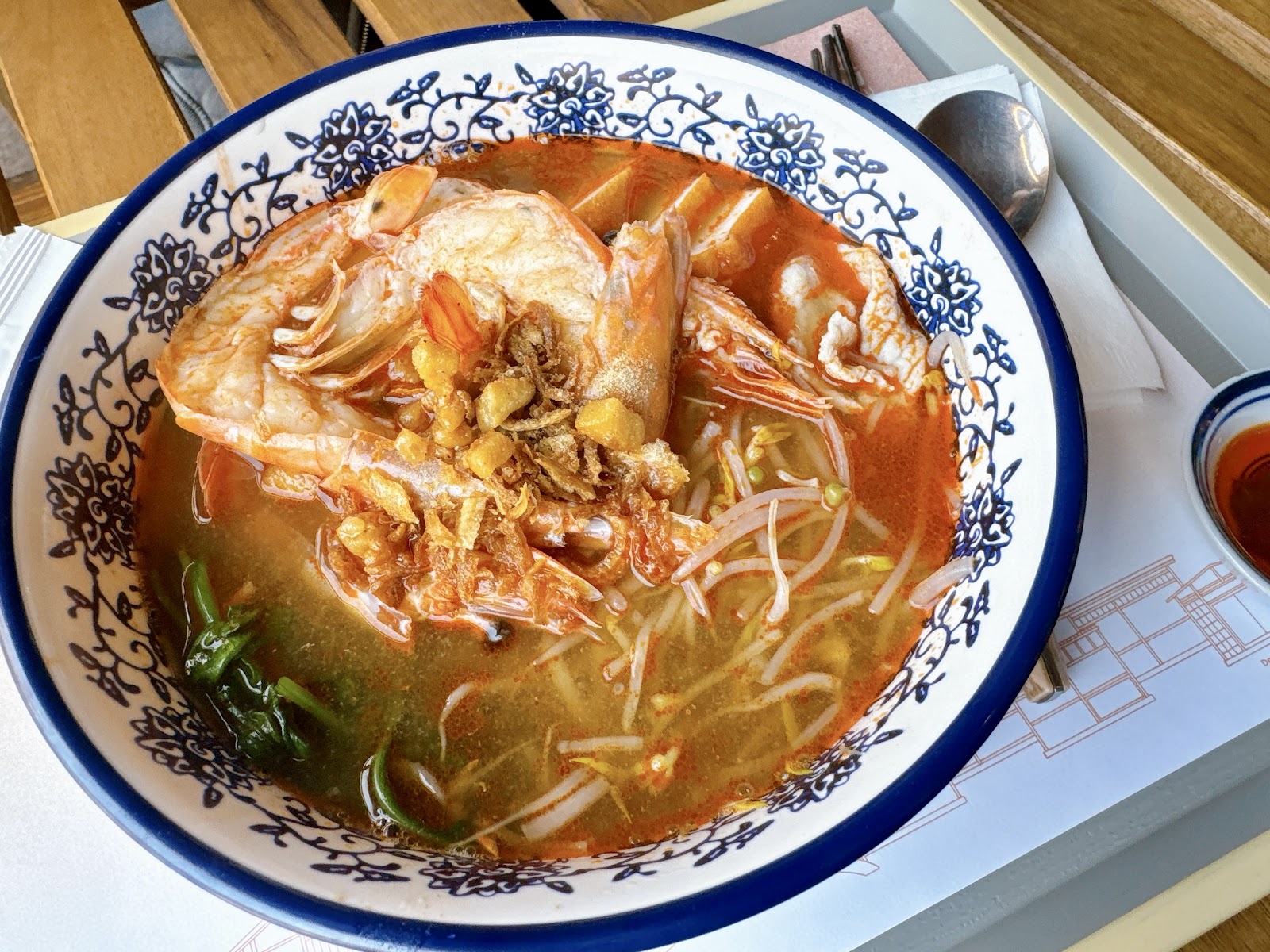
This is landscape architecture used with genuine intelligence. The plants aren't decoration. They define the rooms. In spring, the deciduous trees leaf out and the outdoor space transforms — suddenly enclosed by canopy that didn't exist in winter.
The vendor lineup rotates. Check @glow_seongsu.official before visiting.
- Address: 32 Seongsu-iro 16-gil, Seongdong-gu, Seoul
- Hours: Daily 11:00–22:00
Industrial Adaptive: Three Takes on Seongsu's Past
Seongsu's factories are still the district's most compelling raw material. What distinguishes a thoughtful adaptive reuse from a nostalgic set-piece is how the intervention relates to what was already there.
5. UNLINE Seongsu
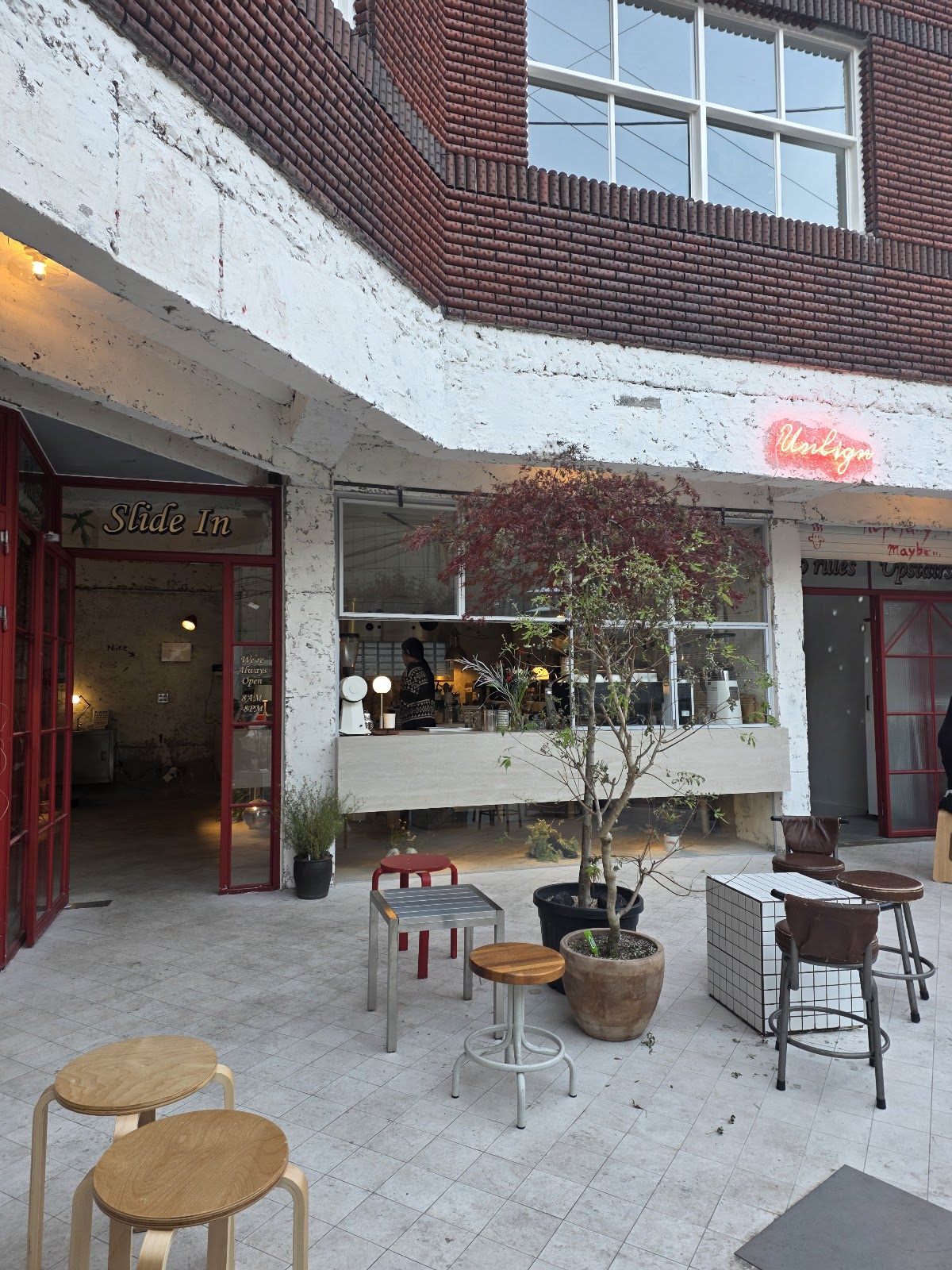
UNLINE occupies a brick warehouse building near Seongsu Station, its exterior still reading as industrial — the "UNLINE" signage rendered in glowing red neon against whitewashed brick. Inside, a courtyard connects multiple small venues: the main cafe, adjacent spaces, outdoor seating with stools and potted trees.
The organization is intentional. You don't experience UNLINE as a single room. You move through it — courtyard to interior and back. The design creates discovery within a compressed footprint.
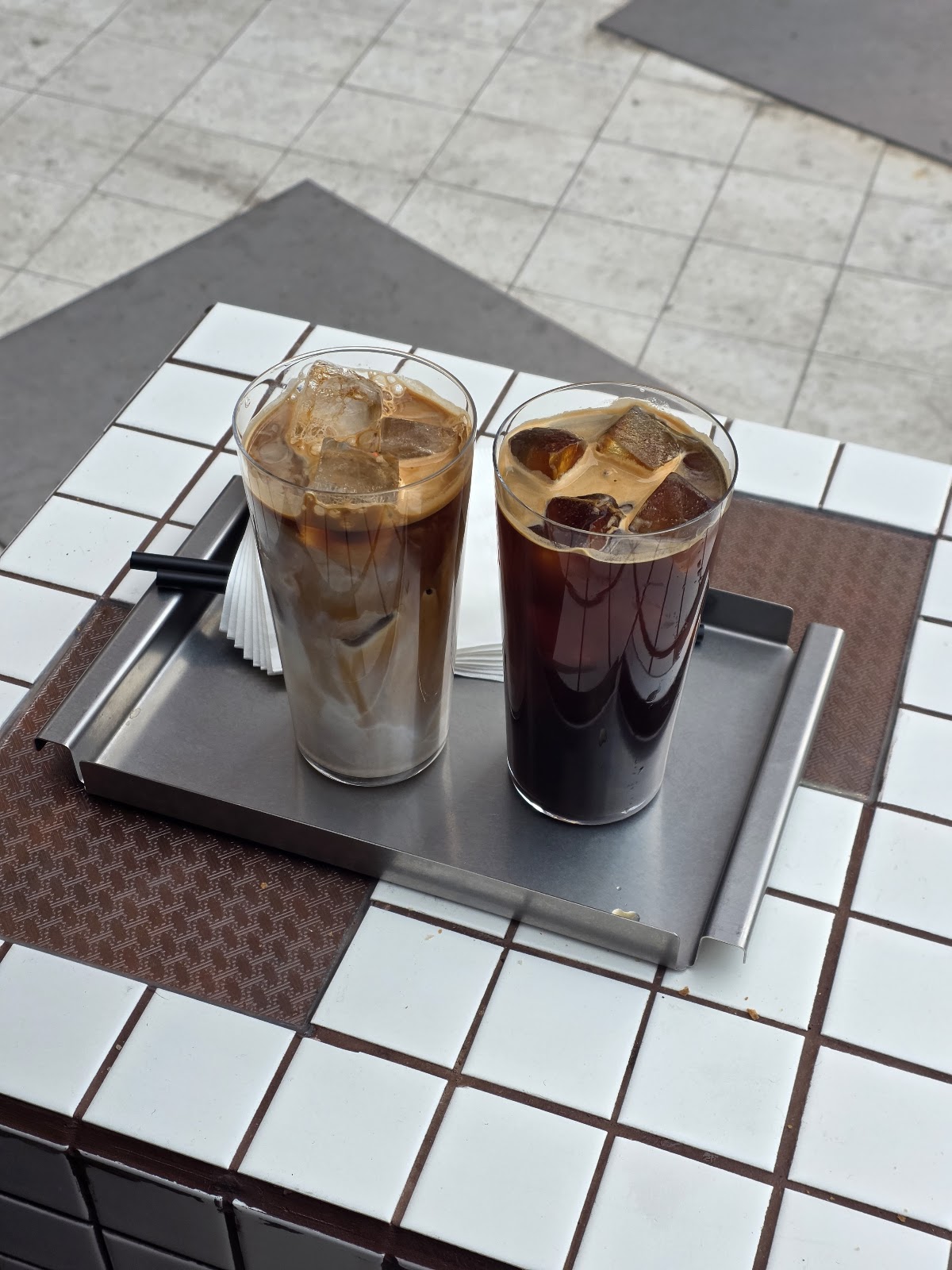
The terrace faces south, which means morning coffee here in spring is worth the extra effort. The walls warm up. The light hits the brick at an angle that emphasizes its texture.
- Address: 69 Iro 1-gil, Seongsu-dong, Seongdong-gu, Seoul
- Access: Exit 4, Seongsu Station (Line 2)
6. Cafe I/O³
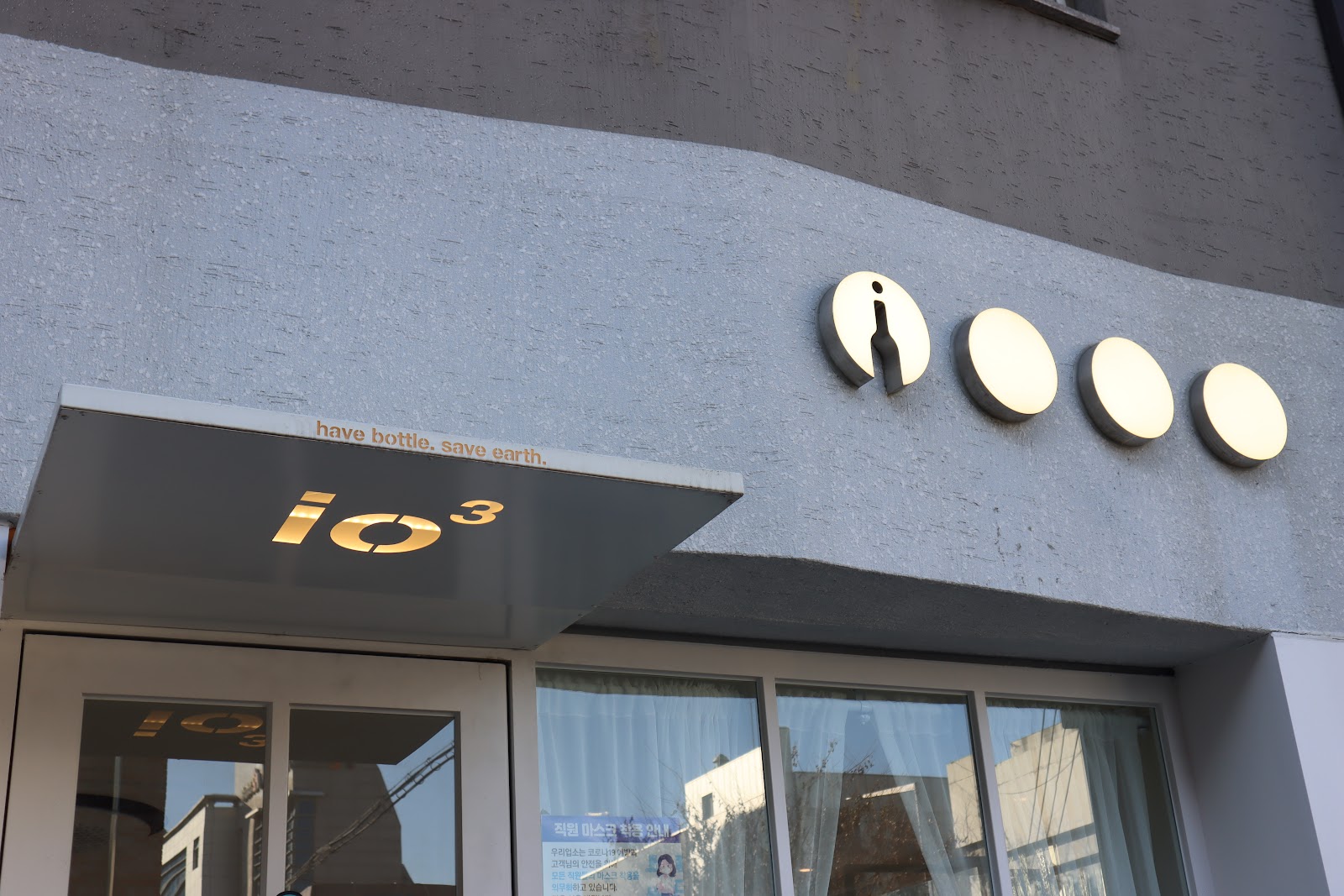
The exterior announces its values before you enter. Grey rendered surface. Three circular backlit discs at upper right — an abstracted ellipsis. Under the entrance canopy, small text: "have bottle. save earth."
I/O³ has decided that formal restraint and environmental commitment can occupy the same space. The interior follows through: clean lines, technology-integrated ordering, digital displays that serve function rather than decoration. The coffee program centers on specialty-grade sourcing.
This is Seongsu's version of the eco-minimal cafe — a design position, not a marketing position. The form is consistent with the content.
- Address: 60-1 Seongsui-ro 20-gil, Seongdong-gu, Seoul
- Hours: 09:00–22:00 daily
- Access: Seongsu Station, Line 2
7. Goshen Seongsu
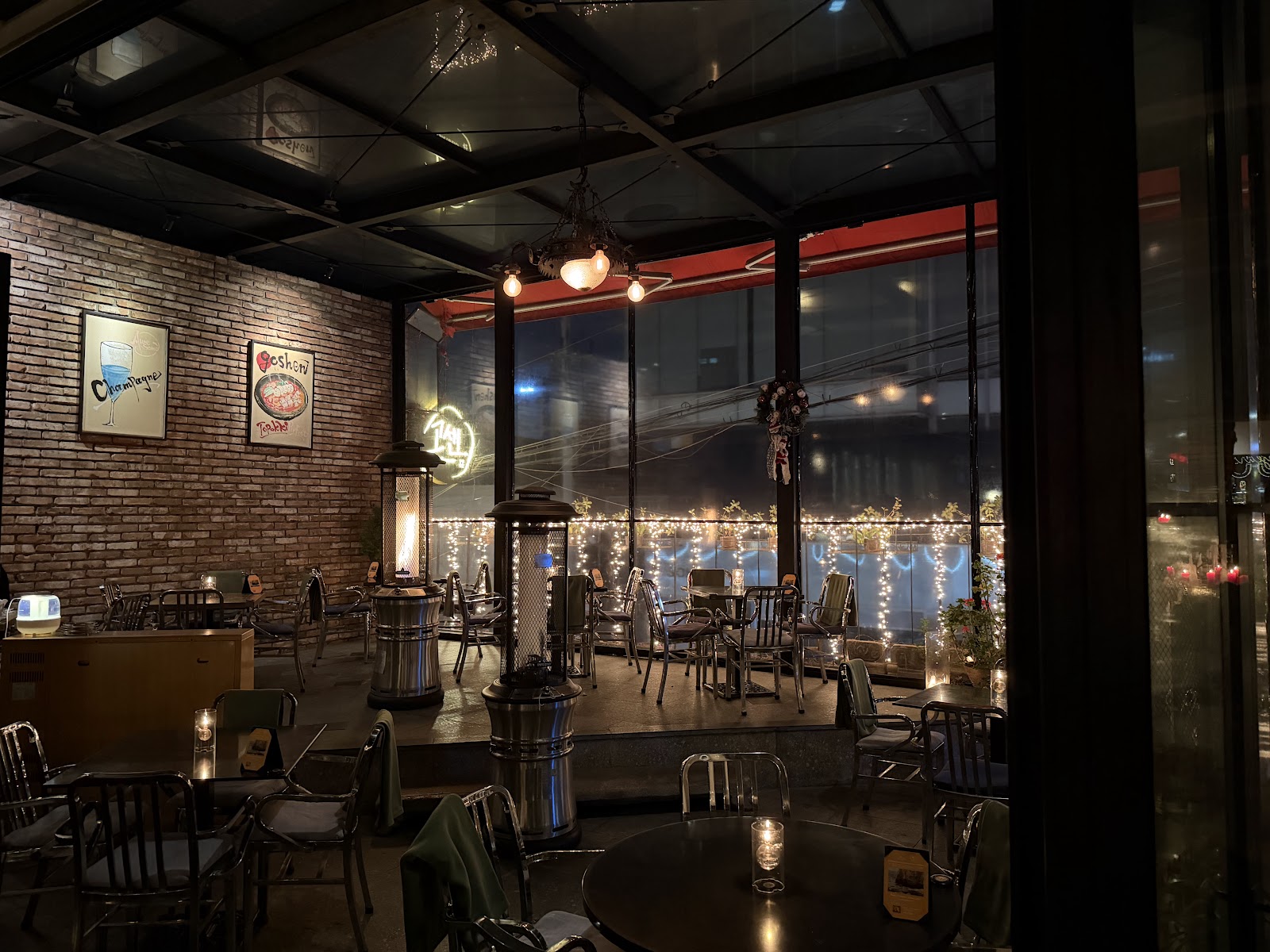
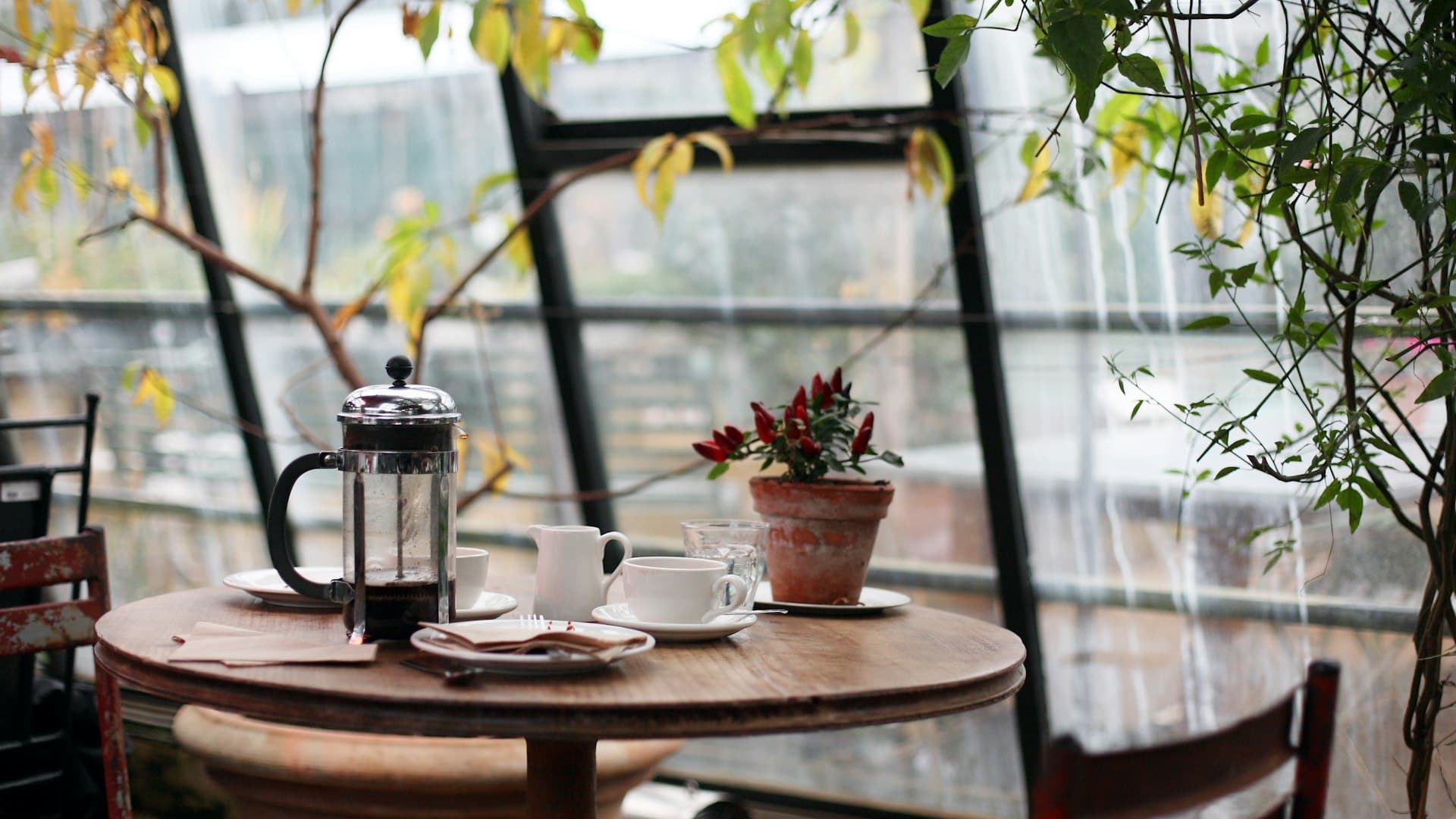
The atmospheric counterpoint to Seongsu's daylight-centric spaces. Goshen occupies a brick building where exposed walls meet a glass and steel ceiling structure — an industrial greenhouse logic. String lights and pendant lamps create warmth within the bones of a former factory.
This is a space that only makes complete sense after dark. The interplay of string light warmth against cold glass overhead produces something genuinely evocative. Day visits are pleasant. Evening visits are the design's fullest expression.
- Neighborhood: Seongsu-dong, Seongdong-gu, Seoul
Before You Visit: Notes on Seongsu in Spring 2026
Getting here is straightforward: Seongsu Station (Line 2) is the main hub. Exit 3 or Exit 4 depending on your destination. Seoul Forest Station (Bundang Line) serves the eastern end near Haus Nowhere.
Spring changes these spaces. PLAD's views soften as Seoul Forest greens. GLOW's outdoor garden reaches its fullest expression. Magpie & Tiger's rooftop opens. Plan accordingly — outdoor areas and rooftops can fill up by late morning on clear days.
Cherry blossom timing (early-to-mid April in most years) brings the highest crowds to the neighborhood. Arrive weekday mornings or after 6pm on weekends for the most considered experience.
Most spaces operate cashless. Kakao Pay and Naver Pay are widely accepted in addition to international cards.
Common Questions
Is Seongsu-dong walkable as a single visit? The main cluster near Seongsu Station (Exits 3-4) is very walkable — PLAD, UNLINE, Magpie & Tiger, and Goshen are all within a 10-minute walk of each other. NUDAKE is further east, near Seoul Forest Station (about 15 minutes on foot or a short taxi ride).
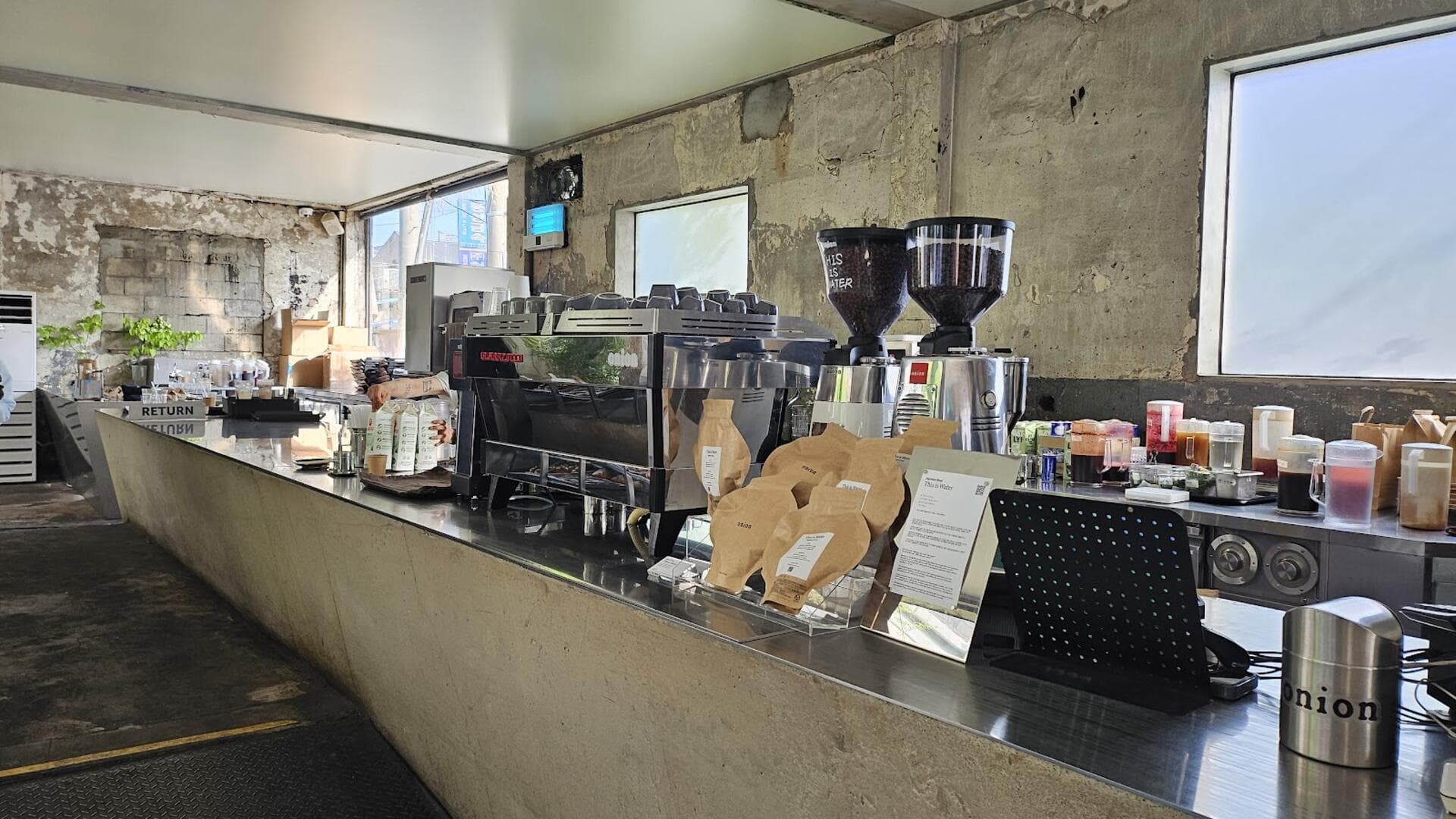
What's the difference between Seongsu's old-wave and new-wave cafes? The Seongsu-dong guide covers the original generation — Cafe Onion, 5to7, Amazing Brewing. Those spaces worked primarily with the nostalgic power of raw industrial space. The newer spaces featured here are making more specific design arguments: material philosophy, spatial sequence, formal restraint.
Are these spaces English-friendly? Most have menus with photos or English descriptions. NUDAKE's counter staff speak functional English. For the smaller spaces, pointing and a smile work fine.
What's the price range? Expect ₩6,000–12,000 for drinks in most spaces. NUDAKE's dessert plates run ₩15,000–25,000. Magpie & Tiger's premium tea service is ₩15,000+.
When is the best time to visit Seongsu overall? Late March through May for spring. The district slows down on rainy days (a good time for interior-focused spaces like PLAD and Goshen). Cherry blossom peak (early April) is beautiful but crowded.
Follow @minjicurates for ongoing updates on Seoul's design-forward spaces.