
Seongsu-dong Guide 2025: How Seoul's Shoe Factory District Became Brooklyn
Spring 2020. I stepped out of Seongsu Station Exit 3 for the first time. The scene wasn't what I expected. Weathered steel buildings and rusted shutters lined the streets, but between them, young people queued. For coffee.
"Ten years ago this was all shoe factories..." The hardware store owner next door summed up Seongsu's transformation in one sentence. This is Seoul's most dramatic urban renewal story. Not just trendy cafes in a hip neighborhood. This is industrial heritage colliding with contemporary sensibility to create Seoul's Brooklyn.
From Shoe Factories to Coffee Houses
Seongsu's story starts in the 1960s. Back then, this was Seoul's light industry heartland. Especially famous for shoes and leather goods. Sewing machines rattled down narrow alleys. Factory lights burned from dawn till midnight.
Things changed in the 2000s. Manufacturing moved overseas. Factories shut down one by one. By 2010, Seongsu was one of Seoul's most neglected districts. Empty factories. Cheap rent. That's when young artists and entrepreneurs discovered it.
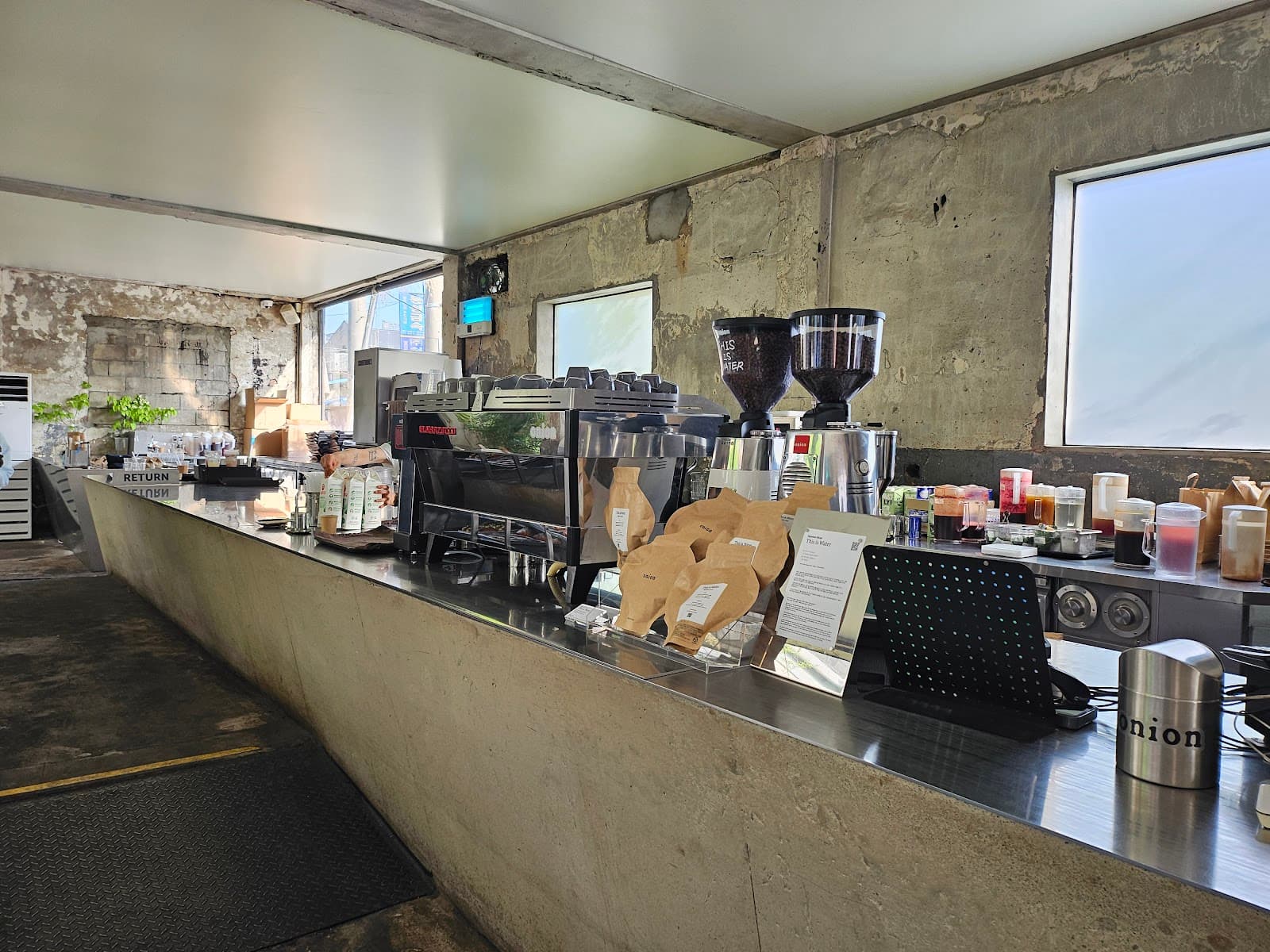
- Cafe Onion opened in an old metal factory. Rusted steel beams, concrete floors left intact. This cafe became the symbol of Seongsu's transformation. "We showed you didn't have to demolish the factory. You could create something new inside it," said the designer who helped with the opening.
After that came Daelim Changgo, Amazing Brewing Company, Seoul Brewery. All converted factories or warehouses. From 2018, media started calling Seongsu "Seoul's Brooklyn." Even during 2020's pandemic, Seongsu grew. Large spaces and outdoor seating meant safety.
2025 now. Seongsu's Seoul's hottest date spot. Weekend wait times exceed an hour at every cafe. But walk into the side alleys and you'll still find 70-year-old shoe factories operating. This coexistence makes Seongsu special.
Seongsu's Three Faces
To understand Seongsu, know its three districts. Each with different vibes and stories.
Seongsu Cafe Street - Where It All Began
The Wangsimni-ro area from Exit 3 toward Seoul Forest is the famous "Seongsu Cafe Street." Where the iconic cafes cluster.
Cafe Onion Seongsu anchors this street. Opens at 8am, but by 9am on weekends the line's already long. Pandoro costs ₩7,000 a slice. Pricey, but see that powdered sugar mountain once and you'll get it. The factory's high ceilings and exposed brick were made for Instagram.
Cross the street and duck into an alley for 5to7 Seongsu. Named after golden hour (5-7pm). The rooftop terrace sunset view is worth it. Hand-drip coffee runs ₩8,000. Here, they compete on coffee quality.
Yeonmujang-gil - Local Seongsu
Exit 1 sees fewer tourists. This area is real local Seongsu. Metalworks and auto repair shops still operate. Small cafes and restaurants hide between them.
Jik Coffee Seongsu is where neighborhood folks stop daily. Not flashy, but the coffee's honest. Americano ₩4,500. Opens at 7am. Pre-work takeout crowd fills the place. Six seats only.
Lunchtime, head to Somunnan Seongsu Gamjatang. Operating since 1988. Same spot. Gamjatang with a whole bone costs ₩13,000. Regulars are mostly nearby factory owners. "Customers have demanding tastes. Can't keep business 40 years if you don't maintain quality." That's from the daughter running the second generation.
Seongsu West - Where the New Wave Comes
Head toward Ttukseom Station and you'll see Seongsu's future. Spaces opened in the past 2-3 years concentrate here.
Daelim Changgo turned a 1970s rice mill into gallery and cafe. Red brick building, steel columns preserved. The second floor gallery hosts rotating exhibitions. Free entry. Proper move is wine at the first floor bar while studying architectural details. Weekday afternoons 3-5pm are quietest.
Amazing Brewing Company Seongsu launched Seongsu's craft beer scene. Brewery-pub with visible tanks. IPA to stout, 10+ house-brewed beers. Pint runs ₩9,000-12,000. Friday evening 6-8pm happy hour. Come then for 30% off and chat with the brewmaster.
Why I Keep Coming Back
After 20+ Seongsu visits, I've found my routines.
Saturday Morning Route
Arrive Seongsu Station before 10am. Before the tourist wave hits. Hand-drip takeout at Jik Coffee (expect 20min wait). Coffee in hand, walk Seongsu-dong 2-ga alleys. Still got 70-year-old shoe factories everywhere. Closed Saturday mornings, but the buildings themselves are photo spots. Rusted iron doors, old signboards on walls, Japanese colonial-era wooden houses. See real Seongsu during this time slot.
Reach Cafe Onion around 11am. Line's there but still manageable. Order pandoro and flat white. Score a second-floor window seat and you've struck gold. Can spend two hours here watching the street below.
Weekday Afternoon Recommendation
Weekday afternoons 2-4pm are Seongsu's golden time. Lunch rush done, dinner not yet. Cafes have seats.
Tour Daelim Changgo gallery (30min), then espresso martini at the first floor bar. Move to Amazing Brewing, sign up for the tour (free, weekdays 3pm). Hear the brewing process, taste samples. Head to 5to7 rooftop and wait for sunset. Sunset from Seongsu rivals the Han River.
Evening Date Course
Friday 7pm, start at Seoul Brewery Seongsu. Catch the tail end of happy hour. Order two craft beers. Grab the outdoor terrace and feel Seongsu's night vibe.
Around 8pm, move to Yeonmujang-gil. Gets quiet at night here. Few small wine bars and izakayas scattered about. Charm is you can walk in without reservations. Places that maintain neighborhood feel while serving good wine.
How to Actually Enjoy Seongsu
Tips learned over five years visiting Seongsu.
Timing Is Everything
Weekends before 9am: Enter cafes without waiting. Photos without crowds.
Weekday afternoons 2-4pm: Seongsu's sweet spot. Lunch crowd gone, dinner not started. Cafes and restaurants both relaxed.
Friday evenings 6-8pm: Amazing Brewing, Seoul Brewery and other brewery-pubs have happy hour. Good vibe, fair prices.
Sunday evenings after 6pm: Weekend tourists cleared out. Neighborhood goes quiet. See real local Seongsu then.
Best Season by Season
Spring (April-May): See Seoul Forest cherry blossoms then cafe tour. Great weather packs outdoor terraces.
Summer (July-Aug): Rooftop cafes shine. 5to7, Glow Seongsu and others with roofs.
Autumn (Oct-Nov): Seongsu's real season. Perfect weather. Factory buildings match autumn light.
Winter (Dec-Jan): Indoor cafes dominate. Warm up in heated warehouse cafes.
Seongsu Survival Guide
Use waiting apps: Popular cafes require Catch Table or Naver Booking. Show up to queue and you're looking at 1-2 hours minimum.
Forget parking: Seongsu is parking hell. Subway Line 2 Seongsu Station is the answer. Know where Exits 3 and 1 are.
Alley exploration required: Stick to the main street and you've seen half at best. Real Seongsu lives in the alleys.
Bring cash: Small shops don't all take cards. Pack ₩30,000-50,000 cash.
Comfortable shoes: Seongsu means walking. 2-3 hours on foot is baseline.
Don't Make These Mistakes
Avoid weekend lunch: Saturday-Sunday 12-2pm is worst timing. Wait over an hour everywhere.
Don't stay too long one place: Seongsu's big. Hit only one or two cafes and it's a waste.
Don't trust Google Maps: For alleyway info, Naver Maps is accurate.
Skip rainy days: Lots of outdoor spaces mean rain cuts your options way down.
Changing Seongsu, and What's Next
2025 Seongsu stands at a crossroads. Gentrification's hitting full force.
What's Disappearing
"Rent tripled in three years." That's from a cafe owner who moved in early. Big brands moving in push small shops out. Half the independent cafes from 2020 have already closed.
Factories vanishing too. Just 2024 saw five shoe factories shut down. "No successors. My son says he won't do this work." Sadness leaked through the 60-year shoemaker's words.
What's Staying
But Seongsu's stubborn. Residents and early movers started a "Preserve Seongsu Identity" movement. The "Seongsu Heritage Map" created with Seongdong District in 2023 resulted from this. Designated 50 factory buildings for preservation.
New shops coming in changed too. Not just trendy interiors anymore. More renovations respecting building history. LCDC Seoul, Onion Factory are good examples.
Seongsu in Five Years
Personal prediction: Seongsu will split two ways.
Main Street: Large brands and franchises dominate. Tourist-centered commerce. High chance it'll become like Hongdae or Gangnam's Garosu-gil.
Inside Alleys: Real local Seongsu. Small shops and factories coexist. Hidden spots only known folks visit.
That's why you should see Seongsu now. This moment at the midpoint of change might be the most Seongsu-like time there is.
Questions People Ask Me
Q: First time in Seongsu - where should I start?
Exit Seongsu Station through Exit 3 and start walking toward Cafe Onion. This road is Seongsu's main street. Basic course goes Cafe Onion → Daelim Changgo → Amazing Brewing. Allow 3-4 hours.
Q: Is it okay to go alone?
Totally fine. Actually better alone if you want to freely explore alleys. Cafes have plenty of single-person tables. Weekday afternoons recommended.
Q: How much budget should I plan?
For 2-3 cafes + one meal, figure ₩40,000-50,000 per person. Average cafe drink ₩7,000, average meal ₩12,000-15,000.
Q: Can I bring kids?
Possible but not recommended. Lots of stairs and tight spaces, hard to navigate with strollers. Plus cafes prioritize quiet atmosphere. Might get looks bringing young children.
Q: How's it different from Yeonnam-dong?
Yeonnam-dong centers on cozy neighborhood cafes in residential area. Seongsu focuses on large spaces using industrial heritage. Yeonnam-dong's snug and comfortable, Seongsu's spacious and dramatic. Instagram photos come out better in Seongsu.
Q: Can I park?
Nearly impossible. Narrow alleys, severely limited parking. Subway Line 2 Seongsu Station is the answer. If you must drive, use Seoul Forest public parking and walk from there.
Seongsu Through My Eyes
From discovering Seongsu in 2020 till now, this neighborhood kept changing. Some things got better. Some things I miss. But one thing hasn't changed. Seongsu remains Seoul's most honest urban renewal site.
Not demolishing and rebuilding. Taking what was there and creating new stories. Where a 70-year-old factory building stands naturally beside a cafe that opened in 2025. Where past and present don't fight but converse.
My last visit was Tuesday last week. Passing a metalworks shop on Yeonmujang-gil, the owner who looked 70 was hammering steel. Right next door, a twentysomething barista drew latte art. That moment best explains Seongsu.
Someday this scene might vanish too. So now, you should go see Seongsu.
This guide reflects conditions as of December 2025. Seongsu is a rapidly changing area - verify latest information before visiting.
Sources: