
Yeonnam-dong Guide 2025: Hidden Cafe Neighborhood by the Forest Path
Fall 2019. I was meeting a friend in Hongdae and arrived an hour early. Stepped out of Hongik University Station Exit 3 and noticed an unfamiliar path. A sign read "Gyeongui Line Forest Park." Curiosity pulled me in.
Ten minutes of walking and the world changed.
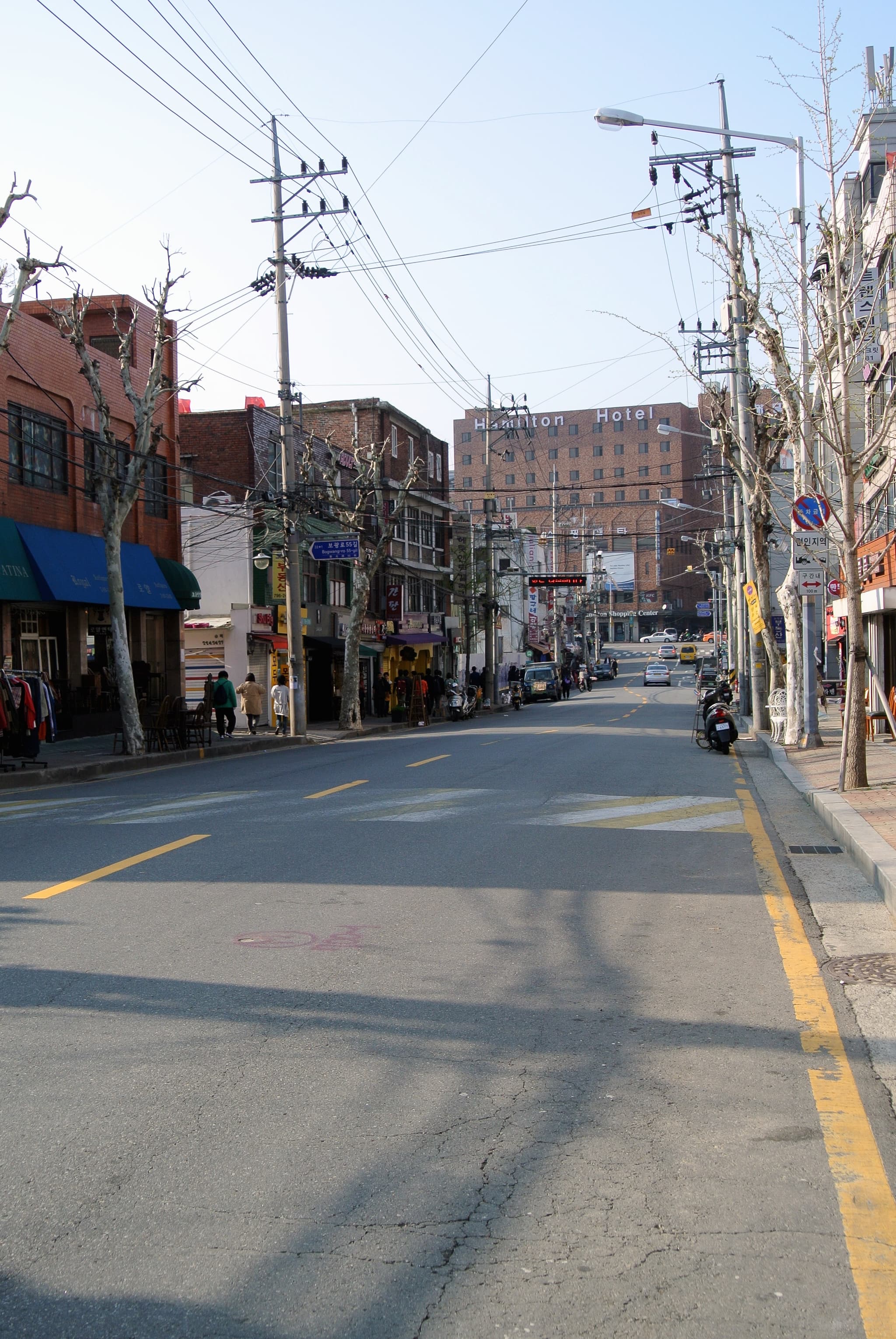
Hongdae's blaring music faded. Small cafes appeared under tree shade. Handwritten signs on every alley. Vintage furniture glimpsed through windows. People reading books by second-floor windows. Same neighborhood? Right next to Hongdae?
That's when I started exploring Yeonnam-dong. Now it's my most visited neighborhood in Seoul.
The Forest Path Changed Everything
To understand Yeonnam-dong, you need to know about Gyeongui Line Forest Park. Until 2016, trains ran here. The Gyeongui Line railway cut through Mapo and Seogang with thunderous noise. That noise kept Yeonnam-dong a quiet residential area with cheap rent.
- Seoul transformed the abandoned railway into a park. A 6.3km green walking path stretching from Hongik University Station through Sinchon and Yeonnam-dong to Gajwa Station. An urban forest.
Change began. Young entrepreneurs noticed. "Right next to Hongdae, but half the rent. Plus a park?" From 2017, cafes started appearing one by one. Small cafes converted from homes. First floor cafe, second floor owner's residence.
By 2020, Yeonnam-dong had completely transformed. From Hongdae's alternative neighborhood to a destination in itself. But it maintained a completely different vibe from Hongdae.
Why Yeonnam-dong?
Seoul has many aesthetic cafe neighborhoods. Seongsu, Ikseon, Euljiro. But Yeonnam-dong is special for a reason.
Scale. Yeonnam-dong is small. Walk 400m along both sides of the forest path and you've seen most major cafes. A size you can explore without a map, just discovering as you walk.
Residential atmosphere. Not an industrial zone like Seongsu. Not a commercial district like Euljiro. A real neighborhood. Laundromats, supermarkets, and snack bars still exist between cafes. Visit in the morning and you'll see kids heading to school, residents commuting to work.
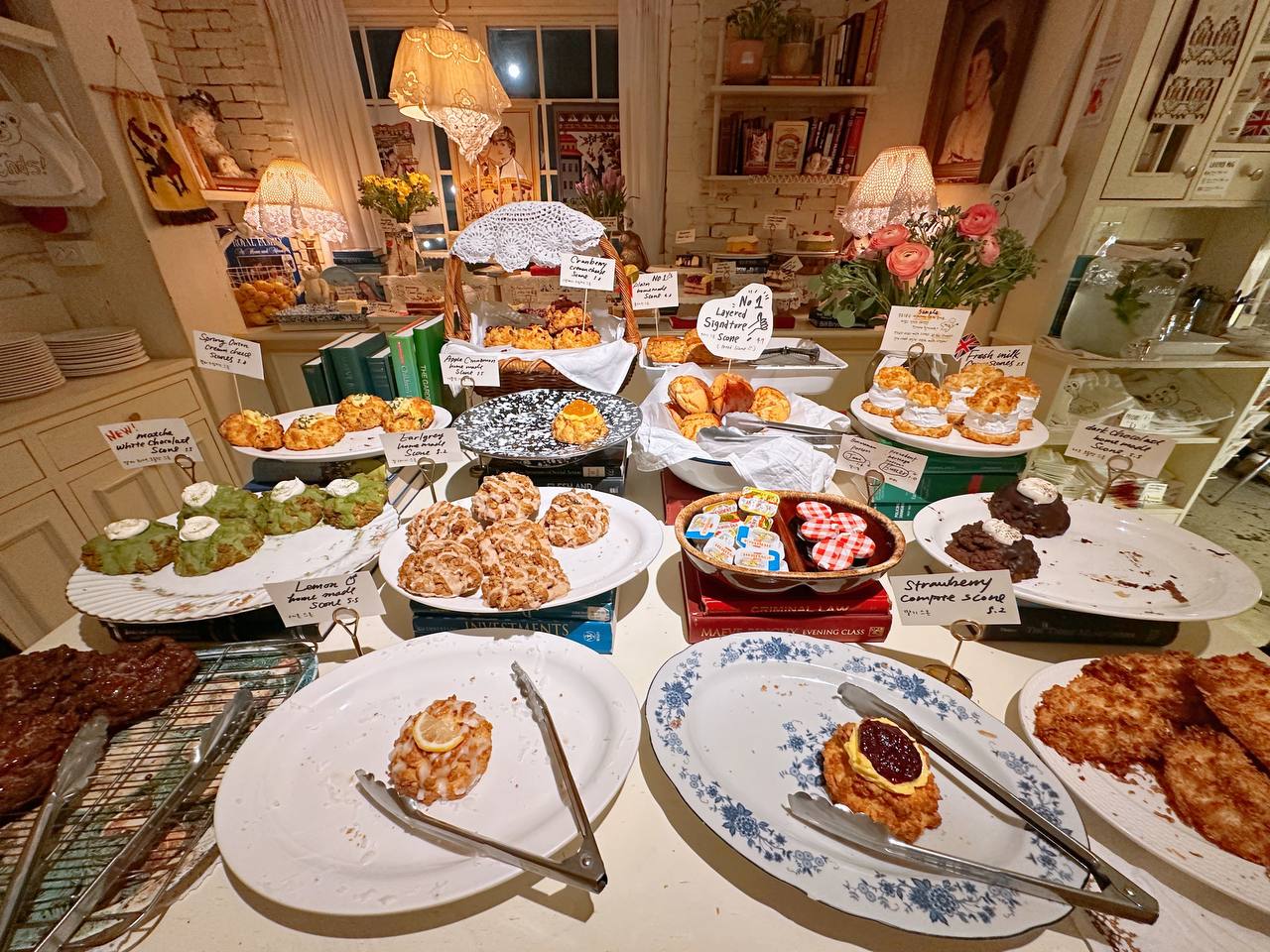
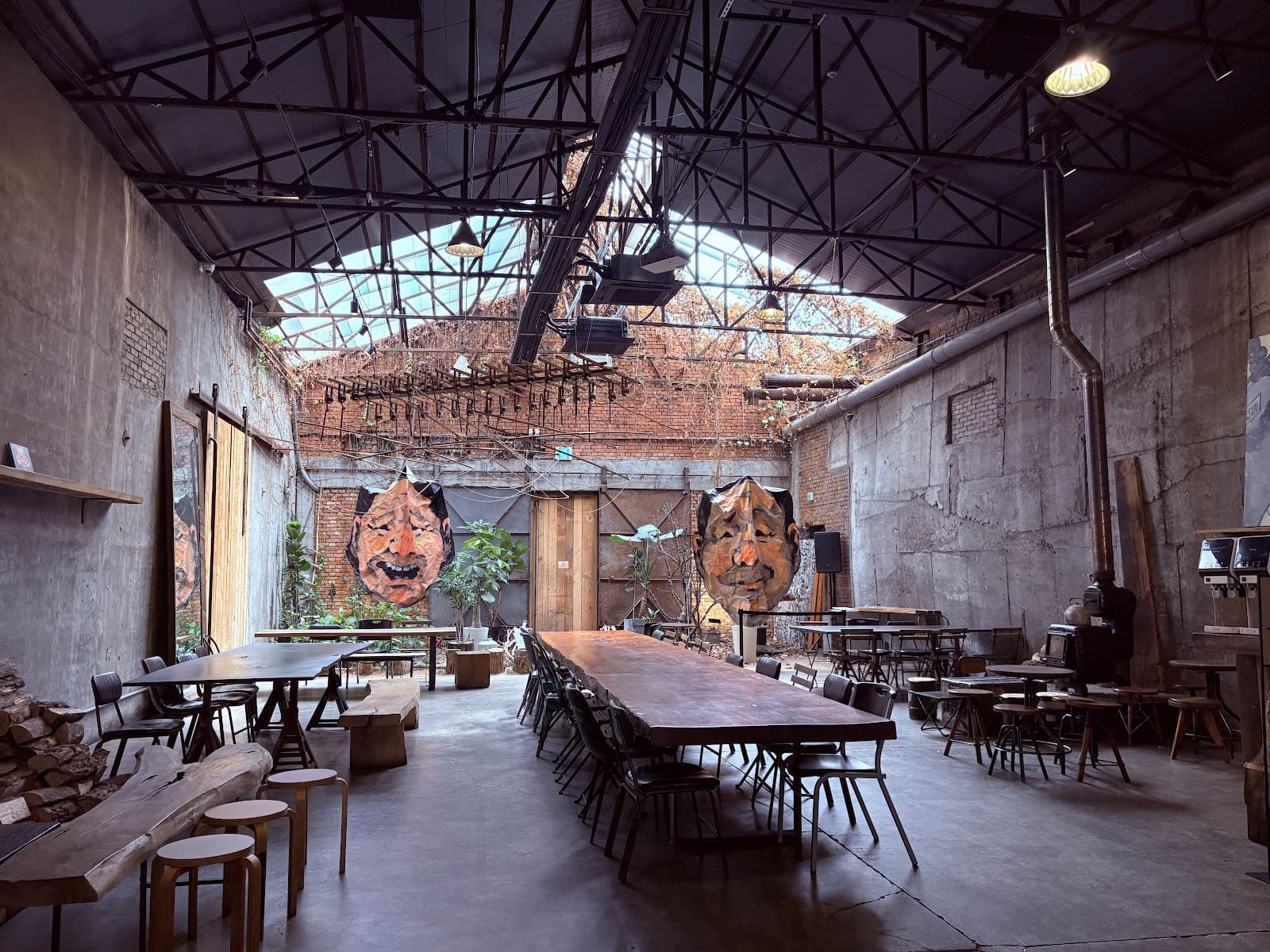
Vintage aesthetic. Most Yeonnam-dong cafes are converted old houses. So each has its own character. Some preserved 1970s hanok structures. Others kept the staircases of 1980s multi-family homes. Not Instagram-designed interiors, but spaces with real history.
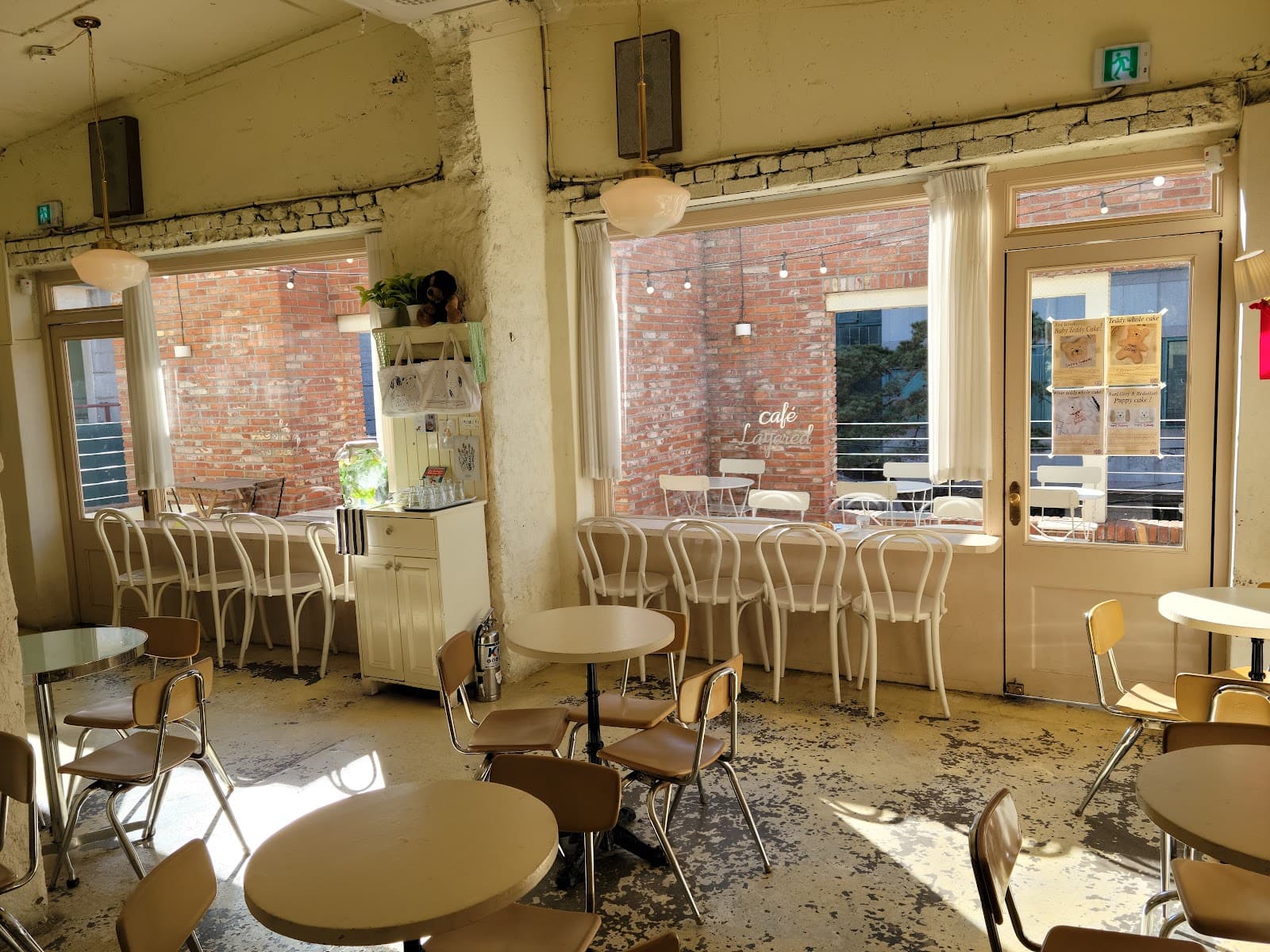
Layered Yeonnam shows this charm well. This cafe converted from an old house exposed original brick and plaster walls. Sit by the first-floor window and you're facing Gyeongui Line Forest Park. Afternoon sunlight filtering through trees. People in vintage chairs drinking coffee. This is Yeonnam-dong.
I usually come here around 3 PM on weekdays. After lunch when it's quiet. Open my laptop by the window and work. Every time I think "this is right next to Hongdae."
Morning, Afternoon, Evening: Three Faces of Yeonnam-dong
Morning (8-11 AM): Quiet Neighborhood Walk
My favorite Yeonnam-dong time is morning. Before tourists arrive, when only residents are around.
Exit Hongik University Station at Exit 3 and enter Gyeongui Line Forest Park. Walk slowly in morning sunlight. You'll pass office workers jogging, residents strolling.
Most cafes open at 11 AM, but a few start at 9 AM. Bakery cafes like Perlen Haus Yeonnam open at 8:30 AM. Smell freshly baked bread and sit on the terrace facing the forest path. Croissant (₩5,000) and Americano (₩5,500). This is my Yeonnam-dong morning routine.
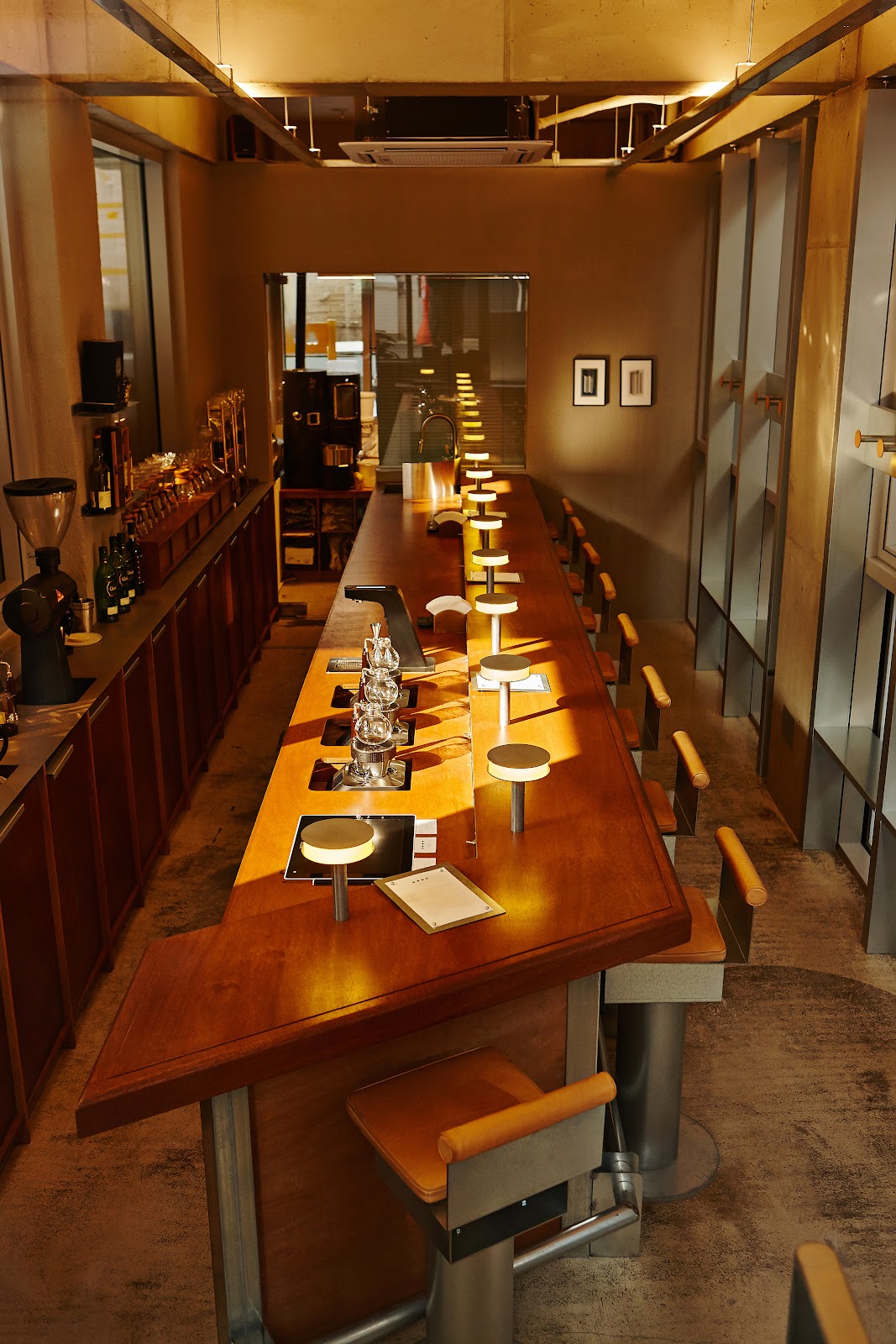
Afternoon (2-5 PM): Cafe Hopping Time
Afternoon is Yeonnam-dong's main stage. Walk along Gyeongui Line Forest Park and cafes line both sides. Over 20 cafes within 400m. All different vibes.
My route:
- First stop: Specialty coffee roastery for an espresso shot (₩4,500)
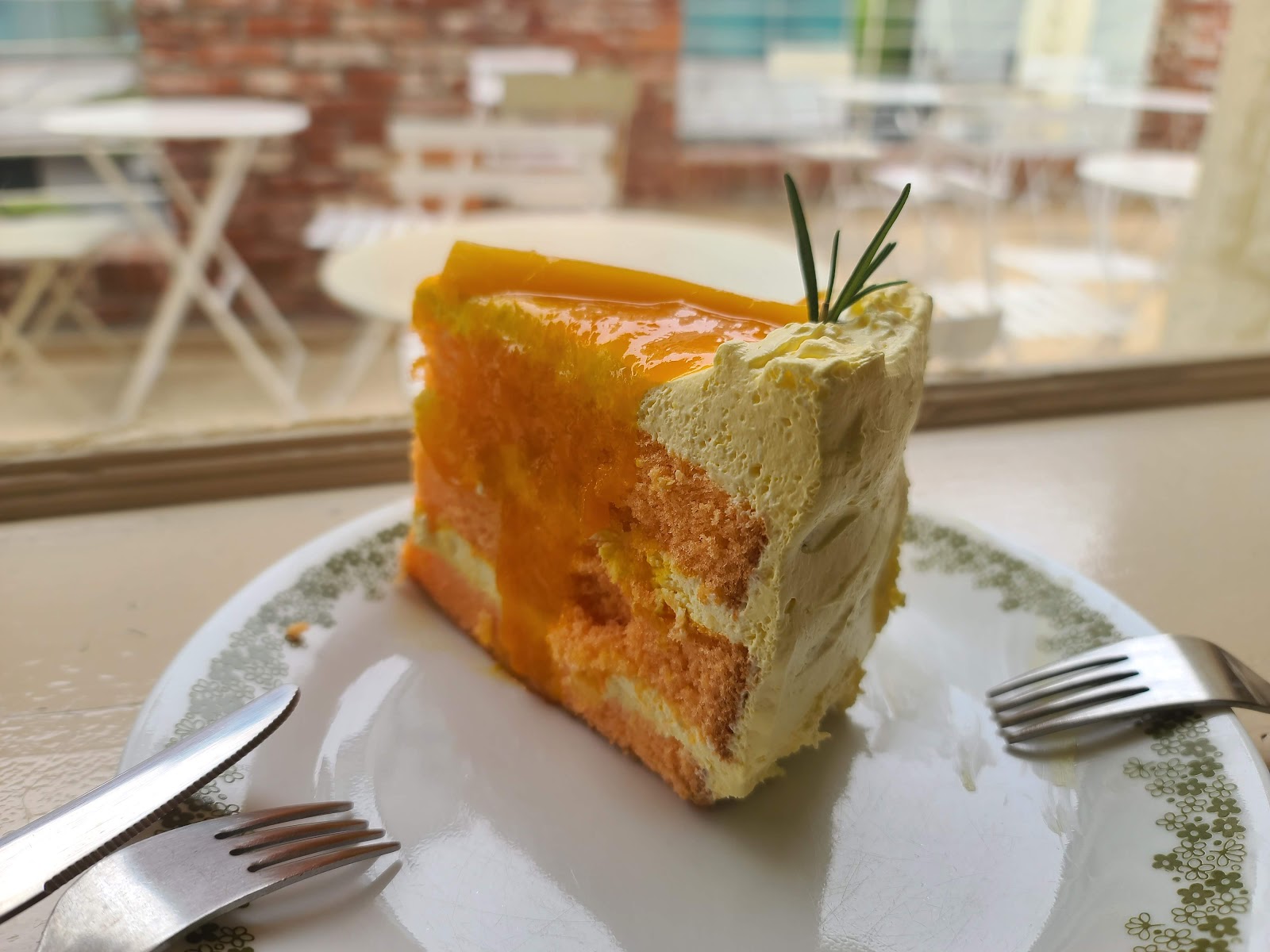
- Second stop: Dessert cafe for seasonal cake (₩7,000-9,000)
- Third stop: Layered Yeonnam window seat for people-watching
Don't rush. Yeonnam-dong's charm is leisure. Peek through cafe windows, read menus, check Instagram feeds. Some places will immediately draw you in. Trust that instinct.
Don't miss alleys between streets either. Independent bookstores, vintage clothing shops, handmade dessert shops are hiding. Walk like a maze without a map. Getting lost is fine. It's a small neighborhood anyway — you'll circle back.
Evening (6-9 PM): Transforms into Restaurant Alley
After sunset, Yeonnam-dong changes again. Cafe lights go out one by one, restaurant lights turn on.
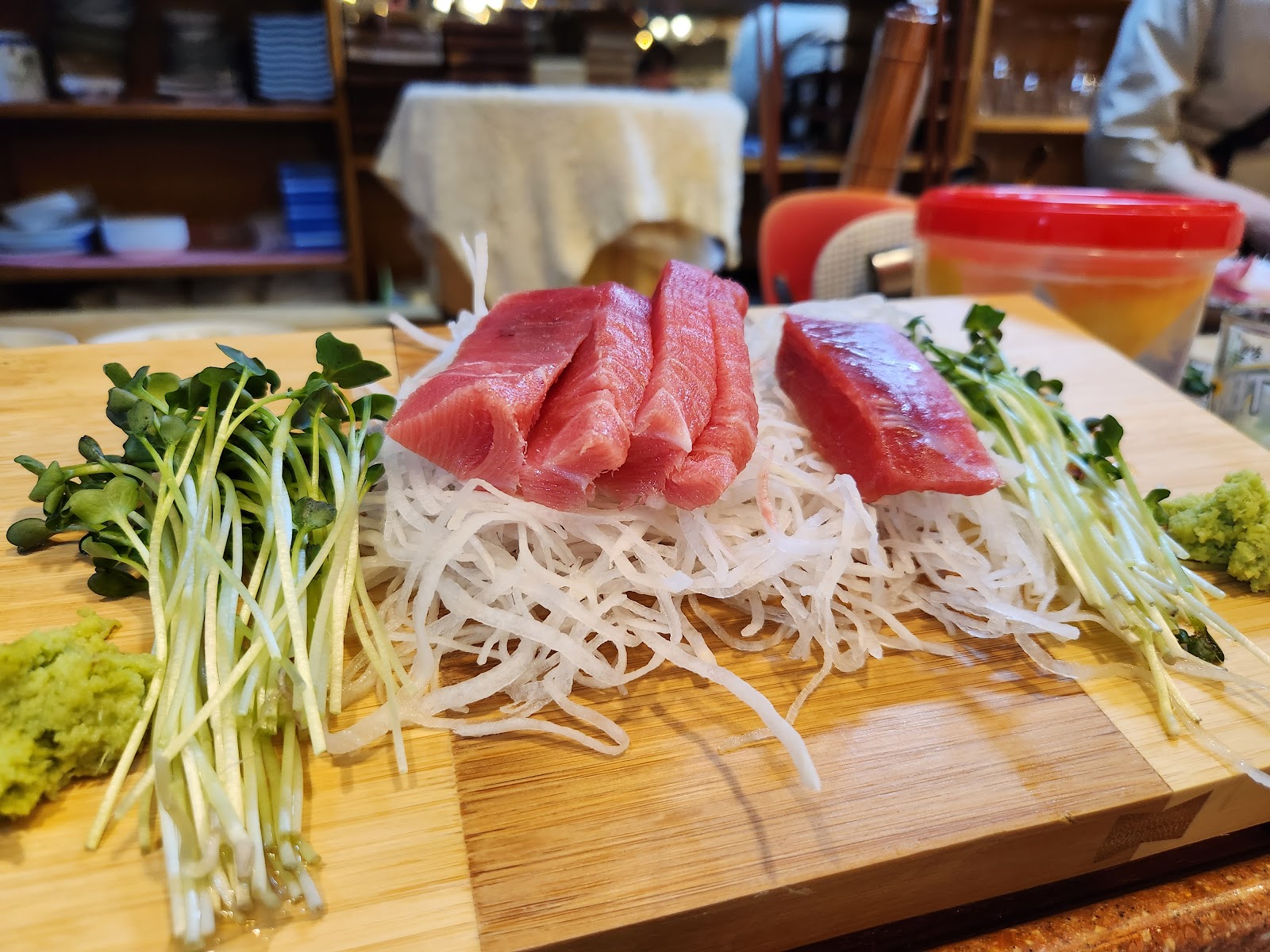
Jinuh Tuna Yeonnam is this neighborhood's hidden gem. A tiny shop with just 8 sushi counter seats. Specializes in bluefin tuna omakase. The owner personally explains and serves special cuts like belly, gill, and reproductive organs. Prices start at ₩35,000. Half the price of Gangnam sushi joints with better quality.
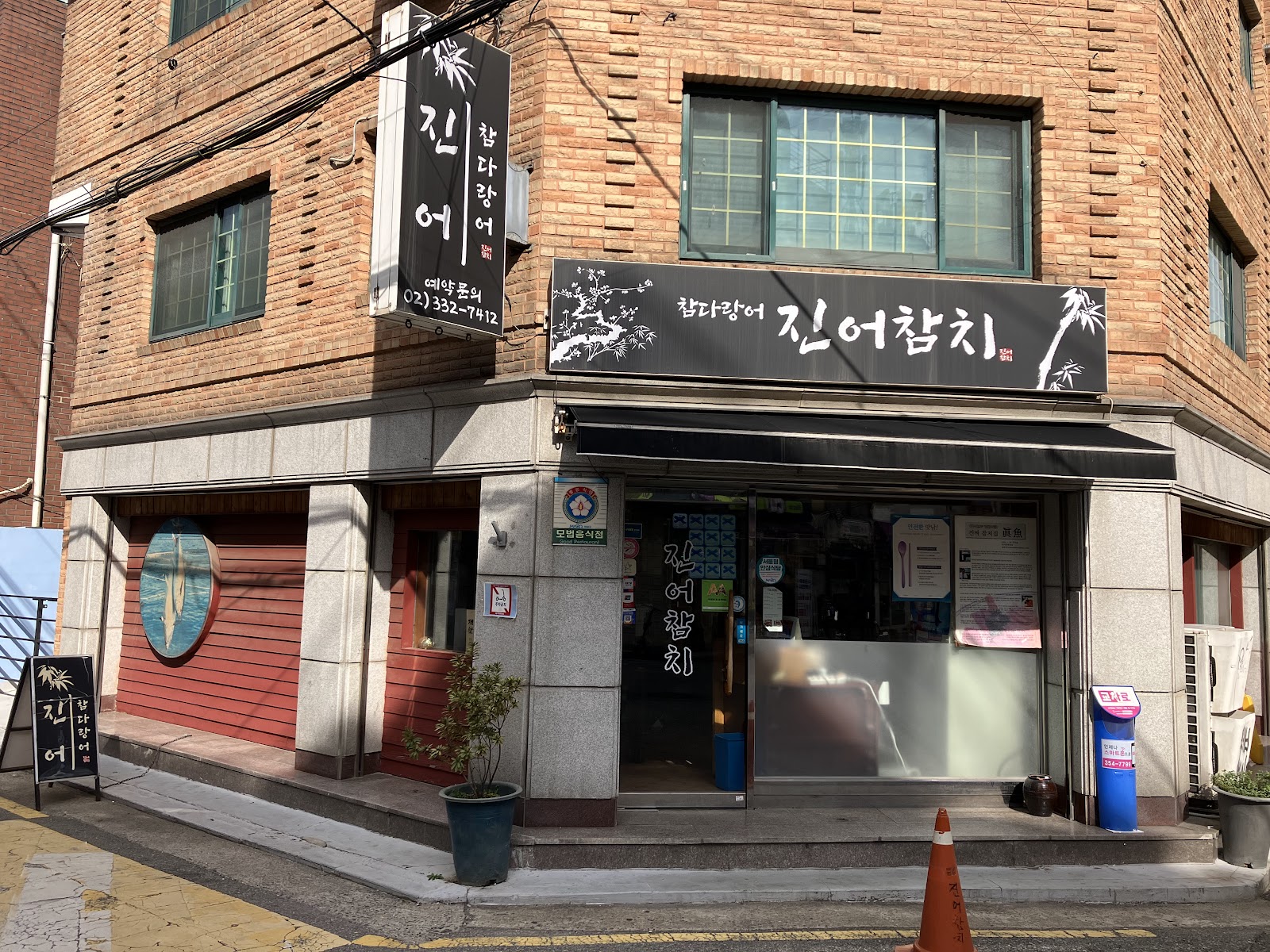
I usually book for 6:30 PM. Eat early then walk the forest path. Around 8 PM, lights illuminate the path. Couples stroll, friends sit on benches drinking beer, someone plays guitar.
Buy a beer from a convenience store (₩2,500) and sit on a bench. Wind blowing through trees. Distant Hongdae music. But here it's quiet. This is Yeonnam-dong's night.
What Makes Yeonnam-dong Special
Having explored every hip neighborhood in Seoul, let me tell you: Yeonnam-dong doesn't try.
Seongsu knows it's trendy. Ikseon emphasizes traditional beauty. Euljiro plays the newtro card. Yeonnam-dong? It's just a neighborhood. A quiet residential area with many cafes.
The people here are different too. Lots of families. Middle-aged couples on dates. Relatively fewer influencers (though they exist). Overhear conversations about kids' academies, next weekend plans. Not which cafe to hit next.
So Yeonnam-dong is comfortable. No need to perform. Just exist. Drink coffee, read books, watch people. A Seoul afternoon without pressure to make it Instagrammable.
But I don't know how long this will last. I've seen the pattern before — Seongsu 2015, Yeonnam 2017, Euljiro 2018. Independent cafes pioneer, crowds follow, rents rise, neighborhoods change. Yeonnam-dong's entering Phase 2 now. Visit before Phase 3 hits.
Getting There & Practical Tips
By Subway: Hongik University Station (Line 2, Airport Express, Gyeongui-Jungang Line) Exit 3. Direct connection to Gyeongui Line Forest Park. Or walk 10 minutes from Sinchon Station (Line 2) Exit 8.
By Bus: Routes 601, 602, 603, 604 stop near Yeonnam-dong.
Best Times to Visit:
- Spring (April-May): Cherry blossoms and fresh green on the forest path — highly recommended
- Autumn (September-November): Cool weather, perfect for outdoor terraces
- Weekday afternoons: Quiet cafes, plenty of seats
- Weekend post-lunch: Crowded but good neighborhood energy
Money-Saving Tips:
- Convenience store coffee (₩1,000-2,000) tastes great on a forest path bench too
- Lunch at local restaurants — many gimbap and snack bars (₩5,000-8,000)
- Visit cafes between 3-5 PM — less crowded than brunch time (10 AM-2 PM)
Times to Avoid:
- Weekend 10 AM-1 PM: Long brunch waits
- Public holidays afternoon: Hongdae visitors overflow here
Questions Visitors Often Ask Me
Q: What's the difference between Hongdae and Yeonnam-dong?
Hongdae is energy. Club music, street performances, shopping malls, tourists. Constant stimulation. Yeonnam-dong is the opposite. Quiet residential area with small cafes. Places to sit, read, and talk. Physically 10 minutes apart, atmospherically polar opposites.
Q: How long should I spend here?
2-3 hours is enough. Walk the forest path (30 minutes), visit two or three cafes (1 hour each), take photos. For a leisurely experience, spend the whole afternoon. Pass time in cafes, then have dinner and leave.
Q: Which is the prettiest cafe?
Personally, I recommend Layered Yeonnam. Vintage atmosphere, forest path view, appropriate size. But Yeonnam-dong's charm isn't finding "the prettiest place" — it's walking and entering wherever appeals to you. They're all pretty anyway.
Q: Is parking available?
Honestly, I don't recommend it. Hard to find parking, narrow alleys. Subway's much easier. If you must drive, park at Hongdae public parking (₩2,000/hour) and walk over.
Q: Is it good on rainy days?
Even better. Rainy day by a Yeonnam-dong cafe window. Reading or drinking coffee while listening to rain. Can't walk the forest path, but indoor cafe atmosphere gets better. Bring an umbrella.
Q: Is it okay to go alone?
Absolutely. I often go alone. Yeonnam-dong has many people reading or working on laptops solo. Nobody cares. Perfect neighborhood for quiet personal time.
Why I Love This Neighborhood
Six years ago when I first found Yeonnam-dong, it was "a quiet neighborhood next to Hongdae." Now it's become a destination itself. But it hasn't lost its essence.
Come to Yeonnam-dong and there's no rush. No checklist. No "must-visit here." Just walk along the forest path. Enter cafes you like. Sit by windows and watch people. Decide then whether to move to the next cafe or stay longer.
This is the leisure that's disappearing from Seoul. Yeonnam-dong still allows it.
Someday this will change too. More crowded, more commercialized, more expensive. But not yet. Right now, Yeonnam-dong still holds its quiet magic.
That's why I keep coming here. And I think you should too.