
Seoul's Neighborhood Transformations: A Wanderer's Guide to the City's Changing Face
Fall 2013. I sat outside an old shoe factory in Seongsu, sipping coffee from a transparent plastic cup. Scattered auto parts littered the empty lot. Neighborhood elderly stared at my Western-style cup with puzzled eyes.
"You sell coffee here?" a voice asked, devoid of laughter.
Ten years later, a sleek roastery cafe stands in that exact spot. On weekends, you'll wait 30 minutes to enter. Auto parts have been replaced by barista chatter; elderly chatter by the sound of selfies.
This is Seoul's version of change. Seoul never stays still. Yesterday's factory becomes today's gallery, yesterday's declining district spawns tomorrow's trends. As an explorer who's wandered Seoul's alleys for a decade, I've witnessed this city's metamorphosis up close.
From Factories to Cafes: Seongsu-dong's Metamorphosis
In the early 2010s, Seongsu was Seoul's "factory district." Shoe factories, printing presses, auto repair shops packed the streets. Weekdays bustled with workers; weekends emptied completely.
The shift began in 2015. Artists, drawn by cheap rents, started arriving one by one. They transformed old factories into galleries, warehouses into cafes. And then came the phrase: "Seongsu is Seoul's Brooklyn."
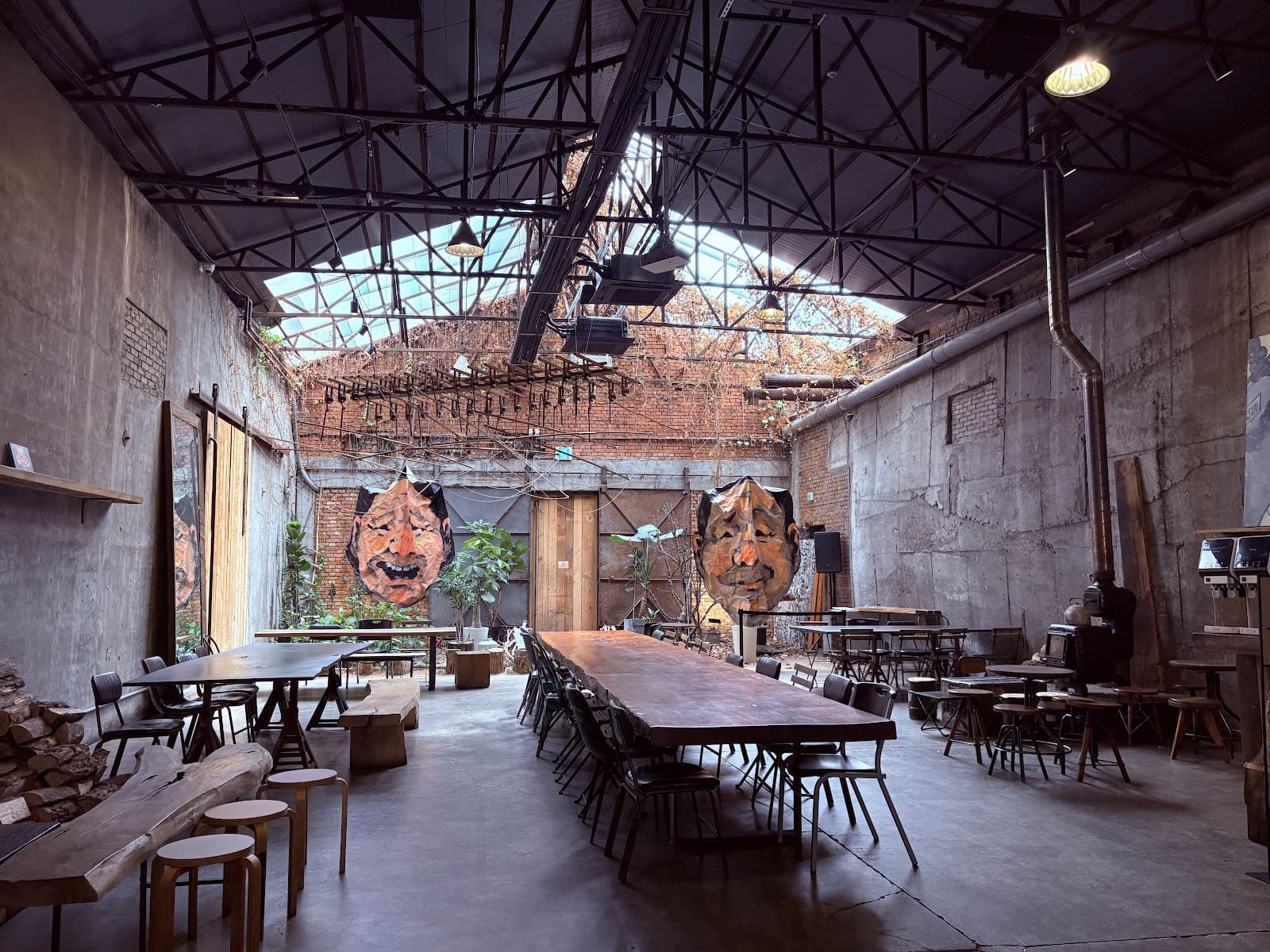
Daelim Warehouse symbolizes this transformation. Built in the 1970s, this worn-out warehouse is now Seoul's hottest exhibition space. Young people sip wine beneath art installations hanging from cloud-high ceilings. The contrast between rough warehouse walls and delicate wine glasses—this is contemporary Seoul's aesthetic.
Transformation evidence I've discovered:
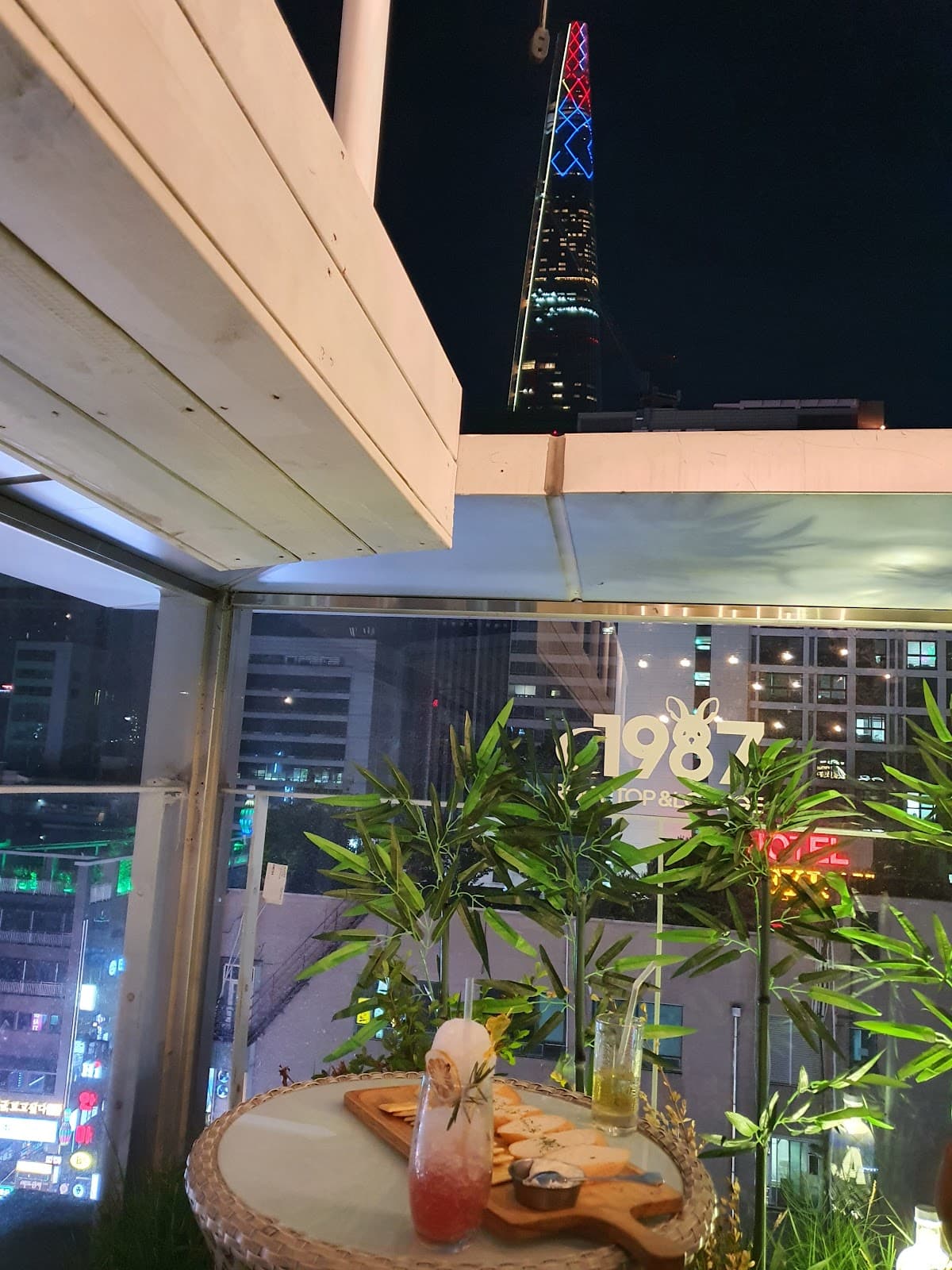
- Rooftop cafes built atop factory roofs
- Pipe lines preserving factory chimneys
- Designer chairs placed outside auto repair shops
- Bluetooth speakers on walls displaying workers' lunch menus from decades past
Seongsu's change isn't simple development. It's "remodeling" that doesn't erase the industrial era's traces but layers new culture upon them. That's why Seongsu remains compelling. Because the beautiful tension between old and new still breathes there.
Old Downtown's Revival: From Euljiro to Hipjiro
Euljiro was Seoul's heart in the 1970s. But decline set in during the 2000s. Old print shops, traditional pharmacies, and clothing stores closed. Young people left for Hongdae and Gangnam.
Then, in 2017, something miraculous happened. Young artists discovered Euljiro's old buildings and created the "newtro" (new + retro) concept. Old downtown's decline became a new trend.
Today, nicknamed "Hipjiro," Euljiro has become Seoul's most fascinating neighborhood. Old hanbang (traditional medicine) pharmacies transformed into "hanbang cafes," 1970s shoe repair shops became "Instagrammable photo zones."
Places to visit:
- Coffee Hanyakbang: A cafe preserving the old pharmacy's display shelves
- Euljiro Beer Alley: Once home to metal workshops, now a craft beer sanctuary
- Euljiro 3-ga Bookstore Street: Old bookstores reborn as art spaces
I first witnessed Euljiro's transformation in 2018. At Coffee Hanyakbang, sipping a dramatic espresso, a 70-something grandmother beside me spoke.
"This used to be our living room..."
The reality of hearing barista sounds where hanbang aromas once lingered. This is Seoul's magic.
Vanishing Acts: Seochon's Preservation and Change
Seochon tells a different story. This neighborhood proves preservation's value. In the early 2000s, Seochon was a neglected hanok village. Young people had left; only elderly remained, guarding a declining neighborhood.
The turning point came in 2008 with Boan1942's birth. Artists gathered to transform a 1942-built inn into a cultural space. Galleries began appearing in alleys once walked by poet Yun Dong-ju.
Today, Seochon is a "gallery village." Old hanoks became exhibition spaces; contemporary art flows through alleys. But this isn't reckless development. It's wise change that protects old values while welcoming new culture.
Places to feel Seochon's transformation:
- Boan1942: A 1942 inn converted into book cafe and gallery
- Tongin Market: The market's "Yeopjeon Dosirak Cafe" continuing since 1941
- Bukchon Hanok Village: The delicate balance between preservation and commerce
In Seochon, you can still feel old Seoul's breath. The three-way well in alleys, worn tile roofs, and elderly voices sharing neighborhood stories from 70 years ago.
University Ripple Effect: Hongdae and Yeonnam-dong's Expansion
Hongdae has always symbolized youth. But in the late 2010s, as Hongdae's popularity exploded, university culture began spilling into Yeonnam-dong.
Yeonnam-dong was originally a quiet residential area. But as Hongdae's prices soared, young shop owners turned their eyes to Yeonnam. They converted single-family homes into cafes and developed empty lots into Yeonnam Park.
The results were stunning. Yeonnam became "Hongdae 2.0," now one of Seoul's hottest neighborhoods. On weekends, young people nationwide flock here.
Points to see Yeonnam's transformation:
- Yeonnam Park: An urban oasis created by demolishing old homes
- Yeonnam-dong Cafe Street: Unique cafes converted from houses
- Wausan: Downtown hiking trails and artists' streets
Reading Change: Catching Signals in Alleys
After a decade walking Seoul's neighborhoods, I've learned to spot change signals.
First signal: Cafe clustering When three good cafes cluster in one area, change begins. Cafes are culture's vanguard. Artists arrive first, designers follow, then young people flood in.
Second signal: Gallery appearances When galleries start appearing in old buildings, the neighborhood is halfway successful. Galleries raise cultural value and attract young artists.
Third signal: Brand attention When domestic and international brands' pop-up stores appear, change reaches its final stage. By then, property prices have already soared, and gentrification's shadow looms.
Predicting the next changes:
- Mapo-gu: Adjacent to Hongdae, still affordable
- Jamsil: Potential as "Seoul's Brooklyn"
- Seongbuk-gu: Good balance of universities and residential areas
Practical Information: Enjoying Transforming Neighborhoods
Transportation:
- Seongsu-dong: Line 2 Seongsu Station, Ttukseom Resort Station
- Euljiro: Line 2 Euljiro 1-ga Station, Jongno 3-ga Station
- Seochon: Line 3 Gyeongbokgung Station, Anguk Station
- Yeonnam-dong: Line 2 Hongik University Station, Hapjeong Station
Tips for documenting change:
- Photograph the coexistence of old and new signs
- Listen to elderly stories. They're living neighborhood history
- Compare with photos from 3, 5 years ago
- Greet alley shop owners with a smile
Frequently Asked Questions
Q: Which neighborhoods are changing fastest? A: Currently Seongsu and Jamsil are fastest. Public development meets private capital.
Q: Is gentrification positive for Seoul? A: It's double-edged. It raises neighborhood value but displaces original residents. Balanced development matters.
Q: When is the best time to watch change? A: 2-3 years after change begins is most interesting. It's when old and new coexist.
Q: Any places to see before they disappear? A: Euljiro's old printing street, undeveloped hanoks in Seochon, Noryangjin's traditional market.
Closing: Living in a City of Change
Living in Seoul is like surfing on a flowing river. You can't resist the waves of change, but you can enjoy them.
Over a decade watching Seoul's transformation, I learned one truth: what matters more than change itself is protecting "people" within change. When developing old neighborhoods, remember residents' stories; when creating new culture, respect past traces.
Walking Seoul's alleys, you encounter spaces where yesterday, today, and tomorrow coexist. And you realize: Seoul's greatest charm is this endless change itself.
Walk Seoul's transforming neighborhoods. Create your own change stories. This city is always ready to write new chapters.