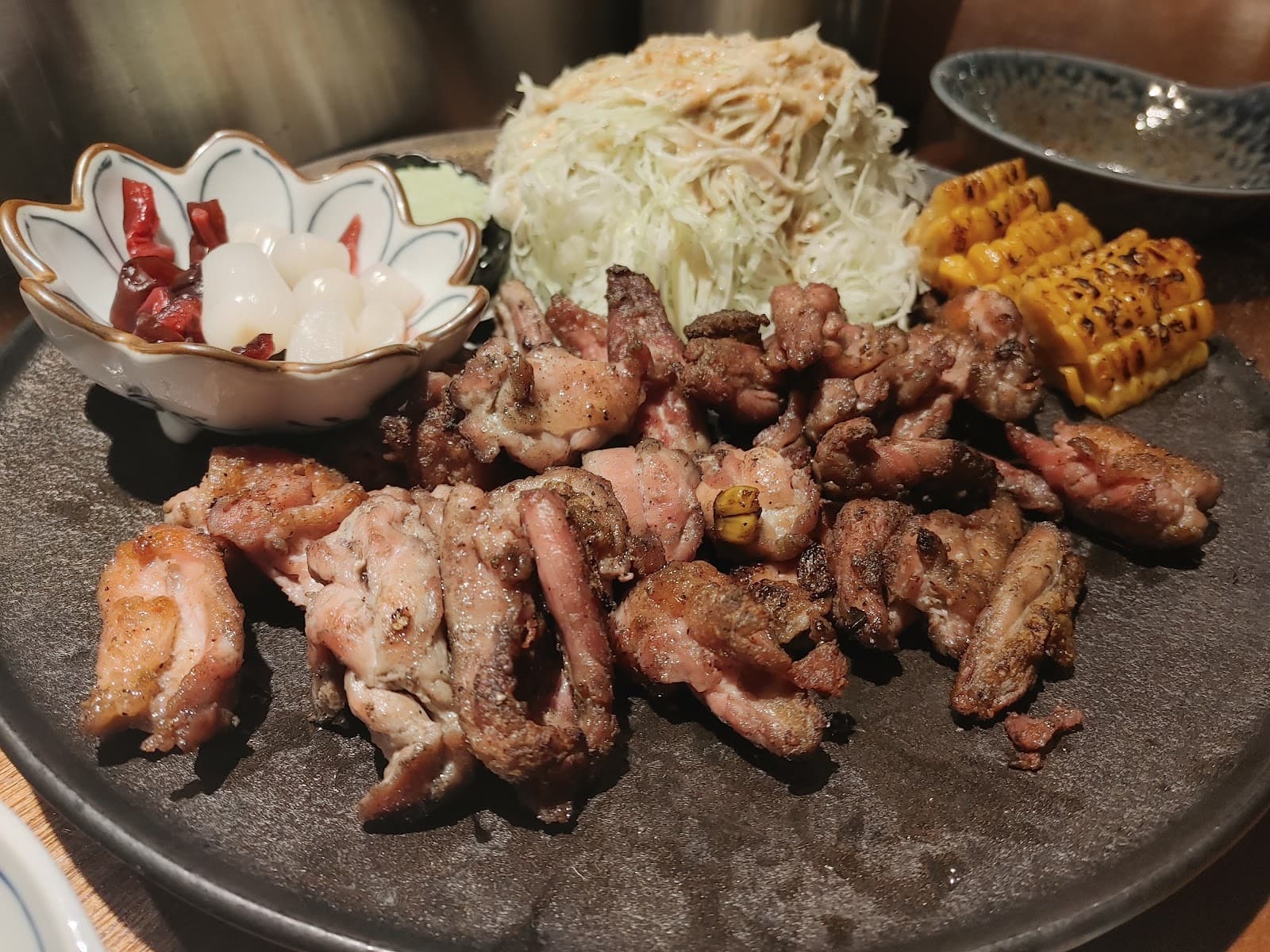
I still remember that first bite. The perfectly seared hanwoo beef—caramelized exterior giving way to medium-rare tenderness, juices bursting across my tongue. Atop sat a delicate foam of fermented doenjang, garnished with micro herbs. This wasn't just a meat dish. It was Korean cuisine's past and future on one plate.
Seoul's modern Korean dining scene is experiencing its most exciting moment. Chefs are preserving the essence of traditional Korean cooking while transforming it through contemporary techniques and plating. From 3-Michelin-star Mosu to bold experimental newcomers, Korean cuisine no longer seeks validation. It's offering its own interpretation of global excellence.
What Makes Modern Korean Cuisine Special?
Why is Seoul's modern Korean dining scene getting so much attention right now?
First, fermentation mastery. Traditional jang (fermented sauces)—doenjang, gochujang, ganjang—are being reinterpreted for modern palates. Eight-year-aged doenjang transformed into espuma, gochujang used as a glaze. The deep umami from fermentation is something no other cuisine can replicate.
Second, seasonality. Korea's four distinct seasons mean dramatically different ingredients. Spring brings namul (wild greens), summer offers samgyetang ingredients, autumn brings jeonuh (gizzard shad) and pine mushrooms, winter brings oysters and cod. Fine dining chefs showcase these seasonal ingredients at their peak.
Third, storytelling. This isn't just delicious food—it's recipes inspired by grandmother's cooking, or reviving disappearing traditional techniques. Each plate contains Korean history and culture.
8 Best Modern Korean Fine Dining Restaurants in Seoul
🌟 Mosu - The Pinnacle of 3 Michelin Stars
Located in Apgujeong, Mosu is Korea's first 3-Michelin-star restaurant. Chef Sung Anh's tasting menu elevates Korean traditions through modern techniques into edible art.
I was overwhelmed from the first course. A single oyster arrived, topped with yuzu foam and micro seaweed powder. One bite and the ocean's brine, yuzu's acidity, and seaweed's nuttiness harmonized perfectly.
The hanwoo course was particularly memorable. Beef aged for 720 hours, grilled over charcoal—crispy exterior, completely tender interior. Paired with sauce made from 8-year-aged doenjang, this combination was pure magic.
Mosu Tips:
- Price: Lunch course ₩150,000 / Dinner course ₩300,000+
- Reservations: Minimum 2 weeks ahead (peak season: 1 month)
- Dress code: Smart casual or above
- Recommended: Dinner course + wine pairing (₩180,000)
🥢 Mingles - Sophisticated Korean Reinterpretation
Mingles in Gangnam is Chef Kang Min Goo's 2-Michelin-star restaurant. True to its name, Korean and Western cuisines naturally mingle here.
My favorite dish is the eel. Freshwater eel grilled over charcoal, dusted with sancho (Korean pepper)—the nutty, tingling flavor is absolutely addictive. Paired with fermented radish, the richness completely disappears.
The seasonal tasting menu is highly recommended. I visited in spring and was served dishes made with shepherd's purse and wild chives. The elegant expression of spring greens' characteristic bitter-fresh taste was stunning.
Mingles Experience:
- Price: Lunch ₩88,000 / Dinner ₩220,000
- Reservations: 1-2 weeks recommended
- Features: Korean + Western technique fusion, exceptional seasonal menu
- Wine: Korean wine pairing option available (wines matched with Korean food)
🍽️ 7th Door - The Magic of Fermentation
7th Door in Cheongdam-dong is Chef Kim Dae-chun's 1-Michelin-star restaurant. Its strength lies in fermentation techniques.
The kimchi course truly impressed me. Not regular cabbage kimchi, but 5 different fermentation stages. From fresh geotjeori to 3-year-aged kimchi, you directly experience how taste transforms with fermentation.
The doenjang soup is unforgettable. Made with 24-month-aged doenjang, deep umami floods your mouth. Topped with grilled shiitake mushrooms and micro bok choy, the visual is perfect too.
7th Door Highlights:
- Price: Lunch ₩68,000 / Dinner ₩198,000
- Fermentation specialist: Modern use of jang, kimchi, jeotgal
- Atmosphere: Modern sophisticated interior, open kitchen
- Recommended: Fermented pairing menu (with fermented beverages)
🌱 Deepin - Western Cuisine Through a Korean Lens
Chef Yoon Namno's Deepin is unique. It reinterprets Western dishes like pasta and steak through Korean ingredients and flavors.
Myeongran cream pasta is the signature. The salty richness of myeongran (pollock roe) meeting cream sauce is absolutely fantastic. Topped with seaweed powder and sesame for Korean flavor.
The hanwoo steak is a completely different experience too. Instead of typical steak sauce, it's glazed with gochujang—the sweetness and spice perfectly balances hanwoo's fattiness.
Deepin Features:
- Price: Tasting course ₩120,000-180,000
- Style: Western cuisine + Korean ingredients/seasonings
- Popular: Myeongran pasta, gochujang steak
- Atmosphere: Casual fine dining, comfortable date spot
🔥 Soul Dining - The Essence of Korean Cuisine
This restaurant features an open kitchen where you can watch chefs cook. You can see firsthand how important "fire control" is in Korean cooking.
The charcoal-grilled galbi is exceptional. Hanwoo ribs aged for 360 hours, grilled over oak charcoal—smoke permeates the meat creating deep flavor. Caramelized sweet exterior, tender interior that melts in your mouth.
Don't miss the seasonal vegetable dishes. When I visited in spring, a namul course featured shepherd's purse, wild chives, and fatsia shoots—it was surprising how delicious vegetables could be with just soy sauce and sesame oil.
Soul Dining Guide:
- Price: Lunch ₩58,000 / Dinner ₩158,000
- Features: Open kitchen, charcoal cooking
- Seasonality: Menu completely changes with each season
- Reservations: Weekends require 1 week advance booking
🍶 La Yeon - Where Tradition Meets Contemporary
La Yeon on the 23rd floor of Shilla Hotel is a 3-Michelin-star Korean restaurant. A special space to enjoy premium Korean cuisine with panoramic Seoul views.
You're overwhelmed from the appetizers. Nine different traditional Korean starters beautifully arranged, each like a work of art. Cheongpo muk (mung bean jelly), abalone, pine nuts, jujubes, walnuts—a festival of traditional Korean ingredients.
The gujeolpan course particularly impressed me. A modern reinterpretation of traditional gujeolpan (nine-sectioned dish), where all nine ingredients change seasonally. Spring brings spring greens, autumn brings mushrooms and chestnuts.
La Yeon Information:
- Price: Lunch ₩110,000 / Dinner ₩260,000
- Location: Shilla Hotel 23rd floor (fantastic views)
- Features: Traditional Korean tasting menu, formal service
- Dress code: Business casual or above recommended
🌸 Byeokje Galbi Modern - Innovating Tradition
The 100-year-old Byeokje Galbi has been reborn in modern form. Traditional recipes are preserved while plating and service reach fine dining standards.
The galbi marinade is truly special. Ribs marinated for 24 hours in pear, onion, and soy sauce, grilled over charcoal releasing sweet caramel aromas. Crispy caramelized exterior, juicy interior.
The traditional banchan (side dishes) are top-tier too. Not basic restaurant sides—each banchan has a story. 100-year-old jang flavors, kimchi fermentation levels, seasonal namul—everything is part of the calculated course.
Byeokje Galbi Modern:
- Price: Galbi course ₩98,000
- Features: 100-year tradition + modern plating
- Recommended: Galbi course + traditional liquor pairing
- Atmosphere: Modern hanok interior, private rooms available
🍃 Solsongju - The Future of Hanjeongsik
Solsongju elevates traditional hanjeongsik (Korean full-course meal) to fine dining. Over 12 courses served sequentially, each with its own story.
What impressed me most was the reinterpreted mulhoe (cold raw fish soup). Traditional mulhoe is a refreshing soup dish, but here, flounder is thinly sliced and served with cold broth. Topped with micro perilla leaves and ultrafine ice—the visual is fantastic.
The ganjang gejang (soy sauce marinated crab) course can't be missed. Crab marinated in house-made 3-year-aged soy sauce—the deep soy flavor elevates the crab's sweetness.
Solsongju Experience:
- Price: Hanjeongsik course ₩180,000
- Composition: 12+ courses
- Seasonal menu: 2-3 dishes change monthly
- Reservations: 2 weeks recommended, private rooms popular
Complete Guide to Modern Korean Fine Dining
Reservation Tips
Most Michelin restaurants require reservations 2-4 weeks in advance. Weekend dinners especially book out 1 month ahead.
- Naver reservations: Most convenient if you read Korean
- Phone reservations: Many places have English-speaking staff
- Hotel concierge: Foreign visitors can get booking help through hotel concierge
- Cancellation policy: Usually 24-48 hours advance cancellation allowed, no-shows penalized
Dress Code
Fine dining dress code matters. Too casual may result in entry restrictions.
- Men: Long pants + shirt/knit (jacket recommended)
- Women: Dress/blouse + skirt/slacks
- Avoid: Shorts, flip-flops, sneakers, excessive casual wear
- Safe choice: Business casual
Dining Duration
Fine dining courses typically take 2-3 hours. Don't rush—slow enjoyment is key.
- Lunch: 12:00-14:00 (2 hours)
- Dinner: 18:00-21:00 (2.5-3 hours)
- Buffer time: Leave at least 30 minutes after meal
- Table time limits: Some restaurants have 2-hour limits
Wine Pairing
Wine pairing complements Korean fine dining beautifully. Korean wine pairing is a particularly unique experience.
- Price: Usually ₩80,000-180,000 (5-7 glasses)
- Korean wine: Wines from Gyeonggi and Chungbuk wineries
- Traditional liquor pairing: Makgeolli, cheongju, soju composition
- Non-alcoholic: Fermented tea, traditional tea pairing available
Seasonal Recommendations
Seasonality is crucial in Korean fine dining. Your experience will be completely different depending on when you visit.
Spring (March-May):
- Spring greens course: Shepherd's purse, wild chives, fatsia shoots, aster
- Nakji (baby octopus): Peak season March-May
- Cherry blossom dishes: Some restaurants offer cherry blossom desserts
Summer (June-August):
- Naengmyeon/mulhoe: Refreshing course dishes
- Samgyetang: Fine dining version of summer health food
- Summer vegetables: Cucumber, eggplant, squash blossom dishes
Autumn (September-November):
- Pine mushrooms: Premium ingredient September-October
- Jeonuh (gizzard shad): "Autumn jeonuh too good to share with daughter-in-law"
- Chestnuts/jujubes: Autumn fruit desserts
Winter (December-February):
- Oysters: Peak season November-February
- Daegu (cod): King of winter fish
- Winter root vegetables: Burdock, lotus root, deodeok
The Future Modern Korean Cuisine Shows
Seoul's modern Korean dining scene isn't just a trend. It's the moment Korean cuisine confidently voices its place in global gastronomy.
Ten years ago, Korean fine dining aimed to be "Korean-style French" or "Korean-style Italian." But now it's different. Chefs confidently showcase uniquely Korean fermentation techniques like doenjang, kimchi, and jangajji, and modernly reinterpret traditional cooking methods like charcoal grilling and stone pot rice.
3-Michelin-star Mosu, innovative fermentation-focused 7th Door, traditional yet evolving La Yeon—all these restaurants demonstrate one thing. Korean cuisine no longer imitates others. It creates world-class standards through its own identity.
Frequently Asked Questions (FAQ)
What's the price range for Seoul modern Korean fine dining?
Lunch courses typically cost ₩50,000-150,000, dinner courses ₩120,000-300,000+. 3-Michelin-star restaurants (Mosu, La Yeon) charge ₩260,000-300,000 for dinner, while 1-2 star or non-Michelin fine dining ranges ₩120,000-200,000. Add ₩80,000-180,000 for wine pairing.
How far in advance should I make reservations?
Michelin restaurants require reservations at least 2-4 weeks in advance. Especially for weekend dinners or special seasons (spring cherry blossoms, autumn pine mushrooms), bookings can fill 1-2 months ahead. Weekday lunches are relatively easier to book.
Are English menus available?
Most fine dining restaurants provide English menus. Michelin restaurants especially have English, Japanese, and Chinese menus prepared. Service staff can handle basic English communication, though Korean may be more precise for technical culinary terms.
Are dress codes strict?
Most places recommend smart casual or above. Avoid shorts, flip-flops, and sneakers. Men should wear long pants with shirt or knit (jacket recommended), women should wear dresses or blouses. Hotel restaurants like La Yeon expect slightly more formal attire.
Can vegetarians dine at these restaurants?
Most fine dining establishments can prepare vegetarian courses if notified during reservation. Korean cuisine's developed vegetable dishes—namul, tofu, mushrooms—make vegetarian menu composition possible. Clearly communicate "vegetarian" when booking.
Are children allowed?
Policies vary by restaurant, but most allow elementary school-age children and above. However, fine dining requires sitting quietly for 2-3 hours, which may be challenging for young children. Ask the restaurant in advance. Some only allow children in private rooms.
Can I bring my own wine?
Most fine dining establishments have corkage policies allowing wine BYO. Corkage fees typically run ₩30,000-50,000 per bottle. However, for first visits, I recommend the restaurant's wine pairing as it's perfectly matched to the food.
Should I choose lunch or dinner?
For value, I recommend lunch courses. Lunch costs half of dinner with similar food quality. However, there are fewer courses (5-7 vs 10-15) and some premium ingredients only appear at dinner. Choose dinner for a special experience, lunch for reasonable pricing.
What's the difference between modern Korean and traditional hanjeongsik?
Traditional hanjeongsik presents multiple banchan, soup, and rice all at once. Modern Korean fine dining serves courses sequentially, one at a time. Traditional recipes are preserved but plating and techniques are contemporary. For example, traditional doenjang jjigae reinterpreted as espuma style, or galbi cooked sous vide then finished over charcoal.
Which restaurant do you most recommend?
It depends on your purpose. For the ultimate experience, I recommend 3-Michelin-star Mosu. For value, Soul Dining or Deepin lunch courses are excellent. For traditional Korean with modern interpretation, choose La Yeon. Interested in fermentation? Go to 7th Door. Want a casual atmosphere? Deepin is best.
Are Michelin restaurants always the best?
Michelin stars guarantee quality but personal taste matters too. Many excellent modern Korean restaurants exist without Michelin stars. Sometimes non-Michelin restaurants conduct more free and creative experiments. Use Michelin as a reference, but choose based on your preferred style (traditional vs experimental, formal vs comfortable).
Should I tip?
Korea has no tipping culture. Even at fine dining restaurants. Service charges may be added separately (usually 10%), but additional tipping isn't necessary. Offering tips may actually cause embarrassment. If you received truly moving service, express it verbally with "thank you" (gamsahamnida)—that's Korean culture.
Is photography allowed?
Most restaurants allow food photography. However, avoid flash and shutter sounds as they disturb other guests. Some upscale restaurants restrict photography for other guests' privacy. When unsure, ask staff.
What if I have allergies or dietary restrictions?
Always inform during reservation. Communicate specifically: "peanut allergy," "shellfish allergy," "gluten-free," "lactose intolerant," and chefs will adjust menus. Preparing an allergy card written in Korean is also helpful.
Is dining alone okay?
Absolutely! Restaurants with open kitchens like Soul Dining or establishments with bar seating are great for solo diners. Fine dining is an experience focused on food, so dining alone isn't awkward at all. Solo dining is actually trending now.
How much do menus change seasonally?
Dramatically! Korean fine dining takes seasonality very seriously. Spring features spring greens, summer brings naengmyeon and mulhoe, autumn showcases pine mushrooms and jeonuh, winter highlights oysters and cod. Visiting the same restaurant in different seasons offers completely different tasting experiences.
Final Thoughts
I still can't forget the excitement of receiving that first plate. Each carefully placed ingredient, the chef's passion reflected in the plating, the complex flavors bursting with each bite. Modern Korean fine dining isn't just a meal to fill your stomach. It's a sensory journey where Korean cuisine's past and future meet.
Seoul's modern Korean dining scene is experiencing its most exciting moment. Chefs preserving tradition while constantly evolving, innovators introducing Korea's unique fermentation techniques to the world, artists capturing seasonal changes on a single plate. Experience the future of Korean cuisine they're creating.
This will be a meal your palate remembers, a dining experience you'll never forget.
Sources: