
First-Time Seoul Visitor Guide 2026: Everything You Need to Know Before You Go
First time visiting Seoul? Excited but maybe a little overwhelmed? I get it—Seoul's a massive, high-tech city with its own way of doing things. But here's the good news: Seoul's actually one of the easiest Asian cities for first-time visitors.
I've lived in Seoul my entire life, and I'm going to walk you through everything you need to know before your trip. From visa requirements to what to pack, how to get from the airport to your hotel, and those little things that catch first-timers off guard.
Let's get you prepared for an amazing Seoul adventure.
Quick Facts About Seoul
The basics you should know:
- Population: 9.7 million people (huge city!)
- Language: Korean (English widely spoken in tourist areas)
- Currency: Korean won (₩ / KRW)
- Time zone: KST (UTC+9), no daylight saving
- Electricity: 220V, Type C/F plugs (round two-pin)
- Safety: One of the safest cities in the world
- Tap water: Safe to drink, but most people drink bottled
Bottom line: Seoul's modern, safe, and set up for tourists. You'll be fine.
Do You Need a Visa?
Short answer: Probably not.
Tourists from 117 countries (including US, UK, Canada, Australia, EU) can visit Korea visa-free for 30-90 days.
Check here: Korea Visa Portal to confirm your nationality's requirements.
Visa-Free Entry Examples:
- United States: 90 days
- United Kingdom: 90 days
- Canada: 180 days
- Australia: 90 days
- EU countries: 90 days
- Japan: 90 days
- Singapore: 90 days
- Malaysia: 90 days
K-ETA Requirement: Starting 2023, visa-free visitors need K-ETA (Korea Electronic Travel Authorization).
- Apply online at K-ETA website
- Cost: ₩10,000 ($7 USD)
- Processing: 24-72 hours (apply at least 72 hours before travel)
- Valid: 2 years
Pro tip: Apply for K-ETA as soon as you book your flight. It's quick, but don't leave it to the last minute.
Best Time to Visit Seoul
Seoul has four distinct seasons, and each offers a completely different experience.
Spring (March-May)
- Best for: Cherry blossoms, mild weather
- Temperature: 10-20°C (50-68°F)
- Cherry blossoms: Late March to early April
- Crowds: High (peak season)
Spring is gorgeous but expect crowds at cherry blossom spots. Book accommodation early if visiting in April.
Summer (June-August)
- Best for: Festivals, outdoor activities
- Temperature: 25-35°C (77-95°F), very humid
- Rainy season: Late June to mid-July
- Crowds: Medium
Summer's hot and humid. Pack light clothes and prepare for sudden downpours. Hotel prices are lower than spring/fall.
Autumn (September-November)
- Best for: Fall foliage, comfortable weather
- Temperature: 15-25°C (59-77°F)
- Fall colors: Mid-October to early November
- Crowds: High (second peak after spring)
Autumn is my favorite season. Comfortable temperatures, clear skies, and stunning fall colors make it perfect for sightseeing.
Winter (December-February)
- Best for: Winter festivals, fewer crowds
- Temperature: -5 to 5°C (23-41°F), can go below -10°C
- Snow: Occasional, doesn't stick long
- Crowds: Low (except Christmas/New Year)
Winter's cold but manageable. Pack warm layers. Great for indoor attractions, winter markets, and fewer tourists.
My recommendation: Visit in May or October for the best weather and avoid peak cherry blossom crowds.
What to Pack
Here's what I recommend bringing to Seoul:
Essentials
- Passport (with at least 6 months validity)
- K-ETA approval printout (just in case)
- Travel insurance documents
- Credit/debit cards (Visa/Mastercard widely accepted)
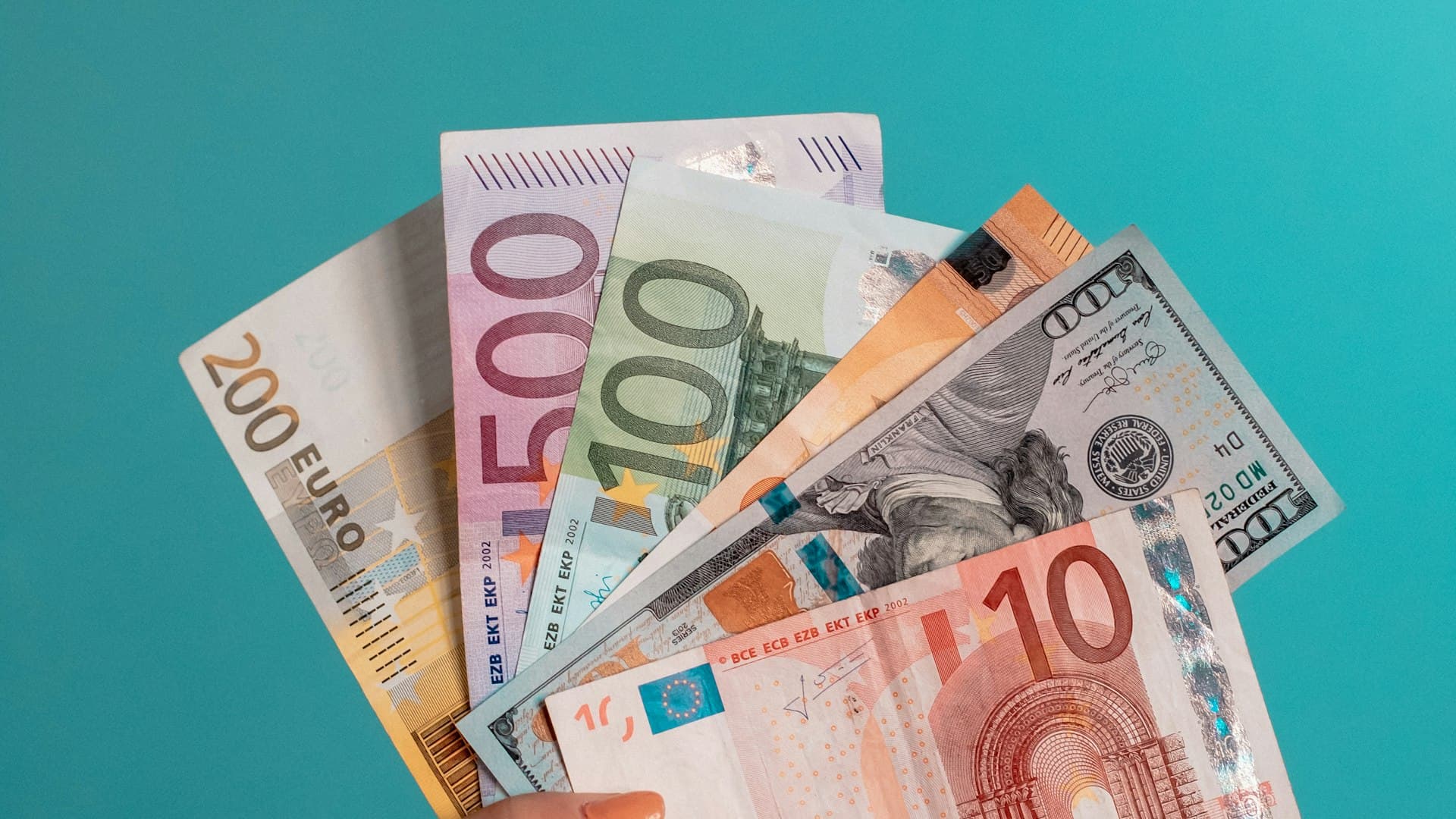
- Some cash (USD/EUR to exchange)
Clothing
- Comfortable walking shoes (you'll walk A LOT)
- Weather-appropriate clothes (check season above)
- Light jacket/sweater (air conditioning indoors can be cold)
- Umbrella or rain jacket (summer rainy season)
- Modest clothing for temple visits
Electronics
- Smartphone with international roaming or SIM card plan
- Power adapter (Type C/F, 220V)
- Portable battery pack (your phone will die from all the photos)
- Earphones
Useful Items
- Hand sanitizer and wet wipes
- Small towel (some restaurants don't provide paper towels)
- Reusable water bottle
- Small backpack for daily exploring
- Plastic bag for trash (public trash cans are rare!)
What NOT to pack:
- Winter coat if visiting summer (takes too much space)
- Excessive toiletries (convenience stores have everything)
- Hair dryer (hotels provide them)
Arriving at Incheon Airport (ICN)
Incheon International Airport is your likely entry point. It's consistently ranked among the world's best airports, so you're in good hands.
Immigration & Customs
- Follow signs to "Immigration" (passport control)
- Have passport and K-ETA ready
- Scan fingerprints and photo (first-time visitors)
- Proceed to baggage claim
- Exit through customs (green channel if nothing to declare)
Processing time: 30-60 minutes depending on crowd
Getting From Airport to Seoul
You have three main options:
1. AREX Airport Railroad (Recommended)
- Time: 43-60 minutes to Seoul Station
- Cost: ₩9,500 (all-stop train) or ₩14,800 (express train)
- Frequency: Every 5-10 minutes
- Hours: 5:30 AM - midnight
All-stop train: Stops at all stations, connects to subway lines Express train: Non-stop to Seoul Station in 43 minutes
Pro tip: Buy a T-money card at the airport convenience store before taking AREX. You'll use it for subways and buses later.
2. Airport Limousine Bus
- Time: 60-90 minutes (depends on traffic)
- Cost: ₩16,000-17,000
- Routes: Direct to major hotels and districts
- Pros: Door-to-door service, no transfers
Best if: You have lots of luggage or your hotel isn't near a subway station.
3. Taxi
- Time: 60-90 minutes (depends on traffic)
- Cost: ₩60,000-100,000 depending on destination
- Best for: Groups of 3-4 people, late-night arrivals
Heads up: Avoid unlicensed taxi touts. Use official taxi stands outside arrivals.
First Things to Do Upon Arrival
You've landed in Seoul. Here's your action plan for the first few hours.
Step 1: Connect to the Internet
Don't have a SIM card yet? Connect to "SEOUL_Secure" WiFi:
- ID:
seoul - Password:
seoul
Or get a SIM card at the airport (see our SIM Card Guide).
Step 2: Get a T-money Card
This is your transportation lifeline.
Where to buy:
- Airport convenience stores (CU, GS25, 7-Eleven)
- Subway station convenience stores
- Cost: ₩3,000-4,000 for the card + reload amount
Load ₩20,000-30,000 to start. That's enough for 3-4 days of getting around.
Step 3: Get Korean Won
Exchange money at:
- Airport (convenient but poor rates)
- Myeongdong currency exchange (best rates in Seoul)
- ATMs (Global ATMs accept foreign cards)
Pro tip: Don't exchange much at the airport. Just get ₩50,000-100,000 for immediate expenses. Get better rates in the city.
Step 4: Buy a Local SIM Card (Optional)
If you didn't get one beforehand:
- Airport B1 level: Multiple providers (KT, SKT, LG U+)
- Price: 5 days from ₩20,000
- Staff speaks English
Alternative: Use free WiFi and rely on offline maps. Seoul has 23,000+ free hotspots.
Step 5: Install Essential Apps
Download these before you leave the airport:
| App | Purpose | Essential? |
|---|---|---|
| Naver Map | Navigation (most accurate in Korea) | Yes |
| KakaoMap | Real-time transit | Very useful |
| Google Translate | Translation (Korean offline pack) | Yes |
| Papago | Better Korean translation | Very useful |
| KakaoTalk | Messaging (everyone uses it) | Useful |
Getting Around Seoul
Seoul has one of the world's best public transportation systems. You don't need a car.
Subway (Metro)
- Coverage: 23 lines, 500+ stations
- Hours: ~5:30 AM to midnight
- Cost: ₩1,550 base fare (up to 10km)
- Payment: Tap T-money card on entry and exit
Navigation apps: Naver Map or KakaoMap will give you exact routes and transfer directions.
Buses
- Colors matter: Blue (express), Green (local), Red (intercity), Yellow (circular)
- Cost: ₩1,200-1,500
- Payment: Tap T-money card on entry (front door) and exit (back door)
Pro tip: Buses are great for direct routes but confusing for beginners. Stick to subway until you're comfortable.
Taxis
- Base fare: ₩4,800 for first 2km
- App-based: KakaoTaxi (Uber-like service)
- Cash: Most taxis accept cards, but carry cash
Heads up: Taxi drivers may not speak English. Show your destination in Korean (Naver Map can help with this).
Walking
Seoul's a very walkable city once you're in a neighborhood. Expect to walk 15,000-20,000 steps per day.
Comfortable shoes are non-negotiable.
Money Matters
Seoul's becoming more cashless, but you still need cash.
Credit Cards
- Accepted: Most restaurants, hotels, department stores
- Not accepted: Street food, traditional markets, some small shops
- Best cards: Visa, Mastercard (American Express less common)
Cash
You still need Korean won for:
- Street food and markets
- Small local restaurants
- Temples
- Some taxis
- Old subway station lockers
How much cash?: ₩100,000-200,000 ($75-150) for a week-long trip is plenty for most visitors.
Tipping
Tipping is NOT customary in Korea.
- Restaurants: No tipping (service charge included)
- Taxis: Round up if you want (not expected)
- Hotels: No tipping required
Don't tip—it can be confusing or even refused.
Budget Per Day
Budget traveler: ₩60,000-80,000 ($45-60)
- Street food, public transport, free attractions
Mid-range: ₩100,000-150,000 ($75-115)
- Mix of restaurants and cafes, public transport, paid attractions
Comfortable: ₩200,000+ ($150+)
- Restaurants, taxis, shopping, tours
Where to Stay in Seoul
First-time visitors should stay in these areas:
Myeongdong
- Best for: First-timers, shoppers, food lovers
- Pros: Central, lots of food, subway access
- Cons: Crowded, touristy, can be noisy
- Subway: Myeongdong Station (Line 4)
Hongdae
- Best for: Nightlife, younger travelers, culture
- Pros: Hip neighborhood, great food, direct airport train
- Cons: Can be noisy at night
- Subway: Hongik University Station (Line 2, AREX)
Insadong/Jongno
- Best for: Culture, palaces, traditional atmosphere
- Pros: Walkable to major sights, authentic feel
- Cons: Quieter at night, hilly
- Subway: Anguk/Jongno 3-ga Station
Gangnam
- Best for: Shopping, modern Seoul experience
- Pros: Upscale area, great shopping, easy airport bus
- Cons: Far from palaces/historic sites
- Subway: Gangnam Station (Line 2)
My recommendation for first-timers: Myeongdong or Hongdae. Both are central, have lots of food options, and easy airport access.
Staying Connected
You need internet in Seoul. Here's how to get it:
Option 1: SIM Card
- Where: Airport, convenience stores
- Cost: 5 days from ₩20,000 ($15)
- Best for: Data-heavy users, solo travelers
Option 2: Free WiFi
- Network: "SEOUL_Public Wifi Free" or "SEOUL_Secure"
- Coverage: 23,000+ hotspots citywide
- Best for: Budget travelers, light users
Option 3: Pocket WiFi
- Where: Airport pickup, online rental
- Cost: ₩3,000-5,000/day ($2-3)
- Best for: Groups, families (3-5 devices)
My recommendation: Get a SIM card at the airport if you need constant navigation. Otherwise, free WiFi works fine in central Seoul.
Safety in Seoul
Great news: Seoul's incredibly safe.
Crime
- Violent crime: Extremely rare
- Pickpocketing: Rare but happens in tourist areas
- Scams: Occasional taxi overcharging
Common sense precautions:
- Watch belongings in crowded areas (Myeongdong, markets)
- Use metered taxis (avoid unmarked cars)
- Don't leave phones/bags unattended
Women Traveling Solo
Seoul's safe for solo female travelers.
- Walking alone at night: Generally safe
- Accommodation: Women-only guesthouses available
- Transportation: Safe at all hours
Exercise normal caution, but Seoul's way safer than most Western cities.
Emergency Numbers
Save these in your phone:
- 119: Fire/ambulance (English interpretation available)
- 112: Police
- 1330: Korea Travel Hotline (24/7, English/Chinese/Japanese)
1330 is your best friend—they can help with almost any tourist issue.
Common Mistakes to Avoid
Here's what catches first-timers off guard:
1. Not Tapping Out
ALWAYS tap your T-money card when exiting subway/bus. If you forget, you'll be charged the maximum fare next time.
2. Wrong Subway Etiquette
- DO: Let people exit before boarding
- DO: Give up your seat to elderly/pregnant passengers
- DON'T: Talk loudly on your phone
- DON'T: Eat or drink on the subway
3. Assuming English Is Everywhere
Tourist areas? English is fine. Local neighborhoods? Not so much.
Download translation apps and carry your hotel's business card with address in Korean.
4. Underestimating Walking
You'll walk 15,000+ steps daily. Bring comfortable shoes and be prepared for sore legs the first few days.
5. Not Having Cash
Credit cards work 90% of the time. But that street food stall or traditional market vendor? Cash only.
6. Tipping
Don't tip. It's not expected and can be awkward.
7. Ignoring Weather
Summer's hot and humid. Winter's cold.
Check the forecast and pack appropriately. Nothing ruins a trip faster than being freezing or sweating through your clothes.
8. Overplanning
Seoul's huge. You won't see everything.
Pick 2-3 areas or attractions per day maximum. Leave time for wandering and discovering things spontaneously.
Your First 24 Hours in Seoul
Here's a suggested first-day itinerary:
Morning/Afternoon (Arrival Day)
- Arrive at Incheon Airport
- Clear immigration (30-60 minutes)
- Buy T-money card and SIM card
- Take AREX to Seoul Station (43 minutes)
- Transfer to subway or taxi to hotel
Evening
- Check into hotel and rest
- Walk around neighborhood to get oriented
- Grab dinner nearby (see food section below)
- Stock up on water/snacks at convenience store
Pro tip: Don't plan major sights for arrival day. Jet lag is real, and you'll want time to settle in.
Food for First-Timers
Korean food's amazing, but it can be intimidating if you've never tried it.
Easy First Korean Foods
Try these first:
- Bibimbap: Mixed rice with vegetables (non-spicy available)
- Bulgogi: Marinated beef barbecue (mild, sweet)
- Tteokbokki: Spicy rice cakes (can be mild)
- Kimchi-jjigae: Kimchi stew (ask for mild)
Must-Try Street Foods
- Gimbap: Seaweed rice rolls
- Tteokbokki: Spicy rice cakes
- Hottaeok: Sweet pancakes
- Gyeranppang: Egg bread
Dining Tips
- Water: Usually free (self-serve)
- Call button: Press to summon server
- Paying: Pay at the counter, not table
- Shoes: Some restaurants require removal
Dietary restrictions: Korean food uses lots of seafood, soy, and sesame. Vegetarians and vegans need to be careful but it's doable.
Cultural Quick Tips
A few things to know about Korean culture:
Greetings
- Bow slightly: When meeting someone or thanking them
- Two hands: Receive/give with two hands (or hand on wrist)
- No tipping: Already mentioned, but worth repeating
Shoes
- Remove shoes: Homes, temples, some restaurants
- Look for: Shoe shelves or slippers at entrance
Public Behavior
- Keep voice down: On public transport, in restaurants
- No eating while walking: Considered impolite
- Queue properly: Line up for buses, trains, restrooms
Photography
- Ask first: Before photographing people
- No flash: In temples, museums, performances
- Respect: Don't photograph military or government buildings
Quick Checklist Before You Go
Make sure you've got these covered:
Documents
- Passport (6+ months validity)
- K-ETA approval (apply 72+ hours before)
- Travel insurance
- Flight tickets
- Hotel confirmations (printed or saved offline)
Electronics
- Phone with international roaming/SIM plan
- Power adapter (Type C/F)
- Portable battery pack
- Essential apps installed
Money
- Credit/debit cards (notify bank of travel)
- Some USD/EUR for exchange
- Budget planned
Packing
- Comfortable walking shoes
- Weather-appropriate clothing
- Any medications
- Small backpack for daily use
Planning
- First few nights accommodation booked
- Rough idea of first-day activities
- Airport to hotel route planned
- Emergency numbers saved
You're Ready for Seoul!
Seoul's an incredible city that blends ancient traditions with cutting-edge modernity. You're going to have an amazing time.
Key takeaways:
- Get K-ETA approval before you fly
- Buy a T-money card at the airport
- Install Naver Map and KakaoMap
- Bring comfortable shoes
- Don't overplan your first few days
- Don't tip
- Tap your T-money card when exiting subway/bus
- Carry some cash for street food and markets
- Save 1330 (Korea Travel Hotline) in your phone
Most importantly: Be open to new experiences. Seoul has a way of surprising and delighting visitors who embrace its energy and contradictions.
Have an amazing trip! And if you need more specific guides—transportation, money, SIM cards, safety—I've got you covered with detailed articles on each topic.
Frequently Asked Questions
Q: Do I need to learn Korean? A: No. English works fine in tourist areas, restaurants, and hotels. Learning a few basics (hello, thank you) is appreciated but not required.
Q: Is Seoul expensive? A: Mid-range compared to other major cities. Budget travelers can manage on ₩60,000-80,000/day. Comfortable travel runs ₩150,000-200,000/day.
Q: Can I drink tap water? A: Technically yes, but most locals and visitors drink bottled or filtered water. It's safe but the taste varies.
Q: Is Seoul safe for solo travelers? A: Very safe. Solo female travelers rarely report issues. Exercise normal caution but don't worry excessively.
Q: What's the time difference? A: KST is UTC+9. That's 14 hours ahead of US East Coast, 9 hours ahead of UK (no daylight saving adjustment).
Q: Can I use my phone? A: Check with your carrier about international roaming. Or get a Korean SIM card at the airport from ₩20,000 for 5 days.
Q: When should I book accommodation? A: At least 1-2 months ahead for cherry blossom season (April) and fall foliage (October). Other times, 2-4 weeks is fine.
Q: What if I get lost? A: Call 1330 (Korea Travel Hotline)—24/7 assistance in multiple languages. Or show your destination in Korean to a younger person (they'll likely speak some English).
Q: Can I use credit cards everywhere? A: Almost everywhere except street food, traditional markets, and some small shops. Carry some cash.
Q: Is there anything I shouldn't do? A: Don't tip, don't blow your nose in public (use a tissue), don't write names in red (symbolizes death), and don't stick chopsticks upright in rice (funeral ritual).
Sources & Further Reading: