
8 Best Museums in Seoul: Free Admission & World-Class Collections
Seoul's museum landscape transformed dramatically over the past two decades. Since the National Museum of Korea opened its Yongsan campus in 2005, the city positioned itself as a cultural hub where ancient heritage meets contemporary art. Here's what stands out: most national museums are free. You won't find this level of cultural access in many world capitals.
As a curator, I've selected eight spaces based on their unique narratives and visual language. Each offers a distinct perspective on Korean culture, history, and art.
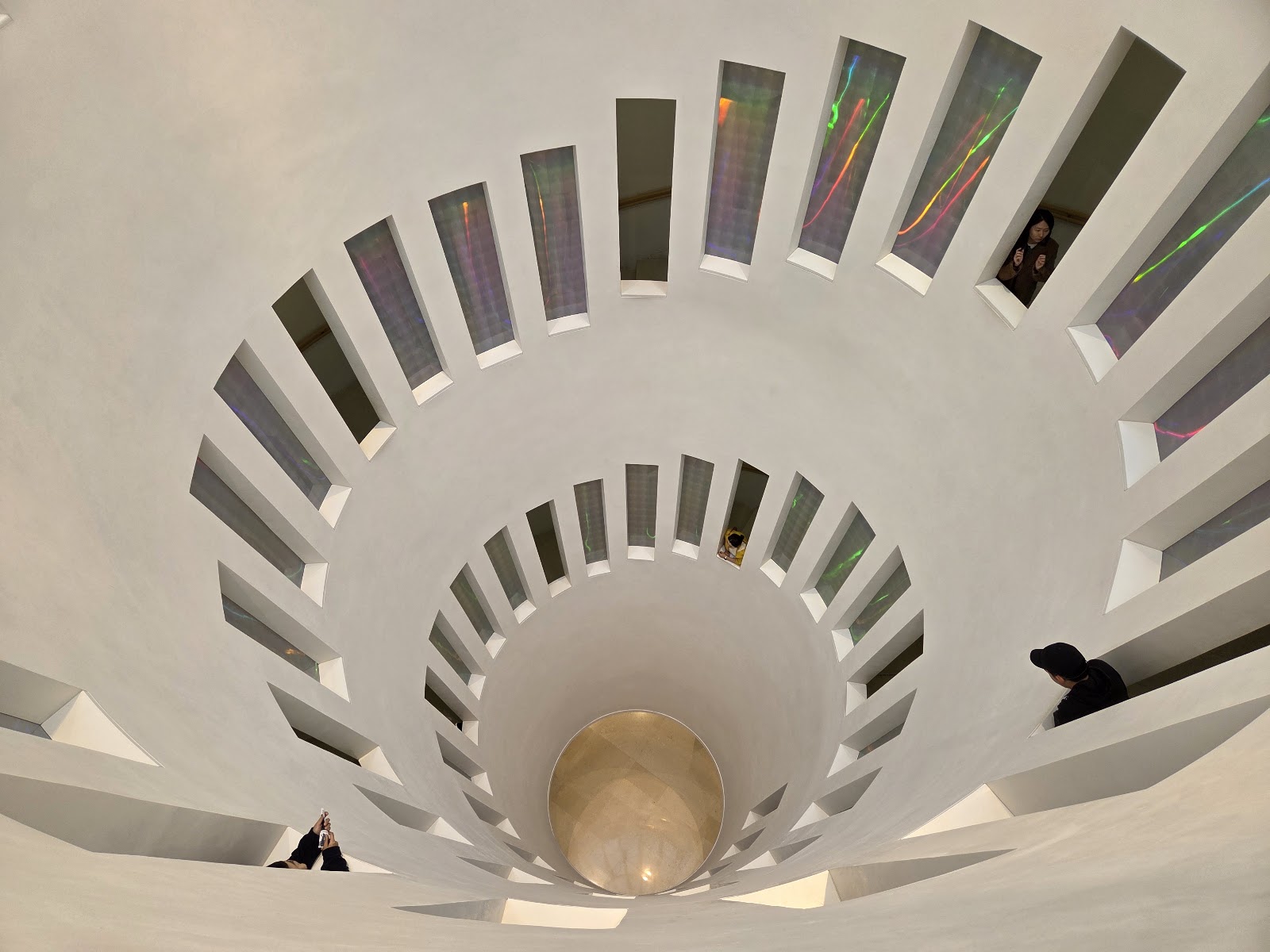
National Museums: Free Access to Korean Heritage
1. National Museum of Korea - Asia's Largest Cultural Archive
137 Seobinggo-ro, Yongsan-gu
Over 400,000 artifacts. The chronological flow from prehistoric times through late Joseon Dynasty is masterfully orchestrated. What really works here is the scale. Natural light flooding the central lobby, gardens connecting interior and exterior spaces—the architecture holds its own.
Must-See Galleries:
- Calligraphy and Painting: Late Joseon literati paintings
- Metalcraft: Goryeo celadon and white porcelain refined forms
- Asian Art: Comparative perspective with Chinese, Japanese, and Southeast Asian cultures
Visit Smart: Wednesday and Saturday extend hours until 9 PM. Evening visits let you roam without crowds.
- Admission: Free (special exhibitions may charge)
- Closed: Mondays, January 1, Lunar New Year, Chuseok
- Duration: 3-4 hours (full permanent collection)
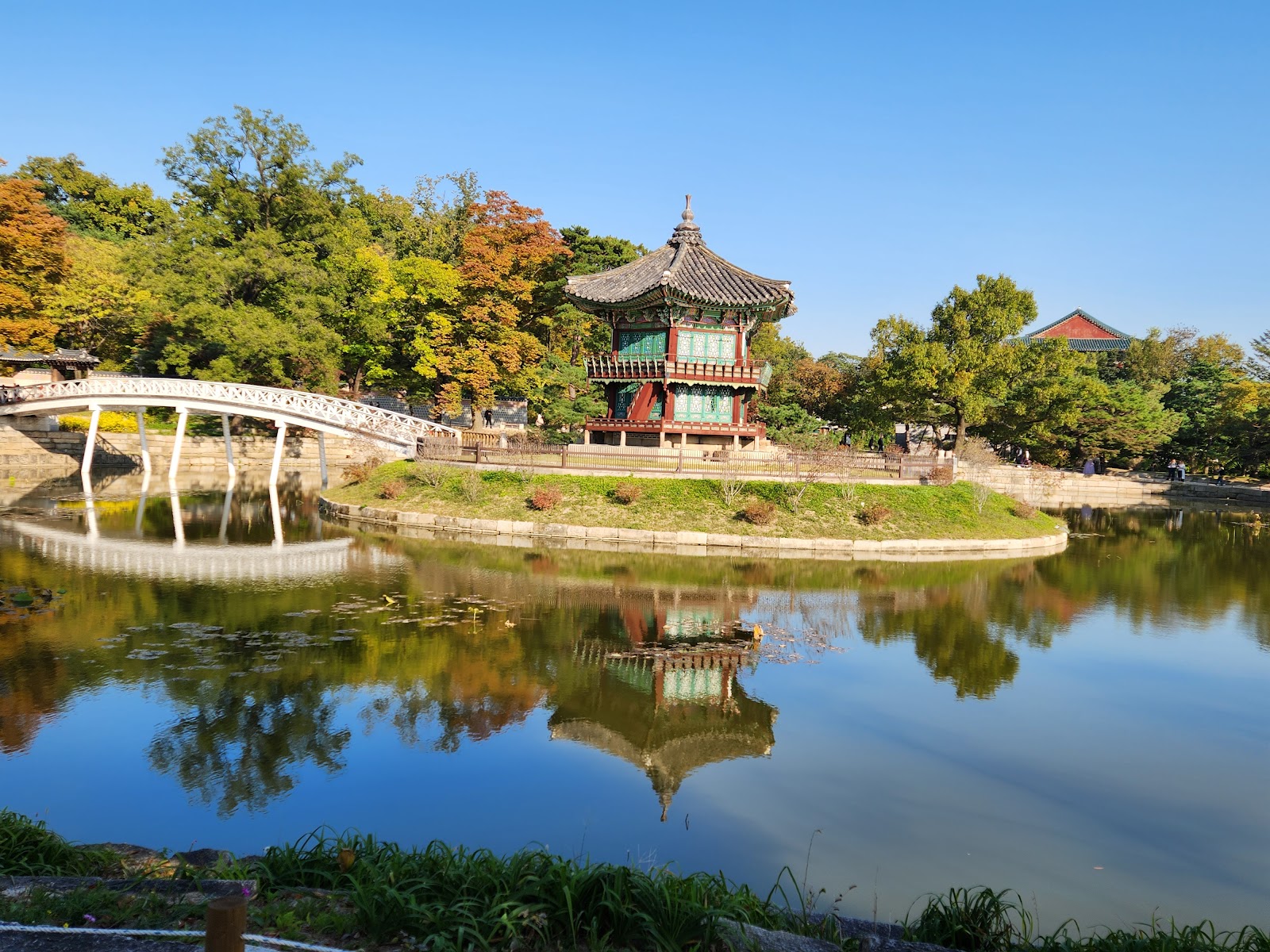
2. National Palace Museum of Korea - Material Culture of the Royal Court
12 Hyoja-ro, Jongno-gu (next to Gyeongbokgung main gate)
Real objects the Joseon royal family actually used. Uigwe (royal protocols), court garments, royal seals, palace paintings—this place unpacks the material culture of the Joseon Dynasty down to the smallest detail.
Strength here is context. It's not just displaying a king's dragon robe. You learn which rituals required that specific garment, what symbolism it carried. Visit before or after Gyeongbokgung Palace to understand the architectural meanings more clearly.
Highlight Exhibitions:
- Royal Birth and Education: Crown prince investiture ceremony recreation
- Court Paintings: 19th-century palace documentary art
- Science and Culture: Joseon-era astronomical instruments
Visit Smart: Combined Gyeongbokgung ticket works same day. Go museum first, then palace.
- Admission: Free
- Closed: Mondays, January 1
- Duration: 1.5-2 hours
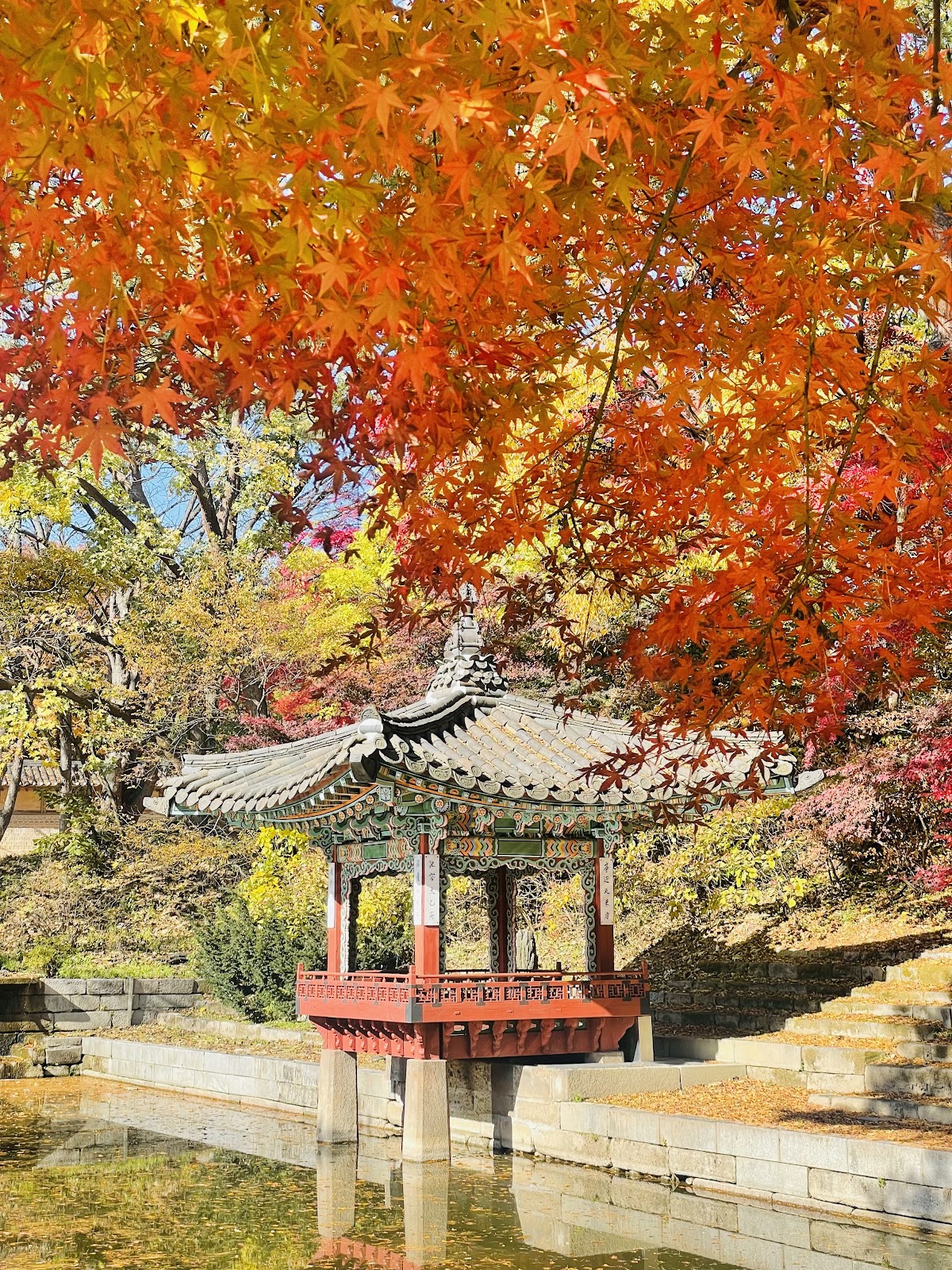
3. National Hangeul Museum - Typography as Art
139 Seobinggo-ro, Yongsan-gu (next to National Museum)
Opened 2014. Charts Hangeul from its scientific creation principles through modern typography. Even non-linguists and non-designers get drawn into the script's visual beauty.
Interactive exhibits work really well. Kids enjoy the hands-on Hangeul letter combinations and movable type simulations—they're intuitive and engaging.
Recommended Sections:
- Hangeul Design Archive: 1950s-80s posters and signage
- Hunminjeongeum original digital restoration video
- Special exhibitions: Hangeul meets contemporary graphic design
Visit Smart: Five-minute walk from National Museum. Do both on same visit.
- Admission: Free
- Closed: Mondays, January 1
- Duration: 1-1.5 hours
Specialized Museums: Deep Dives into Specific Themes
4. War Memorial of Korea - Weight of 20th Century History
29 Itaewon-ro, Yongsan-gu (Samgakji Station Exit 12)
Focuses on Korean War while covering broader Korean military history. Six indoor galleries plus outdoor exhibition grounds (tanks, fighter jets, naval vessels).
Politics aside, the war documentation here hits hard. The Korean War galleries especially—survivor testimonies, personal belongings, photo archives—make historical facts visceral.
Notable Exhibitions:
- Hall of Remembrance: War casualties memorial space
- Korean War Room: Chronological narrative from outbreak to armistice
- Outdoor Display: Full-scale weapons systems (kids love it)
Visit Smart: Too big to see everything in one go. Takes 3+ hours for full tour. Pick sections matching your interests.
- Admission: Free
- Closed: Mondays, January 1
- Duration: 2-3 hours
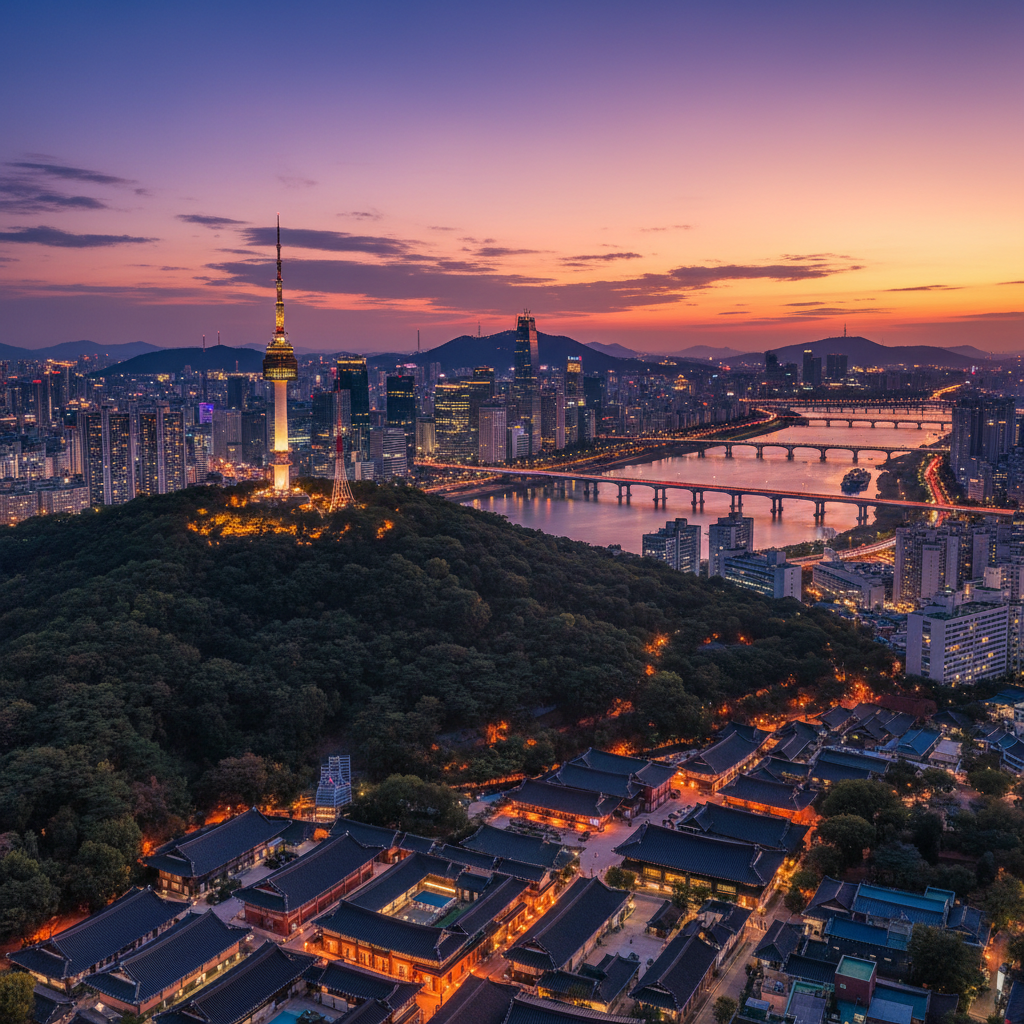
5. Seoul Museum of History - The City's Memory Archive
55 Saemunan-ro, Jongno-gu (near Gwanghwamun)
Traces how Seoul formed and transformed as a city. Covers Joseon-era Hanyang through today, examining urban planning and daily life evolution.
I'm partial to the 3F Donated Artifacts Room. Everyday objects Seoul residents donated—1970s dabang (café) signs, 1980s school desks, 1990s pagers—reconstruct the city's collective memory. Triggers nostalgia while maintaining social history perspective.
Recommended Galleries:
- Joseon-era Seoul: Hanyang city walls and palace models
- Enlightenment Era Seoul: Tram system, modern architecture photos
- Donated Artifacts: 20th-century Seoul daily life
Visit Smart: Rooftop garden overlooks Gyeonghuigung and Deoksugung. Walk there after exhibitions.
- Admission: Free
- Closed: Mondays, January 1
- Duration: 1.5-2 hours
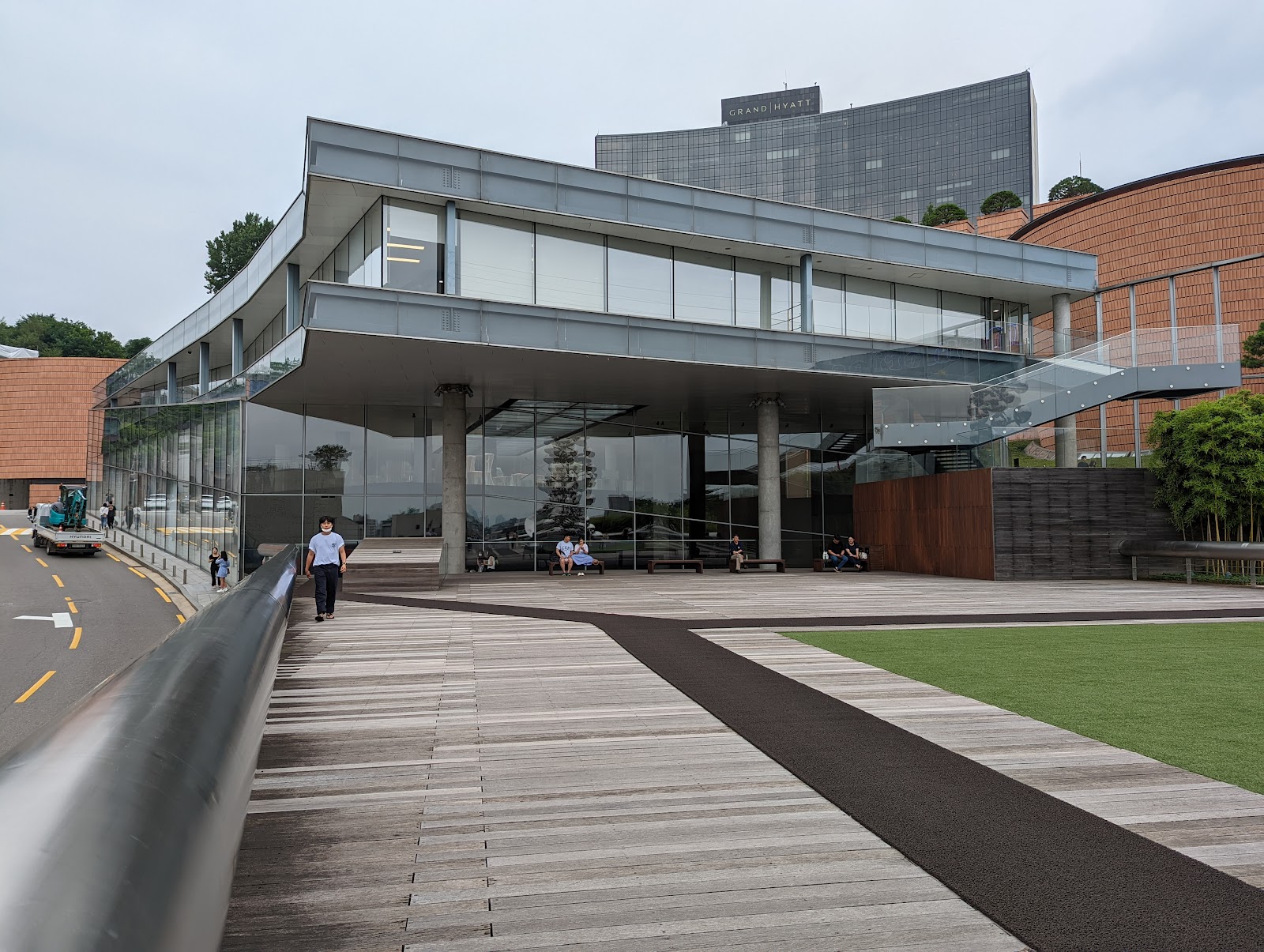
6. Leeum Museum of Art - Samsung Collection Power
60-16 Itaewon-ro 55-gil, Yongsan-gu
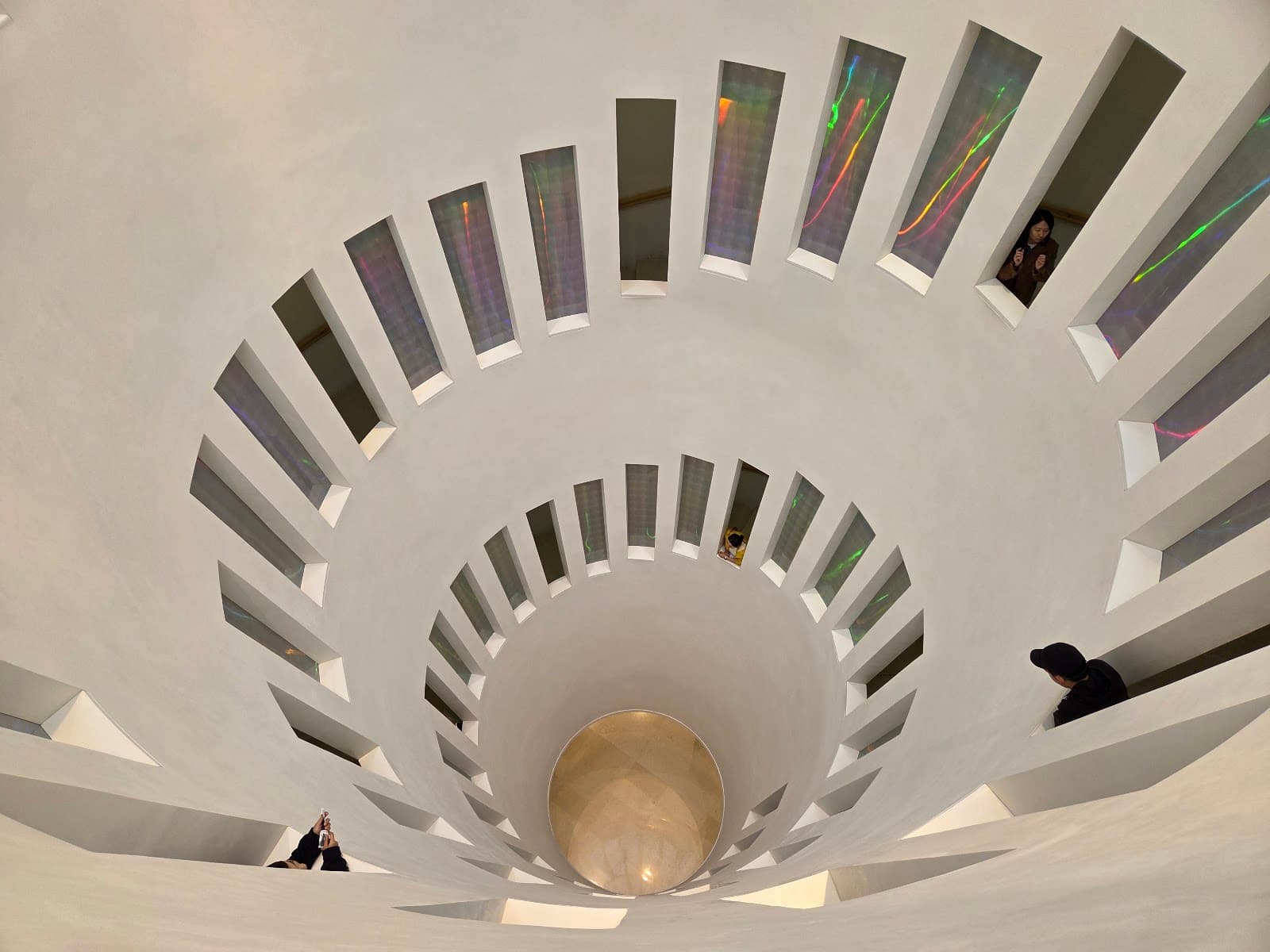
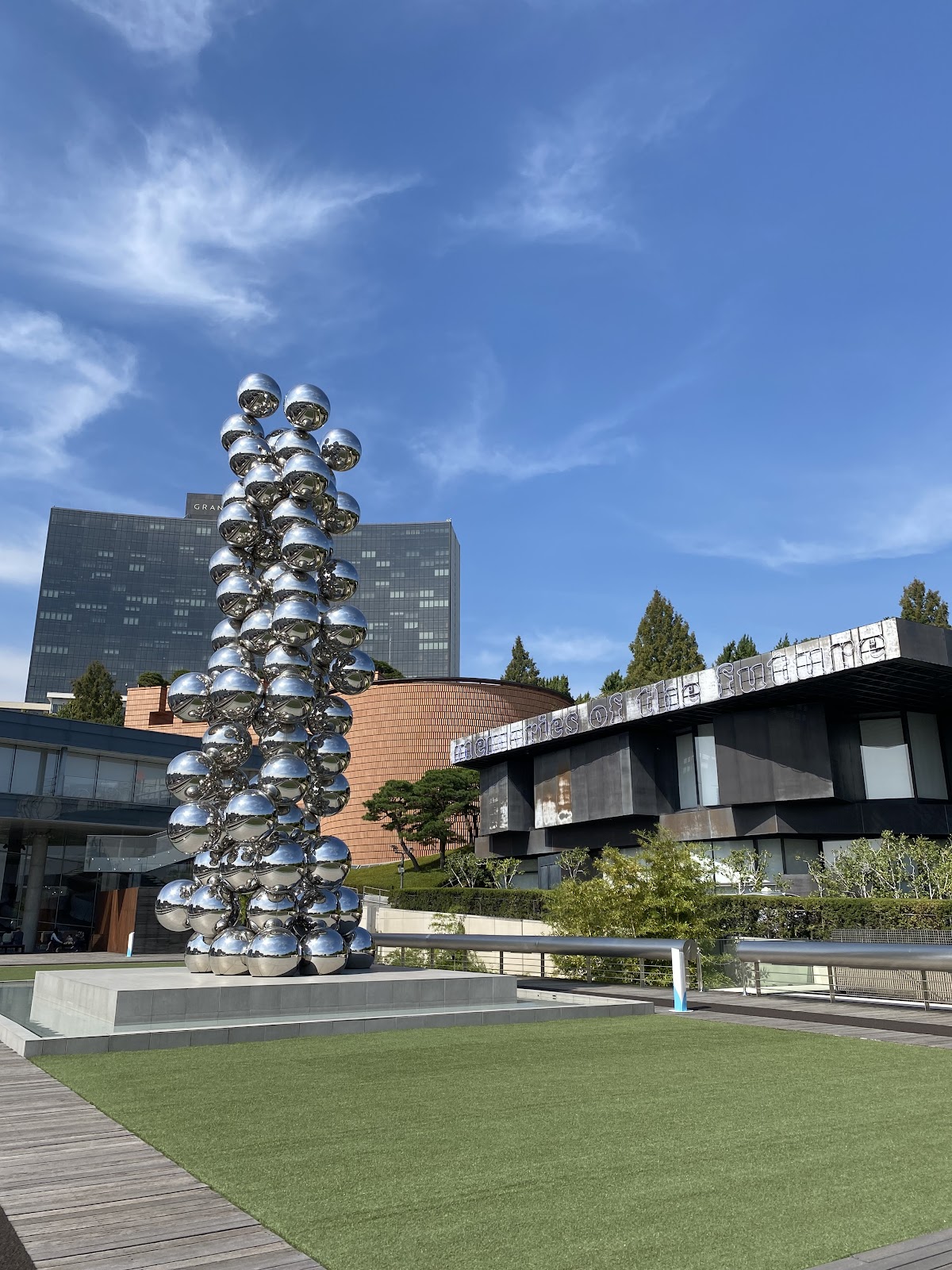
Korea's top private museum. Built on Samsung family collections, split between traditional art (Museum 1) and contemporary art (Museum 2). Architecture's special too. Three architects—Mario Botta, Jean Nouvel, Rem Koolhaas—each designed separate buildings.
Museum 1's Goryeo celadon and white porcelain collection ranks world-class. Museum 2's contemporary holdings (Mark Rothko, Andy Warhol, Damien Hirst) run deep. Only catch: this one charges admission.
Collection Highlights:
- Goryeo celadon bisaek bowls (national treasure level)
- White porcelain moon jar collection
- Contemporary: Dansaekhwa painters (Kim Whanki, Park Seo-Bo, Yun Hyong-Keun)
Visit Smart: Online reservation required. Weekend mornings less crowded.
- Admission: Adults 20,000 won / Students 15,000 won
- Closed: Mondays
- Duration: 2-2.5 hours
Contemporary Perspectives: Modern Cultural Reinterpretation
7. National Museum of Modern and Contemporary Art, Seoul - Pulse of Today's Art
30 Samcheong-ro, Jongno-gu (near Gyeongbokgung Station)
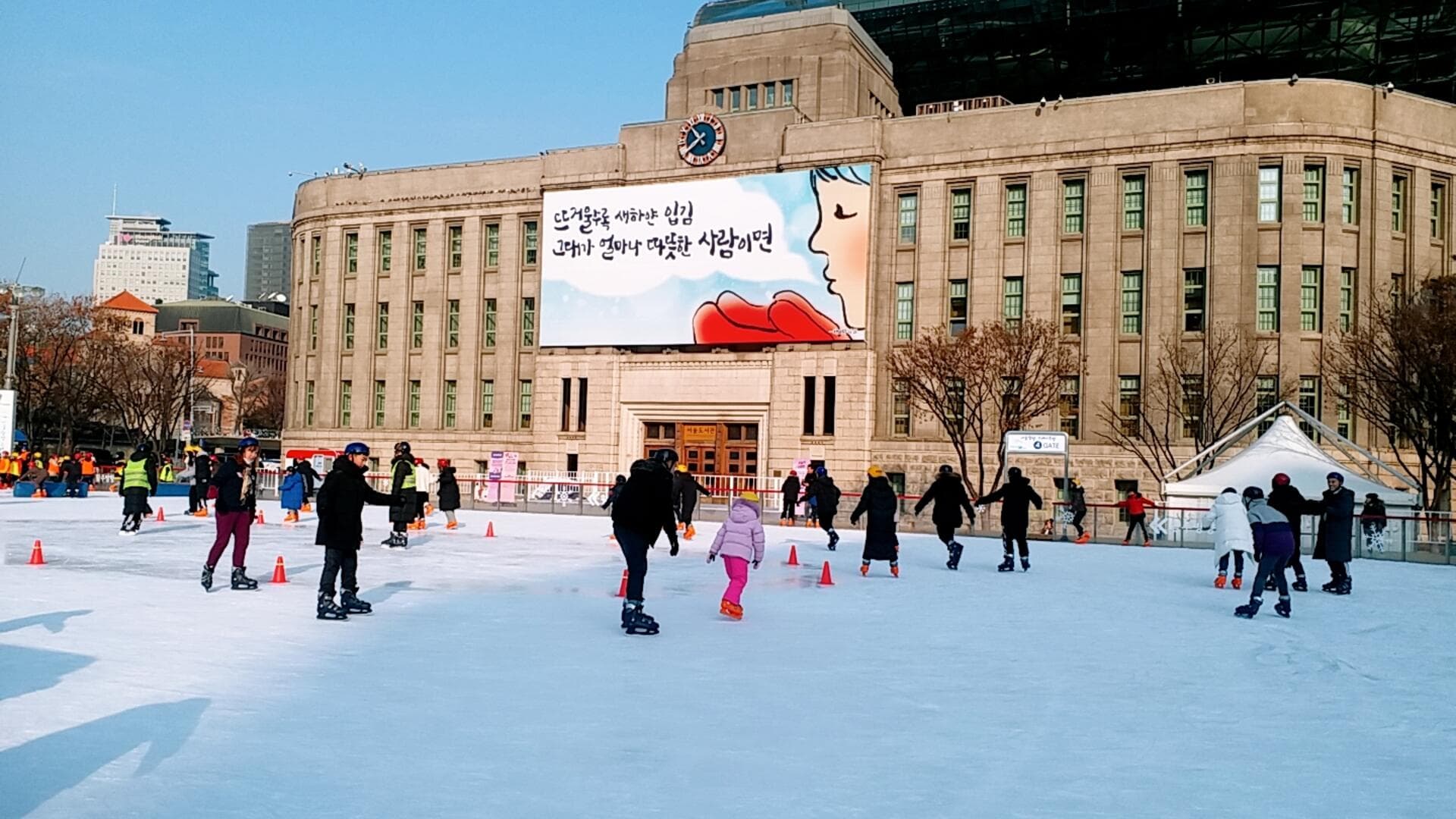
Opened 2013. Unique space where Joseon palace architecture (former Defense Security Command site) juxtaposes with contemporary design. Shows major Korean modern art movements and experimental work by living artists.
Runs on rotating exhibitions, so check schedule before visiting. Unlike Gwacheon branch, this urban location offers easy access. Close to Samcheong-dong café district too.
Recommended:
- Madang Project: Outdoor installations (free access)
- Korean Modern Art Archive
- Museum Shop: Design goods, art books
Visit Smart: Last Wednesday each month = Culture Day (free admission). Weekday afternoons quietest.
- Admission: 2,000 won (special exhibitions separate)
- Closed: Mondays, January 1
- Duration: 1.5-2 hours
8. Seoul Museum of Craft Art - Aesthetics of Function
4 Yulgok-ro 3-gil, Jongno-gu
Opened 2021. Covers Korean craft history and contemporary craft artists. Renovated from old Pungmun Girls' High School, the hanok architecture shines. Exhibition spaces, education areas, and workshops connect organically.
Organized by material—woodcraft, ceramics, metalwork, textiles. Each section pairs traditional masters with contemporary artists, showing tradition and innovation side by side. Drives home that craft isn't just "pretty things" but balance between function and form.
Recommended Sections:
- Permanent Exhibition 1: Joseon furniture and everyday craft objects
- Craft Library: Craft books and archives
- Courtyard: Hanok garden space, photo spot
Visit Smart: Free admission. Pairs well with Bukchon Hanok Village visit.
- Admission: Free
- Closed: Mondays, January 1
- Duration: 1-1.5 hours
Planning Your Museum Visits
Last Wednesday of Each Month = Culture Day
Most national and public museums extend evening hours. Some paid venues offer free or discounted admission. Good option for office workers.
Museum Combination Routes
- Yongsan Route: National Museum + Hangeul Museum + War Memorial (walkable, full day)
- Jongno Route: Palace Museum + Gyeongbokgung + MMCA Seoul + Craft Museum (half-day to full day)
- Art Focus Route: Leeum + MMCA Seoul (contemporary art concentration)
Important Notes
- Most museums close Mondays. Plan Tuesday-Sunday visits.
- Special exhibitions often charge separate fees. Check before going.
- Large museums like National Museum and War Memorial need half-day minimum.
- Photography rules vary by gallery. Check signage.
Online Reservations
- Required: Leeum (reservation-only system)
- Recommended: National Museum (weekend waits possible)
Frequently Asked Questions
Q: How many free museums can I visit in Seoul?
A: Seven out of eight museums covered here are free (only Leeum charges). Beyond these, you've got National Folk Museum, National Museum of Korean Contemporary History, Culture Station Seoul 284, Seoul Museum of Living History—all free. Seoul ranks among the world's most accessible cities for museum culture.
Q: How many museums can I hit in one day?
A: Depends on your stamina and interests, but 2-3 feels right. Big museums like National Museum eat up half a day minimum. Smaller specialized ones take 1-2 hours. Group by area (Yongsan route, Jongno route) to minimize transit time.
Q: Which museums work best with kids?
A: National Hangeul Museum and War Memorial top the list. Hangeul Museum packs in interactive exhibits where kids learn by doing. War Memorial's outdoor display with tanks and fighter jets always wins. Both free, with good rest areas and food options.
Q: Can I take photos?
A: Most permanent collections allow non-flash photography. Some special exhibitions or fragile artifacts prohibit photos—check posted signs at each gallery entrance. Leeum varies by artwork, so ask staff when unsure.
Q: What's proper museum etiquette?
A: Basic courtesy applies. Keep voices down, don't touch exhibits, no food/drink inside, wear backpacks frontward or store them. Most museums provide free lockers at entrances—stash big bags there for easier movement.
Q: Are English guides or tours available?
A: Most national museums offer English, Chinese, Japanese audio guides (free or small rental fee). National Museum and Palace Museum run foreign language docent programs—check websites for schedules. Exhibition labels typically run Korean-English bilingual.
Cultural Density, Seoul's Strength
Seoul's museums don't just warehouse the past. They're collision zones where tradition meets contemporary, East meets West, popular mingles with elite culture. Free admission symbolizes how this city values cultural access.
As a curator, here's my advice: don't treat museums like checklists. One deep experience beats skimming through ten. Linger in galleries that speak to you. When you invest time in careful observation, invisible details start emerging. That's when museums actually work.