
Seoul's Most Cinematic Spaces: K-Drama Filming Locations 2026
Seoul has a particular quality that cameras love. The city doesn't resolve. Joseon-era walls run alongside glass towers. Hanok tile roofs cascade below high-rise apartment blocks. Six hundred years of history compressed into a single skyline — this architectural heterogeneity is exactly what Korean directors have learned to exploit.
These aren't just famous filming spots. They're spaces with genuine design intelligence. Understanding why directors keep returning to them makes the visit more interesting.
Hidden Enclosures: Changdeokgung Secret Garden
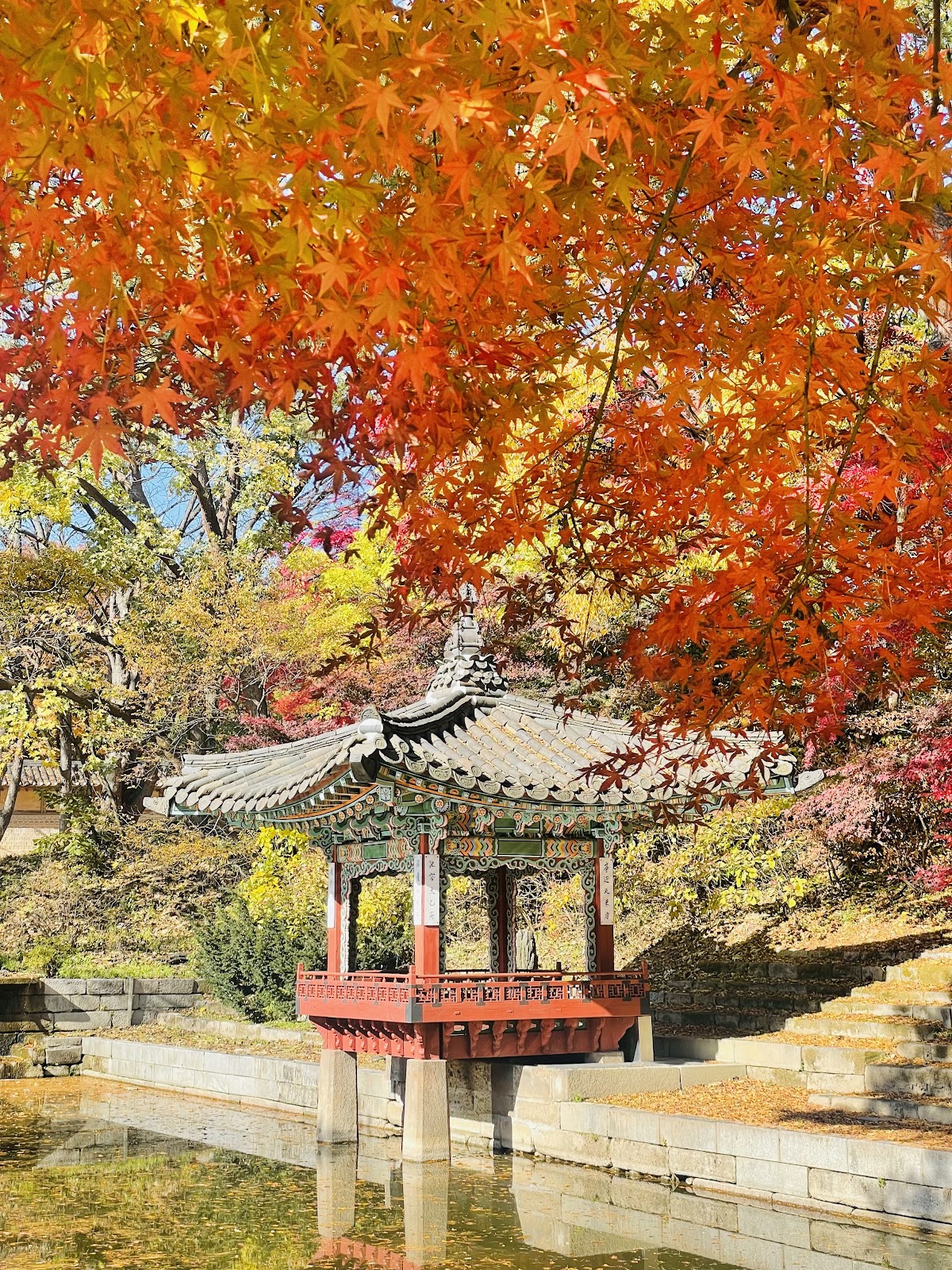
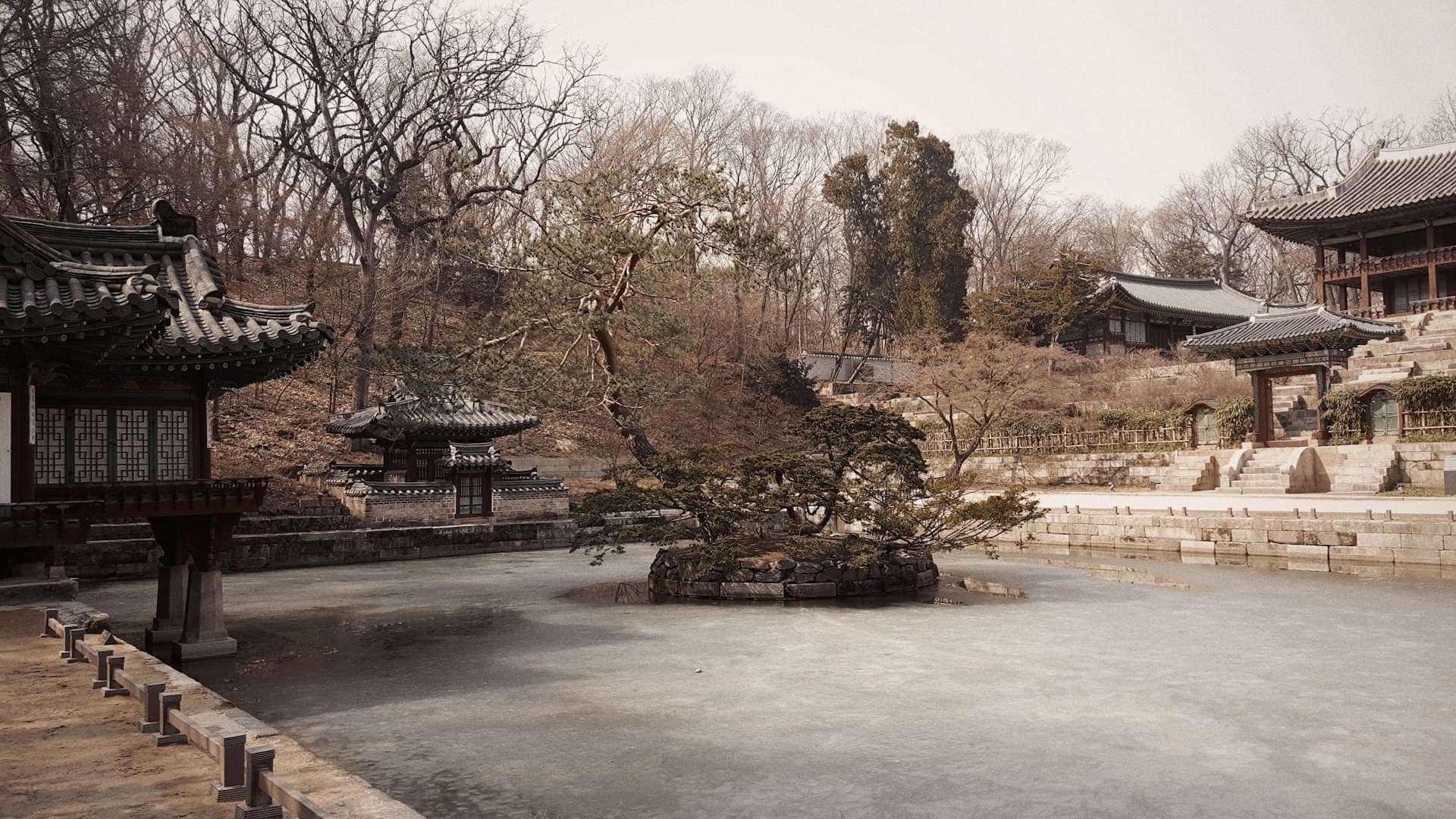
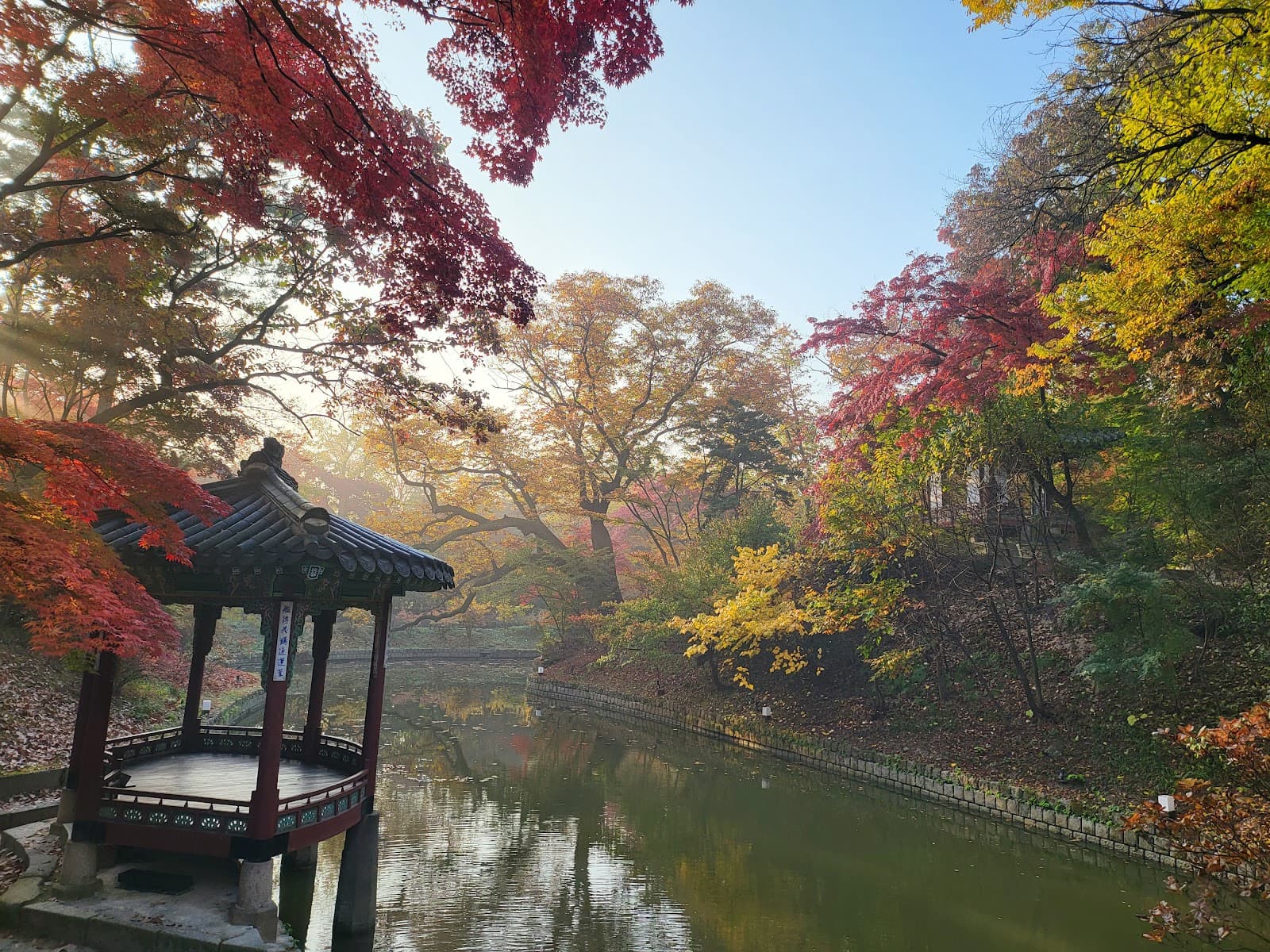
The Biwon — the "Secret Garden" — behind Changdeokgung Palace is 78 acres of enclosed woodland. For nearly 300 years, this was a private royal retreat. The access point is invisible from the main palace courtyard. Then, past a gate, you're inside a different atmosphere entirely.
Directors use the Biwon for one specific quality: enclosure. The garden feels cut off from the city. The sounds change. Mature trees create a canopy that reduces Seoul's ambient noise to almost nothing. You could be filming in the 17th century or the present — the garden refuses to specify.
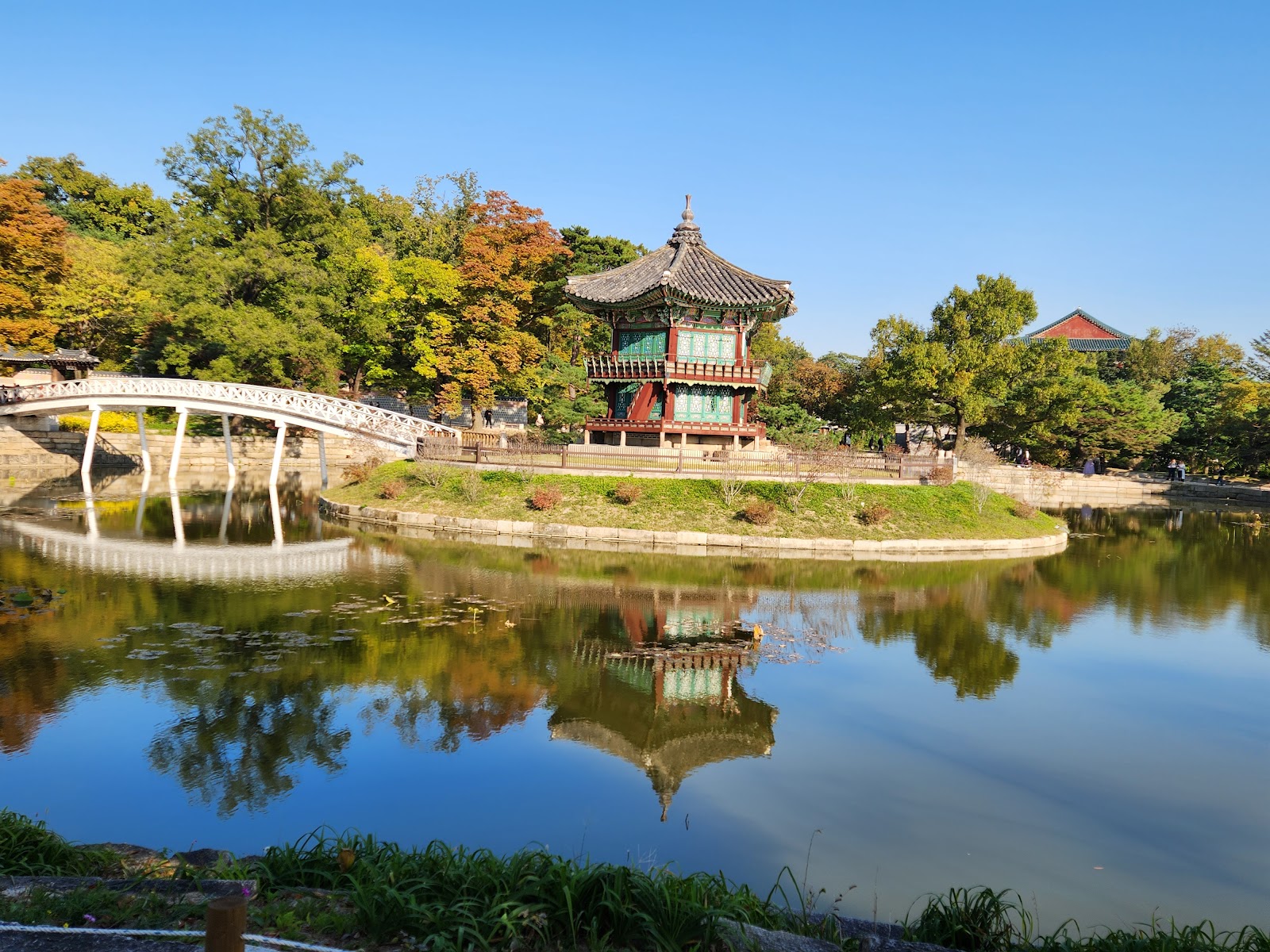
The lower garden's Buyongji pond, with Juhamnu pavilion beside it, is among the most photographed spaces in Korea. The reflection of the pavilion in still water, framed by ancient magnolias and lotus leaves, appears in Secret Garden, Moon That Embraces the Sun, and Mr. Sunshine. The composition has been refined over three centuries of royal aesthetics. No surprise the camera keeps returning.
The Secret Garden requires a separate guided tour ticket beyond standard palace entry. Tours run multiple times daily — in English on weekends.
- Address: 99 Yulgok-ro, Jongno-gu, Seoul (Changdeokgung Palace)
- Hours: Tue–Sun 9:00–18:00 (last tour entry varies by season)
- Admission: Palace ₩3,000 + Secret Garden tour ₩5,000
- Access: Anguk Station (Line 3), Exit 3, 5-minute walk
The Stone Wall Walk: Deoksugung Doldam-gil
There's a 200-meter corridor between the ancient stone wall of Deoksugung Palace and the elm trees of Jeong-dong that cinematographers return to obsessively. The walk is a gray-green tunnel regardless of season — the palace wall's dark granite, the overarching canopy, filtered light that seems to shift with each step.
Goblin established it as the default melancholy walk. You Who Came from the Stars used it. Dozens of dramas have placed their longing characters here since. The location hasn't changed. The emotional grammar it encodes has become standard.
Go on a weekday morning before the tourists arrive. The elm canopy is at its best in late autumn — the leaves turn gold and fall slowly, in a pattern that production crews would spend hours staging. They do, and did, and will again.
The Doldam-gil is free to walk, adjacent to Deoksugung Palace's perimeter. The road is closed to cars. Full guide to Deoksugung Palace →
- Access: City Hall Station (Lines 1 & 2), Exit 2, 2-minute walk
- Hours: Always open; morning light is best
Tiled Geometry: Bukchon Hanok Village
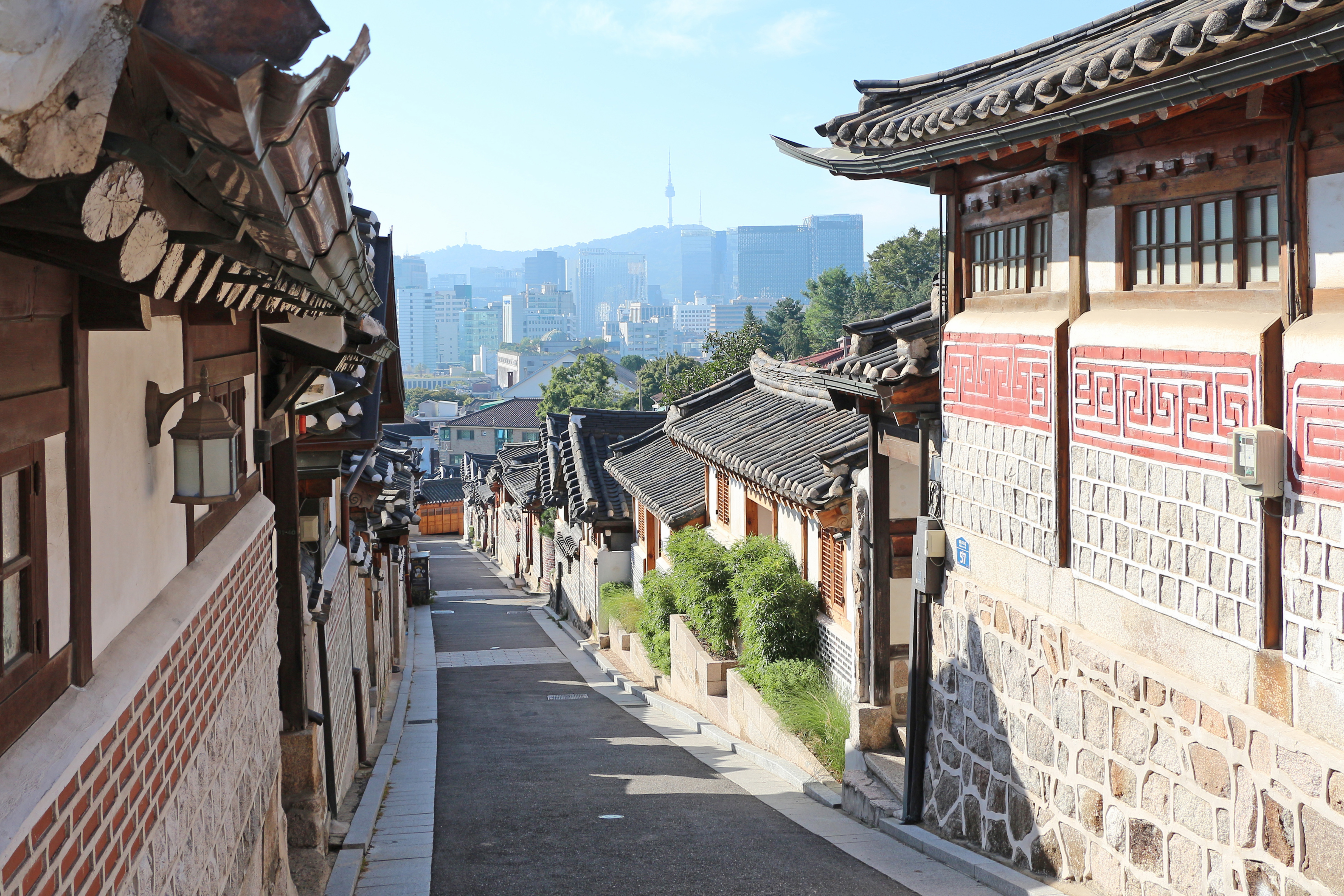
The view from the peak of Gahoe-dong in Bukchon shows something that doesn't seem possible: hundreds of traditional hanok rooftops descending in a dense tile-and-beam composition toward the towers of Jongno-gu, with N Seoul Tower on Namsan beyond. The compression of 600 years of architecture into a single frame is absolute.
This is what directors are paying for when they shoot here. The roofscape is itself a design object — the curve of clay tiles, the upswept eaves, the rhythm of ridge lines. Boys Over Flowers made this view internationally famous. Secret Garden used the alleys for pursuit sequences. More recently, Crash Landing on You used the hanok village backdrop for a contrast shot that's become iconic.
Bukchon is a working residential neighborhood. Weekday mornings before 10am offer the best conditions — the light is softer and the residents haven't yet been displaced by tour groups. The alley at Gahoe-dong 31 is the single most photographed point; visitors will recognize it immediately.
- Address: Gahoe-dong, Jongno-gu, Seoul
- Access: Anguk Station (Line 3), Exit 2, 10-minute walk uphill
- Hours: Always open; aim for weekday mornings
Parametric Spectacle: DDP
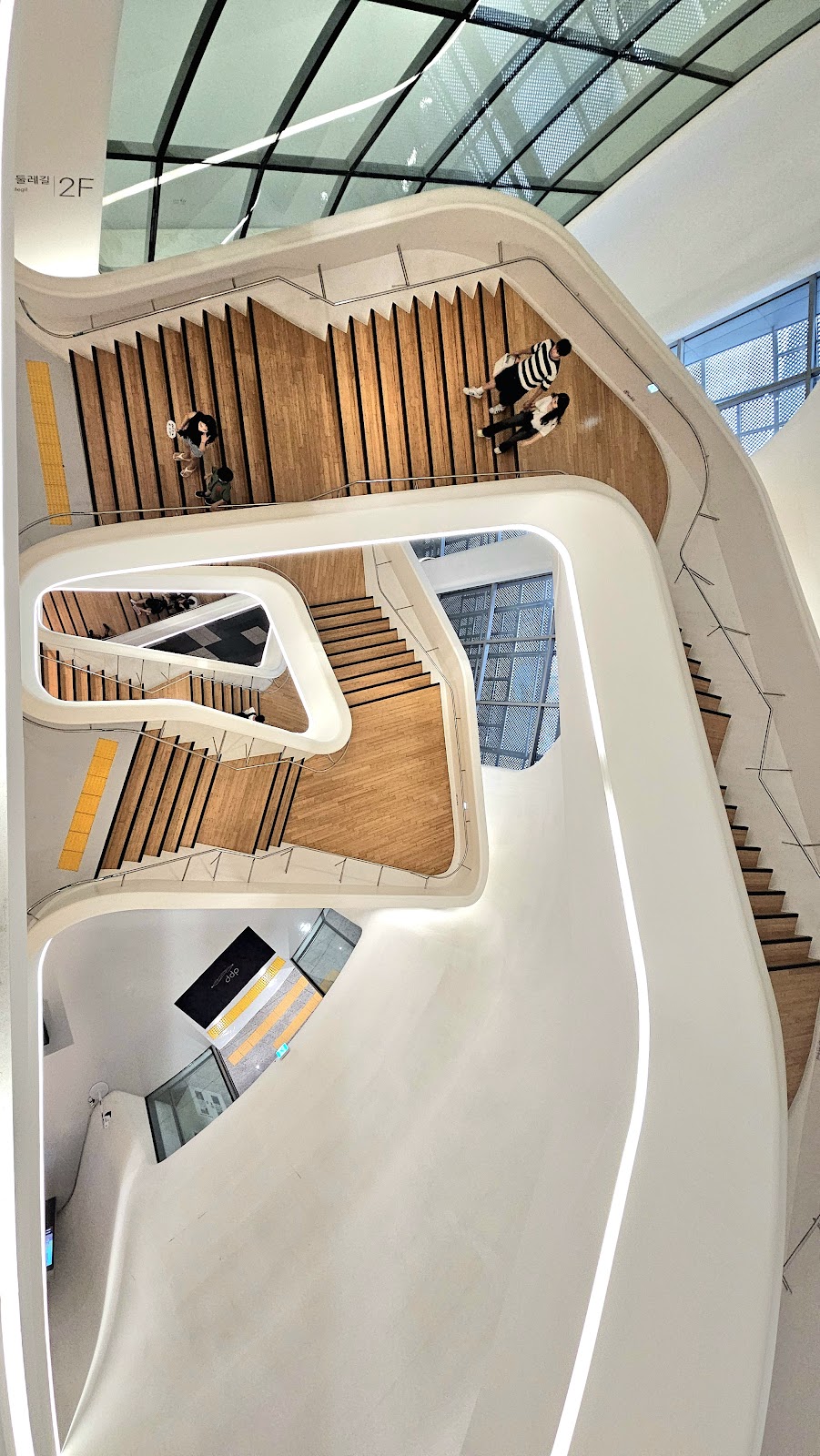
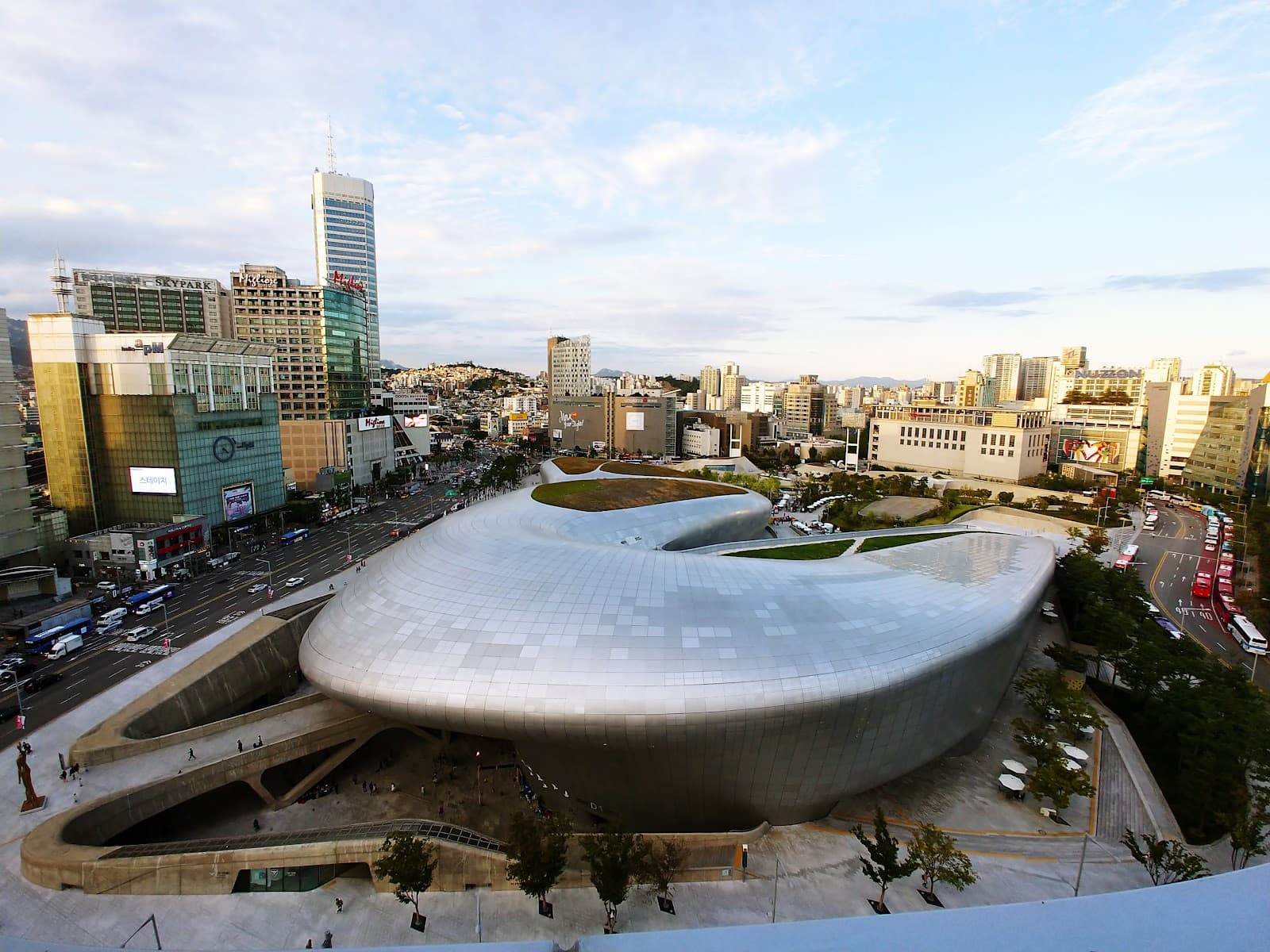
Zaha Hadid's Dongdaemun Design Plaza deploys 45,133 aluminum panels in a continuous curved surface with no right angles anywhere. At night, the LED lighting transforms the exterior into something that reads less like a building and more like a presence — a landed spacecraft.
K-drama directors use DDP in two modes. Exterior shots at night, where the curved aluminum surface creates a backdrop that signals: this is not an ordinary city. And interior shots — specifically the organic staircase that spirals through Hadid's signature biomorphic interior language — for scenes that require architectural ambiguity.
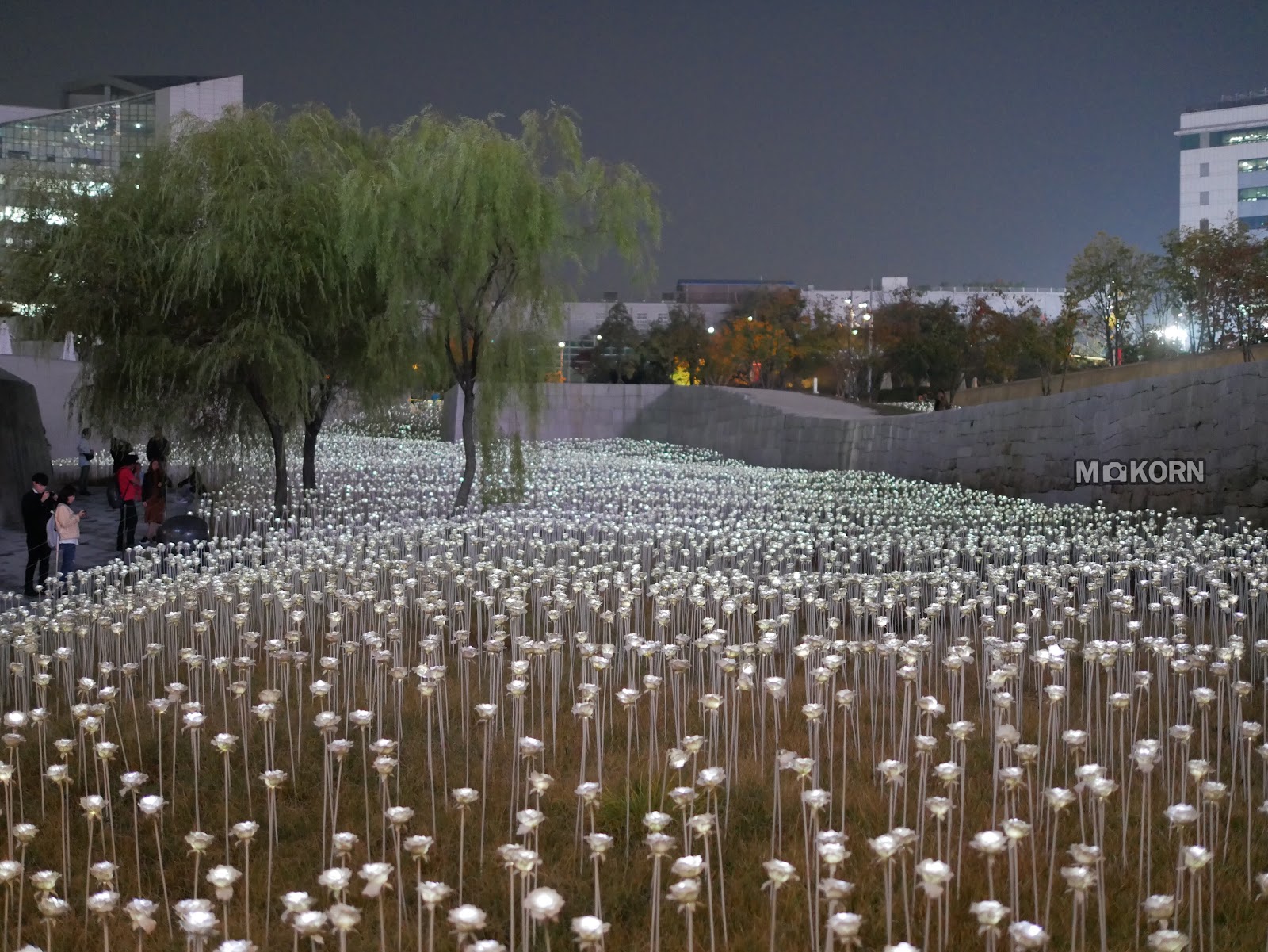
The King: Eternal Monarch used the DDP exterior for dimensionally-ambiguous establishing shots. Vincenzo used the interior corridors for confrontation sequences where the curved geometry added visual tension. The plaza frequently hosts outdoor exhibitions and light installations that change seasonally.
The outdoor plaza is free and accessible around the clock. Interior galleries have varying admission.
- Address: 281 Eulji-ro, Jung-gu, Seoul
- Hours: Exterior/plaza open 24 hours; interior galleries vary by exhibition
- Admission: Free (exterior); gallery admission varies
- Access: Dongdaemun History & Culture Park Station (Lines 2, 4, 5), Exit 1
The Artistic Interior: Leeum Museum
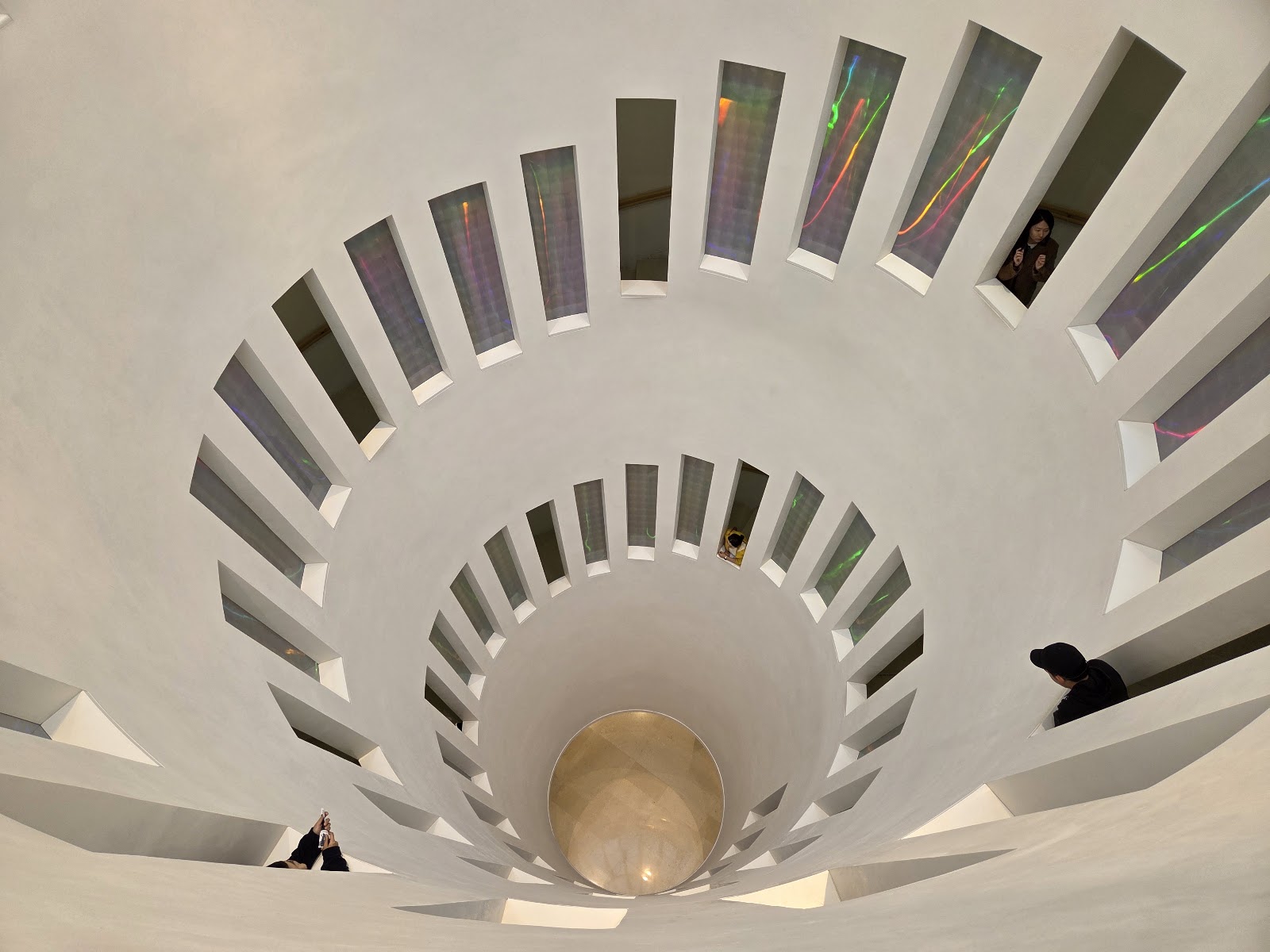
The Leeum Samsung Museum of Art is three buildings by three different architects on a single Hannam-dong hillside. Mario Botta designed the brick cylinder for ancient Korean art. Jean Nouvel built the oxidized steel volume. Rem Koolhaas completed the glass-and-steel Museum 3 for contemporary collection. The three structures coexist with a productive tension — each making a different argument about what a museum building should be.
The interior that K-drama productions return to is the spiral staircase in Nouvel's building — a cylindrical void rising several floors, with narrow windows cut at precise intervals that admit prismatic light. The geometry is exact. The light is uncontrollable and different every visit.
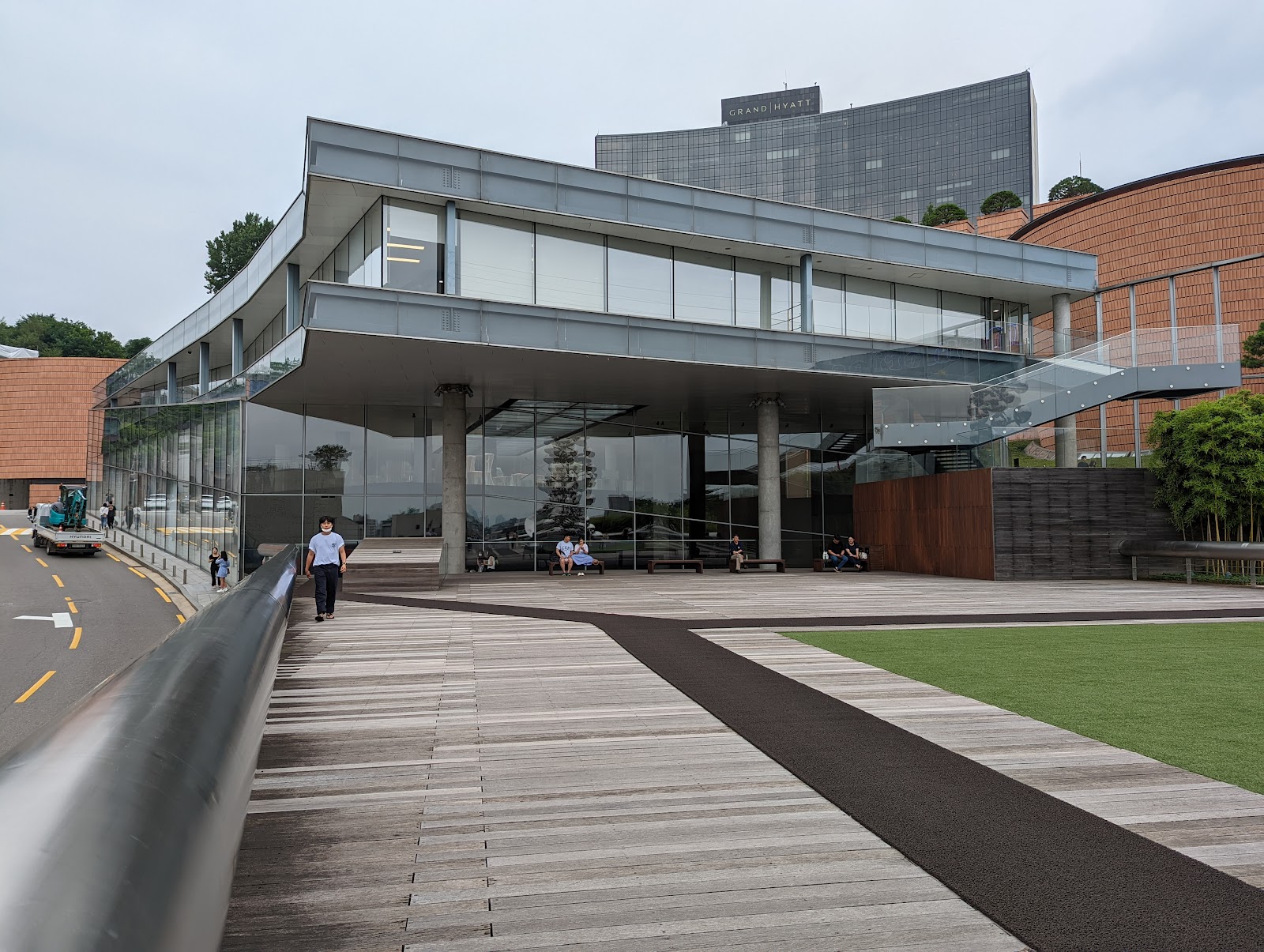
My Love from the Star used the Leeum grounds for a key encounter sequence. More recently, the museum's rotating contemporary installations have become recurring backdrops for dramas exploring wealthy Seoul. The collection is outstanding, the campus is among the finest museum architectures in Asia, and the garden sculpture walk above is underrated by most visitors.
- Address: 60-16 Itaewon-ro 55-gil, Yongsan-gu, Seoul
- Hours: Tue–Sun 10:30–18:00 (closed Mondays)
- Admission: ₩20,000 adults, ₩10,000 students
- Access: Hangangjin Station (Line 6), Exit 1, 10-minute walk
Industrial Authenticity: Seongsu-dong
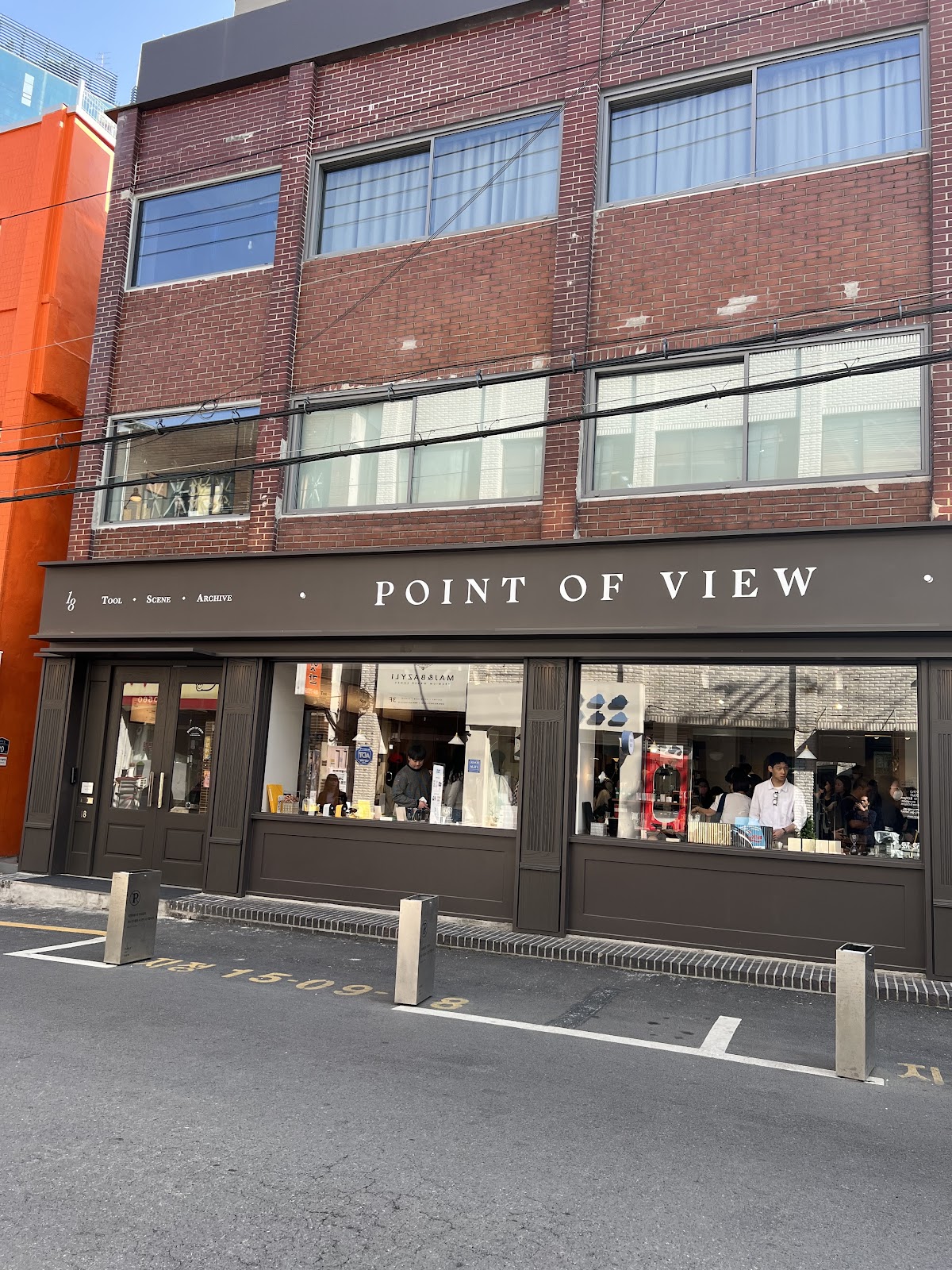
Seongsu-dong's filming appeal is direct: the neighborhood looks like Seoul without trying to impress anyone. Brick warehouses, industrial glazing, narrow streets between former factories now housing cafes and studios — this is the texture of a city built for function and then repurposed for aesthetics.
It's Okay to Not Be Okay located several key scenes in Seongsu's factory district. A Business Proposal used the industrial cafe environment as visual shorthand for its lead character's "hidden ordinary life." The area's visual grammar — red brick, steel frames, gravel lots, repurposed factory signage — is what the drama industry prizes as authenticity.
The filming locations are dispersed through the district between Seongsu Station and Seoul Forest Station. Walking the neighborhood is itself the activity. More on Seongsu-dong →
- Access: Seongsu Station (Line 2), Exit 4; or Seoul Forest Station (Bundang Line), Exit 4
- Best for: Self-guided walking; weekday or weekend morning before cafes fill
Before You Visit
On timing: These spaces reward patience. Changdeokgung's Secret Garden at midday is tourist-busy. In the afternoon light it's something else. DDP at noon is a construction site; at 9pm it becomes architectural.
Photography: Early morning and late afternoon give you the light that production crews work with. Weekday mornings in Bukchon are essential — by 11am on weekends, the narrow alleys become impossible to photograph without crowds.
Navigation: Naver Map is the most reliable for detailed Seoul navigation. Kakao Maps as backup. Both have English interfaces.
Combining locations: Changdeokgung and Bukchon is a natural morning pairing — both in Jongno-gu, 10-minute walk apart. Leeum and Seongsu works as a south-of-river afternoon (taxi between them around ₩10,000, or Line 6 to Line 2 via transfer).
Squid Game Season 3: Tapgol Park in Jongno (adjacent to Insadong) is confirmed as a key Season 3 filming location. It's also historically significant as the site of the 1919 Independence Movement declaration — free, always open, 10 minutes on foot from Changdeokgung. Insadong guide →
Common Questions
Which of these is best if you have limited time?
Bukchon gives you the most immediately cinematic experience — the famous view from Gahoe-dong takes five minutes to reach from Anguk Station and requires no ticket.
Do you need to book the Changdeokgung Secret Garden in advance?
Yes, especially weekends. Book the guided tour through the Changdeokgung official website or the Korea Tourism Organization reservation system. Weekend English tours sell out 2–3 days ahead in spring and autumn.
Is DDP worth visiting if you haven't seen the dramas filmed there?
Absolutely. The architecture stands completely on its own. It's one of the few Zaha Hadid buildings you can actually walk through and experience spatially rather than just photograph from the outside.
Can I photograph at all these locations?
Generally yes. Changdeokgung allows photography throughout. The Leeum Museum restricts flash and tripods in certain interior galleries. DDP and Bukchon are fully public and freely photographable.
Is there an English guide to K-drama filming locations?
The Visit Seoul official app includes some filming location markers. The Korea Tourism Organization publishes dedicated location guides — particularly for Squid Game, which has had unusually specific documentation of sites.
@minjicurates — follow for design-forward Seoul curation