Korean Traditional Carriages and Palanquins: Experiencing Joseon's Mobile Heritage in Seoul
Introduction: 500 Years of Joseon History on Wheels
How did people travel during the Joseon Dynasty? Beyond riding horses, the people of Joseon developed various modes of transportation. From the ornate palanquins of the nobility to the practical carts of commoners, each vehicle reflects Joseon's social hierarchy, technology, and aesthetics.
In Seoul, there are places where you can see and experience these traditional modes of transportation firsthand. From palanquin experiences at Gyeongbokgung Palace to the cart collection at the National Folk Museum and traditional carriage tours in Bukchon Hanok Village, let's journey together to discover Joseon's mobile cultural heritage in Seoul.
1. Types and Meanings of Joseon Dynasty Transportation
The Culture of Palanquins Reflecting Social Classes
The palanquin (가마, gama) was a representative human-powered transportation method during the Joseon Dynasty, with its form and decoration varying by social status. The highest-ranking individuals, the king and queen, used the 'Royal Palanquin' (어가, eoga), decorated with gold leaf and dragon patterns.
Scholar-official palanquins were made of wood with paper finishing, featuring glass windows to view outside. They were typically painted black and featured family crests to indicate status. Four to eight people carried these palanquins, known as 'palanquin bearers' (가마꾼, gamakkun).
Middle-class and commoner palanquins were simpler in form but prioritized practicality. The 'bridal palanquin' (신부가마, sinbugama) used in wedding ceremonies featured red lacquer and cloud patterns to signify the ceremony's importance.
Carts: The Center of Goods Transportation
Carts were essential to Joseon's economy and industry. The large cart (거여, geoyeo) was the biggest type, mainly used by government offices to transport goods or tax rice. Pulled by oxen or horses, these carts featured large, sturdy wheels to carry heavy loads.
Field carts (지레, jire) were smaller carts used in rural areas, primarily for transporting farm equipment and harvests. While some were human-pushed, they were typically pulled by a single ox. These carts had wooden wheels with iron axle bearings at the center to reduce wear.
2. Experiencing Traditional Transportation in Seoul
Gyeongbokgung Palace: Experiencing Royal Mobile Culture
Gyeongbokgung Palace is the best place to witness the royal palanquin culture of Joseon. A life-sized replica of the king's palanquin is displayed in front of Geunjeongjeon Hall, where visitors can directly observe its splendor and scale.
Behind Jagyeongjeon Hall operates a palanquin experience program. Here, visitors can ride miniature palanquins and take photos. It's especially popular to wear hanbok (traditional Korean clothing) while riding the palanquin to experience the feeling of Joseon nobility.
Near Hyangwonjeong Pavilion showcases traditional palanquin craftsmanship demonstrations. Wood artisans show the process of making palanquins using traditional methods, and visitors can learn about carving and assembly techniques.
Experience Information:
- Operating Hours: 9:00 AM - 5:00 PM (may vary by season)
- Palanquin Experience Fee: 3,000 KRW (10,000 KRW including hanbok rental)
- Reservation: First-come, first-served on-site (crowded on weekends)
- Contact: 02-3700-3901
National Folk Museum of Korea: A Museum of Korean Cart History
The National Folk Museum of Korea offers the most systematic view of Korea's traditional cart culture. The First Exhibition Hall 'Korean People's Daily Life' features over 30 diverse carts.
The exhibition highlight is the 'Yeom' (연) used by the royal court. This palanquin was used for royal accession ceremonies or events, pulled by eight horses. Adorned with gold leaf and jade, it represents the finest craftwork of Joseon.
In the agricultural tools corner, you can see practical carts used by commoners. The 'market cart' that emerged during the late Joseon period's commercial development can be seen as the ancestor of modern carts, showcasing the wisdom of merchants of the time.
The regular educational program 'Cart Making Experience' allows visitors to make small cart models using traditional woodworking tools, and completed works can be taken home as souvenirs.
Visiting Information:
- Visiting Hours: 9:00 AM - 6:00 PM (until 5:00 PM November-February)
- Admission Fee: Free
- Experience Program: 5,000 KRW for adults, 3,000 KRW for teenagers
- Contact: 02-3704-3114
Bukchon Hanok Village: Traditional Carriage Tours in Modern Times
Bukchon Hanok Village operates a tour program using traditional carriages. Departing from in front of Bukchon Cultural Center, this tour offers a unique experience of riding 'traditional vehicles' pulled by traditional carriages through the hanok village.
The tour route spans approximately 2km, passing through major hanoks and alleys in Gahoe-dong, Gyedong, and Jaedong. As the carriage moves slowly, the driver explains the history and culture of each area. The experience of traveling through 600-year-old alleys by carriage perfectly showcases Seoul's charm where past and present coexist.
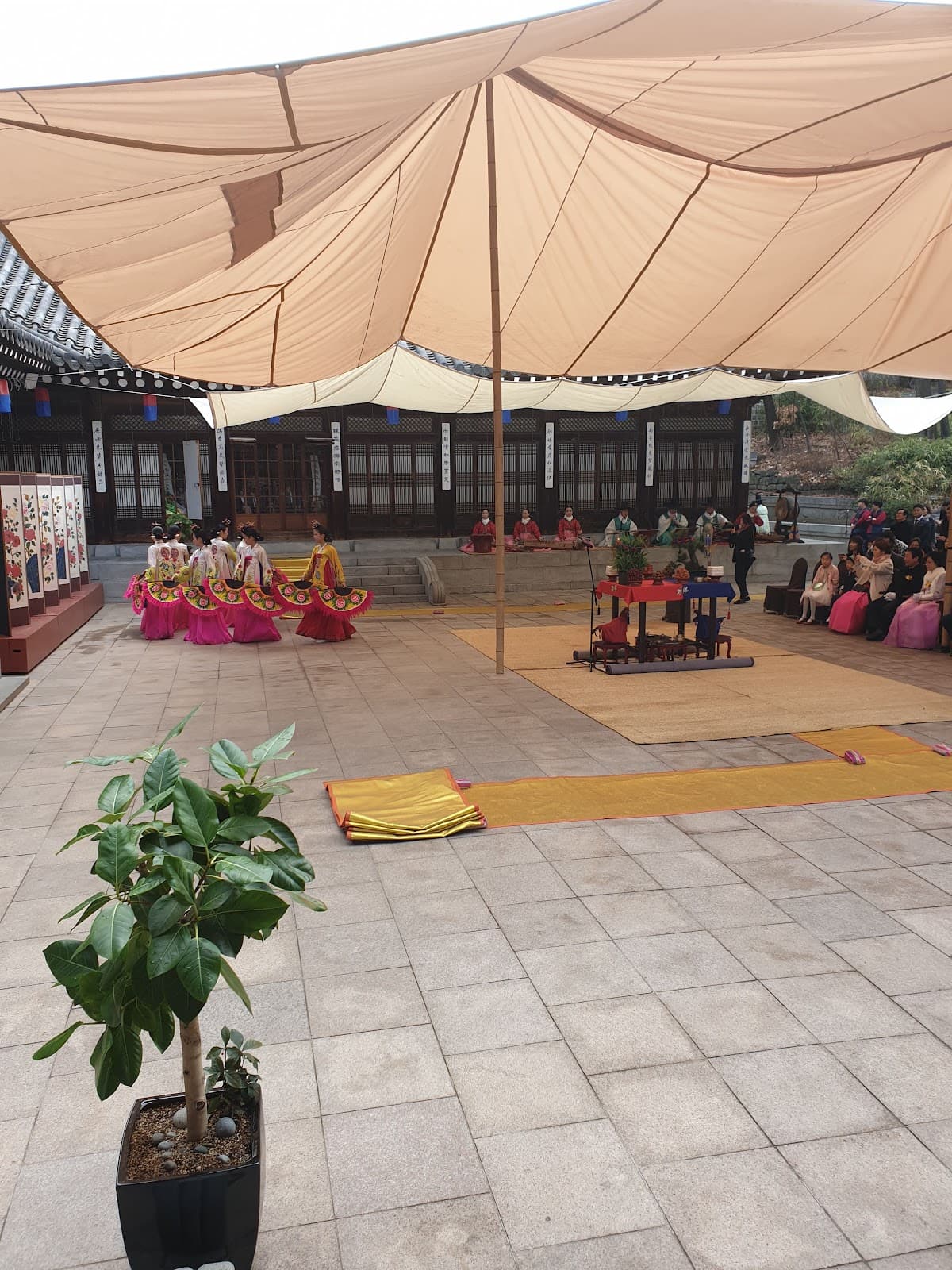
A special program called 'Moonlight Carriage Tour' operates on full moon evenings. Carriages decorated with lanterns passing through alleys create a fantastical experience, like time travel.
Reservation Information:
- Operating Hours: 10:00 AM - 6:00 PM (Moonlight Tour: 7:00-9:00 PM)
- Tour Fee: 20,000 KRW per person (operates for groups of 20)
- Reservation: Advance online reservation required
- Contact: 02-2133-0834
3. Technical Features of Traditional Transportation
Unique Korean Wheel Technology
Korean traditional carts have unique technical features. Cedar wheels were lightweight yet durable, commonly used in Korean carts. The wheel rims were reinforced with iron, called 'iron bands' (철대, cheoldae), to prevent wear.
Axle bearing technology is core to Korean carts. Bronze or iron bearings were installed at wheel centers to reduce friction, and perilla oil was regularly applied for lubrication. This technology enabled Korean carts to transport heavy loads relatively easily.
Craftsmanship of Palanquin Making
Palanquin making required collaboration among multiple artisans: woodworkers, blacksmiths, and lacquerers. Pine wood frames were light yet strong, serving as the main material, while paper decorations made from layered mulberry paper were lightweight and durable.
Window technology is particularly noteworthy. 'Hanji' (traditional Korean paper) windows, made from multiple layers of thin paper, blocked wind while allowing light passage. During rain, oil paper was added outside the windows for waterproofing.
4. Modern Connections: Reinterpretation of Cultural Heritage
Traditional Carts Inspiring Modern Design
Recently, attempts to reinterpret traditional cart designs in modern contexts have increased in Seoul. The 'Traditional Cart Design Competition' hosted by the Seoul Design Foundation awarded works applying Korean traditional cart elements to modern carts and strollers.
Dongdaemun Design Plaza (DDP) periodically hosts 'Traditional Transportation Exhibitions'. Here, you can see works where Joseon-era carts have been 3D-scanned and restored using modern technology, with AR technology providing virtual riding experiences.
Palanquin Experiences as Educational Programs
Various schools in Seoul use traditional palanquin experiences as history education programs. The Children's History Classroom at the Seoul Museum of History allows students to make palanquin models and learn about Joseon's mobile culture.
The Cultural Heritage Administration hosts a 'Traditional Transportation Festival' every autumn. This event displays life-sized palanquins and carts, with people in traditional costumes demonstrating contemporary transportation methods.
5. Visiting Guide and Tips
Optimal Visiting Plan
Morning Course: Arrive at Gyeongbokgung Palace opening time to start with the palanquin experience. Early mornings are best for photography due to fewer crowds.
Afternoon Course: Visit the National Folk Museum after lunch to view the cart exhibitions. The indoor exhibition halls allow comfortable viewing regardless of weather.
Evening Course: If visiting on a weekend, consider booking Bukchon's Moonlight Carriage Tour. Reservations fill quickly, so book at least two weeks in advance.
Photography Tips
- Hanbok Rental: Rent hanbok from shops near Gyeongbokgung for more beautiful photos.
- Timing: Soft light at 10:00 AM or 3:00 PM is ideal.
- Angles: Low angles from the side of palanquins best capture their majesty.
- Background: Use traditional Gyeongbokgung buildings as backgrounds for enhanced historical atmosphere.
Transportation
- Subway: Gyeongbokgung (Line 3), Anguk (Line 3), Gwanghwamun (Line 5) stations, then 10-15 minute walk
- Bus: Gyeongbokgung Palace, National Folk Museum, and Bukchon Hanok Village are all within walking distance
- Parking: Use Gyeongbokgung Palace parking lot (paid), public transportation recommended on weekends due to congestion
Conclusion: Living Korean History on Wheels
Seoul's traditional carts and palanquins are more than mere transportation. They contain Joseon's social structure, technological development, artistic spirit, and people's wisdom. From the splendid palanquins of Gyeongbokgung to the humble carts of the Folk Museum, each vehicle speaks of Korean life and history.
Encountering these traditional modes of transportation amidst Seoul's fast-paced modern life is a special experience. You can feel the past in slow, quiet movements while admiring Korean aesthetics and technology.
I highly recommend this to travelers visiting Seoul. Experience 500 years of Joseon history on wheels and discover moments where Korean cultural heritage comes alive.
This article was written by editor Dong-Hyun Song (heritage-guide) to introduce Seoul's traditional transportation heritage. For accurate opening hours and experience programs, please check official websites before visiting.