
K-pop Demon Hunters in Seoul: Walking the Neighborhoods That Made History
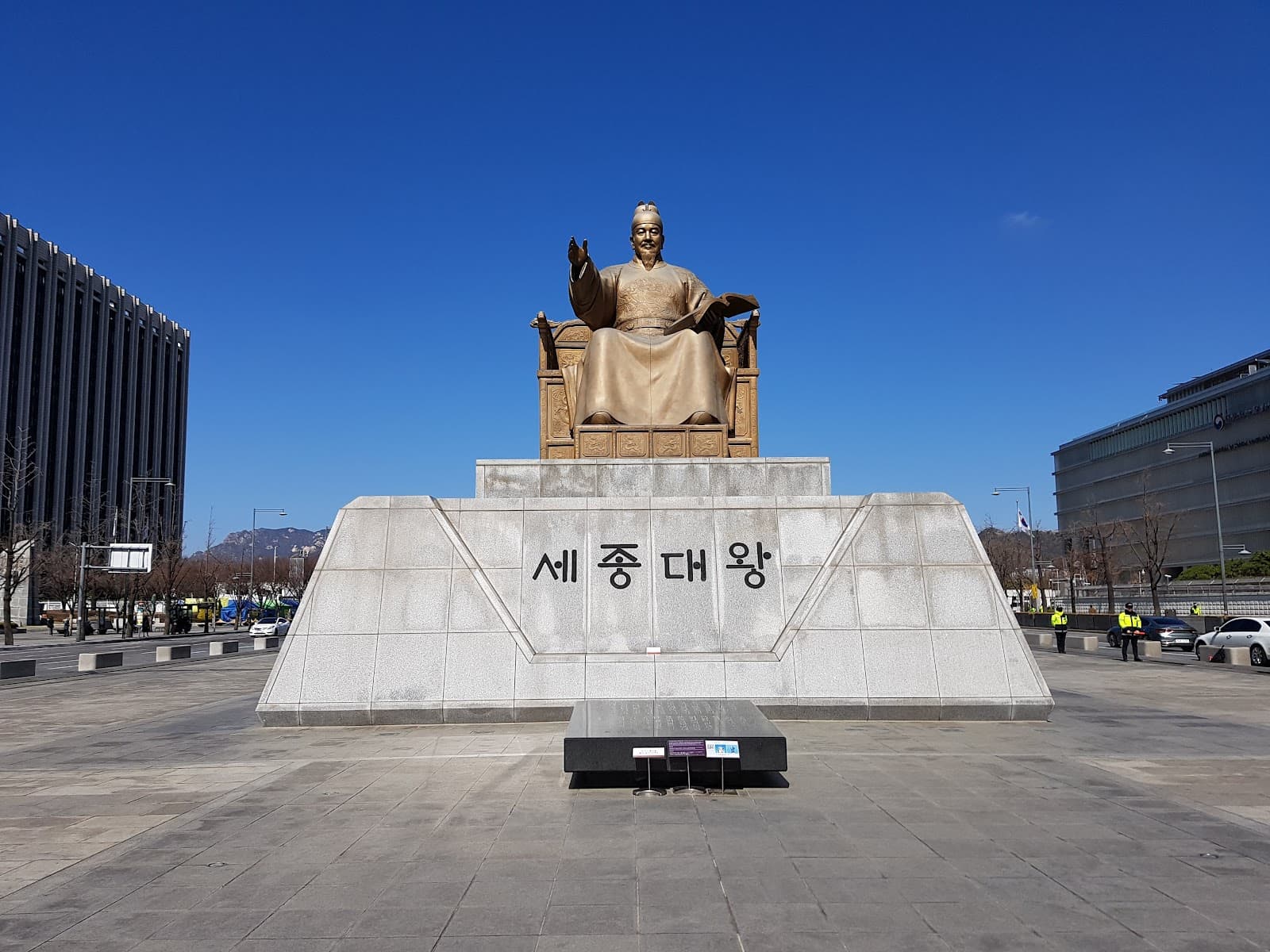
I was standing in front of the King Sejong statue at Gwanghwamun Square on the morning of March 18 when my phone started buzzing. Then wouldn't stop.
K-pop Demon Hunters had just won two Oscars at the 98th Academy Awards. Best Animated Feature. Best Original Song. And within hours, Netflix announced a Global Concert Tour.
I've lived in Seoul long enough to recognize when the city becomes the center of something. I watched it happen with Squid Game. With Parasite. With BTS filling stadiums from Buenos Aires to Tokyo. But standing in that square — this square where BTS would later announce their Gwanghwamun comeback, where fan gatherings turn into impromptu celebrations that spill across the fountain plaza — I felt it differently this time.
This wasn't just another pop culture moment. For the hundreds of thousands of fans now searching for flights to Seoul, this is the starting point of a pilgrimage. And I know exactly where they want to walk.
Gwanghwamun Square: Where Seoul's K-pop Story Lives
Most visitors to Gwanghwamun come for the palaces. They photograph King Sejong's statue, walk toward Gyeongbokgung, take the standard tourist route.
But for Hallyu fans, this square means something else entirely.
This is where BTS filmed some of their most iconic moments. Where fansites set up at dawn to catch glimpses of their idols traveling to music show recordings. Where, in March 2026, BTS announced their Gwanghwamun comeback — a Netflix collaboration broadcast to 190 countries — right here on this stone plaza with the mountains framing the gate behind it.
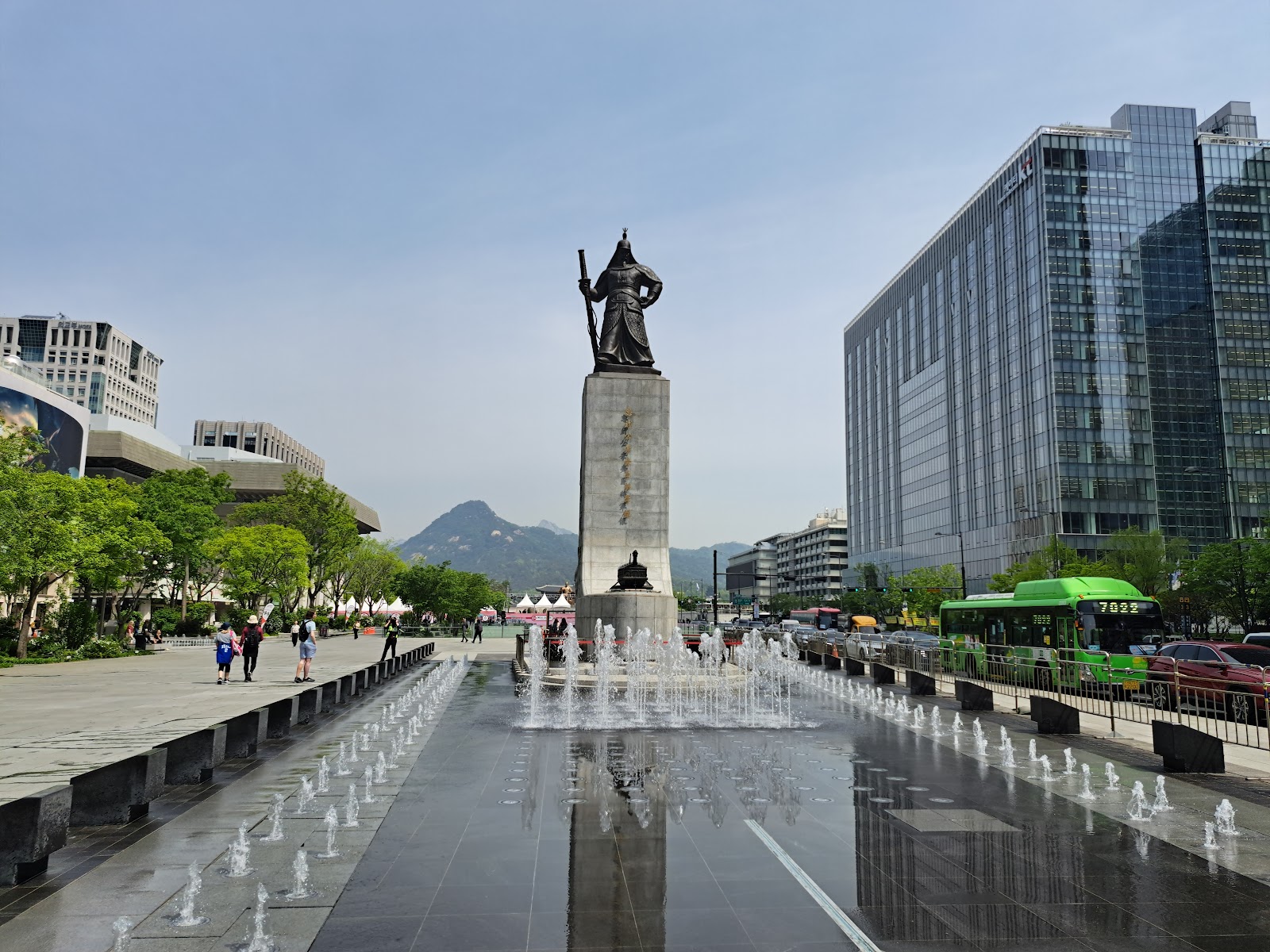
The square itself is worth a proper morning walk. Come early — before 9am on weekdays — and you get the plaza almost to yourself. The King Sejong statue faces south with Bukaksan mountain rising behind Gwanghwamun Gate. The Admiral Yi Sun-sin statue stands guard toward the front. Between them, a long fountain runs in spring and summer, and on clear days the whole composition — old gate, mountains, modern city towers — is one of Seoul's best unrehearsed photographs.
Practical info:
- Station: Gwanghwamun Station (Line 5), Exit 1 or 2
- Best time: Early morning on weekdays, or late afternoon when the light turns the stone golden
- Nearby: Gyeongbokgung Palace (5-min walk), Insadong cultural district (10-min walk)
Tapgol Park: The Filming Location You Can Walk Through
About 700 meters northeast of Gwanghwamun, tucked behind the busier streets of Jongno, sits one of Seoul's smallest and most historically layered parks.
Tapgol Park doesn't look like much from the entrance. A low stone wall, a few older visitors on benches, the elaborate ten-story pagoda that gives the park its name rising from the center. But this is the park confirmed as a filming location for K-pop Demon Hunters Season 3 — and once you know that, you start reading the space differently.
I first came here years ago to see the March 1st Movement Declaration site. Korea's 1919 independence movement began in this park with a public reading of the Declaration of Independence. The stone reliefs along the perimeter walls still depict those scenes. The pagoda — the only surviving structure from the Wonggaksa Temple complex that stood here five centuries ago — is behind protective glass now, but you can still walk close enough to see the carved figures on each tier clearly.
What the show's location scouts clearly understood: Tapgol Park has a compressed, layered quality that cameras love. It's surrounded by the dense Jongno neighborhood, but inside the walls you're in a different time. Old men play go in the shade of the overhang near the entrance. Pigeons move through the pagoda's shadows. The noise of the city drops to almost nothing.
This kind of space — intimate, historically loaded, oddly quiet — is exactly what the show's aesthetic has always reached for.
After Tapgol Park, follow the alleyways east toward Insadong. The narrow lanes connecting them have their own character: traditional tea houses, craft galleries, the kind of hand-painted signage you see less and less of in the rest of the city.
Practical info:
- Address: 99 Uljiro, Jongno-gu (탑골공원)
- Station: Jongno 3-ga Station (Lines 1/3/5), Exit 1 — 3-min walk
- Hours: Open daily, free admission
- Time needed: 30-45 minutes to walk the park and read the historical panels
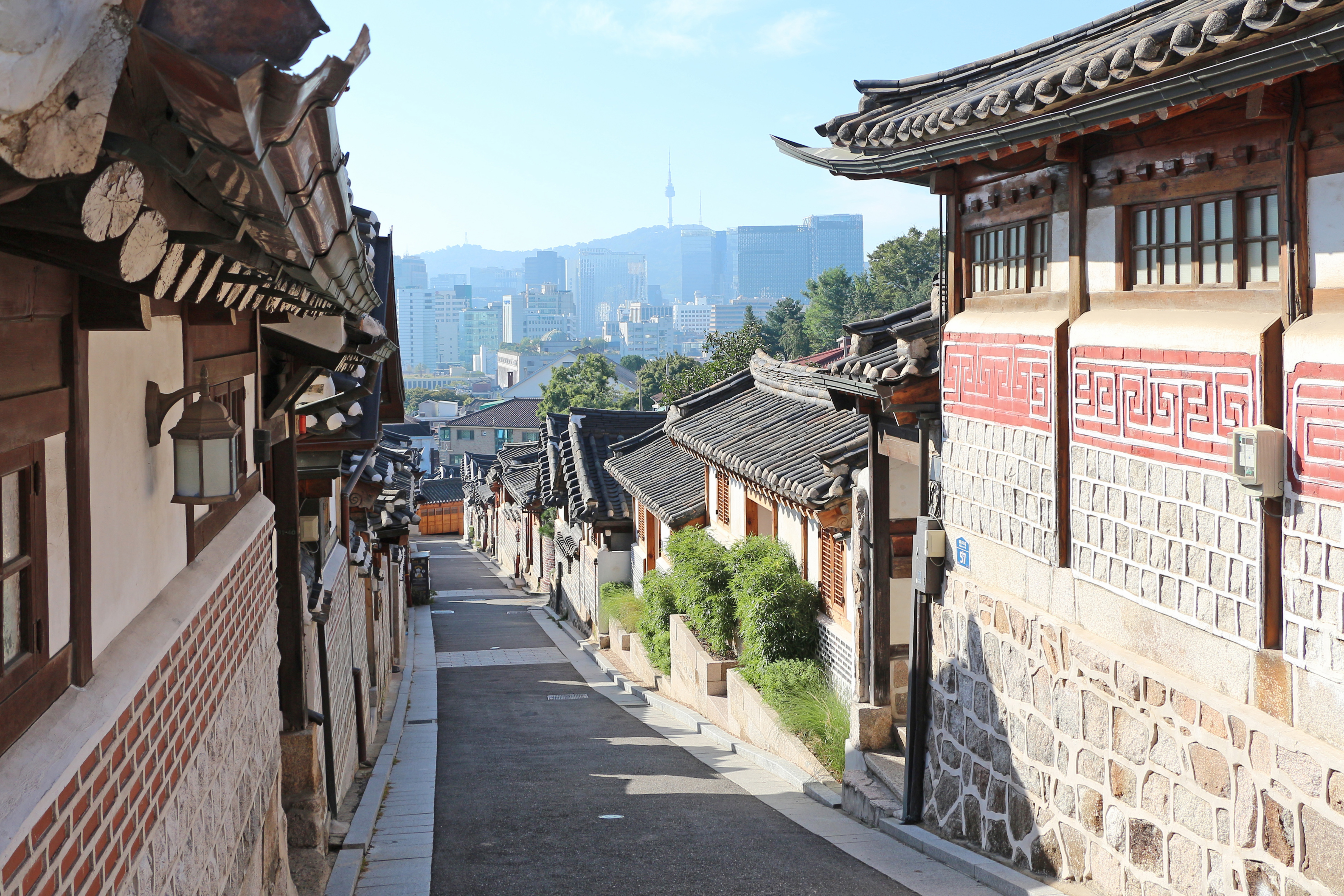
The Hongdae District: Seoul's K-pop Heartbeat
Hongdae is where K-pop actually lives.
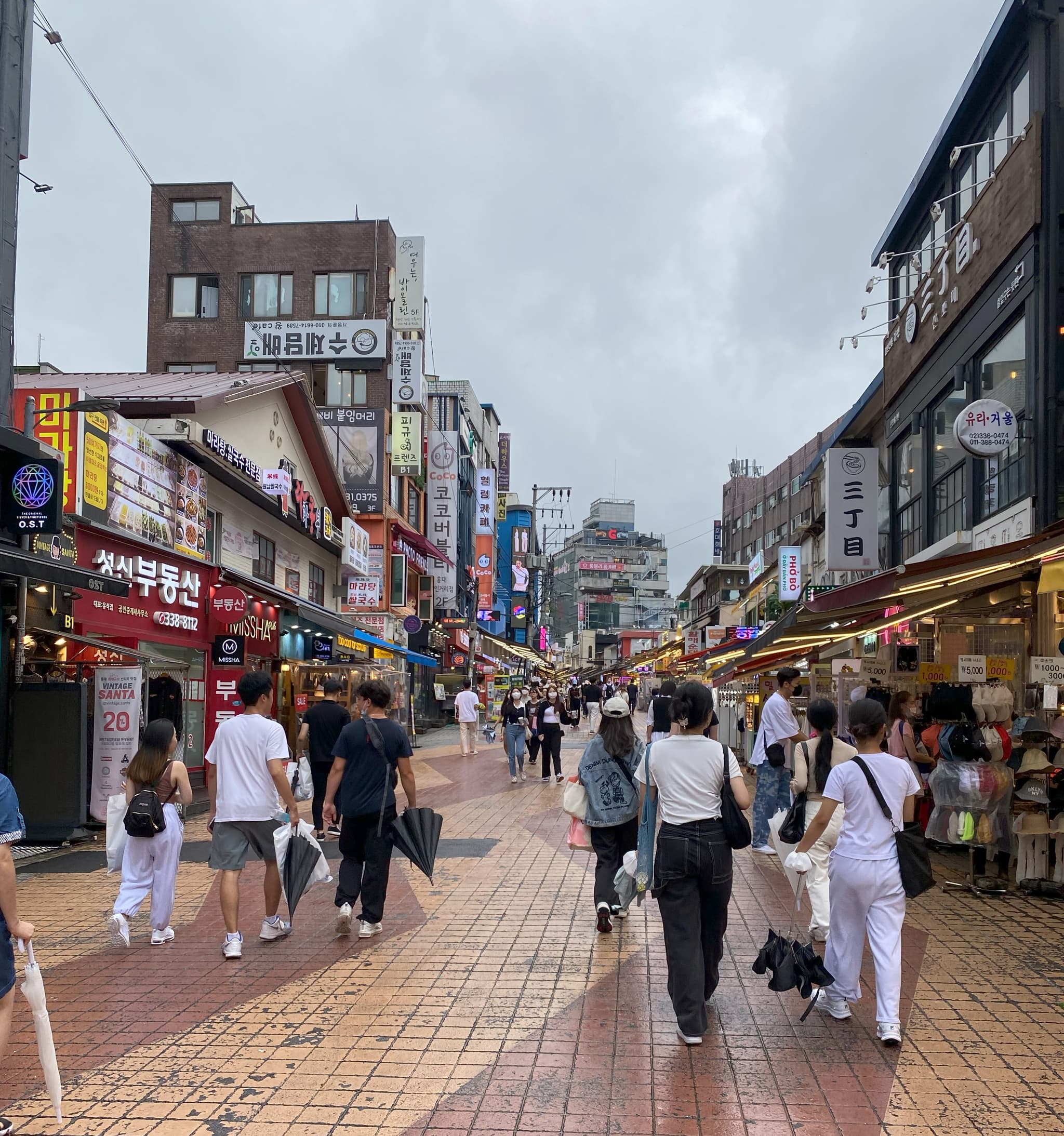
Not in the polished way of the music shows or the formal fan events. But on the ground level — in the streets around Hongik University where music culture has been evolving since the 1990s, in the independent music venues, the fan merchandise shops, the cafes where you can tell from the walls exactly which idol the owner adores.
The Hybe headquarters building sits in this district, in Mapo-gu near Wangsimni — a glass-and-steel tower that fans have turned into an unofficial pilgrimage landmark. You can walk past it. You can't go in without scheduled access, but the exterior area has become a gathering point in its own right, especially when new music drops or tour dates are announced.
What I love about exploring Hongdae as a fan is that it doesn't feel staged. It feels like a real neighborhood that happens to have been colonized by music culture over decades.
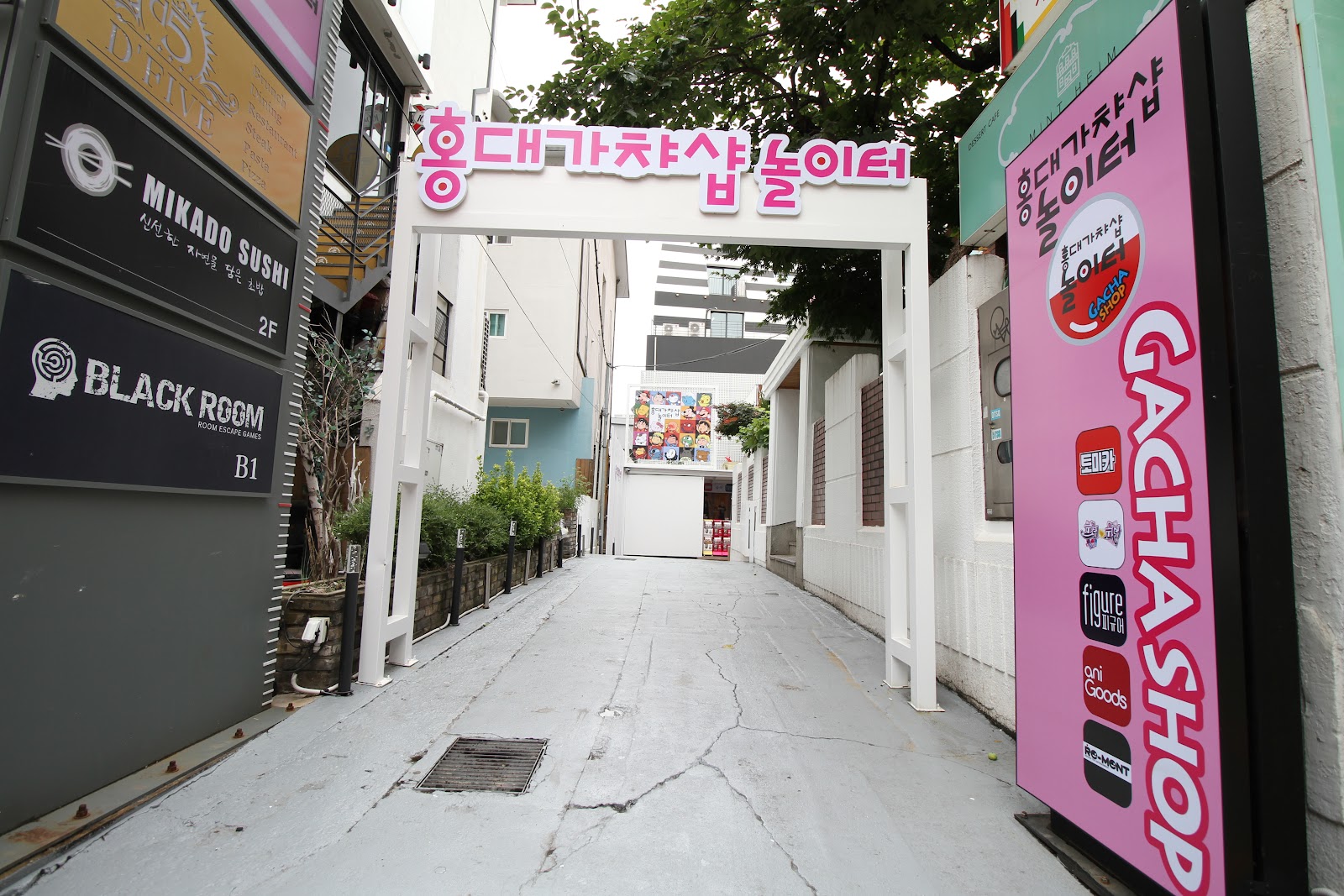
The fan merchandise area concentrates around the main Hongdae pedestrian street and the alleys branching off toward the playground park. Here you'll find:
- Gacha shops (뽑기샵): capsule toy machines loaded with idol photocards, keyrings, random merch
- Fan cafes: spaces dedicated to specific artists, often decorated floor-to-ceiling with that idol's images, selling themed drinks
- Album stores: independent shops with deep back catalogs and import editions you won't find at chain stores
- Celeb photo spots: corners and walls where fans leave hand-lettered messages or miniature altars of fan art
The Hongdae Playground (홍대 놀이터) is the heart of all this. The small park at the center of the pedestrian area fills with street performers, fan meetups, and the particular electricity of a place where youth culture has concentrated for thirty years.
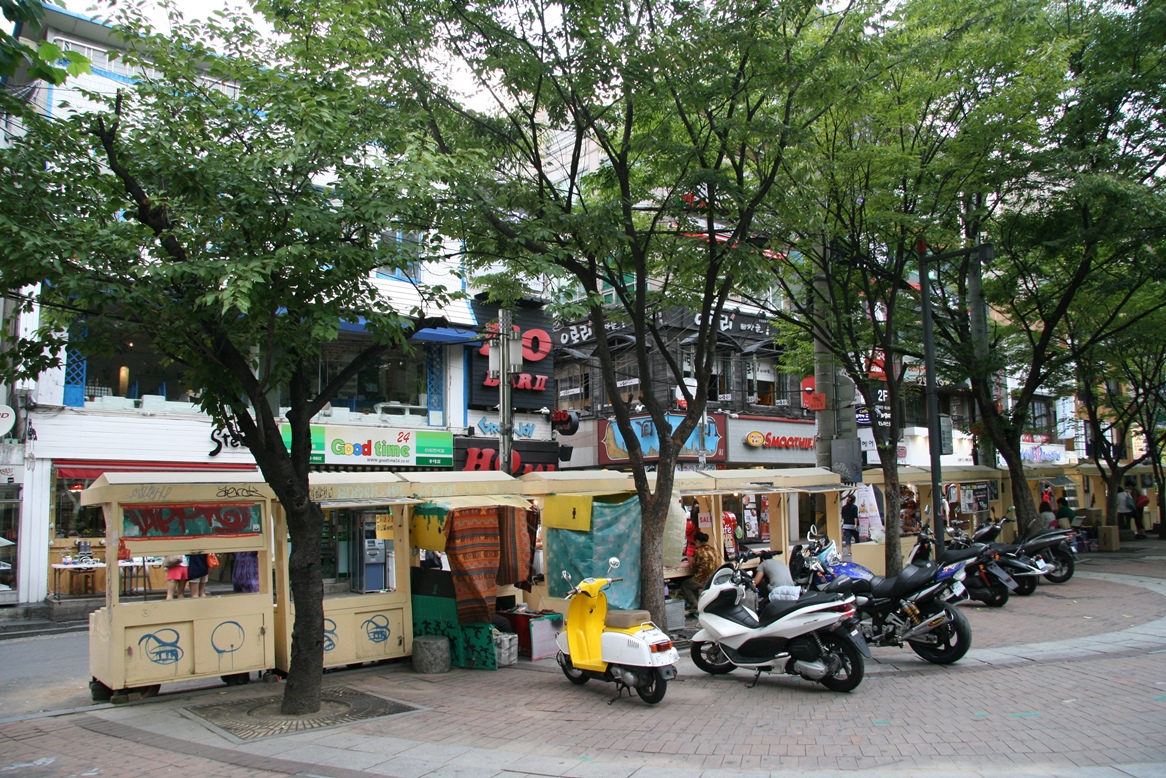
Getting around Hongdae:
- Station: Hongdae Station (Line 2 / Airport Railroad / Gyeongui-Jungang), Exit 9
- Time to spend: Half a day minimum to properly explore
- Best days: Weekends bring the most energy, but weekdays are better for browsing without crowds
- Tip: Wear comfortable shoes. The real discoveries are in the smaller alleys branching off the main pedestrian street, not on it.
Insadong: Where the Older Seoul Meets Fan Culture
Seoul's cultural geography has a way of collapsing eras together. Nowhere is this more obvious than Insadong, the neighborhood that connects Gwanghwamun and Tapgol Park to the north of the city.
Insadong is traditionally known as the street of art galleries, traditional tea houses, and craft shops. It's the neighborhood where antique dealers and calligraphy studios have operated for generations. All of that is still true.
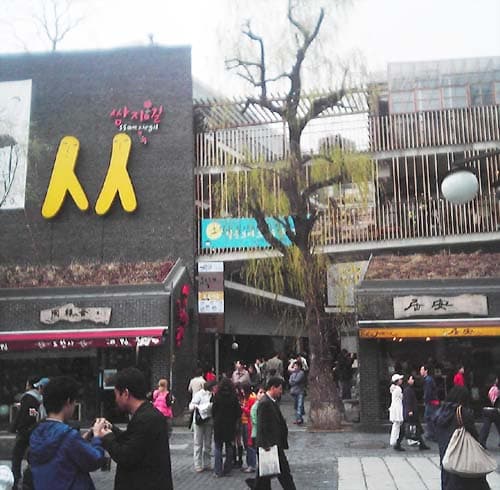
But walk through Ssamziegil (쌈지길) — the circular courtyard mall that opens off the main street — and you'll find K-pop culture woven into the same fabric as everything else. Fan art prints next to traditional hanji paper. Idol merch alongside handmade ceramics. The boundaries between "traditional culture" and contemporary pop culture here are more porous than they appear on a map.
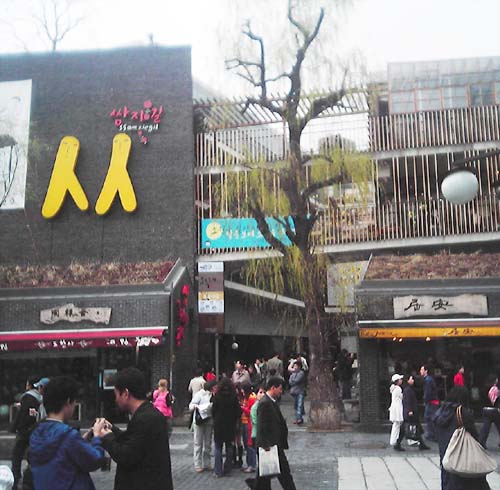
The Insadong neighborhood is also about 10 minutes' walk from Tapgol Park, making it a natural part of the same day route: Gwanghwamun → Tapgol Park → Insadong → Jongno. You can walk the entire route in 2-3 hours, stopping whenever something catches your attention.
Planning Your Concert Tour Visit to Seoul
The global Concert Tour announcement is fresh, and venues and dates are still being confirmed. Here's how to plan ahead.
Ticketing strategy:
- Register early on the official K-pop Demon Hunters fan platform for pre-sale access
- Seoul venue: expect announcement for a major stadium (KSPO Dome, Gocheok Sky Dome, or Seoul World Cup Stadium)
- Korean Melon, Yes24, and Interpark are the major domestic ticketing platforms — set up accounts before sale dates
Where to stay:
- For Hongdae access: Mapo-gu guesthouses or hotels near Hongdae Station put you in the center of fan culture
- For palace/central access: Jongno or Insadong guesthouses connect easily to Gwanghwamun and the K-drama filming circuit
- Both: Seoul's subway makes it manageable from most central locations
Music shows during your trip:
- Music Bank (KBS Hall, Yeouido): Friday recordings, fan tickets available through fan clubs
- Inkigayo (SBS Ilsan): Sunday recordings, different campus but regular schedule
- Both shows book quickly — apply through official fan club channels months in advance if possible
The K-pop filming location route:
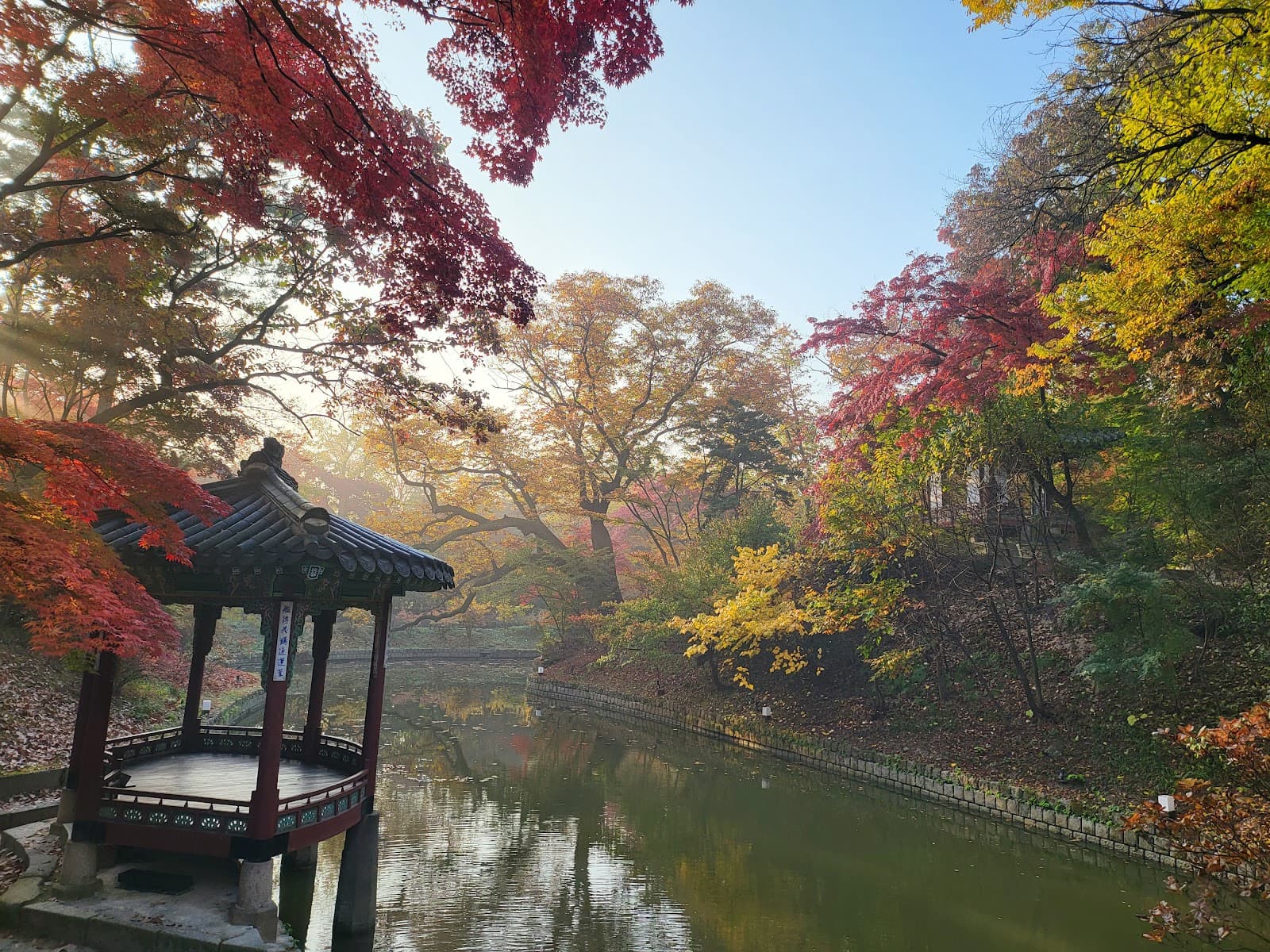
Combine with the K-drama filming locations guide for a full day of cinematic Seoul exploration. Changdeokgung Secret Garden, DDP, and Seongsu-dong complete the picture of the spaces that Korean pop culture has chosen again and again.
What Fan Visitors Ask Me
Is it worth visiting Tapgol Park even if it's small? Yes, if you're interested in the location connection and the history layer beneath it. It's only 30 minutes, and the 1919 independence movement context makes the space more interesting once you understand it. Don't make it your only stop in the area — combine with Insadong or Jongno.
Can I go inside Hybe headquarters? Not without a scheduled tour or fan event. The building does have a Weverse Square fan store on the ground floor that's open to the public — that's the most accessible way to engage with the physical space.
What's the best time to visit Gwanghwamun as a fan? For quiet photography: weekday mornings before 9am. For the experience of Seoul in motion — people moving through the square, the cityscape alive — weekday late afternoon.
Do I need to speak Korean to navigate the fan neighborhoods? Not really. Hongdae in particular is used to international visitors. Most fan merchandise shops have English labels or will use phones to communicate. The music show ticketing processes are more complex, but dedicated English-language fan communities on Reddit and Twitter guide visitors through step by step.
Is the concert tour worth planning a trip around? If you're a Hallyu fan, Seoul as the base city makes total sense regardless of the concert. The neighborhoods, the filming locations, the music culture street level — all of that exists independently of any single show. The concert is the anchor; the city is the reason to stay longer.
Found during my morning walk through Gwanghwamun: A fan had left a small laminated card propped against the base of the King Sejong statue — not a shrine, just a simple handwritten note thanking the city for the stories it keeps producing. No date. No signature. Just a note from someone who made the trip.
I left it where it was.