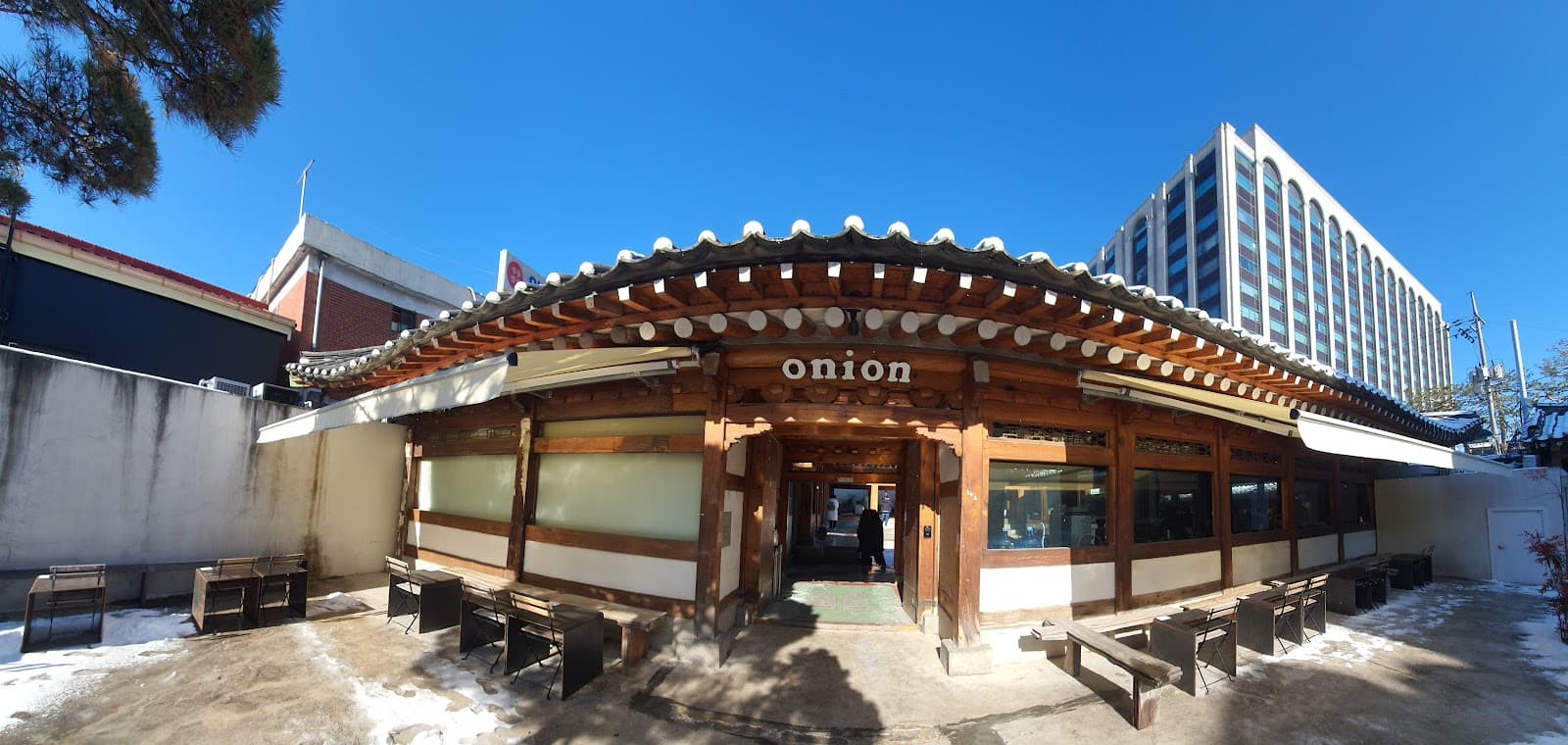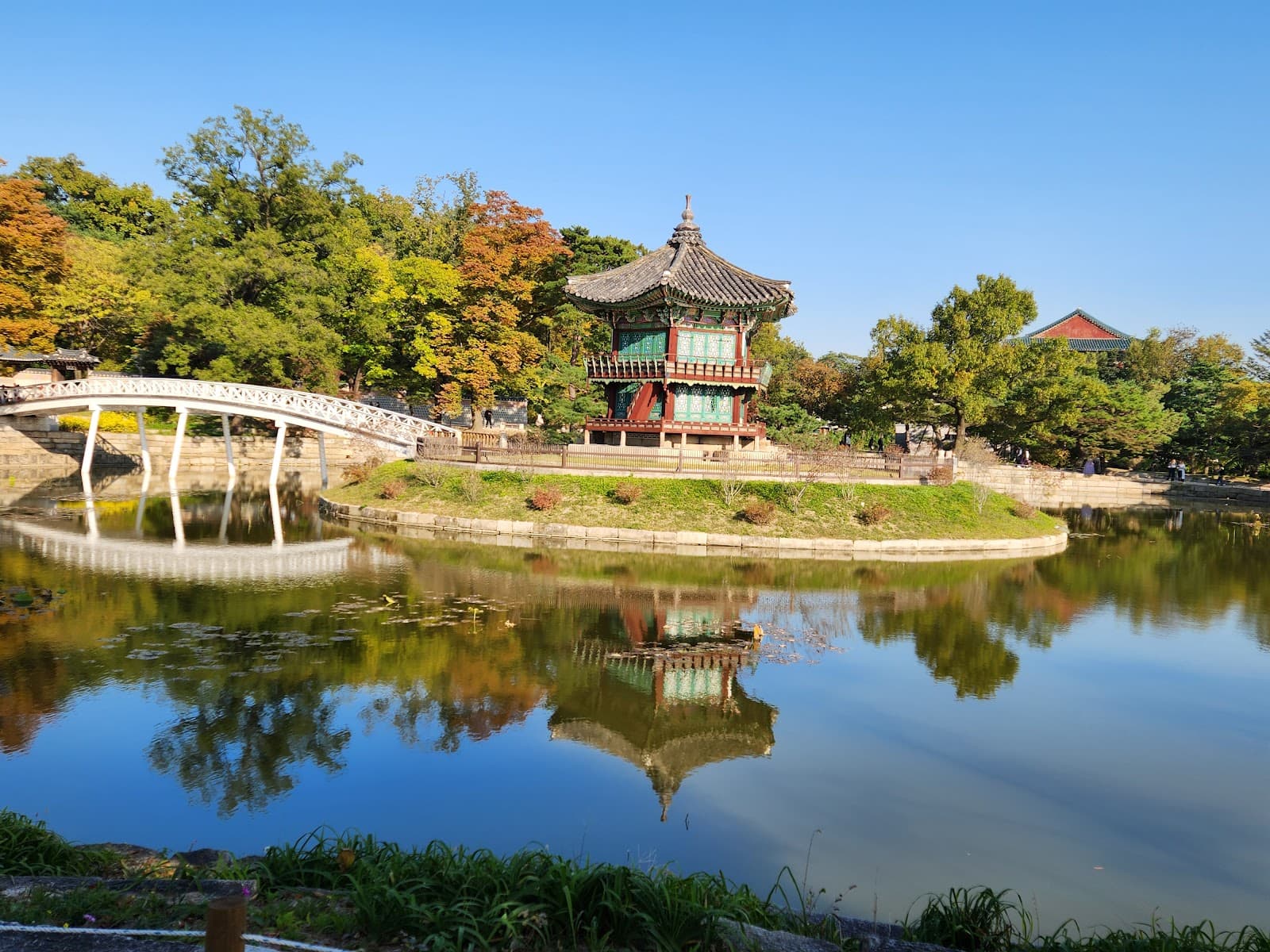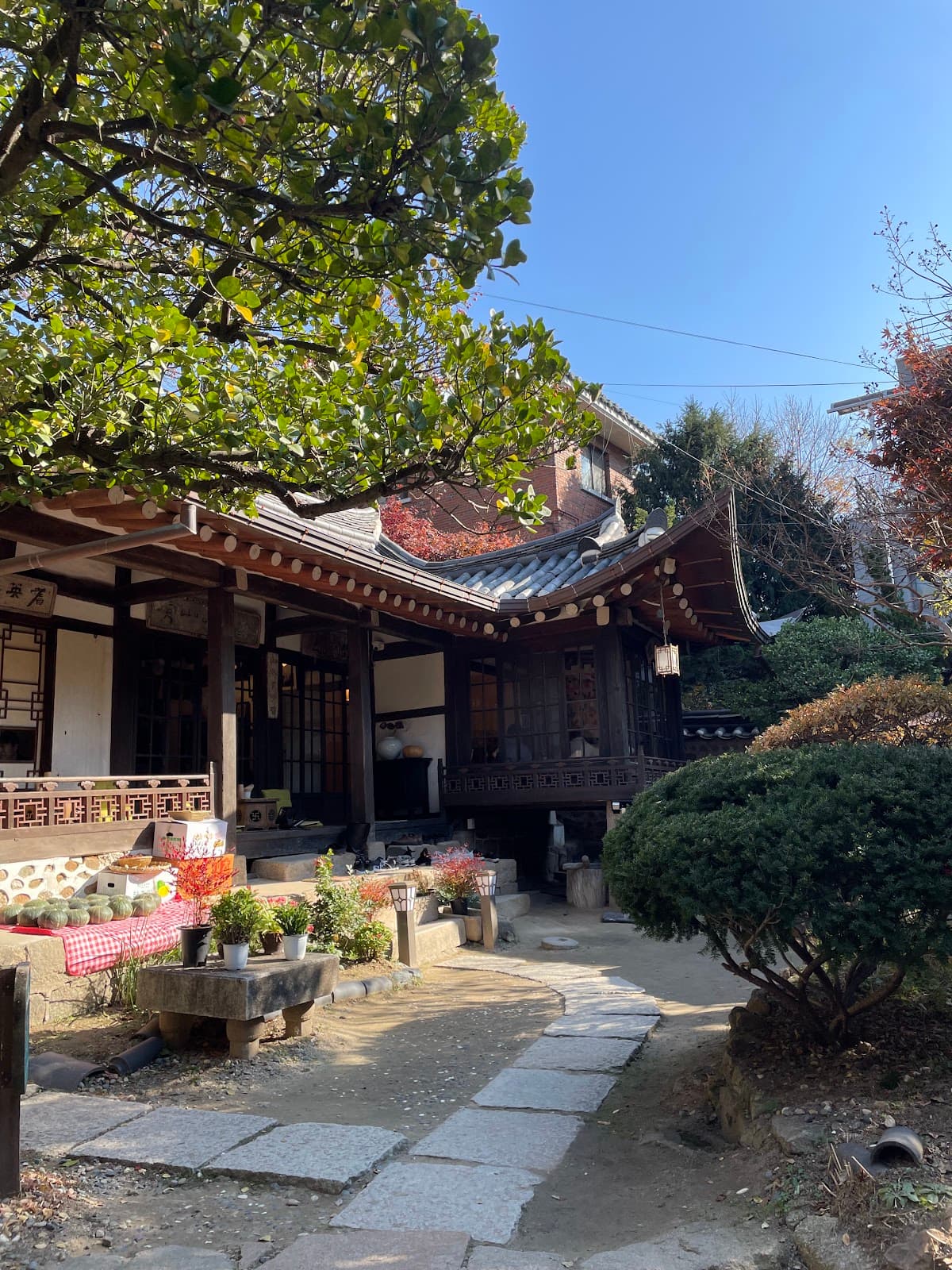

Seongbuk-dong: Seoul's Quiet Literary Village
I found Seongbuk-dong the way I find most places worth knowing — by taking a wrong turn.
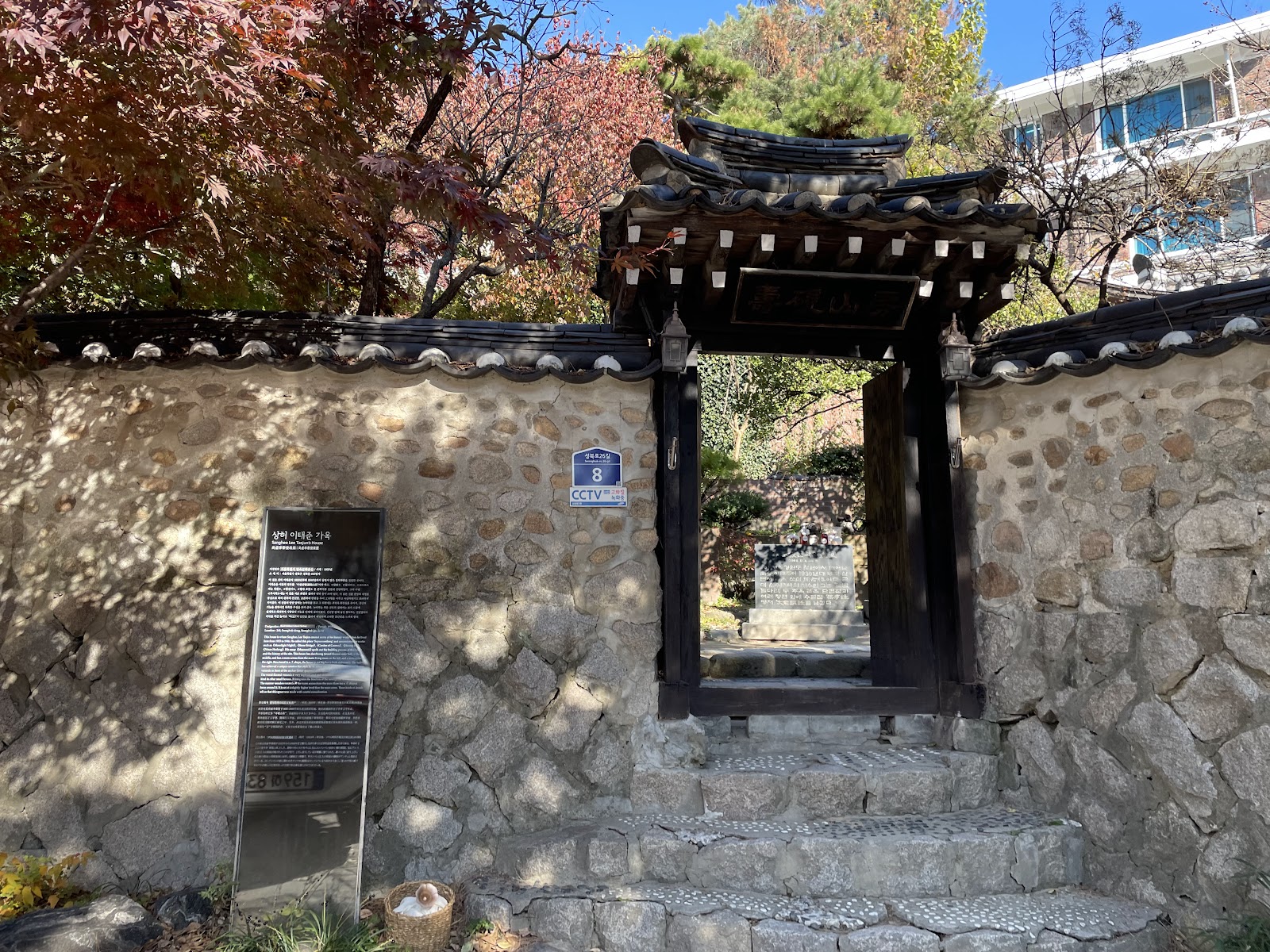
I was heading back from Samcheong-dong one afternoon in early spring, and instead of following the main road downhill toward Hyehwa Station, I followed a narrow lane that curved upward along a stone wall. The lane narrowed. Old trees leaned over the path. A small wooden sign pointed toward something called "수연산방" — Suyeonsanbang.
Thirty minutes later, I'd found one of Seoul's most quietly extraordinary neighborhoods.
The Neighborhood That Writers Called Home
Seongbuk-dong has been an enclave for artists and intellectuals since the 1930s. During the Japanese colonial period, when Korean writers couldn't freely express themselves in print, many gathered on these hillside streets north of the old palace district — a remove from the city center that felt, in those years, like breathing room.
The writer Yi Tae-jun built his house here in 1933. He called it Suyeonsanbang — roughly, "the room where the inkstone is kept." His frequent visitors included Yi Sang, one of Korean literature's most radical modernists, and the poet Jeong Ji-yong, whose lyrical descriptions of the Korean landscape made him a national figure. Kim Yu-jeong, the beloved short story writer, walked these same paths.
These names may mean little without a background in Korean literature. But the fact of what happened here — writers gathering in a hillside hanok to discuss their work under occupation — gives Seongbuk-dong a weight that you can almost feel walking the old lanes.
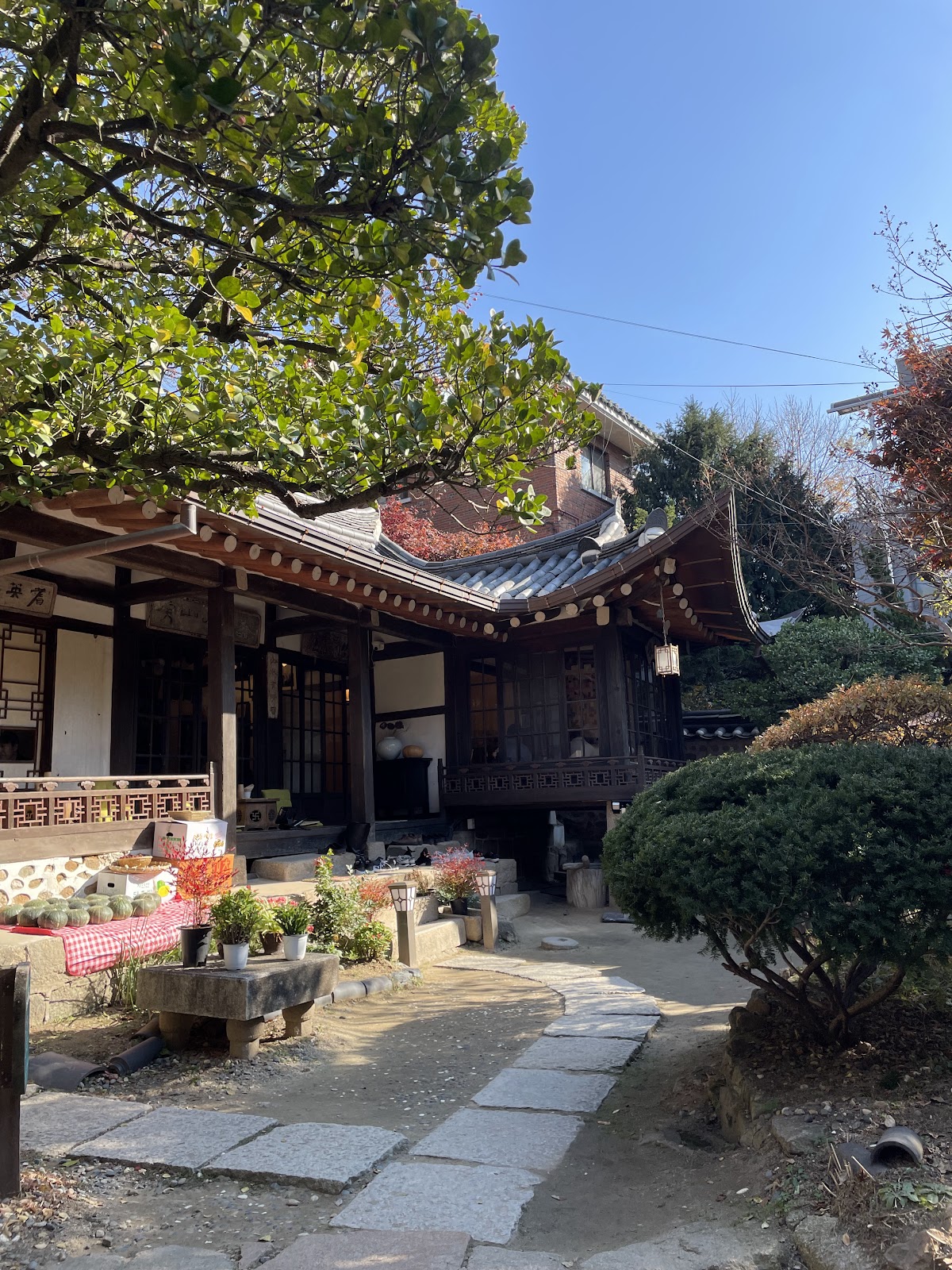
Suyeonsanbang: A Tea House Built on Stories
Suyeonsanbang is Yi Tae-jun's actual 1933 residence, now operating as a traditional tea house. It's been designated a Seoul City Folk Cultural Property, which in practice means it looks almost exactly as it did when the writer lived here.
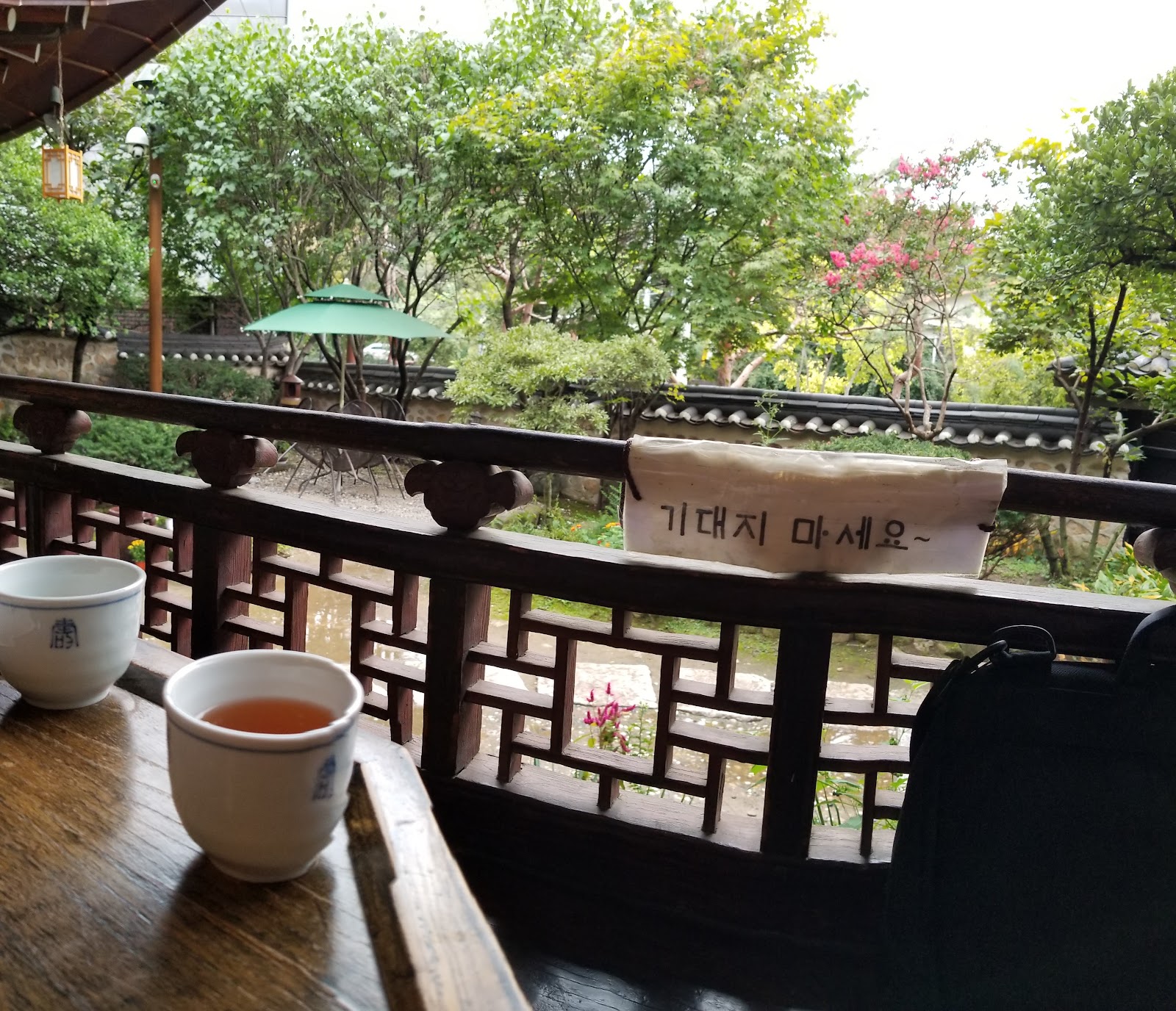
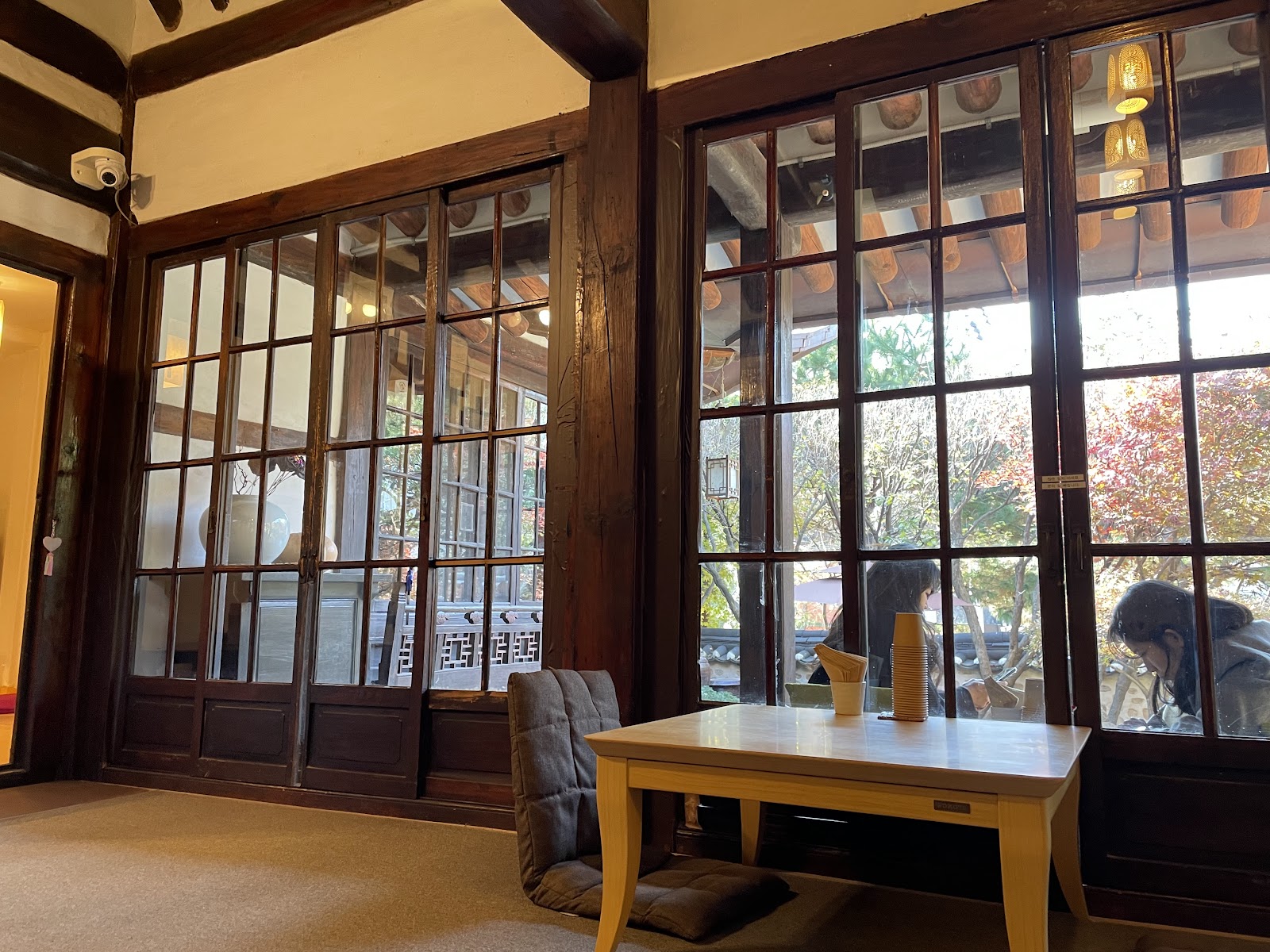
The best seat is in the outer room of the sarangbang — the men's quarters. Traditional hanji paper walls have been replaced with glass panels, so you can sit cross-legged on a heated floor mat and look directly into the courtyard garden. When forsythia blooms in late March, the courtyard goes yellow in a way that makes you want to stay much longer than planned.
The tea menu runs traditional Korean varieties — jujube, pine needle, omija (five-flavor berry), chrysanthemum. In warmer months, the sweet pumpkin bingsu (shaved ice) draws people who would normally never think of themselves as tea house visitors. The ceramic cups are simple. The service is quiet.
There's a handwritten note on the veranda railing that reads, roughly, "Don't expect too much." I love that note. You only write something like that when you know your place is genuinely extraordinary.
Suyeonsanbang practical info:
- Address: 8 Seongbuk-ro 26-gil, Seongbuk-dong, Seongbuk-gu, Seoul
- Hours: Daily 11:30–21:00 (last order 20:30)
- Closed: Tuesdays and the third Sunday of each month
- Best order: Omija tea or jujube tea in spring; pumpkin bingsu in summer
Spring Arrives Quietly Here
Seongbuk-dong in March and April is one of the city's better-kept seasonal secrets. The forsythia on the slopes of Bukaksan — the mountain forming the neighborhood's northern edge — blooms at the same time as the famous spots in Yeouido and Seokchon. Almost nobody makes the trip up here for it.
The Seongbuk Stream (성북천) runs through the lower neighborhood before joining the Cheonggyecheon further south. Along its banks in late March, cherry trees and magnolias bloom in a relatively quiet stretch that local families treat as their private spring announcement.
Walking the lanes above Suyeonsanbang — where houses get older and quieter the further you go — you find long stone walls, elderly ginkgo trees, and occasional views down over the city rooftops. Not spectacular views. Intimate ones.
Gilsangsa: Seoul's Most Surprising Temple
About fifteen minutes deeper into the hills from Suyeonsanbang is Gilsangsa (길상사), a Buddhist temple with one of Seoul's more remarkable origin stories.
In the 1970s, this site housed Daewongak — one of the most famous, and expensive, restaurants in Korea. A woman named Kim Young-han operated it. In 1987, she read a Buddhist text by the monk Beopjeong and was so moved that she wrote to him offering to donate her entire property. He declined. She wrote again. He declined again. She wrote a third time. He accepted.
Gilsangsa opened as a temple in 1997. The restaurant buildings were converted into temple halls. The garden that had been designed for Seoul's wealthy became a place for quiet walking and reflection.
In spring, the grounds fill with forsythia, flowering plum, and azaleas. Admission is free. You're welcome to walk quietly and stay as long as you like.
Getting There & Finding Your Way
From Samcheong-dong: Walk north past the Constitutional Court and follow the road uphill. About 20–25 minutes on foot — and it's a walk worth taking.
From Hyehwa Station (Line 4): Exit 1, walk uphill into the Daehakno area and continue north. About 20–25 minutes, or take bus 1111 or 2112 to Suyeonsanbang.
By bus: Routes 1111 and 2112 run along Seongbuk-ro and provide the most direct public transit access.
Getting around: Seongbuk-dong is entirely a walking neighborhood. The slopes are real but gentle. Comfortable shoes are the only requirement.
What Visitors Ask Me About Seongbuk-dong
Is Seongbuk-dong touristy? Not really. A few visitors find their way to Suyeonsanbang, but the neighborhood itself is primarily residential. You'll be somewhere that still belongs to its residents.
How long should I spend here? A half day is ideal. Arrive around 11 AM, walk from the stream up to Suyeonsanbang for tea, continue up to Gilsangsa, then walk back and catch a bus or subway out. Three to four hours of comfortable pacing.
Is spring the best time to visit? Yes, clearly. The forsythia on the hills and cherry blossoms along the stream in March and April make this one of the most quietly beautiful spring walking routes in Seoul. Come before more people discover it.
What if the tea house is closed? Suyeonsanbang closes on Tuesdays and the third Sunday of each month. Check before you go. Even if it's closed, the walk to Gilsangsa is absolutely worth the trip.
Can I combine this with Bukchon or Samcheong-dong? Easily — and I'd recommend it. Samcheong-dong in the morning for galleries and cafes, then walk north into Seongbuk-dong for the afternoon. The transition is gradual and the contrast between the two is part of what makes both worth visiting. Also consider walking the Seoul City Wall — the Naksan section passes near the eastern edge of the neighborhood.
Found during my morning walk through Seongbuk-dong: A weathered stone marker beside the path to Suyeonsanbang, pointing toward "길상사 — 850m." No website, no hours, no QR code. Just the name and the distance. In Seongbuk-dong, that's apparently everything you need to know.