
Samcheong-dong Guide 2025: Seoul's Art Heart in Gallery Alleyways
Spring 2022. First time I walked Samcheong-ro.
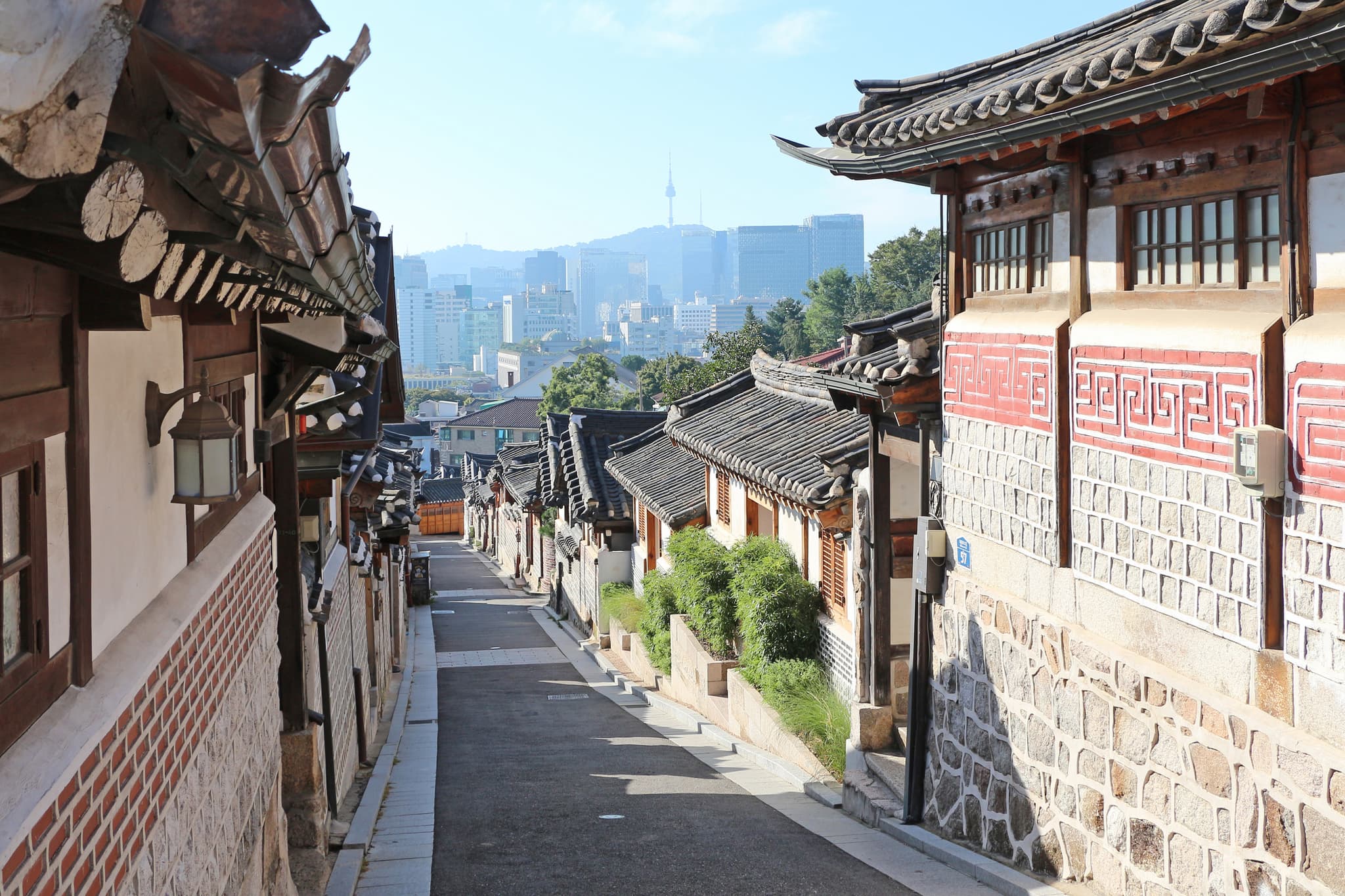
Following the east wall of Gyeongbokgung Palace, I turned a corner and the world shifted. Hanok tile roofs alongside modern gallery signs. A quiet alley tea house next to a main road where tour buses passed.
"This neighborhood used to be full of aristocratic mansions." That's what the gallery director told me—she'd run her space here for 30 years. During the Joseon Dynasty, Samcheong-dong housed royal family members and yangban nobles. Close to Gyeongbokgung Palace, see.
Those aristocratic estates started transforming into galleries in the 1990s. The traditional hanok atmosphere worked perfectly for exhibiting contemporary art. By the 2000s, cafes and restaurants appeared, completing today's Samcheong-dong.
2025 now. Samcheong-dong is Seoul's most cultural neighborhood. Higher gallery density than Insadong, home to the National Museum of Modern and Contemporary Art Seoul, Michelin-listed restaurants. Right next to Bukchon Hanok Village, where tradition and modernity fit in one frame.
Let me show you the real Samcheong-dong I've discovered across 20+ visits.
What Makes Samcheong-dong Special
What's different from other gallery districts? Three things.
Gallery Density is Different
Average 5-6 galleries per block on Samcheong-ro. Just open a door while walking and you're in an exhibition. All the Korean contemporary art heavyweights are here: Kukje Gallery, Hakgojae, PKM Gallery, Gallery Hyundai.
Insadong mixes galleries with antique shops. Cheongdam-dong places galleries between luxury brands. Samcheong-dong is 100% pure gallery street. People come to galleries to see galleries.
Architecture Tells Stories
Galleries converted from hanok are special. Walk through the door and artworks hang where the main hall used to be, installation art in the courtyard. Exhibition spaces arranged following the original Joseon Dynasty aristocratic mansion layout.
Hakgojae Gallery is the prime example. In 1990, they turned a hanok estate directly into a gallery. Experiencing contemporary art in a traditional Korean tile-roofed courtyard—where else but Samcheong-dong?
From Museum to Tea House in One Neighborhood
Morning at MMCA Seoul viewing Nam June Paik, lunch at Samcheong-dong Sujebi, afternoon touring 3-4 galleries, evening tea at a hanok cafe. All possible within a 10-minute walk.
Every stage of consuming culture exists in one neighborhood. That's why Samcheong-dong is Seoul's art heart.
Samcheong-dong's Three Districts
To properly understand Samcheong-dong, divide it into three areas. Each has completely different vibes.
Samcheong-ro Gallery Street - Contemporary Art Center
The stretch from Anguk Station Exit 1 going up Samcheong-ro. This is the famous "Gallery Street."
PKM Gallery is the first landmark. 5-minute walk from Exit 1. Two-story white building. Mainly holds exhibitions by established Korean artists. Free admission, open Tue-Sat 10am-6pm. Closed Sundays, note that.
Further up you'll find Kukje Gallery's K1, K2, K3 three spaces. Korea's top contemporary art gallery. Exhibition quality is no joke. The David Hockney show I saw there in 2023 still sticks with me.
One gallery tour tip: most are free. Just open the door and walk in. Say "I'm here to view the art" and they'll kindly guide you. Photos are mostly prohibited, so ask first.
Bukchon-ro Hanok Cafe Alley - Tradition Transformed
Small alleys branching off Samcheong-ro toward Bukchon. This is the real hidden gem.
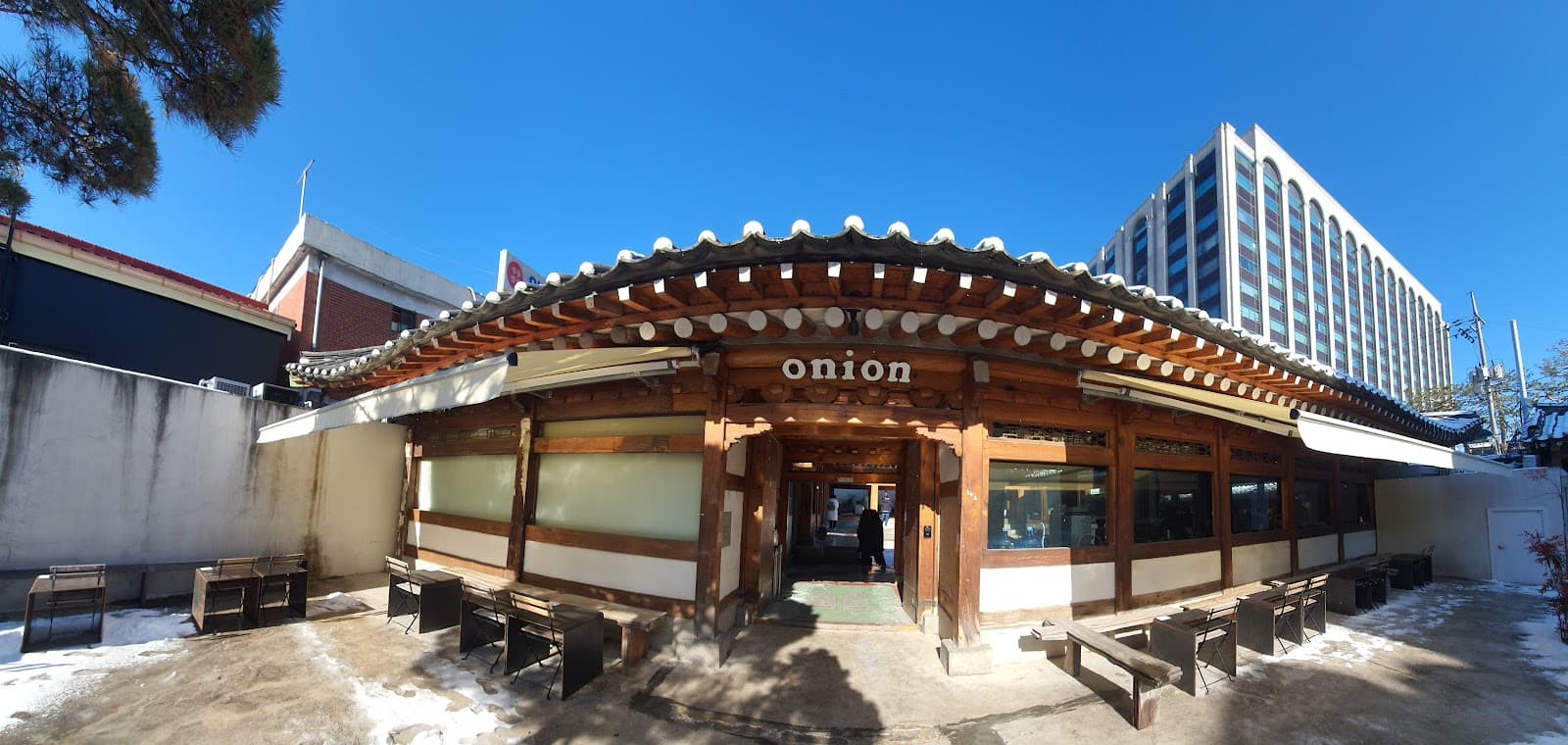
Cafe Onion Anguk represents this district. Entire hanok converted to a cafe. Eating pandoro in a hanok courtyard, try it. Pricey (pandoro ₩8,000). But think of it as supporting hanok preservation while running a cafe and it makes sense.
I recommend before 10am on weekends. After that expect lines.
Green Mile Coffee Bukchon has a rooftop on the hanok's second floor overlooking all of Bukchon Hanok Village. Hand-drip coffee from ₩7,000. Here they compete on coffee quality. Quiet weekday afternoons 2-4pm.
Samcheong Park Direction - Local Territory
At the end of Samcheong-ro sits the Samcheong Park entrance. Fewer tourists reach here. Quiet restaurants and cafes where neighborhood residents go.
Here you can glimpse real Samcheong-dong resident life. The bakery where gallery staff grab breakfast on their 7am commute, the kalguksu place where office workers from nearby buildings line up at lunch. The neighborhood's non-touristy face.
MMCA Seoul: Don't Miss It
The most important space in Samcheong-dong. The National Museum of Modern and Contemporary Art Seoul (MMCA Seoul) opened in 2013.
Why important? Two reasons.
Mecca of Korean Contemporary Art
Has a Nam June Paik permanent exhibition room. The only place to see works by Nam June Paik, the world-renowned media artist Korea produced, all in one spot. All the representative pieces by this "father of video art" are here.
Special exhibitions maintain high standards too. The Lee Bul retrospective I saw summer 2024 was shocking. Properly showed what Korean contemporary art is about.
The Architecture Itself is Art
Merged Joseon-era building sites with modern architecture. Preserved the existing Sogyeokseo (Joseon royal institution) site while adding glass and concrete modern construction.
Multiple courtyards. Each courtyard has outdoor installation artworks, and courtyards connect to the next exhibition hall. Applied the traditional Korean architectural courtyard concept to a contemporary art museum.
Visitor Info
- Admission: ₩2,000 (remarkably cheap)
- Hours: Tue-Sun 10am-6pm, Wed/Sat 10am-9pm
- Closed: Mondays, Lunar New Year, Chuseok
- Time needed: Plan minimum 2 hours
My recommended route: 1F Nam June Paik room → 2-3F special exhibitions → rooftop garden → 1F courtyard installations. Perfect sequence.
Places I Visit Every Time
My personal routine found across 20+ Samcheong-dong visits.
Gallery Tour Route (Morning Course)
Start Anguk Station Exit 1 → PKM Gallery (20min) → Kukje Gallery K1, K2 (30min each) → Hakgojae Gallery (30min) → lunch at Samcheong-dong Sujebi.
Basic 3-hour course. Most galleries open at 10am, so starting at 10:30am gets you to lunch at 1:30pm.
Take your time inside galleries. Stand before artworks for 5 minutes each. Ask gallery staff. "Do you have other works by this artist?" They'll explain kindly. That's gallery culture.
Hanok Cafe Afternoon (Weekday Recommendation)
Weekday afternoons 2-5pm are Samcheong-dong's golden hours. After lunch peak, before dinner, quiet.
Sit in Cafe Onion Anguk's courtyard seat eating pandoro while admiring hanok architectural details. Each tile, the grain of the wooden floor, the window lattice. See the fun in how they turned a 300-year-old hanok into a cafe.
Go up to Green Mile Coffee's 2F rooftop. Bukchon Hanok Village rooftops visible at a glance. Order hand-drip and the barista brews it right there. Time spent smelling coffee while viewing hanok scenery, definitely have it.
Evening Walk Course (Twilight)
Twilight around 5-6pm is when Samcheong-dong looks prettiest. Sunset light enters the alleys and gallery lights start turning on one by one.
Walk slowly down Samcheong-ro checking out artworks visible through gallery windows. Even when closed, you can see from outside. Illuminated artwork reflecting in glass has a special charm.
Enter alleys toward Bukchon-ro and hanging lanterns from hanok eaves look beautiful. Good time for photos.
Samcheong-dong Sujebi: Why People Line Up
Can't discuss Samcheong-dong without mentioning Samcheong-dong Sujebi. Operating from the same spot since 1982.
Michelin Guide selection 2017-2018, 2020-2025. A bowl of sujebi costs ₩8,000 and people line up. Why line up?
They hand-tear the sujebi dough. No machines. So every noodle piece has different shapes. Thin ones, thick ones mixed, creating interesting textures.
Rich broth. Anchovy stock with clams. One spoonful and ocean aroma rushes up. Spicy yet deep flavor.
Tip: Relatively shorter lines right after 11am weekday opening or between 3-4pm afternoons. Lunch hours (12-1pm) and weekends, prepare to wait 30+ minutes.
Location is about midway down Samcheong-ro. Perfect to drop in during gallery tours.
Samcheong-dong by Season
I've been all four seasons. Each season has different charms.
Spring (Mar-May) - Fresh Ginkgo Leaves
New leaves sprout on Samcheong-ro's ginkgo street trees. Feels like walking through a light green tunnel. Prettiest around 10am when new leaves catch sunlight.
Cafe terrace seats fill up fast. Perfect weather for outdoor coffee.
Summer (Jun-Aug) - Museum Escape
When it's hot, escape to the National Museum of Modern Art. Strong AC, cool artwork viewing in spacious halls.
Hottest time 1-3pm, stay in museum 2-3 hours, emerge around 4pm for alley walks.
Fall (Sep-Nov) - Yellow Ginkgo Carpet
Peak is early-mid November. Samcheong-ro ginkgo trees turn yellow. Feels fantastic walking on fallen ginkgo leaf-covered paths.
Weekend crowds during this period get massive. Weekdays recommended if possible.
Winter (Dec-Feb) - Season of Hanok
Snow-covered hanok looks like a painting. White snow on tiles, icicles from eaves. Winter best shows hanok architectural beauty.
Sit inside Cafe Onion Anguk watching courtyard snow. The charm of viewing cold outdoor scenery from warm cafe inside.
Questions Visitors Ask Me
How to get to Samcheong-dong?
Subway Line 3 Anguk Station Exit 1 or 2. Everything reachable on foot.
Can also walk from Gyeongbokgung Station (15min walk). Follow Gyeongbokgung Palace wall east and you hit Samcheong-ro.
How much time should I plan?
Just galleries 3-4 hours, including MMCA Seoul 6 hours, with cafes and meals a full day.
Half-day course: 2-3 galleries + 1 cafe + lunch (4 hours) Full-day course: MMCA + 3-4 galleries + 2 cafes + meals (7-8 hours)
When should I visit?
Weekday mornings are best. Galleries quiet, cafes have seats, alleys peaceful.
Weekends get crowded. Especially avoid fall weekends. Overlaps with Bukchon Hanok Village tourists making Samcheong-ro packed.
Are galleries free?
Most are free. Only MMCA Seoul charges ₩2,000. Some private museums (like Leeum) may charge.
Can I take photos?
Inside galleries mostly photo prohibited. Must ask. Cafes and streets freely photograph.
MMCA Seoul rules vary by exhibition. Check at entrance.
Parking available?
Parking in Samcheong-dong is a nightmare. Almost no parking lots, street parking difficult.
MMCA Seoul has parking but full on weekends. Strongly recommend public transportation.
Samcheong-dong: Why I Keep Returning
Thought about why I don't tire of this place after 20+ visits.
Gallery exhibitions constantly change. New shows every 6-8 weeks. Visit the same gallery three times, see different artwork each time.
Scenery changes by season. Spring new leaves, fall foliage, winter snow. Same alley shows different expressions with seasons.
And this neighborhood holds Seoul's real culture alive. Not trendy hotspots that appear and vanish with fads, but galleries that've upheld Korean contemporary art for 30+ years. You feel that history and depth.
When I emerge from Anguk Station Exit 1 and enter the first Samcheong-ro block, the air changes. Feels like suddenly entering cultural space from busy downtown. I love that moment every time.
Next time you're in Seoul with a free half-day, walk Samcheong-dong. Enter a few galleries, have tea at a hanok cafe, slowly walk the alleys.
You'll understand why Seoul is a cultural city. Samcheong-dong shows that answer.