Ikseondong Guide 2025: Seoul's Hidden Gem Born from 1920s Hanok Alleys
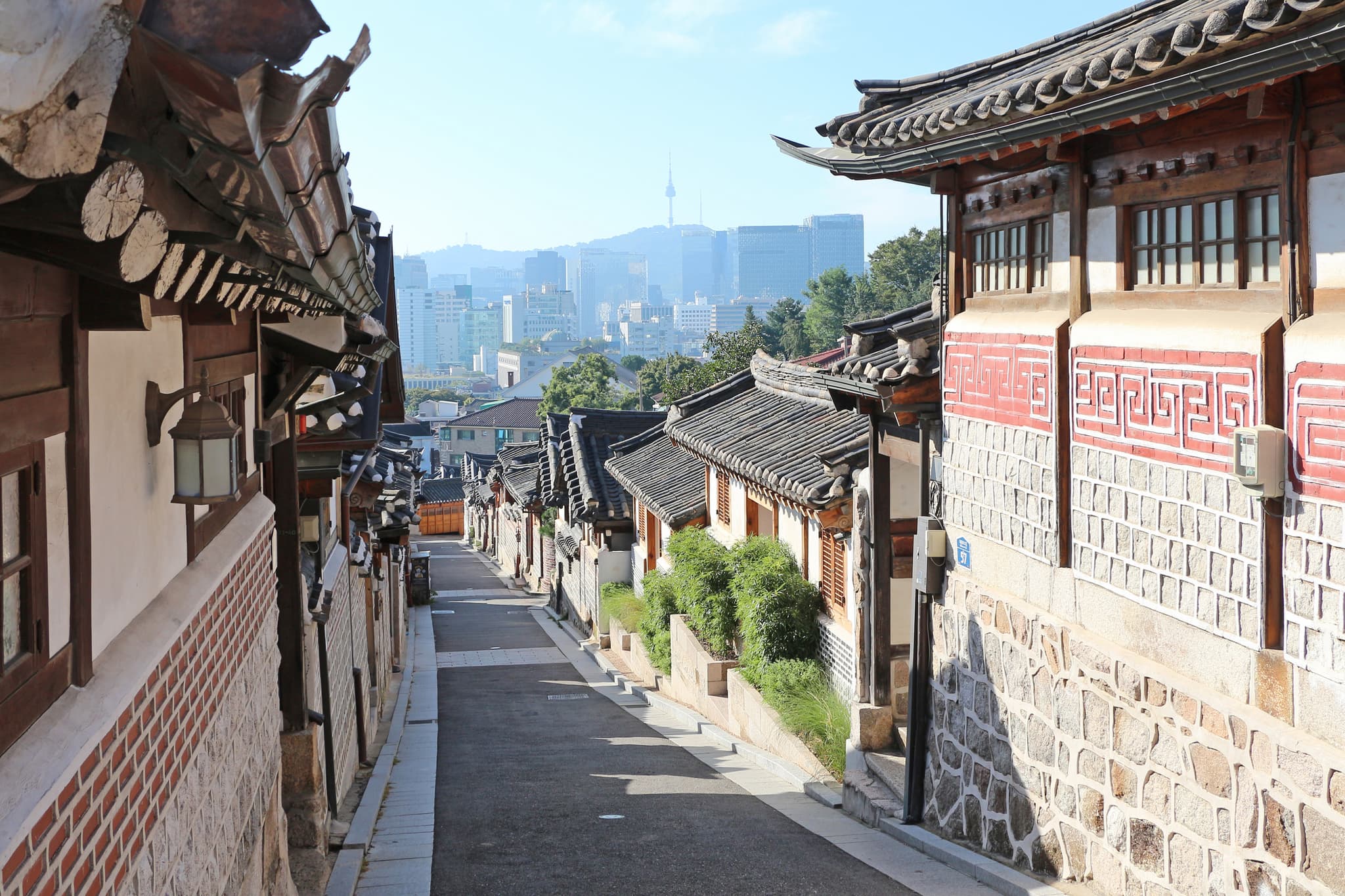
Stepping off the main boulevard near Jongno 3-ga Station into a narrow alley, I felt like I'd traveled back in time. Sunlight filtered through weathered hanok tile roofs, and I spotted a tiny courtyard with bamboo swaying in the breeze.
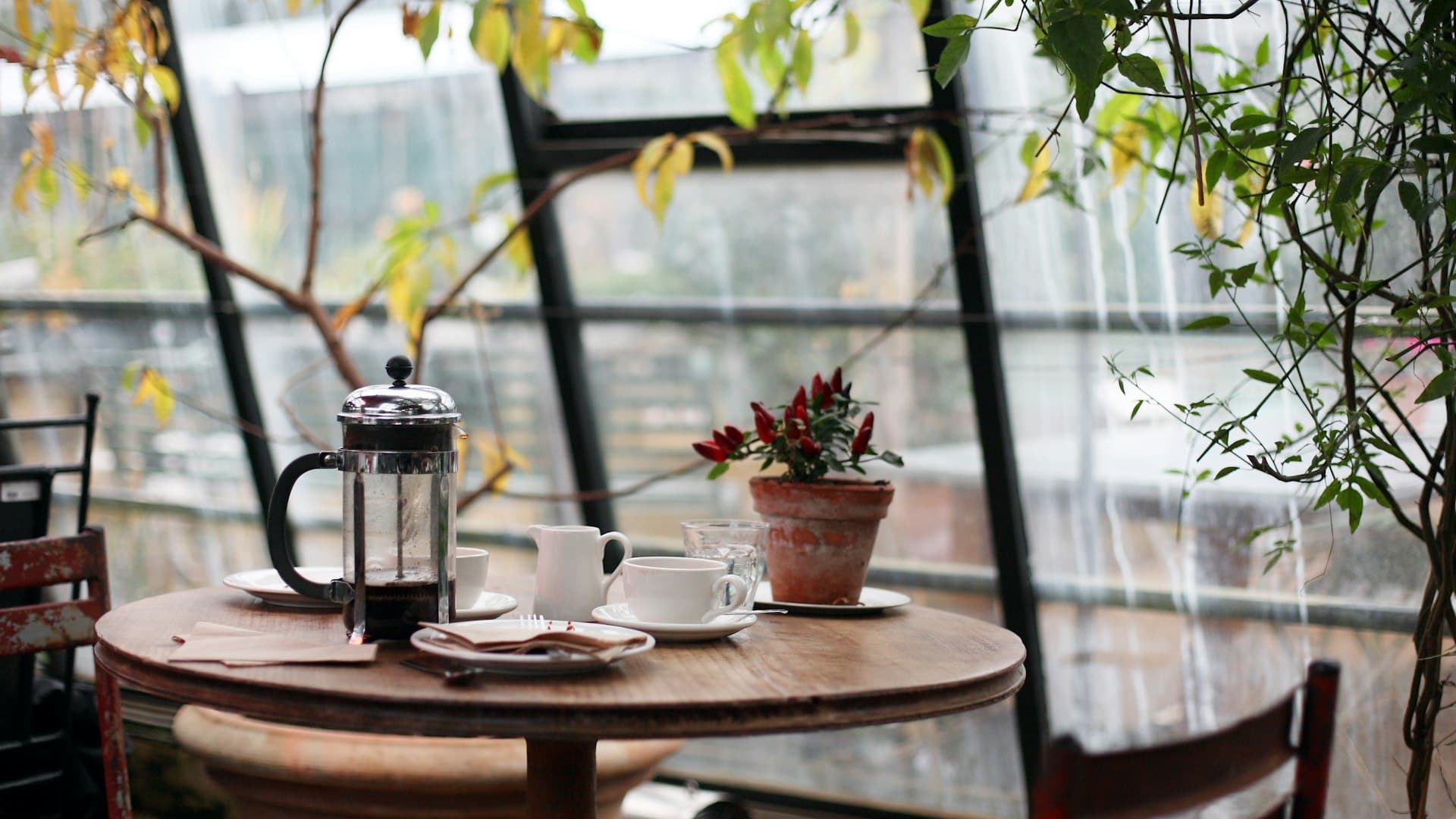
But as I walked deeper into the maze of alleys, something was different. Behind traditional wooden doors, I caught the aroma of soufflé pancakes. Contemporary art hung on century-old walls. Young people sipping espresso in 100-year-old hanok houses. This is Ikseon-dong.
The Transformation: From Forgotten Neighborhood to Hip Alley
Ikseondong's History
Ikseon-dong is Seoul's most unique hanok neighborhood. Unlike Bukchon's aristocratic estates, this wasn't a neighborhood for nobles. It's Seoul's first planned hanok residential development, built in the 1920s during Japanese colonial rule by developer Jung Se-kwon.
Jung packed small hanok houses tightly together for working and middle-class tenants. That's why Ikseon-dong's hanok are tiny and clustered, very different from Bukchon's spacious tile-roofed mansions.
Through the 1990s, Ikseon-dong was just a forgotten working-class neighborhood. Young people left, grandmothers stayed, and redevelopment plans stalled indefinitely.
The 2010s Change
Around 2014, things started shifting. Young entrepreneurs began renting the old hanok and opening cafes and restaurants.
I first visited in 2016. Back then, only a handful of cafes existed, most houses stood empty or housed elderly residents, the alleys were quiet, and tourists were rare.
From 2018, word spread and growth exploded. Search "Ikseon-dong cafe" on Instagram and you'll find tens of thousands of posts. Weekend crowds now pack Seoul's hottest hidden neighborhood.
What Makes Ikseondong Special
Small But Dense
Ikseon-dong is tiny. You can walk the entire area in 10 minutes. But packed into those narrow alleys are over 50 cafes, restaurants, bars, and dessert shops.
This density is Ikseon-dong's charm. Every turn reveals a new space. That hanok cafe you wandered into might become your favorite Seoul spot.
Hanok Meets Modern Design
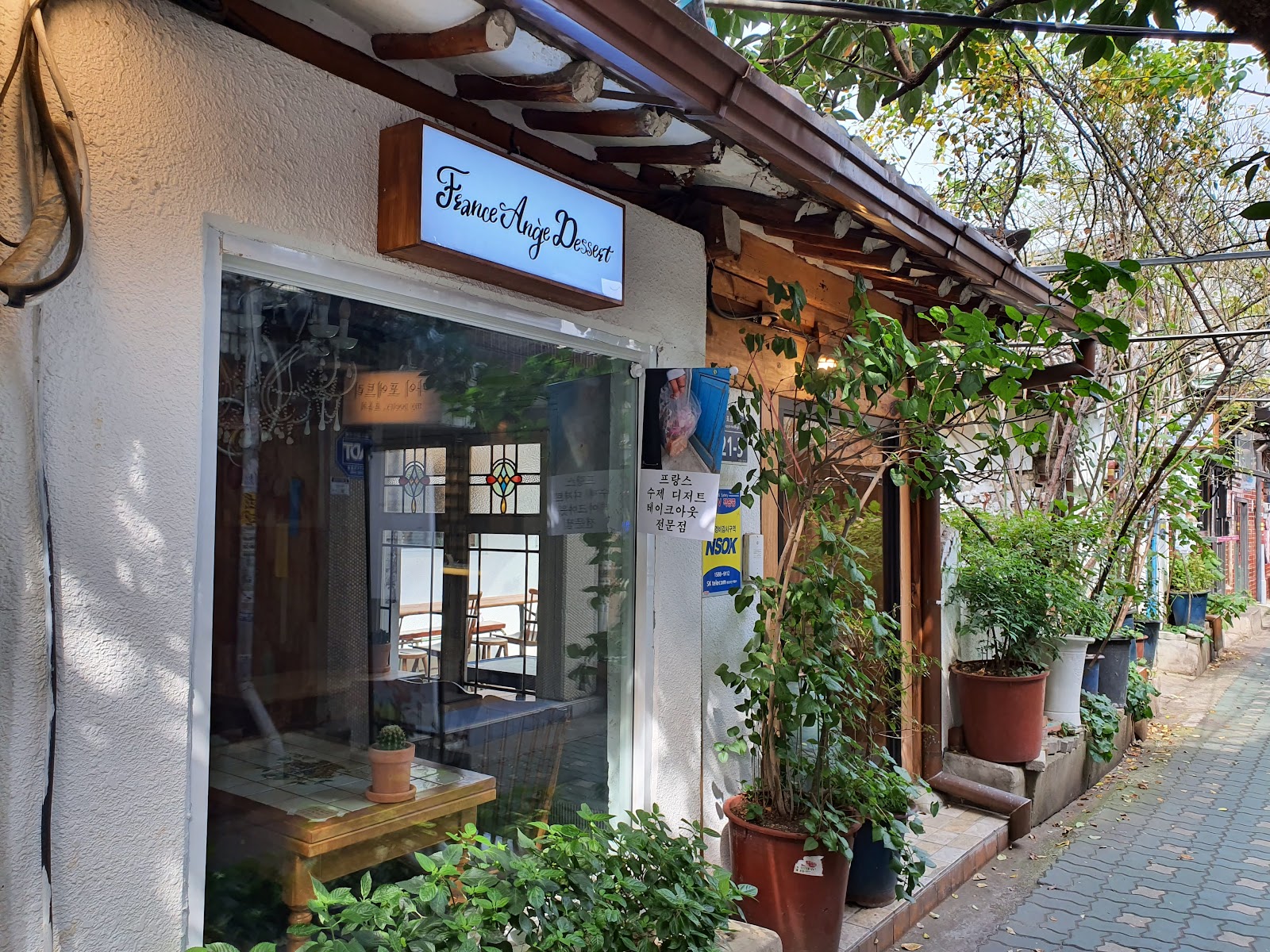
The defining feature of Ikseon-dong cafes is how they preserve hanok structures while adding contemporary design.
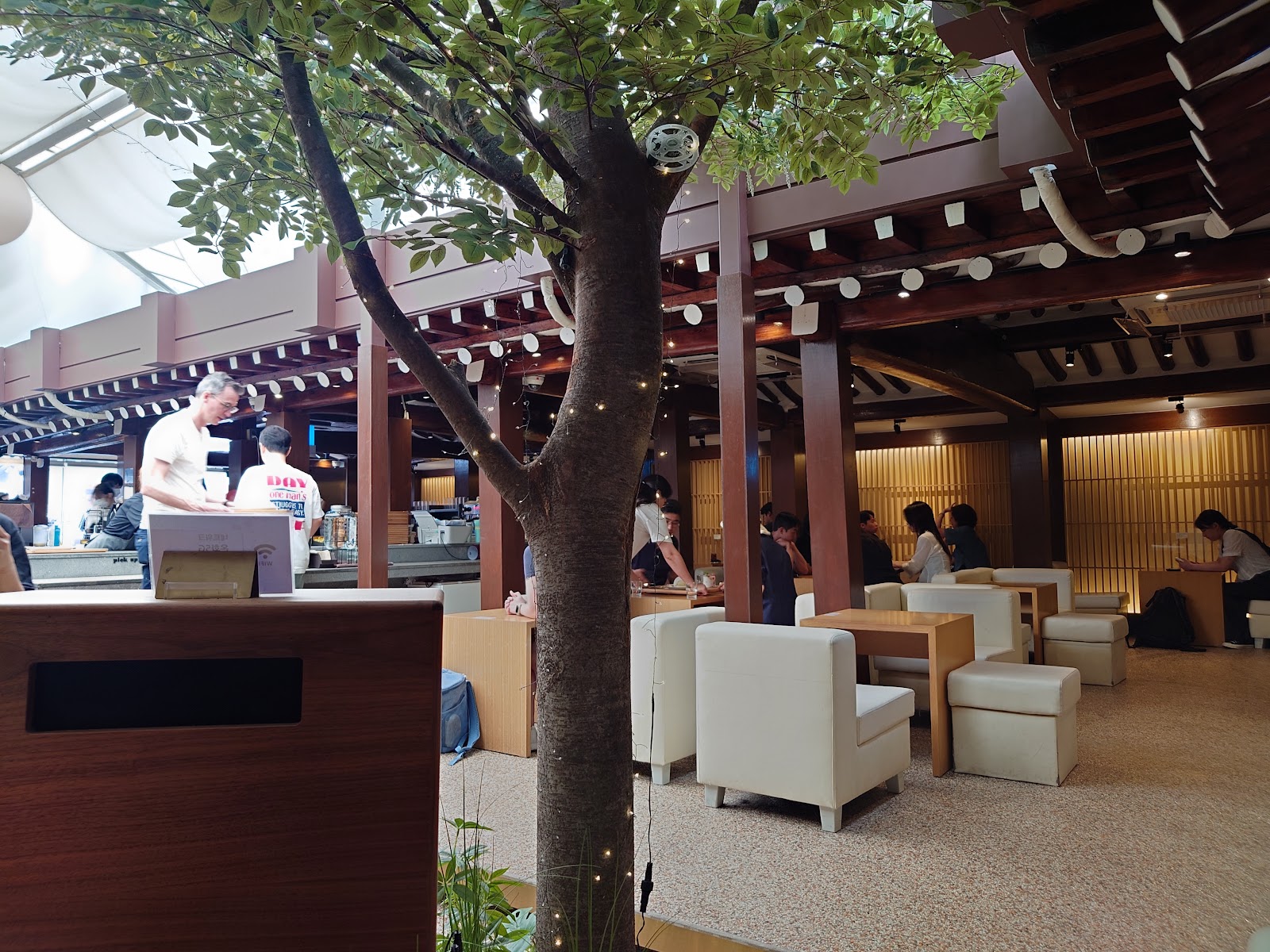
Wooden beams and tile roofs stay intact, interiors get minimalist concrete and glass, tiny courtyards gain bamboo and maple trees. Tradition and modernity coexist naturally.
The Joy of Getting Lost
The real fun of Ikseon-dong is wandering without a plan. Google Maps barely helps — hanok pack so tightly that GPS gets confused.
Just follow whatever alley catches your eye. Discovering a tiny cafe hidden at the end of a narrow lane — that's the Ikseon-dong experience.
Ikseondong Core Areas: Three Alleys
Understanding Ikseon-dong as three zones makes navigation easier.
1. Main Street (Supyo-ro 28-gil)
Closest to Jongno 3-ga Station Exit 4. Where most tourists go first.
Famous cafes cluster here:
- Cafe Onhwa - Original Ikseon-dong soufflé pancake spot
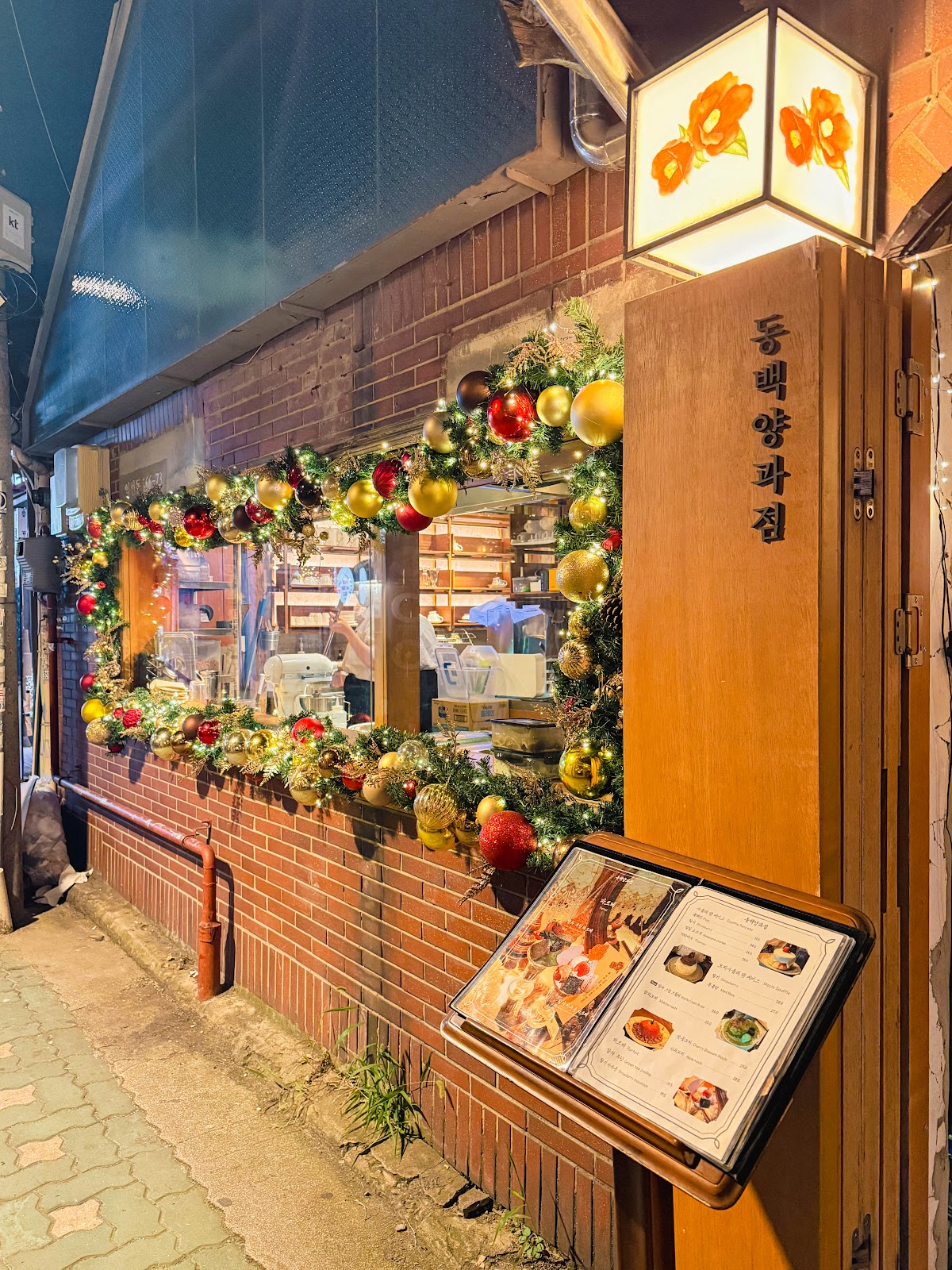
- DongBaek - Elegant hanok cafe with bamboo garden courtyard
- Mil Toast - Breakfast spot famous for thick toast
Weekend afternoons mean waiting in line at popular spots. Weekday mornings or early afternoons are quieter.
2. North Alleys (Donhwamun-ro 12-gil)
One block north from Main Street, these alleys are slightly calmer.
Locals favor this area more. Restaurants, izakayas, and cocktail bars dominate. Evenings get lively.
3. South Alleys (Samil-daero 419)
Quietest and least discovered. Fewer tourists, some residents still live here.
Recently, small cafes and galleries have started appearing. Old and new Ikseon-dong coexist here.
Must-Visit Ikseon-dong Spots
Cafes & Desserts
DongBaek
Ikseon-dong's most beautiful cafe. A bamboo garden fills the hanok courtyard, and the interior perfectly preserves traditional hanok structure.
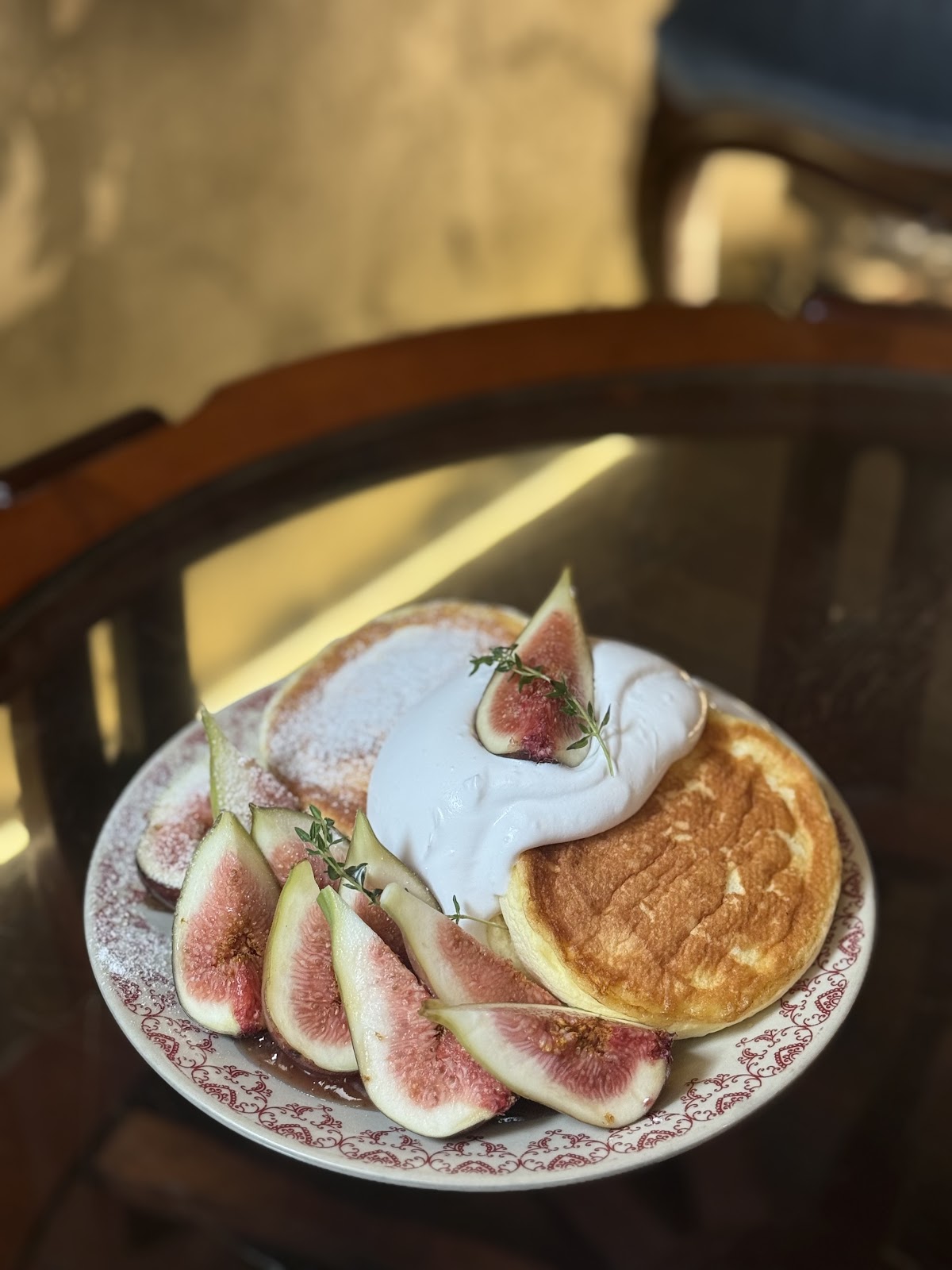
Their soufflé pancakes are legendary. Order and wait about 20 minutes. Freshly baked soufflé melts in your mouth.
💡 Tip: Visit right at 9am opening or weekday 3pm for shorter waits. The courtyard seating is magical.
Cafe Onhwa
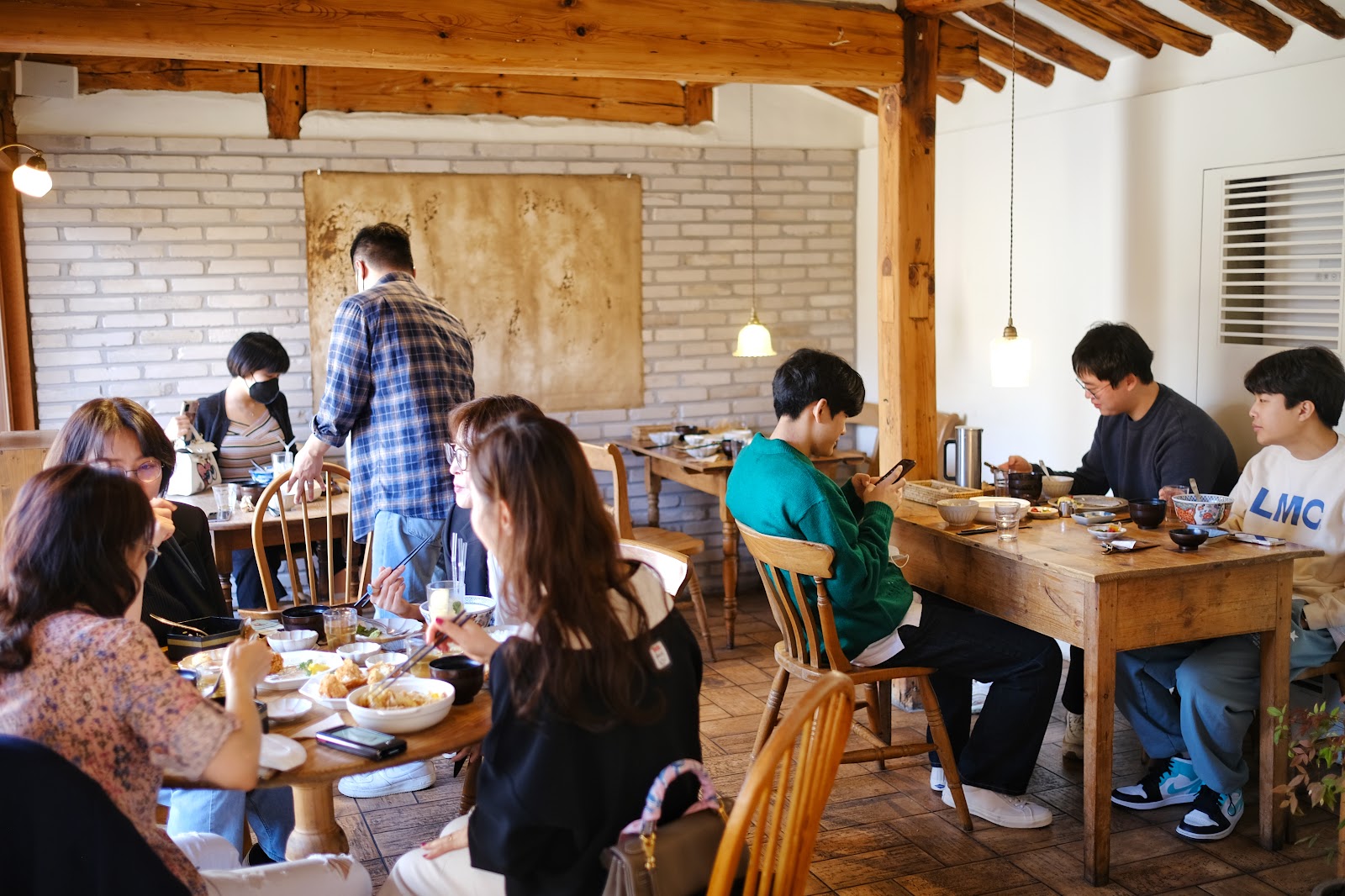
Bright, modern hanok cafe interior. More contemporary than DongBaek's traditional vibe.
Their soufflé pancakes are equally amazing. The plain soufflé with caramelized banana is the signature.
Mil Toast
Best breakfast or brunch spot in Ikseon-dong. Thick toast and cream-loaded drinks are the draw.
Opens early, so visiting around 9am means a peaceful experience.
Dining
Hoho Sikdang
When you want proper Korean home cooking in Ikseon-dong, this is it. Their spicy pork stir-fry (jeyuk bokkeum) and kimchi stew are delicious.
Prices are reasonable, and eating home-style Korean food in a hanok space feels authentic.
💡 Tip: Lunch rush (12-1pm) packs the place with office workers. Come around 2pm for elbow room.
Evening & Bars
Ikseon-dong is often more magical after dark. When the sun sets, lanterns under hanok eaves light up and alleys gain atmosphere.
Small izakayas and cocktail bars hide throughout. The joy is stumbling upon atmospheric spots while wandering.
Practical Ikseon-dong Visiting Tips
When to Visit
Best Times:
- Weekday 10am-12pm: Few tourists, cafes are peaceful, great for photos
- Weekday 2-4pm: After lunch rush, restaurants have space
- Weekend 9-10am: Arrive early to enjoy popular cafes without lines
Avoid:
- Weekend 1-5pm: Tourist peak, alleys overflow with people
- Public holidays: Wait times double or triple
How to Get There
Subway: Jongno 3-ga Station Exit 4 (Line 3, Line 1, Line 5)
Walk north from the exit for 2 minutes to reach Ikseon-dong alley entrances. Super easy to find.
How Much Time?
- Quick exploration: 1-1.5 hours
- Cafe & lunch: 2-3 hours
- Leisurely discovery: 3-4 hours
I usually plan 3 hours. One hour at a cafe, one hour for a meal, one hour wandering alleys.
Budget
- Cafe (drink + dessert): ₩15,000-20,000 ($11-15)
- Meal (per person): ₩12,000-18,000 ($9-14)
- Total (cafe + meal): ₩30,000-40,000 ($23-30)
Ikseon-dong prices are more reasonable than Myeongdong or Apgujeong. Tourist area without tourist price gouging.
Combine with Nearby Attractions
Ikseon-dong sits in central Seoul, perfect for combining with other landmarks.
Bukchon Hanok Village (15-minute walk)
- Larger traditional hanok neighborhood
- Note 2025 visiting hour restrictions
Insadong (10-minute walk)
- Traditional tea houses and galleries
- Nice leisurely walk from Ikseon-dong
Changdeokgung Palace (20-minute walk)
- UNESCO World Heritage palace
- Book Secret Garden tours in advance
Jongmyo Shrine (10-minute walk)
- Joseon royal ancestral shrine
- Closest UNESCO site to Ikseon-dong
Recommended Half-Day Routes
Morning Route:
- Changdeokgung Palace (9:00-11:00)
- Ikseon-dong brunch (11:30-13:00)
- Ikseon-dong alley exploration (13:00-14:30)
- Insadong stroll (14:30-16:00)
Afternoon Route:
- Ikseon-dong cafe (14:00-15:30)
- Ikseon-dong alley exploration (15:30-17:00)
- Jongmyo Shrine visit (17:00-18:00)
- Ikseon-dong dinner & bar (18:30-21:00)
Visiting Like a Local
Photography Etiquette
Ikseon-dong is Instagram famous. But remember — people still live here.
✅ OK to photograph:
- Cafe and restaurant interiors
- Alley scenery
- Hanok exteriors (when gates are closed)
❌ Don't photograph:
- Inside private home gates
- Don't trespass into courtyards
- Don't photograph residents
Alley Etiquette
Alleys are narrow. Let people pass.
Don't shout. Especially weekend evenings when residents are resting.
Take your trash with you. Almost no public bins exist in the alleys.
Frequently Asked Questions
Q: Ikseon-dong or Bukchon — which is better?
Completely different vibes. Bukchon has traditional hanok solemnity, Ikseon-dong is modern and lively.
Bukchon for sightseeing, Ikseon-dong for cafes and dining. Visit both!
Q: OK to bring kids?
Most cafes welcome children. But narrow alleys and lots of stairs make strollers challenging.
Q: Do I need reservations?
Most cafes are first-come-first-served. But restaurants and bars appreciate reservations (especially weekends).
Q: Worth visiting in winter?
Absolutely! Winter Ikseon-dong is beautiful. Snow on hanok roofs contrasting with warm cafes is romantic.
Note that hanok insulation is minimal, so outdoor seating can be cold.
Q: Where can I park?
Almost no parking in Ikseon-dong. Strongly recommend taking the subway.
If you must drive, use public parking lots near Jongno 3-ga Station.
Ikseondong's Future
Ikseon-dong keeps evolving. It's completely different from when I first visited in 2016.
Gentrification debates are ongoing. As rents rise, the small shops that revitalized Ikseon-dong are leaving.
Still, Ikseon-dong's essence — the cozy charm of hanok alleys meeting modern culture — remains alive.
In 2025, Ikseon-dong is one of Seoul's most fascinating neighborhoods. Where tradition and modernity blend naturally. Small cafes you discover while wandering aimlessly. That's Ikseon-dong's magic.
Sitting under hanok eaves waiting for soufflé, Seoul's old and new faces overlap in that moment. I love that feeling. I hope you experience it too in Ikseon-dong.