Seoul Chimaek Guide 2026: Korea's Fried Chicken & Beer Ritual
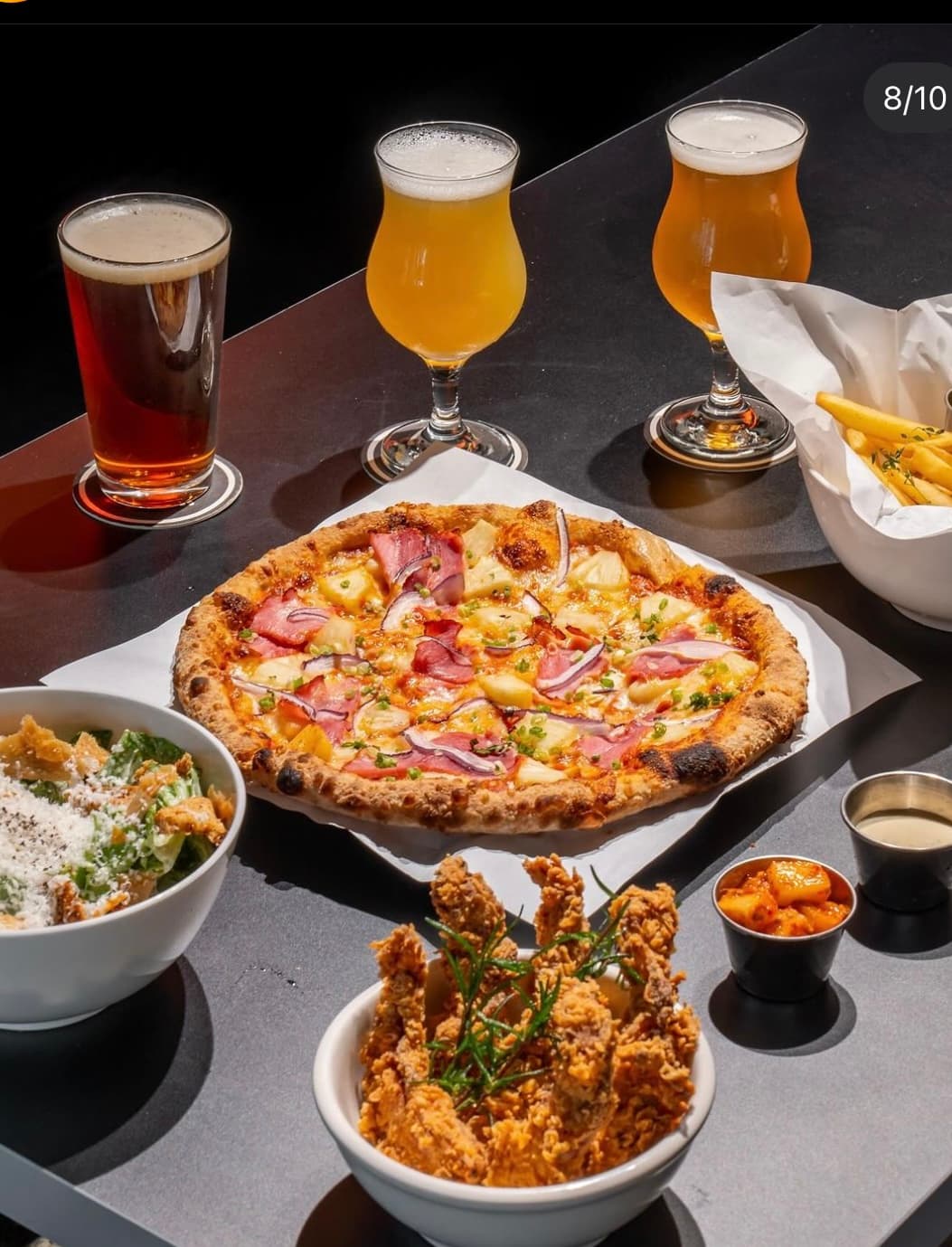
The table arrives in pieces. First, the beer — a tall glass, ice-cold, the foam still settling. Then the chicken. A whole half-bird, double-fried until the skin shatters when you bite through it. A little dish of pickled radish on the side, electric yellow, for cutting through the richness.
This is chimaek (치맥). Fried chicken plus beer. And in Seoul, it's not just food — it's a national ritual.
I've eaten chimaek on plastic stools at open-air chicken hofs, on Han River grass watching the city lights reflect in the water, and in tiny basement spots where the walls are covered in soccer match pennants. The chicken is always the star. The beer plays a perfect supporting role. And the pickled radish is non-negotiable.
If you're spending any time in Seoul, you need to understand this.
What Is Chimaek?
치킨 (chicken) + 맥주 (maekju/beer) = 치맥 (chimaek)
Korean fried chicken has been around since the 1970s. But the pairing with beer — and the word chimaek itself — exploded during the 2002 FIFA World Cup, when South Korea's unexpected run to the semifinals turned the entire country into one massive street party. Millions of people gathered outdoors to watch matches, and the snack of choice was fried chicken washed down with cold lager.
The culture stuck. Today, Seoul has more fried chicken restaurants than any other type of food establishment — around 87,000 nationwide, more than the total number of McDonald's outlets in the entire world. Delivery bikes buzz through every neighborhood every evening. On warm nights, you'll see groups spread out on Han River grass with chicken boxes and beer cans, the glow of phones lighting up faces.
You don't need a special occasion for chimaek. But everything tastes better with one.
The Styles: What You're Actually Ordering
Korean fried chicken has evolved into its own taxonomy. These are the styles you'll encounter:
후라이드 (Huraideu) — Plain Crispy The original. Double-fried for an extraordinarily light, shatteringly crispy skin. No sauce, no coating — just chicken and crunch. This is the benchmark. If a place can't get huraideu right, nothing else will save them.
Order this first at any new spot. It tells you everything about their technique.
양념 (Yangnyeom) — Sweet & Spicy Sauce A thick, glossy sauce of gochujang (fermented chili paste), garlic, ginger, and sugar, lacquered onto the fried chicken. Sweet at first, then a slow heat building at the back of your throat. This is the style most foreigners fall in love with immediately.
It's sticky. Keep napkins close.
간장 마늘 (Ganjang Maneul) — Soy Garlic My personal preference. A darker, more savory sauce — soy sauce, caramelized garlic, a touch of honey. Less aggressive than yangnyeom. More complex. The garlic caramelizes around the crispy skin in a way that makes it incredibly hard to stop eating.
꿀버터 (Kkul Beoteo) — Honey Butter This one surprised me. Fried chicken tossed with honey butter powder and sometimes a light glaze — sweet, slightly salty, unexpectedly addictive. Popular with younger Korean customers. A very different experience from the traditional styles.
반반 (Banban) — Half and Half The smart order: half the chicken in huraideu (plain crispy), half in yangnyeom or soy garlic. You get both experiences. Most restaurants offer this automatically — just ask for banban when ordering.
눈꽃 (Nunkkot) — Snow Chicken Tossed in a fine blizzard of parmesan and powdered milk after frying. Looks like it's been caught in a snowstorm. Sweeter and milder than the other styles. Worth trying once.
Where to Eat: The Different Venues
Chicken Hofs (치킨 호프)
The classic setting. A hof is a beer pub — usually small, casual, loud. Plastic tables, fluorescent lighting, chicken grease on the menu laminate. The kind of place where time stops at about 9 PM on a Friday and somehow it's 1 AM.
You'll find these everywhere. Look for signs with 치킨 or 호프. The neighborhood spots are usually better than anything near the tourist areas — Mapo-gu, Mapo-daero side streets, Yeongdeungpo, residential Gwanak. Ask your guesthouse for the local chicken hof. There's always one nearby.
What to order: banban (half-and-half), a pitcher of hite or OB lager, yellow pickled radish, and maybe some tteokbokki (spicy rice cakes) if you're hungry.
The Major Chains
Korea's big chicken chains maintain remarkably consistent quality. These are worth knowing:
BBQ (비비큐): Premium positioning, soy garlic sauce is exceptional here. The olive oil-fried version is lighter than traditional styles. Prices are higher — around ₩22,000–28,000 for a whole chicken — but the quality justifies it.
BHC (비에이치씨): Famous for 뿌링클 (Bburinkle) — a cheese powder-dusted fried chicken that's become a Korean comfort food classic. Also excellent yangnyeom.
Kyochon (교촌치킨): Soy garlic specialists. The original recipe is legitimately good. Smaller pieces, crispier skin than most, with a distinctive savory-sweet sauce that's been replicated endlessly.
Nene Chicken (네네치킨): Known for their flavored powders and coatings. Good variety if you want to try something different.
These chains have English-language apps and most locations have English menus or photo menus. The safest bet if you're overwhelmed.
Delivery Culture
Here's something that genuinely surprised me when I first moved to Seoul: you can have fried chicken delivered to you at Han River Park. Not just to your apartment — to a spot on the grass beside the river.
This is a real thing. You order on Baemin (배달의민족) or Coupang Eats, pin your location to the nearest Han River park entrance, and a delivery rider on a motorcycle brings your chicken to you. The apps now support international credit cards.
In spring, when the weather turns warm and people spread picnic mats along the riverside, you'll see delivery bags arriving constantly. It's chaotic and wonderful.
Chimaek & KBO Baseball
This is one of the great undiscovered Seoul food experiences for international visitors.
Korean professional baseball games at Jamsil Stadium (home of LG Twins and Doosan Bears) and Gocheok Sky Dome (Kiwoom Heroes) sell fried chicken at the stadium. Not stadium chicken — actual Korean fried chicken, yangnyeom and all.
You sit in the stands, there's cheerleading squads doing synchronized routines for every at-bat, and you're eating yangnyeom chicken off a paper tray with beer from a plastic cup. It costs about ₩12,000–15,000 for a decent set. Tickets run ₩8,000–15,000 for most seats.
The KBO season opened on March 28. If you're in Seoul through spring and summer, catch a game.
What to Order: A Simple Guide
Walking into a chicken hof for the first time can feel chaotic. Here's exactly what to do:
Say this: "반반으로 한 마리 주세요" (Banban euro han mari juseyo) — "One chicken, half-and-half, please."
Or point to the menu and say "이거요" (I geo yo) — "This one please."
Add beer: "맥주도 주세요" (Maekju do juseyo) — "Beer too, please."
The pickled radish (치킨무, chikin mu) comes automatically with most orders. Don't skip it. It's there for a reason — the clean, slightly tart crunch cuts the richness of the fried chicken perfectly. Keep eating it throughout the meal.
Prices:
- Local chicken hof: ₩18,000–23,000 for a whole chicken
- Major chains: ₩22,000–28,000
- Half chicken options exist at some places: ₩12,000–15,000
- Beer: ₩4,000–6,000 per glass, ₩12,000–16,000 per pitcher
Spring Is the Season
Something changes in Seoul when the temperature climbs above 15°C. The city moves outside.
Han River parks fill up. People drag picnic mats to the riverside. Convenience store workers start looking harried because everyone's buying beer at once. And the chimaek delivery traffic at Han River goes through the roof.
The Ttukseom and Yeouido sections of Han River Park are the most popular chimaek spots — close to the city, accessible by subway, with wide grass areas and river views. On weekend evenings from late March through May, these places are packed with exactly the kind of scene you imagine: groups of friends, boxes of yangnyeom chicken, cold beer, Seoul's skyline reflected in the water.
You don't need to plan this. Just pick up chicken from a nearby shop or order delivery, grab beer from the convenience store at the park entrance, and find a patch of grass. That's it.
A Word About the Beer
Korean beer — the standard lager options like Hite, OB, Cass, Terra — is light, cold, and specifically designed to not compete with the food. This is by design. You're not drinking Korean lager for its complexity. You're drinking it because it's cold, it's easy, and it makes the chicken taste like exactly what you want.
If you want something more interesting, Seoul's craft beer scene has grown significantly. The Euljiro beer alley has a cluster of craft breweries and taprooms — some of them serve excellent food alongside their beers. Magpie Brewing, Amazing Brewing, and Euljiro Brewing all have locations worth visiting.
For chimaek specifically, though? Cold lager is the answer. Don't overthink it.
Frequently Asked Questions
Is Korean fried chicken spicy? It depends on the style. Huraideu (plain crispy) has zero spice. Yangnyeom has moderate heat — enough to feel it, not enough to be painful for most people. Soy garlic has almost no spice. If you're sensitive to heat, stick to huraideu or soy garlic.
Can I eat chimaek alone? Yes. Solo dining (혼밥, honbap) is completely normal in Korea. Solo chicken is equally normal. Most hofs have counter seating. Half-chicken options make the portion more manageable. See the honbap guide for more on eating alone in Seoul.
When do chicken places open? Most open around 4–5 PM and stay open until midnight or later. Some are 24 hours. Delivery typically runs until 1–2 AM, sometimes later in areas with late nightlife.
Do I need to make a reservation? Not at most chicken hofs. Just walk in. During peak hours (Friday and Saturday evenings, right after a big sports game), it can get busy, but tables usually turn over relatively quickly.
What's the difference between Korean and American fried chicken? Korean fried chicken uses a thinner batter and is often double-fried, which produces a lighter, crispier shell without the thick heavy coating of American-style fried chicken. The skin almost shatters when you bite through it. The interior stays moist. It's a different technique — and for my money, a better one.
How do I order delivery if I don't speak Korean? Coupang Eats has an English interface and accepts international credit cards. Set your location, search 치킨 (type it or look for the chicken emoji category), and order. Most major chains are on the platform.
Chimaek is cheap, it's everywhere, and it's one of those food experiences that's genuinely hard to replicate anywhere else in the world. The combination of the double-frying technique, the specific sauce styles, the pickled radish, the cold beer, the casual communal setting — it adds up to something distinctly Korean.
You don't need a special spot. The best chimaek you'll have in Seoul will probably be at a table that folds, under flickering fluorescent lights, with a pitcher of beer sweating in the warm air. Don't chase fancy versions of this. Just find a chicken hof near wherever you're staying, order banban, and let it happen.
That's the whole plan.
Related reading: Korean BBQ guide · Street food & pojangmacha · Seoul spring events 2026