Seoul Street Food & Pojangmacha Guide: From Jongno Alleys to Late-Night Eats
I still remember that first bite. Sitting on a plastic stool at a Jongno 3-ga pojangmacha, tasting tteokbokki for the first time. The spicy-sweet gochujang sauce flooding my mouth, chewy rice cakes bouncing between my teeth. Next to me, an ajusshi (middle-aged man) was downing soju shots, while university students at the next table grabbed fried food with their bare hands.
That was Seoul pojangmacha culture. No fancy restaurants, no Instagram-perfect plating. Just steaming street food under plastic tents, strangers gathered around wobbly tables, and the easy comfort of a soju bottle. That's all you need.
These days, my job is hunting down Seoul's hidden pojangmacha and street food spots. From the famous 200-meter pojangmacha stretch in front of Ikseon-dong at Jongno 3-ga, to Euljiro's Nogari Alley, to Myeongdong's nighttime food carts. This guide will take you straight to Seoul's real flavors.
What's Pojangmacha? Understanding Seoul Street Food Culture
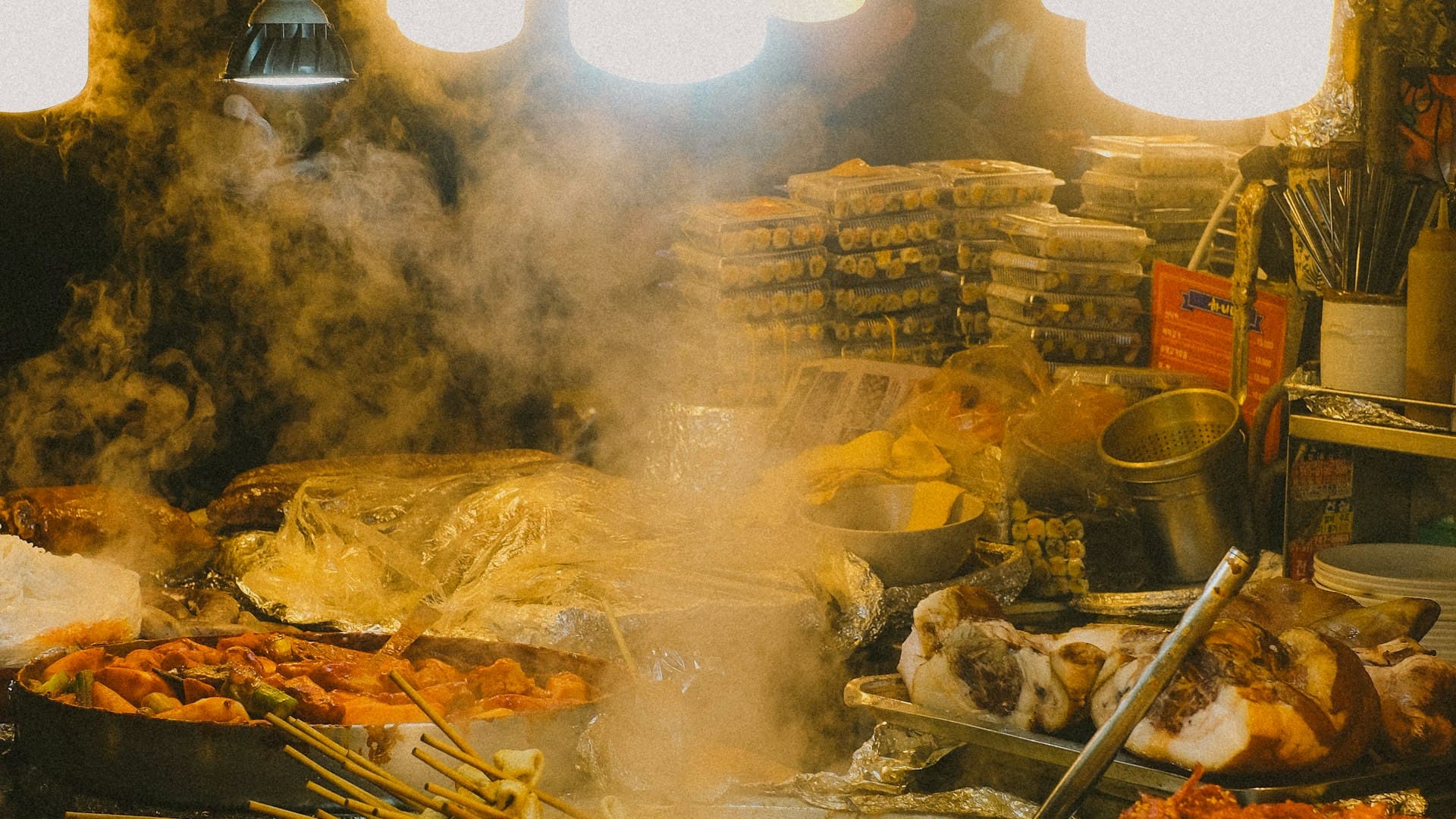
Pojangmacha are Seoul's iconic street food stalls that light up the night. They usually appear around 6pm and stay open until 11pm-2am. You'll see plastic tarp tents covering fold-out tables and chairs, with food sizzling on portable gas burners.
For Seoul locals, pojangmacha aren't just places to eat. They're where coworkers drink after work, where couples share soju bottles, where friends pour their hearts out. Pojangmacha culture IS Seoul's nightlife culture.
Pojangmacha vs Street Food Carts - What's the Difference?
- Pojangmacha: Tented stalls with tables and seating. You sit and eat. Usually open evenings-dawn. Serve alcohol.
- Street Food Carts: Standing/takeaway snacks. Found in tourist areas like Myeongdong, open during daytime too.
This guide covers both!
Jongno 3-ga Pojangmacha Street: Seoul's Most Famous Food Alley
Jongno 3-ga, in front of Ikseon-dong, from Exit 5 to Exit 6 - a 200-meter stretch. Seoul's most famous pojangmacha street. When the sun sets, orange-tented stalls unfold along the sidewalk, and within minutes, they're packed.
Arrive around 7pm and every pojangmacha is already full. Office workers with loosened neckties drinking soju, university couples sharing tteokbokki, foreign tourists peering curiously at the smoky scene.
Top 3 Must-Try Foods at Jongno 3-ga
1. Tteokbokki + Fried Snacks Set
Jongno pojangmacha's signature menu. Tteokbokki is gochujang-based, slightly sweet with a spicy kick. The rice cakes are bouncy and chewy, mixed with fish cakes and scallions.
The fried snacks (twigim) come assorted - seaweed rolls (gimmari), squid fritters, sweet potato, veggie tempura. Dip freshly fried twigim into tteokbokki sauce and the crispy exterior soaks up that spicy-sweet coating - completely transforms the texture.
Price: Tteokbokki plate ₩4,000-5,000 ($3-4) / Fried snacks ₩1,000 each Tip: You can adjust spice level. Say "maepge haejuseyo" (make it spicy) or "an maepge" (not spicy)
2. Odeng (Fish Cakes) & Broth
In winter, you'll see steaming pots of odeng at every Jongno pojangmacha. Fish cakes on skewers bobbing in hot broth. You pull out a skewer and eat it, and the hot soup warms you from the inside.
The real magic is the odeng broth. Made from anchovies and kelp, infused with fish cake flavor - salty yet deep. Finish your food and take one last sip of broth, and your stomach relaxes completely.
Price: Odeng skewer ₩1,000-1,500 / Broth free Pro tip: Broth refills are unlimited. Just hold out your cup and ask for more.
3. Sundae & Offal
Find an old-school sundae pojangmacha at Jongno 3-ga and you've hit gold. Sundae is pig intestine stuffed with glass noodles and vegetables, then steamed. Chewy texture, dip it in salt or spicy sauce - incredibly savory.
They also sell offal (heart, liver, lung) - perfect drinking snack. Soju shot, bite of offal. That's the Seoul ajusshi formula.
Price: Sundae plate ₩5,000-7,000 / Offal ₩7,000-10,000
Jongno 3-ga Pojangmacha Survival Guide
How to Get There: Subway Lines 1/3/5 Jongno 3-ga Station, between Exits 5 & 6 Hours: 18:00-02:00 (weekends sometimes till 3-4am) Best Times:
- 7-9pm: Peak time when office workers finish work
- After 10pm: Quieter, more relaxed vibe
- Avoid: Friday nights are absolutely packed
Budget: ₩10,000-15,000 ($8-12) per person gets you full (with soju: ₩20,000/$16)
Important Notes:
- Many pojangmacha are CASH ONLY. Bring cash!
- Before sitting down, ask "Yeogi anjado dwaeyo?" (Can I sit here?)
- Table sharing is normal. You might share a table with strangers (totally fine!)
- Winter is cold. Dress warmly (plastic tarps don't block wind completely)
Euljiro Nogari Alley: Office Workers' Late-Night Haven
Near Euljiro 3-ga Station, daytime is all printing shops and metalworks - a gritty industrial zone. But after sunset? Completely transforms. Pojangmacha fill the alleyways, and the smell of soju and nogari (dried pollack) fills the air.
They call it "Nogari Alley" because pojangmacha here specialize in grilled nogari. They grill the dried fish over charcoal, brush on spicy-sweet sauce, and you eat it with soju. Perfect drinking snack.
Euljiro's charm is seeing "real Seoul office worker culture." Ad agency staff, designers, print shop owners all gather at pojangmacha after work, downing soju shots together.
What to Order at Euljiro
Grilled Nogari + Soju
Euljiro's signature. Nogari is dried fish - when grilled, it's chewy and salty. You tear it with your hands and dip it in gochujang sauce or wasabi soy sauce.
One shot of soju, one piece of nogari, slowly tearing and eating while chatting. That's Euljiro style. Don't rush it.
Price: Nogari plate ₩10,000-15,000 / Soju ₩4,000
Ramyeon Sari (Noodle Add-on)
Euljiro pojangmacha secret! After eating tteokbokki or odeng, say "Ramyeon sari juseyo!" and they'll add instant noodles to your tteokbokki broth. The noodles soak up that spicy sauce - insanely good.
Price: Ramyeon sari ₩2,000-3,000
Euljiro Nogari Alley Guide
Location: Euljiro 3-ga Station Exit 6, back alleys (search "Euljiro Nogari Alley") Hours: 19:00-02:00 (many closed Sundays) Vibe: Retro-hip, industrial aesthetic, office worker drinking culture Dress Code: Casual clothes (inside tents get smoky)
Euljiro Experience Route:
- 7pm: Arrive at Euljiro 3-ga Station
- Wander alleys to scope out the vibe
- Crowded pojangmacha = good food
- Grab a seat, order nogari + soju
- Eat slowly while eavesdropping on next table's conversation (that's half the fun)
- Add ramyeon sari for round 2
- Leave around 10pm
Myeongdong Street Food: Daytime Snacking Paradise
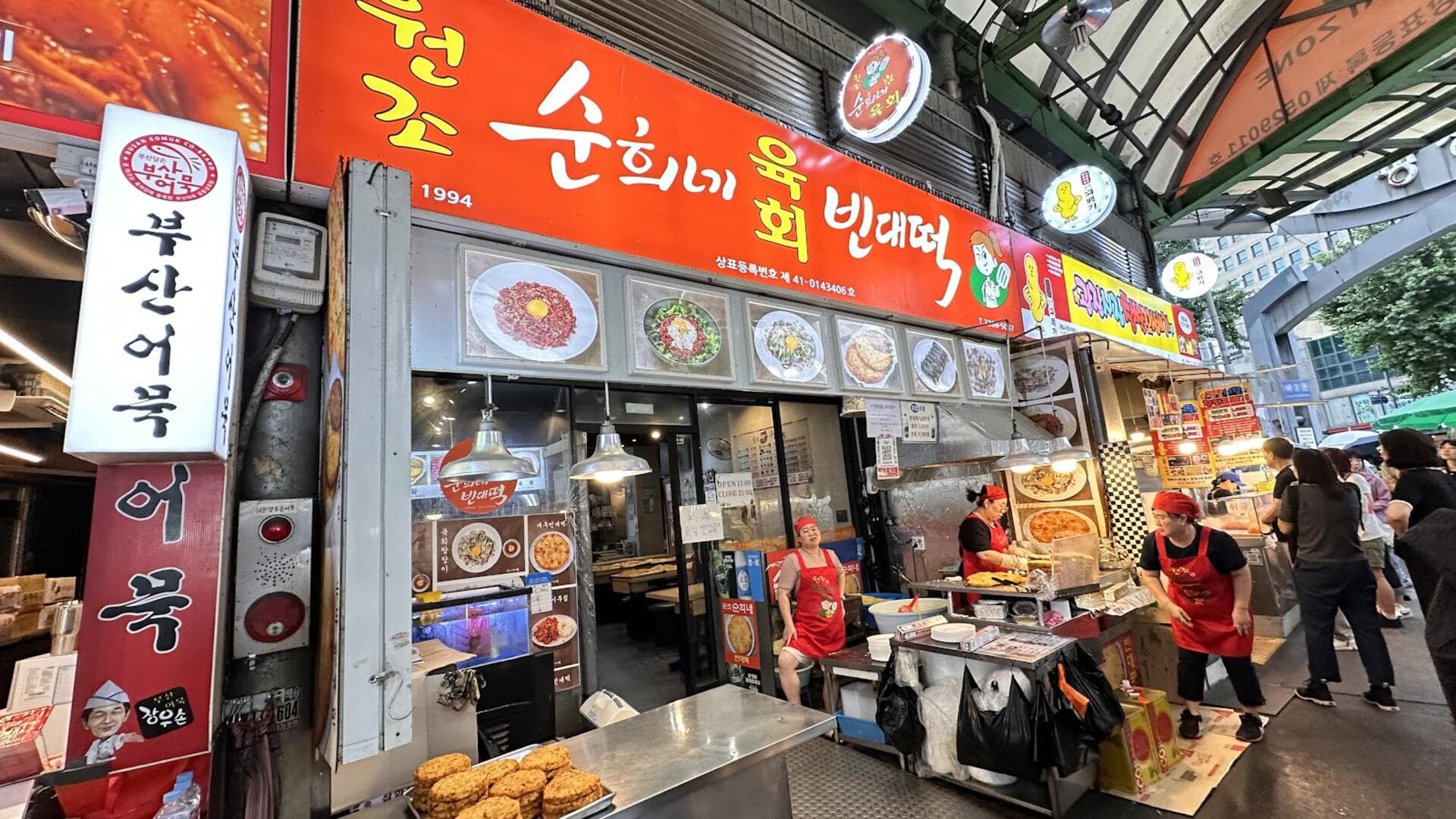
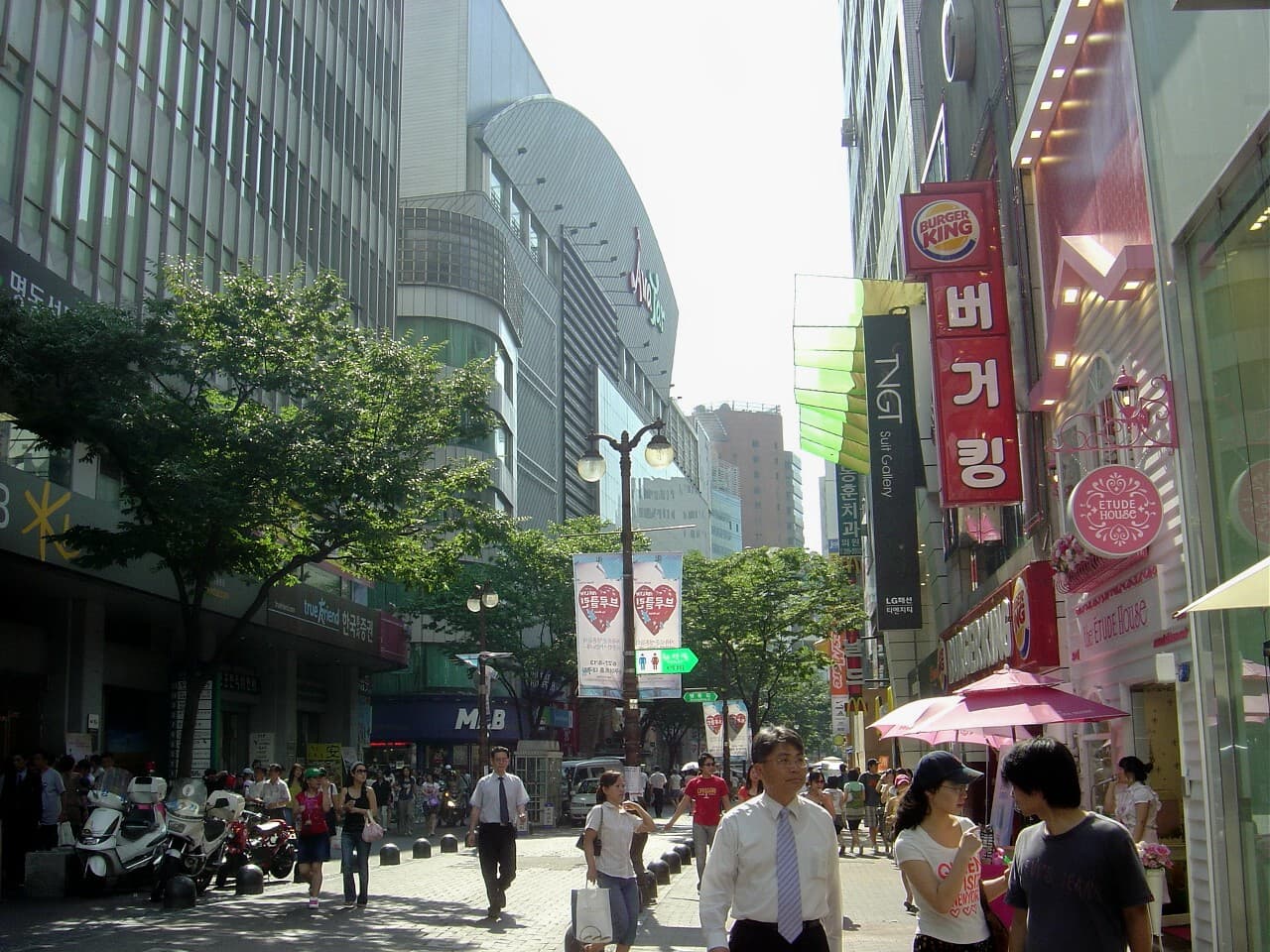
Myeongdong is Seoul's major shopping district. Walk down the main street and you'll see endless rows of street food carts. These are more "take-away" style than sit-down pojangmacha.
Myeongdong street food is tourist-friendly. English menu boards, prices clearly marked, food packaged for eating while walking.
Must-Try Myeongdong Street Foods
1. Tornado Potato
An entire potato cut into a spiral, deep fried on a long skewer. Comes topped with salt, cheese powder, or BBQ seasoning.
Crispy crunchy with potato's natural sweetness. Super Instagrammable too.
Price: ₩3,000-5,000
2. Hotteok (Sweet Pancakes)
Flour dough filled with brown sugar, cinnamon, and walnuts, pressed flat and griddled. Crispy outside, sweet syrup oozing inside.
In winter, bite into hot hotteok and the filling is molten lava hot. Watch out for roof-of-mouth burns!
Price: ₩1,500-2,500
3. Chicken Skewers & Giant Sausages
Huge chicken skewers grilled over charcoal, brushed with soy glaze or spicy sauce. The sausages are massive (twice the length of your finger).
Great for filling up without alcohol.
Price: Chicken skewer ₩2,000-4,000 / Sausage ₩3,000-5,000
4. Bungeoppang (Winter Only)
Only available in winter (November-February). Fish-shaped bread filled with sweet red bean paste. Freshly baked bungeoppang has a crispy shell with hot sweet bean filling inside.
Nowadays they also have custard cream, chocolate, cheese, and sweet potato fillings.
Price: 3 pieces for ₩1,000-2,000
Myeongdong Street Food Tips
Location: Myeongdong Station Exit 6, main shopping street Hours: 12:00-23:00 (open from lunchtime!) Budget: ₩5,000-10,000 ($4-8) lets you try multiple items
Pro Tips:
- Many accept both cash and card
- Walking and eating is totally fine
- Weekend afternoons (2-5pm) are INSANE crowds
- Weekday evenings 7-9pm are best
Sindang-dong Tteokbokki Town: Spicy Food Mecca
Looking for real tteokbokki experts? Head to Sindang-dong. Exit 8 from Sindang Station and you'll see "Tteokbokki Town" signs everywhere. This entire alley is packed with tteokbokki specialty restaurants.
Sindang tteokbokki is known for being SPICY. Way spicier than regular tteokbokki. They add extra gochugaru (chili flakes) to the gochujang, and when that spicy sauce starts bubbling, you'll be sweating bullets.
But behind that heat is an addictive umami flavor. Once you taste it, you'll keep craving it.
How to Eat Sindang Tteokbokki
Sindang tteokbokki arrives in a bubbling pot. Inside: rice cakes, fish cakes, scallions, cabbage, all swimming in gochujang sauce.
- Eat Tteokbokki: Chopstick a rice cake, let sauce drip off, pop it in your mouth
- Add Sundae: Most people order tteokbokki+sundae set
- Gimbap Sari: When broth reduces halfway, add gimbap sari! Mix the rolled gimbap into the sauce and stir-fry it
- Bokkeumbap Finish: After finishing rice cakes, add rice and make fried rice (this is the REAL finale)
Price: Tteokbokki 1 serving ₩5,000-7,000 / Tteok-sun set (tteokbokki+sundae) ₩10,000-15,000
Sindang-dong Tteokbokki Town Guide
Location: Subway Lines 2/6 Sindang Station Exit 8 Hours: Most open 11:00-22:00 (break time 15:00-17:00 common) Famous Spots: Mabokrim Halmeoni Tteokbokki (original), Gukdae Tteokbokki, Yeopgi Tteokbokki HQ Warning: It's REALLY spicy! If you can't handle heat, say "An maepge haejuseyo" (make it not spicy)
How to Eat at Pojangmacha & Etiquette
First time at a pojangmacha? Follow this guide and you'll be perfect.
Step-by-Step Pojangmacha Conquest
Step 1: Find a Seat
- Check if seats are available
- Ask the owner "Yeogi anjado dwaeyo?" (Can I sit here?)
- You might share a table with other customers (that's normal!)
Step 2: Order
- Look at the menu board (usually only in Korean)
- Don't know what to order? Point at what the next table is eating and say "Jeogeo juseyo" (That please)
- Tteokbokki+fried snacks+odeng set is a safe bet
Step 3: Eat
- Use chopsticks and fork
- Slurping noodles/soup is totally fine (it's Korean culture)
- Take your time, enjoy conversation
Step 4: Pay
- Raise your hand and say loudly "Gyesan-iyo!" (Check please!)
- Many prefer cash
- NO TIPPING
Pojangmacha Etiquette
- ✅ Table sharing OK
- ✅ Drinking soju and talking loudly OK (everyone does it)
- ✅ Leaving food OK (if it's too much, you can leave some)
- ❌ NO outside food (don't bring food from other places)
- ❌ Get permission before taking photos (vendors can be sensitive about this)
- ❌ NO drunk fighting
Seasonal Street Food Recommendations
Seoul street food changes with the seasons.
Spring (March-May)
- Strawberry Tanghulu: Hard sugar-coated exterior, tart strawberry inside
- Pajeon: Green onion pancake + makgeolli on rainy days = perfection
Summer (June-August)
- Naengmyeon: Cold noodles in icy broth - refreshing delight
- Patbingsu: Giant shaved ice dessert (share it)
Fall (September-November)
- Gun-bam: Warm roasted chestnuts, peel outer shell and eat
- Gun-goguma: Sweet, soft roasted sweet potato
Winter (December-February)
- Bungeoppang: Hot fish-shaped bread filled with sweet red beans
- Hotteok: Sweet pancake with brown sugar syrup oozing out
- Odeng: Hot fish cakes with warm broth - ultimate winter comfort food
Street Food by Budget
How to plan your pojangmacha budget.
₩10,000 Budget ($8) - Light Snacking
- Tteokbokki 1 plate (₩4,000)
- Fried snacks x3 (₩3,000)
- Odeng x2 (₩2,000)
- Bungeoppang x3 (₩1,000) Total: ₩10,000
₩20,000 Budget ($16) - Full Meal
- Tteokbokki+fried snacks set (₩7,000)
- Sundae 1 plate (₩5,000)
- Odeng x3 (₩3,000)
- Soju 1 bottle (₩4,000)
- Hotteok x2 (₩3,000) Total: ₩22,000
₩30,000+ Budget ($24+) - Luxury Street Food Tour
- Sindang tteok-sun set (₩15,000)
- Soju x2 bottles (₩8,000)
- Gimbap sari (₩3,000)
- Bokkeumbap finish (₩3,000)
- Tornado potato (₩4,000)
- Hotteok (₩2,000) Total: ₩35,000
FAQ for International Travelers
Q1. Is there an English menu?
A: Tourist areas (Myeongdong, Hongdae) usually have English menus. But local pojangmacha in Jongno 3-ga or Euljiro are Korean-only. Look for photo menus or just point at what the next table is eating.
Q2. Cash only?
A: Most pojangmacha are cash-only. Myeongdong street food carts often accept cards. Bring around ₩50,000 ($40) in cash to be safe.
Q3. Can I go alone?
A: Absolutely! Solo dining is super common. Order a single serving of tteokbokki and eat quietly. Actually, eating alone sometimes prompts people at the next table to chat with you.
Q4. How spicy is it?
A: Tteokbokki is "moderately spicy" (by Korean standards). Sindang tteokbokki is "REALLY spicy." If you can't handle heat, say "An maepge haejuseyo" when ordering.
Q5. Isn't it too cold in winter?
A: Honestly, yes. Plastic tarps don't completely block the wind. But that's part of the pojangmacha vibe. Wear a thick coat, eat hot food, drink soju - you'll forget about the cold.
Q6. Is it sanitary?
A: They're street stalls, not fine dining. But most have health permits from the district office. High-turnover pojangmacha (lots of customers) = fresh food. In my experience, I've never gotten food poisoning.
Q7. What's the best time to go?
A: 7-9pm is peak time. Go then to experience local atmosphere. Want a quieter scene? After 10pm is better.
Q8. What about food allergies?
A: Tell the pojangmacha owner about your allergy and most will accommodate. But cross-contamination is possible (same pans/oil). If you have severe allergies, restaurants might be safer.
1-Day Pojangmacha Experience Course
A full day enjoying Seoul pojangmacha & street food properly.
17:00 - Arrive at Myeongdong
- Pre-dinner snacking time
- Try tornado potato, hotteok, chicken skewers
- Shop and digest while walking
19:00 - Move to Jongno 3-ga
- Walk around pojangmacha street
- Find a crowded spot and grab seats
- Order tteokbokki+fried snacks set
- Unlimited odeng broth refills
21:00 - Euljiro Nogari Alley
- Soak in retro alley vibes
- Grilled nogari + soju
- Eat slowly while chatting
- Finish with ramyeon sari
23:00 - Head Home
- Too full, grab a taxi back to your hotel
Final Thoughts
Seoul pojangmacha and street food aren't just "food." They're Seoul people's lives, nightlife culture, and small everyday happiness all wrapped up.
Sitting on a plastic stool at Jongno 3-ga, chopsticking tteokbokki while eavesdropping on ajusshi conversations at the next table, sipping steaming odeng broth. That moment - that's the real Seoul.
Sure, eating course meals at fancy restaurants is great. But eating ₩5,000 tteokbokki at a pojangmacha while downing soju shots? That'll be a memory you never forget.
When you visit Seoul, definitely hit up a pojangmacha. Bring cash, dress warmly, arrive hungry. Then you'll taste the real Seoul.
Bonus Tip: Don't drink? Say "Colla juseyo" (cola please). Plenty of people drink cola at pojangmacha. You don't HAVE to drink alcohol!
Geonbae! (Cheers!)