
7 Seoul Contemporary Art Galleries: Where Design Meets Experimental Space
Museums show the past. Galleries show the present.
Seoul's gallery landscape has transformed dramatically over the past decade. Until around 2005, Samcheong-dong housed a handful of traditional galleries and that was about it. Now art exists wherever there are galleries — Gangnam, Seongsu, Hannam, Yeouido.
But not all galleries are created equal. Some spaces merely display art. Others become works themselves. Over three years exploring Seoul's galleries, I've identified seven where spatial design and curation both reach excellence.
@minjicurates
Samcheong-dong: Tradition in Dialogue with Contemporary
Amorepacific Museum of Art
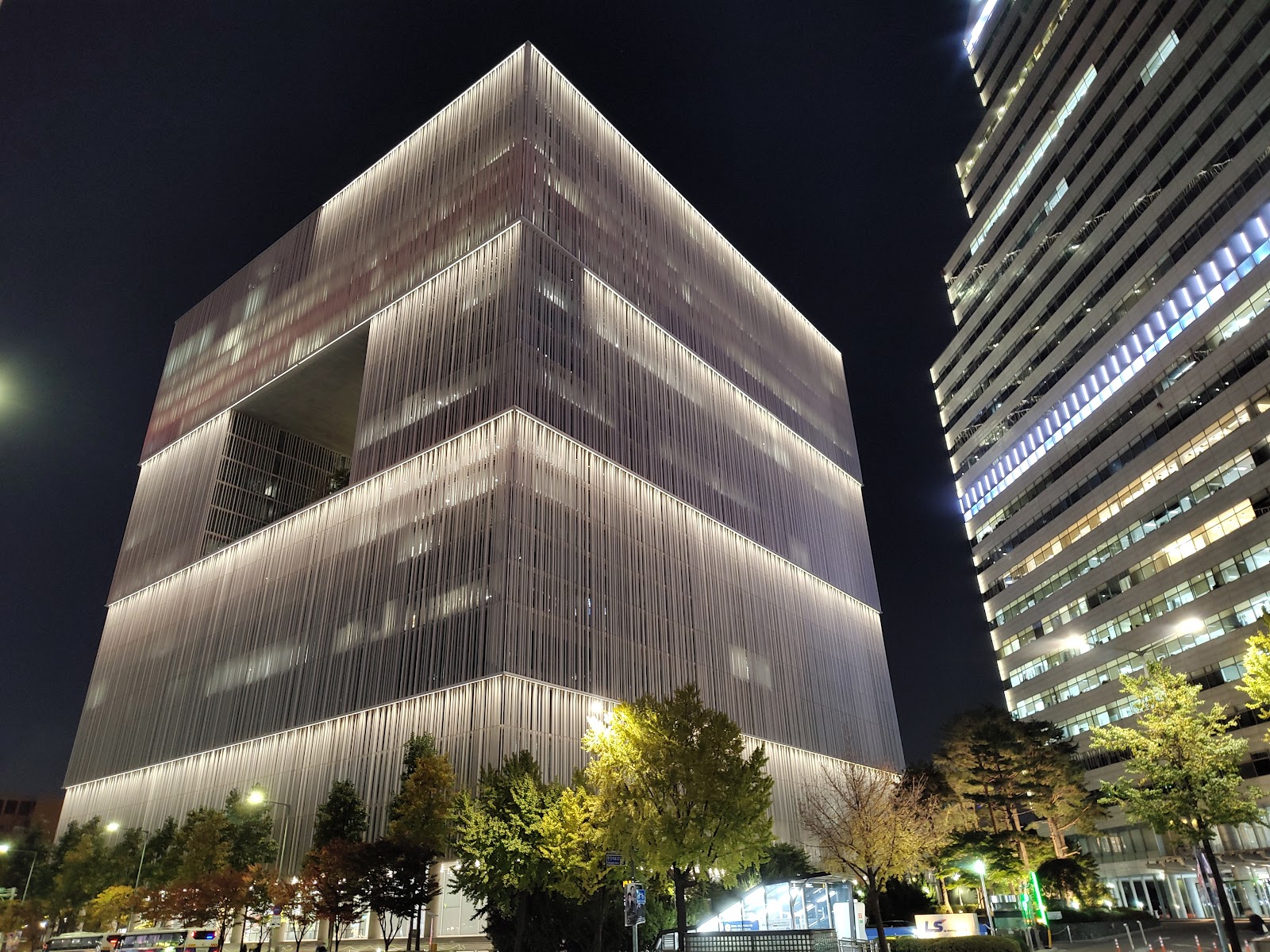
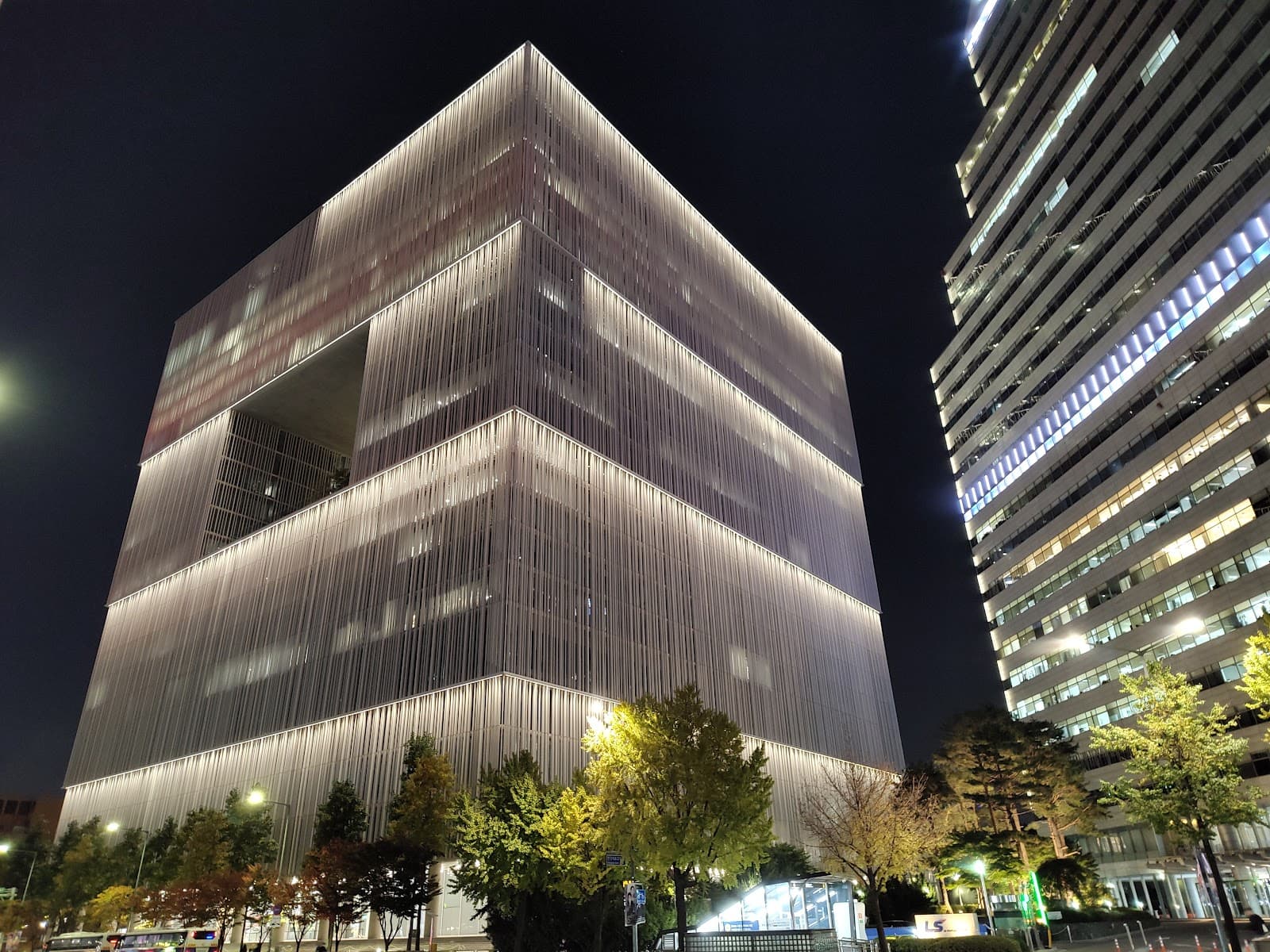
The combination of Yongsan Hanok Village and Amorepacific Museum might feel incongruous at first. Step inside, and it makes sense. The entire six-story building is designed as one installation piece.
Architect Lee Sang-seok's concept centers on "fluid architecture" — flowing water, reflected light, transparent levels. Natural elements elevated into architectural language.
From the 10th-floor rooftop garden, views of Namsan Mountain and N Seoul Tower create their own installation piece. Indoor exhibitions and outdoor vistas merge seamlessly.
- Address: 58, Hannam-daero, Yongsan-gu, Seoul (6th floor, Amorepacific HQ)
- Hours: Tue-Sun 10:30-18:00 (Wed until 21:00)
- Admission: Free (reservation required)
- Features: Hanok village views, rooftop garden, art shop
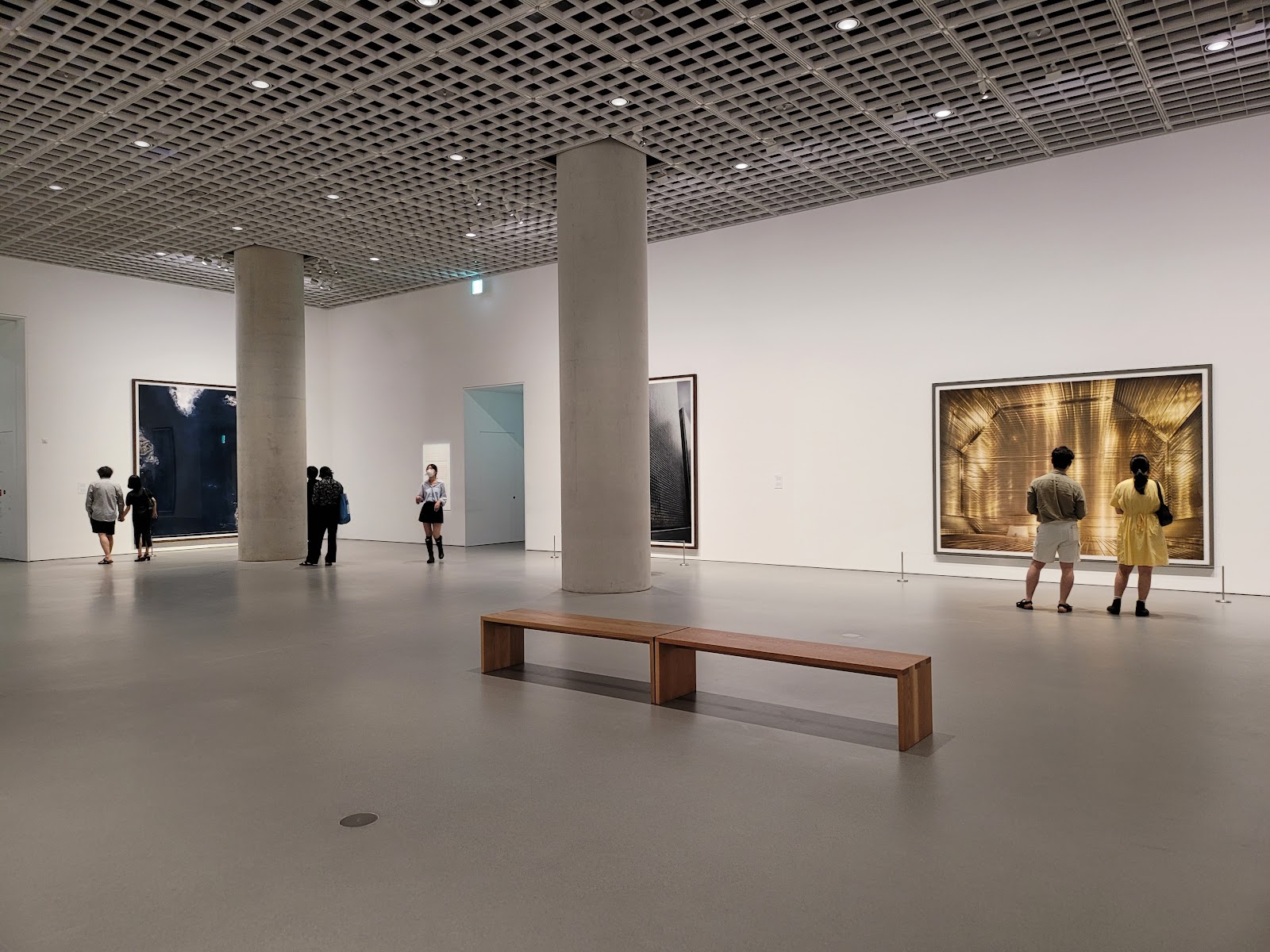
This space's true strength is unity of exhibition and architecture. Beyond the white cube standard, the building itself provides context for exhibitions. A successful translation of Korean aesthetics into contemporary language.
Hakgojae Samcheong
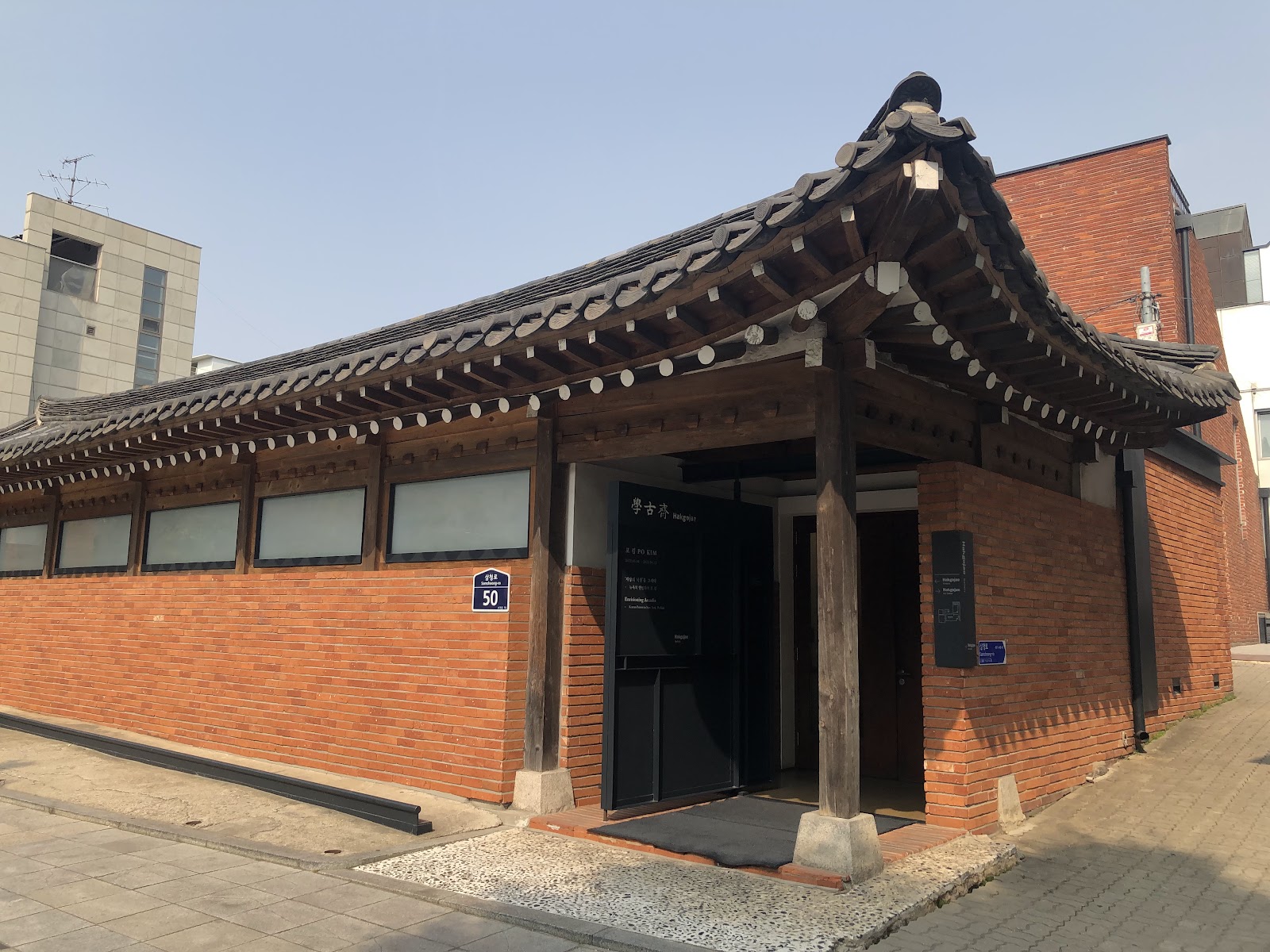
The gallery that transformed Samcheong-dong from a 1970s shantytown into an arts district. Traditional hanok reimagined as contemporary gallery space.
Circular hanok architecture envelopes the gallery — the curve of traditional aesthetics fully revealed. This spatial design erases boundaries between indoor and outdoor, tradition and contemporary.
Since opening in 1988, it has served as a central axis for Korean modern art. Park Soo-keun, Kim Hwan-ki, Lee Jung-seop — Korea's modern masters have all shown here, and active curation continues.
- Address: 40, Samcheong-ro 30-gil, Jongno-gu, Seoul
- Hours: Tue-Sun 10:00-18:00
- Admission: Varies by exhibition (typically 5,000-15,000 won)
- Features: Hanok architecture, garden exhibitions, archive exhibitions
Hakgojae stands apart for its spatial narrative. Not merely displaying art, but the space itself speaks Korean modern art history. Its role as a "living gallery" showing Samcheong-dong's transformation is equally exceptional.
Gangnam & Samsung: Hyper-Modern Art Spaces
LMM GALLERY
LMM opened relatively recently in 2022 but already occupies an important position in the Gangnam art scene.
White minimalist finish characterizes the space. Ceiling-height proportions and minimized interior elements — all focus directed toward exhibitions. Designed by architect Cho Min-seok, it's praised as "a perfect blank canvas for art."
- Address: 313, Dosan-daero, Gangnam-gu, Seoul
- Hours: Tue-Sun 10:00-19:00
- Admission: Free
- Features: 5m ceiling height, white minimalist space, emerging artist discovery
This gallery's strength is spatial purity. No decoration, no distraction — pure focus on work and viewer relationship. Especially for large installations or paintings, the overwhelming scale adds another dimension.
Gallery Hyundai
Gallery Hyundai is living proof of Korean gallery history. Leading the Korean contemporary art scene since founding in 1970.
Split between Samcheong main branch and Gangnam branch. Samcheong space shows harmony between traditional hanok and contemporary art. Gangnam space boasts hyper-modern interiors for large-scale paintings and installations.
- Address: Gangnam Branch - 19, Apgujeong-ro 147-gil 19, Gangnam-gu, Seoul
- Hours: Tue-Sun 10:00-18:00
- Admission: Free (some exhibitions paid)
- Features: Korea's first commercial gallery, large painting exhibitions
Seongsu & Mullae: Regenerated Art Spaces
The Ground-B
Hidden art space in Seongsu cafe street. Regenerated from former bakery factory.
Exposed concrete walls, traces of industrial facilities — preserving Seongsu's industrial heritage while reimagining it contemporarily. High ceiling height ideal for large installation works.
- Address: 115, Seongsu-i-ro, Seongdong-gu, Seoul
- Hours: Wed-Sun 13:00-20:00
- Admission: Varies by exhibition
- Features: Regenerated space, high ceilings, experimental exhibitions
The appeal is spatial authenticity. Not overly groomed white cubes, but raw textures showing building history give works another layer of context.
Dongdaemun & Yeouido: Urban Experimental Spaces
Arario Gallery Seoul
Arario operates across Seoul, Cheonan, and Paris. Its Seoul space focuses on introducing Korean contemporary art to international audiences.
Large-scale exhibitions spanning multiple floors. From established Korean artists to emerging international names — breadth and depth both.
- Address: 63, Wonhyo-ro, Yongsan-gu, Seoul
- Hours: Tue-Sun 10:00-19:00
- Admission: Free
- Features: International roster, large-scale exhibitions
DDP Design Plaza
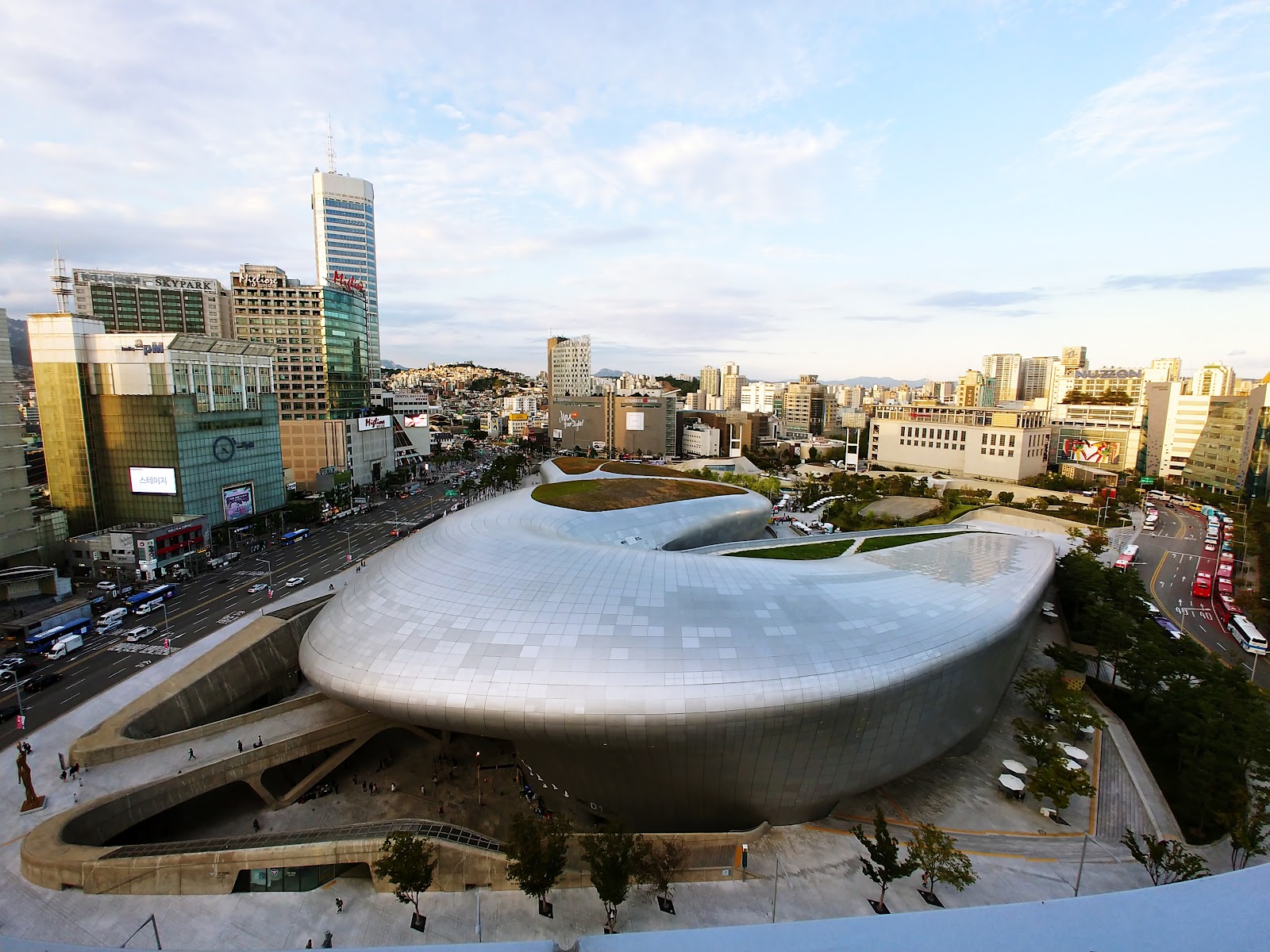
Zaha Hadid's architectural masterpiece. More than just a building — it's become Seoul's cultural icon.
The undulating interior creates fluid circulation between exhibition spaces. No clear boundaries between architecture, design, and art.
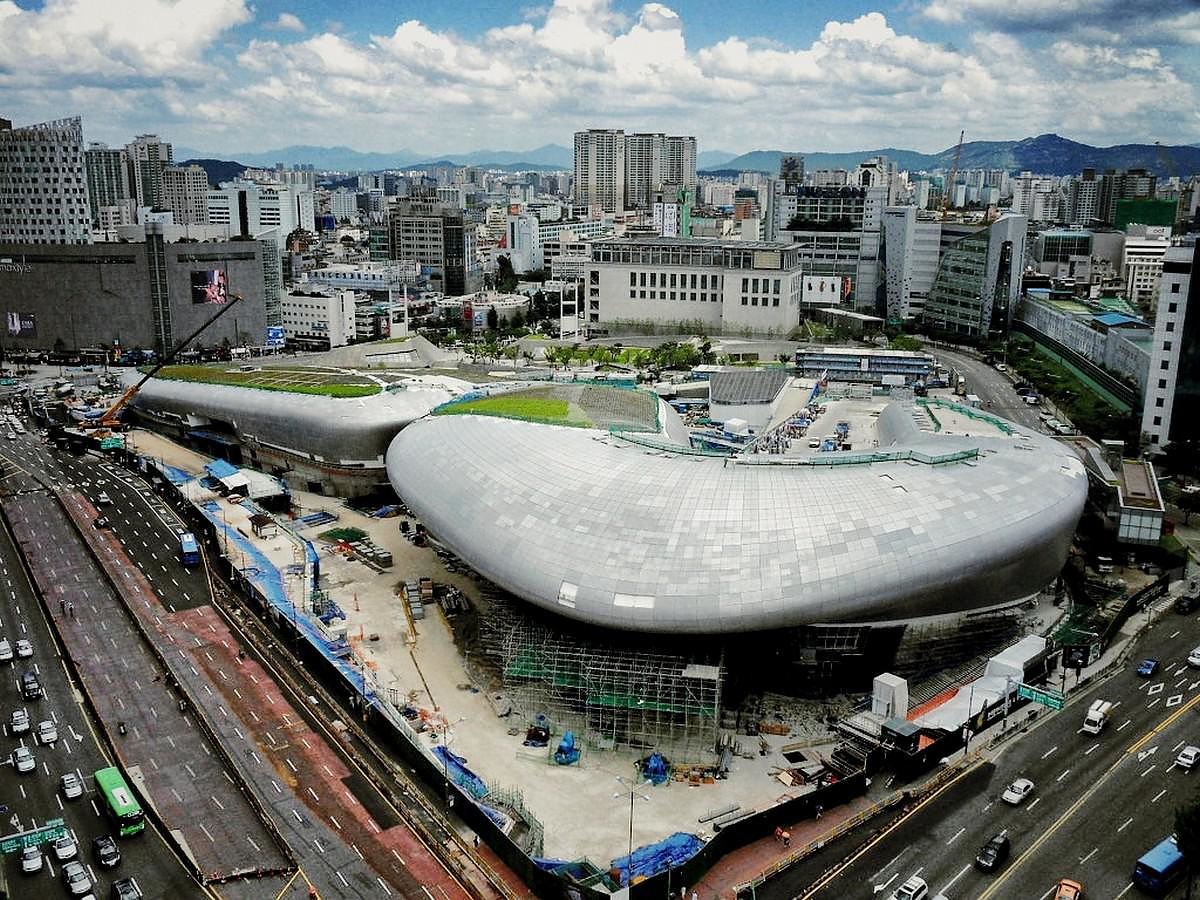
DDP hosts rotating design exhibitions, fashion shows, art installations. The space itself is always the main attraction.
- Address: 281, Euljiro, Jung-gu, Seoul
- Hours: Daily 09:00-20:00 (exhibitions until 18:00)
- Admission: Free access, exhibitions vary
- Features: Zaha Hadid architecture, design exhibitions, art market
Before You Visit
Optimal Routes:
Samcheong Route: Hakgojae → Gyeongbokgung → Insadong (half day)
Gangnam Route: Gallery Hyundai → LMM → COEX Mall (gallery circuit)
Yongsan Route: Amorepacific → Hanok Village → Itaewon (full day)
Gallery Etiquette:
- Avoid flash photography in galleries. It disturbs works and other visitors.
- Ask curators or staff about exhibitions — they hold the richest context.
- Follow @minjicurates on Instagram for exhibition updates.
Timing:
Visit during opening week for chances to meet artists or curators. Near exhibition end for quieter, more contemplative viewing.
Common Questions
Q: Do I need reservations for gallery visits?
A: Amorepacific requires reservations, but most galleries welcome walk-ins. Major exhibitions or VIP openings may recommend booking — check websites.
Q: How long do exhibitions run?
A: Typically 6-8 weeks. Curations vary, but expect new exhibitions roughly every two months.
Q: Is photography allowed in galleries?
A: Most allow non-commercial photography. Flash and tripods restricted. Specific works may prohibit photography — check at entrance.
Q: What's the best season for art walks?
A: Spring (April-May) and fall (October-November) are ideal. Samcheong-dong and hanok villages offer seasonal context that enriches gallery visits. Summer focuses on well-air-conditioned interiors; winter highlights heated hanok galleries.
Q: Can I purchase works at galleries?
A: Yes, most are commercial galleries. Interested in a work? Ask gallery staff. Prices range from ten million won upwards depending on artist and work.
Q: Are galleries solo-friendly?
A: Art galleries are optimized for solo viewing. Time to think, freedom to linger at your own pace. Weekday afternoons are particularly quiet.
Closing Thoughts
Seoul's galleries serve as both windows into contemporary art and barometers of the city's design standards.
Exceptional galleries don't just display works well — the spaces themselves make aesthetic propositions. Where architecture and exhibition, curation and experience intertwine — there we read Seoul's design DNA beyond art.
These seven represent Seoul's finest in both spatial design and curation. Start here for deep engagement with Seoul's contemporary art scene.
@minjicurates