
8 Contemporary Hanok Cafes in Seoul: Where 600 Years of Tradition Meets Modern Design
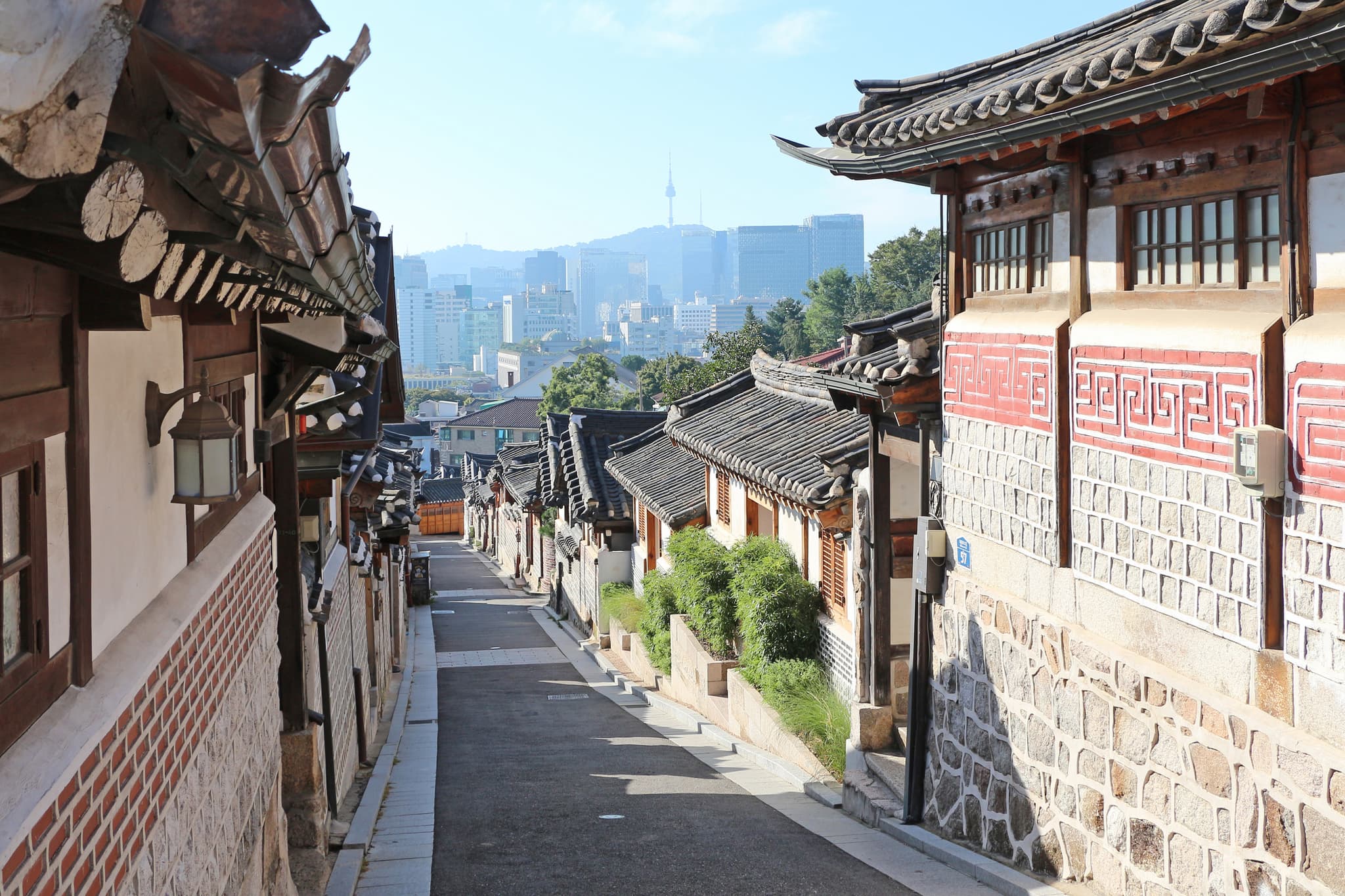
I've witnessed a remarkable transformation. 600-year-old hanok houses now host espresso machines beneath tiled roofs. Danish furniture rests on traditional maru floors.
Seoul's hanok cafes represent more than nostalgic trends. These spaces reinterpret Korean architectural philosophy - the curved beauty of roof eaves, the negative space of courtyards, the grain of wood - through contemporary sensibilities.
After a decade observing Seoul's spatial evolution, I've curated these 8 cafes where tradition and modernity achieve genuine harmony.
Ikseondong: 1920s Urban Hanok Reborn
Ikseondong preserves modern-era hanok architecture. These 1920s urban hanok have transformed into cafes and galleries.
Cafe Onhwa
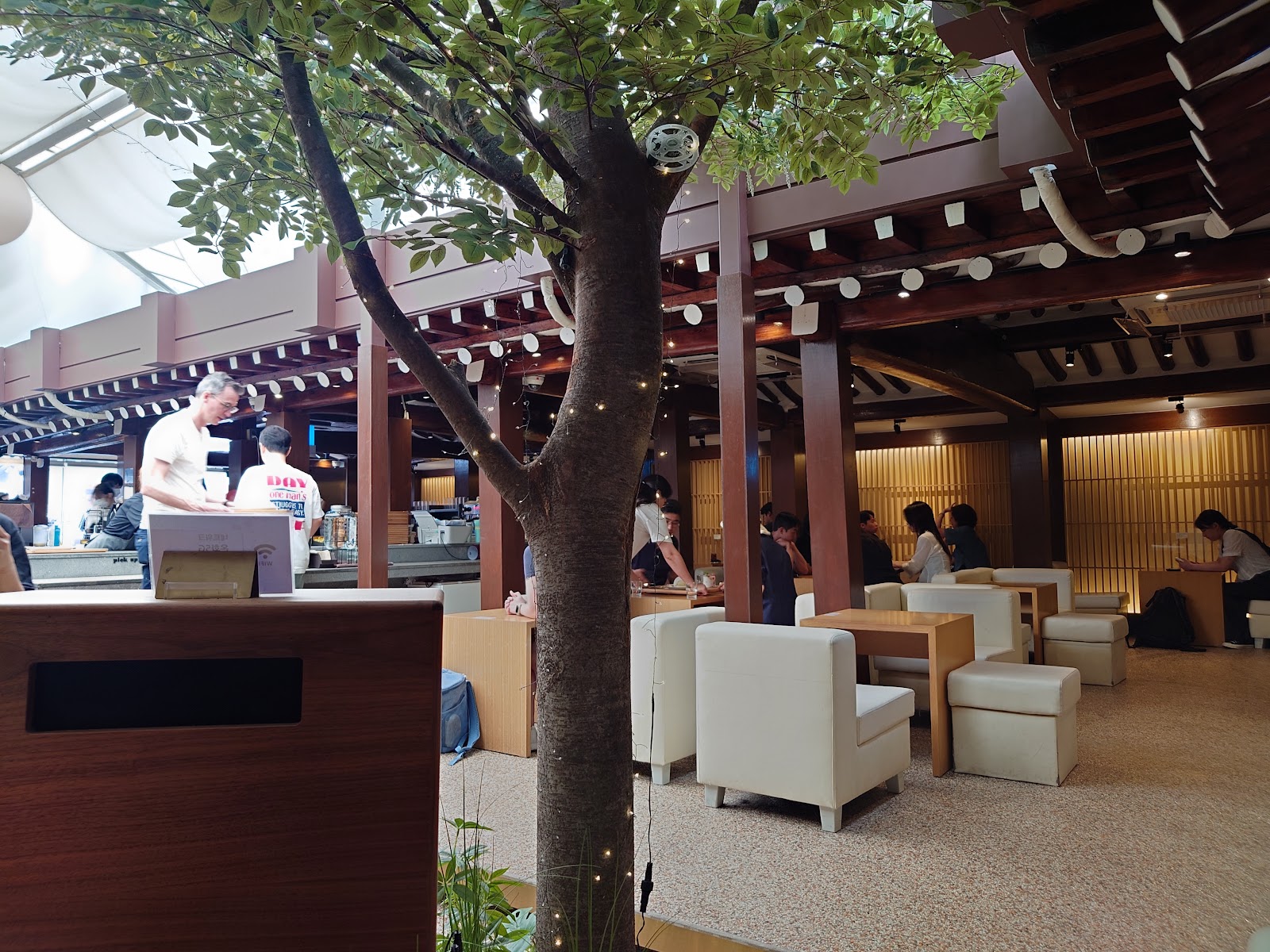
The definitive Ikseondong hanok cafe. Traditional structure perfectly preserved, interior strikingly contemporary.
Original hanok beams remain intact. A tree grows in the courtyard. Below it, white-toned furniture and minimalist lighting create dialogue. Traditional wooden warmth blends rather than clashes with modern design clarity.
Their famous soufflé pancakes require 20-25 minutes. The wait becomes experience as natural light filters through hanok windows.
Location: 21-10 Supyo-ro 28-gil, Jongno-gu (in Ikseondong Hanok Village) Hours: Daily 12:00-21:30 (Last order 20:30) Best time: 2-4 PM (optimal natural light) Instagram: @cafe_onhwa
Folki
Ikseondong's trendy aesthetic embodied. Hanok skeleton maintained, interior boldly contemporary.
Industrial lighting under tiled roofs. Modern furniture beside hanok window frames. These contrasts feel natural, not jarring.
Location: Ikseondong, Jongno-gu (5-min walk from Jongno 3-ga Station Exit 6) Hours: Daily 11:00-23:00 Tip: Perfect to combine with traditional hanok village tour
Bukchon: Aristocratic Hanok Reimagined
Joseon-era aristocrats once lived in Bukchon. The hanok cafes here carry that dignified leisure.
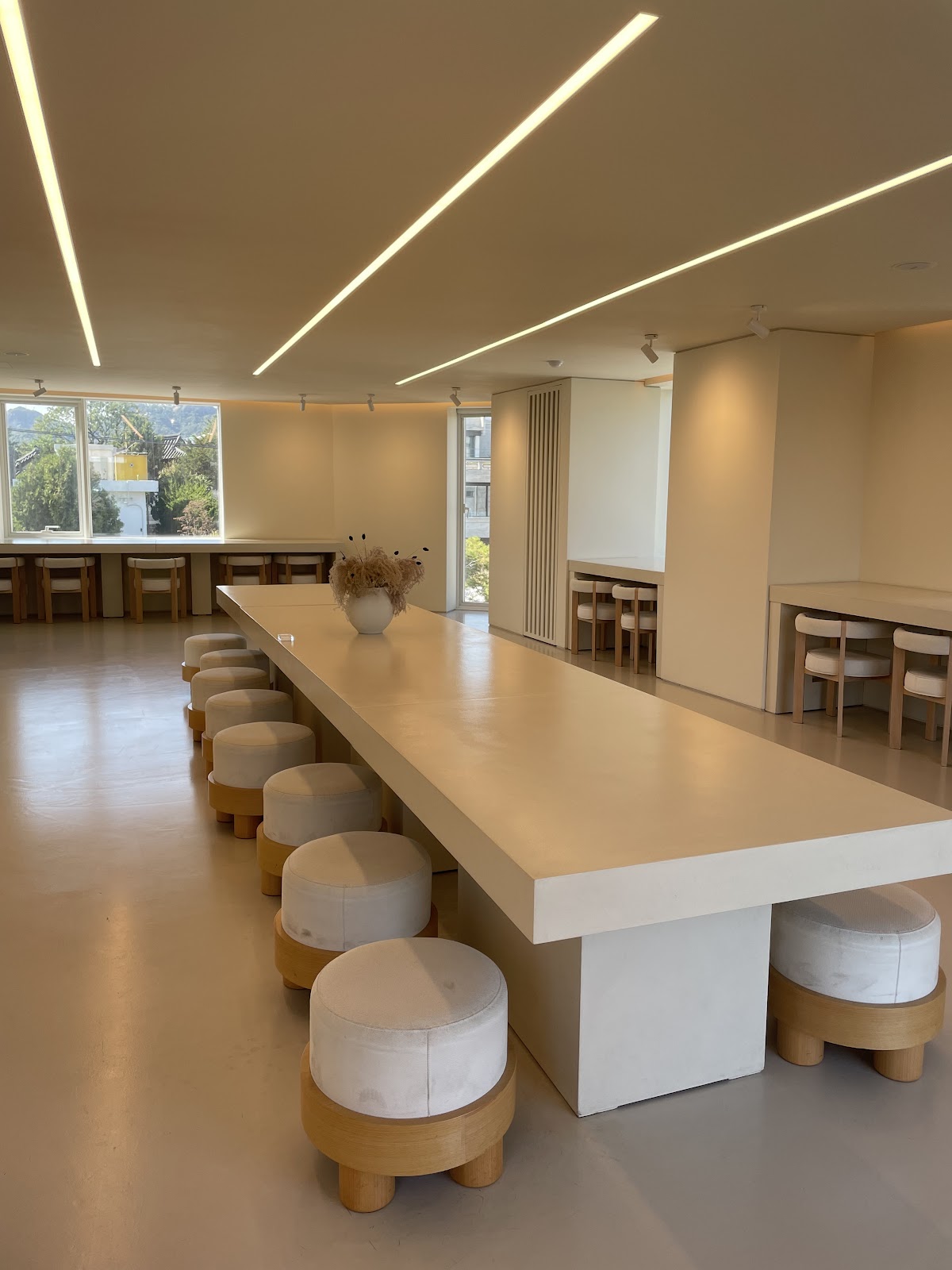
Low Roof
A unique concept: white hanok. Traditional structure intact, but walls and columns finished entirely in white.
The ㅁ-shaped courtyard structure survives. Sitting in the courtyard, hanok eaves frame the sky. White amplifies this spatial quality.
As a dessert cafe, they serve visually stunning cakes and drinks.
Location: 46-1 Bukchon-ro, Jongno-gu (Near Anguk Station Exit 2, in Bukchon Hanok Village) Hours: Tue-Sun 10:00-20:00 (Closed Mondays) Note: Popular desserts sell out in afternoon - visit early
Green Mile Coffee
Third-floor rooftop views of Bukchon hanok rooftops. This view is everything.
Rather than hanok itself, this cafe focuses on hanok 'views.' Traditional tiled roofs unfold panoramically, Bukaksan Mountain visible beyond.
Green tea-based drinks are signature. Traditional tea reinterpreted modernly.
Location: 64 Bukchon-ro, Gahoe-dong, Jongno-gu Hours: Mon-Fri 9am-7pm, Sat-Sun 10am-7pm Recommended: 3rd floor rooftop (best Bukchon hanok views)
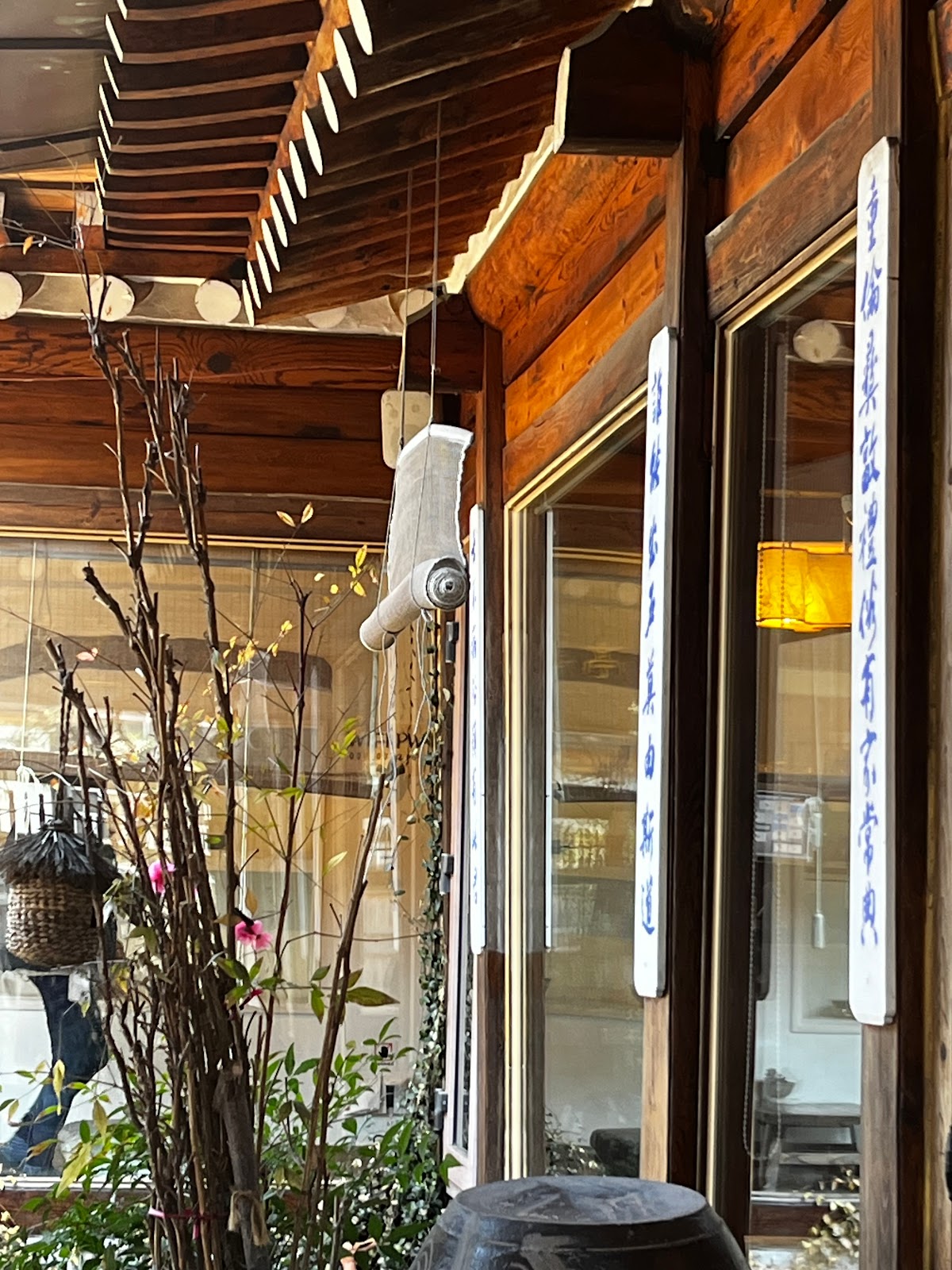
Chatteul
The essence of traditional tea houses. Most faithful to hanok's core values - stillness, negative space, harmony with nature.
Sitting in the ㅁ-shaped hanok's courtyard, time slows. Only falling leaves, only wind. Less cafe, more meditation space.
Traditional tea sets recommended. Experience Korean tea culture in its architectural vessel.
Location: 26 Bukchon-ro 11-na-gil, Jongno-gu (Samcheong-dong, 10-min walk from Anguk Station Exit 2) Hours: Wed-Mon 10:00-19:00 (Closed Tuesdays) Etiquette: Please maintain quiet atmosphere
Mountain Hanok: Contemplative Retreat
Beyond downtown, mountain hanok cafes offer nature's embrace. Here you meet hanok architecture's essence.
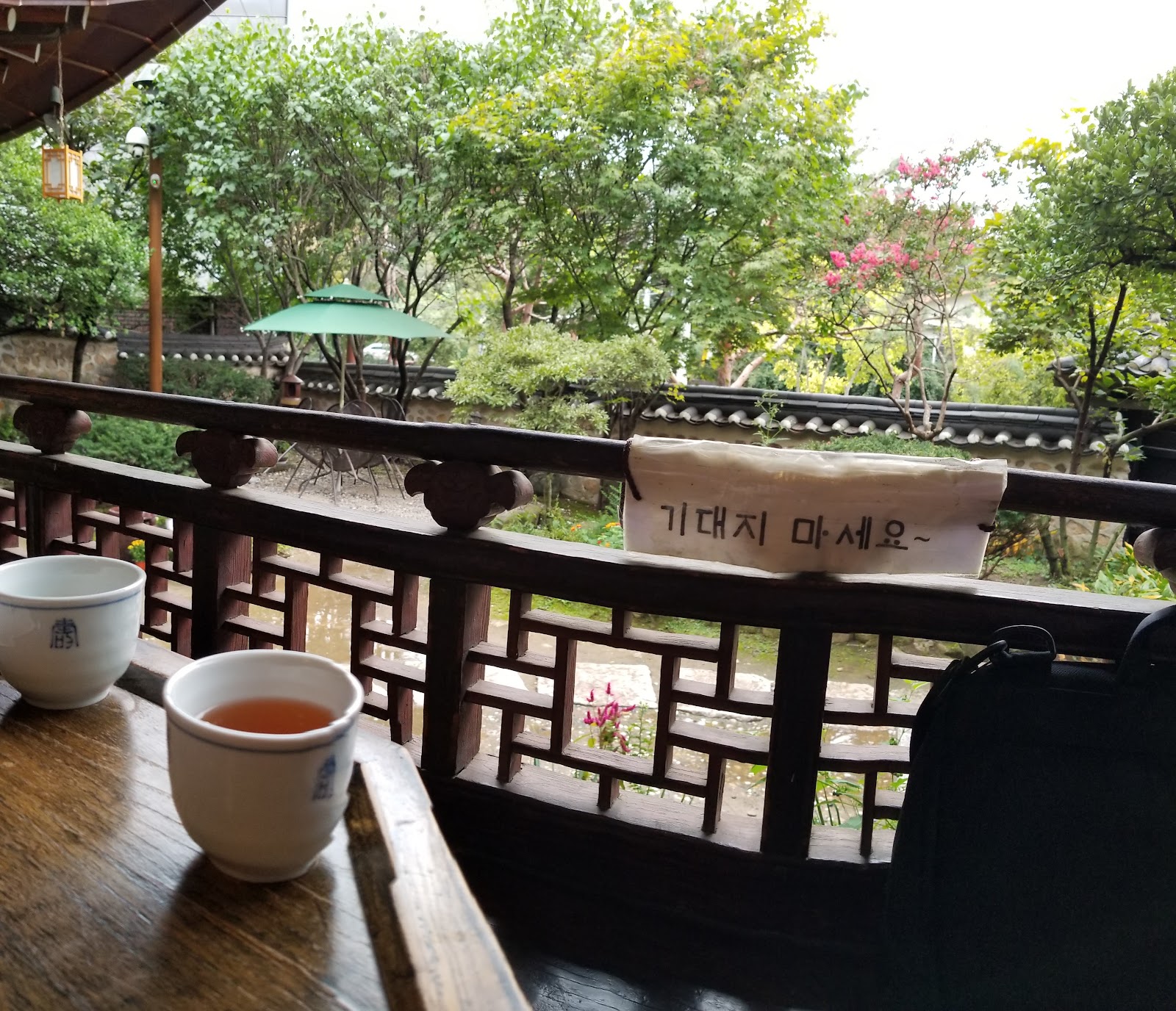
Suyeonsanbang
Seoul's first hanok tea house, former residence of author Lee Tae-jun. Literary heritage meets hanok architecture.
From the sarangchae (men's quarters) on Bukaksan Mountain's slope, glass windows reveal courtyard and mountain like a painting. This space where colonial-era writers discussed literature now serves as contemplative tea house.
Traditional teas - jujube, pine needle, omija - alongside signature sweet pumpkin bingsu (shaved ice).
Location: 8 Seongbuk-ro 26-gil, Seongbuk-dong, Seongbuk-gu Hours: Wed-Mon (Closed Tuesdays and 3rd Sunday each month) Cultural property: Designated Seoul City Folk Cultural Property
Sanmotoonge (Mountain Corner)
A 2-story cafe on Buam-dong's Bukaksan slope. Famous as "Coffee Prince" drama filming location, but the real attraction is the view.
Hanok rooftops, Seoul Fortress Wall, cityscape beyond unfold panoramically. Sunset hours particularly beautiful.
Experiencing mountain breeze with coffee on the outdoor terrace. Another dimension of hanok cafes.
Location: 153 Baekseokdong-gil, Jongno-gu Transport: From Gyeongbokgung Station Exit 3, take bus 1020, 7022, or 7212 Best time: 1 hour before sunset (spectacular sunset views)
1in1jan Cafe
Located at Eunpyeong Hanok Village's highest point. Overlooks hanok rooftops and Bukhansan Mountain.
Opened in 2016, the name means "one cup for one person" - philosophy equating hanok's value with a cup of coffee.
Golden hour light through large windows painting hanok rooftops is the highlight.
Location: 534 Yeonseo-ro, Eunpyeong-gu (Near Eunpyeong Hanok Village) Hours: Tue-Sun 10:00-21:00 (Closed Mondays) Tip: Pair with traditional Korean desserts
Before You Visit
Photography
Some hanok cafes restrict flash photography to protect wood and hanji paper. Natural light photography encouraged.
Dress Code
Hanok culture involves sitting on maru floors. Comfortable clothing recommended. Winter: dress warmly (hanok insulation is minimal).
Parking
Most located within hanok villages where parking is difficult. Public transportation recommended.
Etiquette
Many visit for hanok's serene atmosphere. Traditional tea houses especially require quiet conversation.
Peak Hours
Weekend afternoons (2-5 PM) are crowded. Weekday mornings or late afternoons offer more space.
Frequently Asked Questions
Q: Do hanok cafes only serve traditional tea?
No. Most offer espresso-based coffee and contemporary desserts. Only Chatteul and Suyeonsanbang specialize exclusively in traditional tea.
Q: Recommended hanok cafe tour routes?
Bukchon route: Low Roof → Green Mile → Chatteul (walking distance) Ikseondong route: Cafe Onhwa → Folki (5-min walk) Mountain route: Suyeonsanbang → Sanmotoonge (30 min by bus)
Q: Do I need reservations?
Most accept walk-ins. However, weekend peak hours may require waiting.
Q: Are hanok cafes more expensive than regular cafes?
Slightly higher. Drinks range ₩6,000-10,000 ($4.50-7.50). Considering the spatial experience, reasonably priced.
Q: Best recommendations for international visitors?
Cafe Onhwa (Ikseondong) and Chatteul (Bukchon). Experience both traditional Korean architecture and modern cafe culture simultaneously.
Q: Best season to visit?
Spring (April-May) fresh greenery and autumn (October-November) foliage are particularly beautiful. Hanok cafes with courtyards showcase seasonal changes vividly.
Q: Can I work on my laptop at hanok cafes?
Low Roof, Green Mile, and Sanmotoonge allow it. Traditional tea houses like Chatteul and Suyeonsanbang are contemplative spaces - not suitable for work.
Final Thoughts
Hanok cafes transcend pretty backdrops.
They're cultural experiments reinterpreting 600 years of architectural philosophy - harmony with nature, interplay of light and shadow, aesthetics of negative space - through contemporary spatial design.
Drinking espresso beneath tiled roofs demonstrates past and present can coexist without collision. This is Seoul's unique spatial narrative.