It was 11 PM on a Tuesday. Raining. I'd just finished walking Bukchon and everything was closed except the glowing green sign of a GS25 across the street. I ducked in to grab water — and ended up with a full meal, two drinks, and a bag of snacks I hadn't even planned to buy.
That's 마트어택 (mart attack). It's not just convenience shopping. It's a Korean food experience in itself.
What Is 마트어택?
마트어택 literally means "mart attack" — the act of descending on a convenience store and emerging with far more food than you expected. Korean tourists do it at home. Visitors do it their first night in Seoul and never stop.
This isn't about grabbing a bottle of water. Korean convenience stores stock rotating seasonal menus, freshly made hot food, exclusive drinks, and snacks that you genuinely can't find anywhere else. The four main chains — CU, GS25, 7-Eleven, and emart24 — compete fiercely, which means the quality keeps going up.
About 60% of international tourists name food as their main reason for visiting Seoul. A surprising number say convenience store meals were a highlight.

The Hot Food Counter: Where to Start
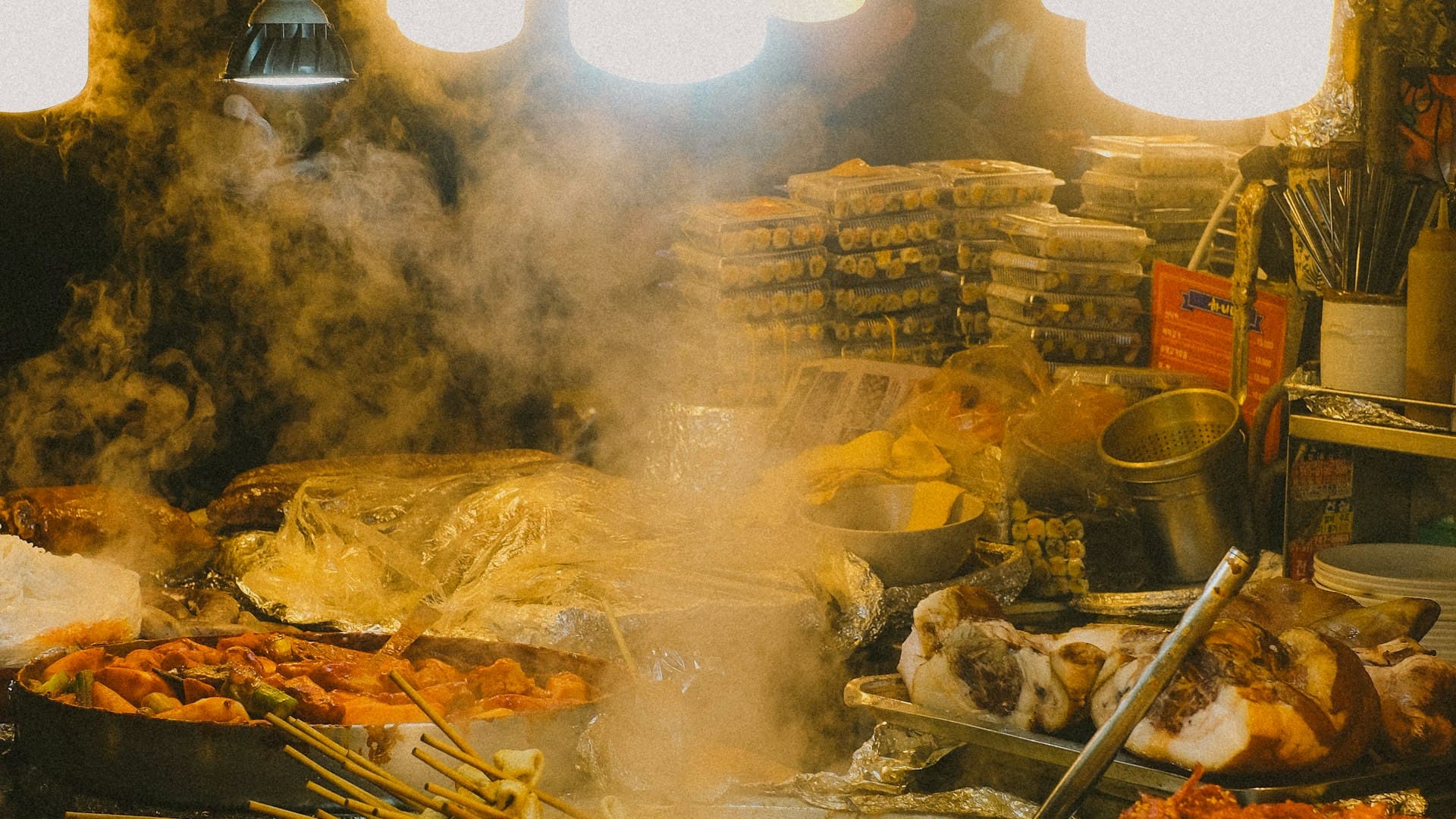
Walk into any Seoul convenience store and the first thing you'll smell is the hot case. This is not sad gas-station food. This is where the 마트어택 begins.
CU's fried chicken is genuinely good. Crispy, seasoned differently from fast-food chains, and cheap — around ₩2,000-3,000 per piece. The thigh pieces sell out fastest.
GS25's soondae (blood sausage) comes in a cup with dipping sauce. Sounds strange if you've never tried it. Tastes incredible. Slightly chewy, earthy, deeply savory. You have to eat at least one.
Tteokbokki (spicy rice cakes) appears at almost every chain. Hot, saucy, the exact flavor you smell in street food alleys. I usually get the cup version from GS25 and eat it standing up at the counter like a local office worker at 7 PM.
Corn dogs with mozzarella filling. These became an international obsession for good reason. The coating is crispy outside, soft inside, with molten cheese that pulls apart in a satisfying way. Get one from either CU or GS25 — both are excellent.
The hot case rotates by season. In spring you'll find cherry blossom edition packaging, limited runs of sakura-flavored drinks, and spring-specific snack releases.
Chilled Section: The Real MVP
The refrigerated section is where I spend most of my time and most of my money.
Triangle kimbap (삼각김밥) — this is the single best convenience store food in Korea. A compact triangle of rice with a filling (tuna mayo, bulgogi, spicy pork, kimchi) wrapped in a sheet of seaweed that stays perfectly crispy until you open it. The packaging has a clever tear strip that keeps the seaweed separate until the last second. Price: ₩1,200-1,800. I eat at least two every time I visit.
Gimbap rolls come pre-cut or whole. The ones wrapped in individual pieces have better rice-to-filling ratio than most kimbap shops. CU's cheese gimbap is a sleeper hit.
Sandwiches are better than you'd expect. GS25 in particular has changed their bread suppliers several times to improve quality. The egg salad sandwich with thick white bread is genuinely good. Nothing revolutionary — just clean, fresh, satisfying.
Salad cups with dressing sachets. Useful if you've been eating heavy Korean food for days and want something lighter.
The Drinks Wall: Your Best Shot at Being a Regular
This is where visiting gets fun. The drinks selection in Korean convenience stores is unlike anything in most countries.
Banana milk (바나나 우유) in the classic bullet-shaped brown bottle. Sweet, creamy, with a flavor that's distinctly Korean and thoroughly addictive. This has been Korea's most iconic packaged drink since 1974.
Sikhye (식혜) — traditional sweet rice punch, slightly fizzy, with floating grains of rice at the bottom. Cold and refreshing. One of those flavors that's hard to describe but easy to love.
Flavored sojus: peach, grape, green grape, strawberry, blueberry. All low-ABV (~13%), all fruity and dangerously drinkable. The GS25 house-brand soju tends to be cleaner than the name brands. Mix two flavors together if you want to feel very local.
Bubble tea machines now exist in some GS25 and CU locations. Brown sugar milk tea, taro, matcha — brewed fresh or made from concentrate depending on the location. Worth finding.
Hot drink machines dispense coffee in paper cups. The Americano is about ₩1,500 and is better than many cafe drip coffees I've had.
The Snack Section: What to Actually Buy
This is where many tourists go wrong. There's too much. You'll panic-buy, end up with three bags of things you'll never finish.
Here's what's actually worth it:
Honey butter chips — the original Korean snack obsession. Buttery, sweet, impossibly addictive. Get one bag.
Choco Pie (GS25 exclusive) — individually wrapped soft chocolate cakes with marshmallow center. Korea's most beloved childhood snack. Still perfect.
Pepero sticks in almond chocolate or strawberry — get a box of each. They travel well.
Tteok (rice cakes) in small packages — the mochi-style ones in the chilled section, usually green tea or injeolmi flavored. Soft, chewy, not too sweet.
Ramyeon cup: get a Shin Ramyeon and use the hot water machine by the counter. ₩1,500. The best late-night meal option when everything else is closed.
What NOT to buy: "tour bus edition" multipacks of standard snacks sold near tourist areas. You're paying double for the same product. Walk two blocks from Gyeongbokgung and you'll pay normal prices.
Store Comparison: Who Wins What
Every chain has its specialty.
CU wins: fried chicken, ramyeon cups, exclusive collaborations (they do brand tie-ins with Korean dramas and gaming). Best for trying limited-edition items.
GS25 wins: soondae, sandwiches, hot drink machine quality, and overall food freshness. The most consistent chain.
7-Eleven wins: banana milk selection (weirdly, they have the best variety), and their exclusive donut series.
emart24 wins: value pricing on most items. Good if you want more volume for your money. Less exciting exclusive items but reliable quality.
My personal rule: if I'm near a GS25, I go to GS25 for food. If I want limited-edition snacks, I look for CU.
Full Meal Under ₩5,000
The 마트어택 budget meal challenge is a real thing. Here's one I've done multiple times:
- Triangle kimbap (tuna mayo) — ₩1,500
- Cup of tteokbokki — ₩1,800
- Banana milk — ₩1,000
- Total: ₩4,300
That's under $3.50 USD for a satisfying hot-and-cold meal. You can do this at midnight on a Tuesday when every restaurant is closed and it's completely fine.
A slightly more generous version:
- Corn dog (mozzarella) — ₩2,500
- GS25 sandwich — ₩2,200
- Sikhye — ₩1,300
- Total: ₩6,000
Still not much.

Where to Find the Best Stores
Not all stores are equal. Location matters.
Myeong-dong: The flagships near the main shopping street carry limited-edition items first. More crowded, slightly higher prices at peak tourist times, but the selection is exceptional.
Seongsu-dong: The CU and GS25 near Seongsu Station carry a higher proportion of artisanal and craft-collaboration products — locally roasted coffee in cans, neighborhood bakery bread partnerships.
Hongdae: Student-area stores have bigger ramyeon selections and better late-night hot food because they're serving people out until 3 AM.
Airport GS25 (Incheon Terminal 1/2): Buy anything here you want to take home. The airport stores carry things specifically marketed as souvenirs — nicer packaging, boxed sets. Honey butter chips in gift boxes, Pepero multipacks, premium gimbap lunch sets.
Near Gyeongbokgung / Insadong: More likely to have seasonal Korean-heritage themed packaging.
The Eating Ritual
Part of 마트어택 is the eating. There are a few ways to do it:
At the store counter: All chains have small counters or bar seating with hot water, microwaves, and utensils. Standing at the counter eating ramyeon at midnight while watching rain hit the street outside is one of Seoul's legitimate great experiences.
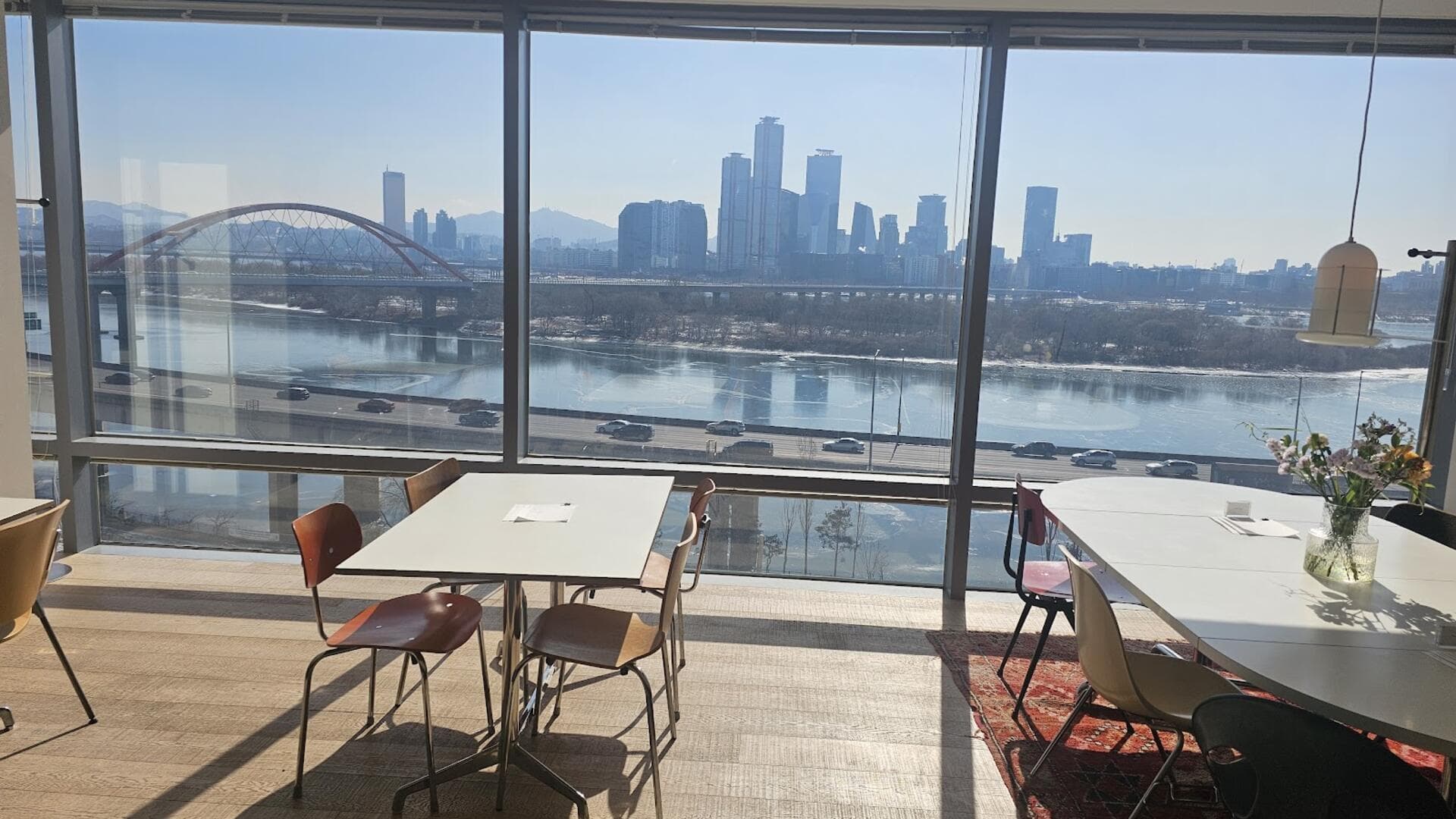
Han River parks: The classic. Grab your food and bring it to the nearest riverside park. Spread out a mat, open everything, eat while watching the river. This is what Korean couples and friend groups do on warm evenings. Coupang Eats and Baemin now accept international cards if you want to add delivery food to the spread.
Hotel room unboxing: A very valid option. Buy 12 things, spread them on the bed, try a bit of everything, decide what you'll buy again tomorrow.
Seasonal Specials Worth Hunting
Spring (March-May): Cherry blossom limited editions — drinks, snacks, packaging. Strawberry milk in new flavors. Spring namul (wild vegetable) themed kimbap.
Summer (June-August): Shaved ice (빙수) cups, cold-brew coffee, limited watermelon editions.
Autumn (September-November): Sweet potato flavored everything. Chestnut cream drinks. Pumpkin spice equivalent items.
Winter (December-February): Hotpot-style instant soups, Christmas packaging, warm sweet potato drinks.
Right now in March 2026, you're at the start of cherry blossom season — look for sakura pink packaging on GS25's house drinks and the spring strawberry banana milk from CU.
Frequently Asked Questions
Do Korean convenience stores accept international credit cards? Yes. All major chains accept Visa/Mastercard. Many also accept Apple Pay and Google Pay. Kakao Pay is popular with locals but not necessary for tourists.
What are the hours? 24/7. That's the point.
Is the food safe for people with dietary restrictions? Vegetarian options are limited — most hot foods contain meat or fish-based broth. Look for vegetable-only kimbap triangles (usually labelled 야채 which means "vegetable"). Vegan options are very rare in standard stores.
Can I eat inside the store? Yes. All stores have counters, and many have proper seating. Hot water for ramyeon is free.
Which store has the biggest selection? GS25 and CU are more or less equal. 7-Eleven is slightly smaller on average. emart24 focuses on value rather than variety.
Are the prices the same everywhere? Mostly yes. There's slight variation near major tourist areas but it's minimal — maybe ₩100-200 difference on select items.
마트어택 is one of those only-in-Korea experiences that surprises every visitor. You go in for ramyeon. You come out with a full meal, two drinks, a snack for tomorrow morning, and a genuine understanding of why locals treat these stores as daily dining destinations.
Go at least twice. Once in the afternoon to see the hot case at peak capacity. Once past midnight to experience the quiet, neon-lit version.
Both are different meals. Both are worth it.
Looking for Seoul's best traditional markets? Read Gwangjang Market Food Guide for the full street food experience. For picnic-perfect food picks, see the Cherry Blossom Picnic Food Guide.