Seoul Hanbok Rental Guide 2026: Free Palace Entry, Photo Spots & Cultural Experience
Six hundred years ago during the Joseon Dynasty, hanbok was the everyday attire worn by everyone from royalty to commoners. This traditional Korean garment—consisting of a jeogori (jacket) and chima (skirt) for women, or jeogori and baji (pants) for men—isn't just clothing. It embodies Confucian philosophy and harmony with nature, representing the very essence of Korean culture.
Wearing hanbok in modern Seoul is like stepping into a time machine. When you walk through Gwanghwamun Gate at Gyeongbokgung Palace or stroll through the alleyways of Bukchon Hanok Village, you're wearing the same style of clothing that people wore in these exact locations 600 years ago. Plus, hanbok wearers receive free admission to Seoul's four major palaces and Jongmyo Shrine—a cultural experience that's both meaningful and practical.
The Meaning of Hanbok: More Than Just Clothing
History and Philosophy
While hanbok's origins trace back to the Three Kingdoms period (57 BC–668 AD), the form we recognize today was perfected during the Joseon Dynasty (1392-1910). In Joseon society, which adopted Confucianism as its state ideology, hanbok served as a means to express social status and propriety.
The beauty of hanbok lies in its philosophy.
Harmony of Lines: The gentle curves of the jeogori meeting the graceful flow of the skirt express the harmony between the human body and nature.
Aesthetic of Space: The generous silhouette that envelops the body embodies Confucian modesty.
Meaning of Colors: The five traditional colors (blue, red, yellow, white, black) reflect the philosophy of Yin-Yang and the Five Elements. Bright colors in court hanbok indicated status, while simple colors in commoner's hanbok represented humility.
Why Should International Tourists Wear Hanbok?
Wearing hanbok isn't just costume play. Koreans genuinely welcome and appreciate foreigners showing interest in their traditional culture.
As you walk the streets, locals will smile and give you thumbs up, saying "Beautiful!" Palace guards might approach and offer to take your photo. This warm reception makes the experience even more special.
The free palace admission for hanbok wearers has been policy since 2013, implemented by the Cultural Heritage Administration to encourage direct experience with traditional culture. It's both a reward and encouragement for tourists who engage with Korean heritage.
Hanbok Rental Basics
Rental Duration and Pricing
Rental Duration:
- 4-hour package: ₩15,000~25,000 (weekday rates)
- Full-day (24 hours): ₩20,000~35,000
- Weekend/peak season: +₩5,000~10,000
Most rental shops open at 9 AM, with returns by 6-7 PM. If you choose the 24-hour option, you can return it the next morning, giving you more flexibility.
What's Included:
- Complete hanbok outfit (jeogori, skirt/pants, undergarments)
- Traditional hair accessories, norigae (ornamental pendant)
- Bag storage service (free lockers provided)
- Simple hair styling (some shops)
Deposit: ₩50,000 or original passport ※ Fully refunded upon hanbok return
Recommended Rental Locations (By Area)
Gyeongbokgung·Bukchon Area (Most Popular):
- Over 30 rental shops concentrated in the area
- Most shops near Gyeongbokgung Station Exit 3
- Advantage: Immediate palace entry, 5-minute walk to Bukchon
- Reservation needed: Strongly recommended for weekends
Insadong Area:
- 10+ shops in traditional culture street Insadong
- Close to Jogyesa Temple and Ikseon-dong Hanok Village
- Advantage: Perfect combination with traditional tea houses
Changdeokgung·Jongno Area:
- Convenient if planning Changdeokgung Secret Garden tour
- 5-10 shops, relatively less crowded
- Advantage: Quieter neighborhood feel
Ikseon-dong Area:
- Retro hanok cafe street
- Modern fusion hanbok also available
- Advantage: Many photogenic cafes
Choosing Your Hanbok Style
Traditional Hanbok (Court Style):
- Formal hanbok worn by Joseon royalty or nobles
- Elaborate embroidery and five-element colors
- Heavier fabric, dignified appearance
- Recommended: Palace visits, formal atmosphere
Modified Hanbok (Modern Style):
- Traditional silhouette with contemporary colors and patterns
- Lighter fabric, easier to move in
- Pastel tones, gradients, various colors
- Recommended: Bukchon·Ikseon cafe tours, casual walks
Couple Hanbok:
- Coordinating colors and patterns
- Most shops offer couple discounts (₩5,000~10,000)
- Recommended: Commemorative photos
Plus Size:
- Larger sizes for Western body types
- Some shops specialize in these
- Recommended shop: "Hanboknam" (foreigner specialist)
7 Must-Visit Places in Hanbok
1. Gyeongbokgung Palace: The Classic Hanbok Experience
Gyeongbokgung is both the beginning and culmination of the hanbok experience. Built in 1395, this palace served as the main royal palace of Joseon, where hanbok culture flourished.
Free Admission with Hanbok: Present at Gwanghwamun ticket office for hanbok verification and free entry Best Times: 10 AM or 2 PM (Royal Guard Changing Ceremony) Photo Spots:
- Gwanghwamun Gate (palace view from Yukjo Street)
- Geunjeongjeon Hall courtyard (central throne hall)
- Gyeonghoeru Pavilion pond (reflection in water is stunning)
- Jagyeongjeon wall path (flower walls and hanbok harmony)
Tip: 5-10 minute walk from rental shops to palace. Walk slowly and lift skirt slightly to avoid dirt.
2. Bukchon Hanok Village: Into a 600-Year-Old Village
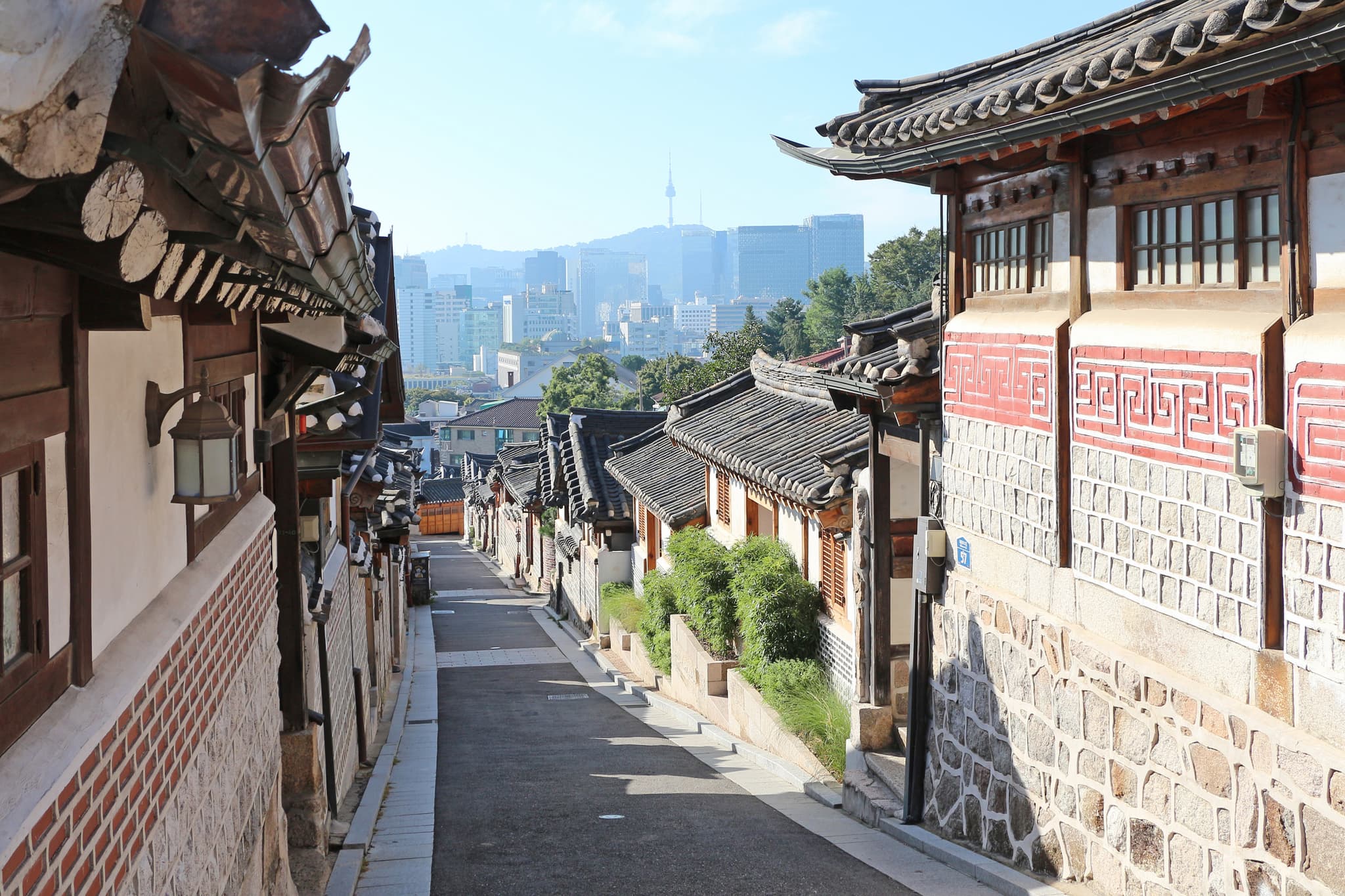
Bukchon, where high-ranking Joseon officials once lived, still preserves over 900 hanok buildings, making it Seoul's largest traditional residential area. Walking through Bukchon in hanbok feels like riding a time machine.
Recommended Route (2 hours):
- Bukchon 8 (Gahoe-dong 31) - Hanok rooftop panorama
- Bukchon 5 (Gahoe-dong alley) - Instagram hotspot
- Bukchon Cultural Center - Traditional craft experience
- Samcheong-dong Street - Rest at traditional tea house
Important Notes: Bukchon is a real residential area. Please respect residents' privacy.
- Visit between 10 AM-5 PM
- Keep voices down
- Don't peer into residents' windows
Photo Angle Tips:
- Bukchon 5: Mid-stairs with hanok roofs as backdrop
- Bukchon 8: Lean on railing enjoying the view
- Alleyways: Back view walking under hanok eaves
3. Changdeokgung Secret Garden: Harmony with Nature
Changdeokgung's Secret Garden (Huwon) was the Joseon royal family's private garden. This space, where nature and architecture achieve perfect harmony, is the most fitting location for hanbok.
How to Visit: Secret Garden special tour requires reservation (4 times daily, 50 people per session)
- Korean: 10 AM, 12:30 PM, 2:30 PM
- English: 11:30 AM
- Reservation: Changdeokgung website (www.cdg.go.kr)
Hanbok Benefits:
- Changdeokgung admission free (save ₩3,000)
- Secret Garden tour fee separate (₩5,000)
Photo Spots:
- Buyongjeong: Square pond and pavilion
- Aeryeonjung: Lotus pond backdrop
- Ongnyucheon: Valley and rock garden
Seasonal Recommendations:
- Spring (April-May): Cherry blossoms and forsythia
- Summer (June-August): Buyongjeong lotus flowers
- Autumn (October-November): Spectacular fall foliage
- Winter (December-February): Snow scenes (easier reservations)
4. Ikseon-dong Hanok Cafe Alley: Retro Hanbok Tour
Ikseon-dong preserves unique "urban hanok" buildings from the 1920-30s. Recently transformed into retro cafes and bars, it's become a hanbok photo hotspot.
Hanbok + Cafe Recommendations:
- Sigmool: Beautiful 1920s hanok courtyard garden
- Nakwon Sanghoe: Exquisite harmony of retro interior and hanbok
- Ikseon Dada: Traditional tea house, Korean sweets and traditional tea
- Coffee HanYang: 2nd-floor hanok rooftop with skyline view
Photo Tips:
- Narrow Ikseon alleys: Side shots by hanok doors
- Cafe courtyards: Full-body shot spreading hanbok skirt
- Window seats: Utilize hanok lattice window frames
Note: Very crowded 2-5 PM on weekends. Morning visits recommended.
5. Deoksugung Stone Wall Path: Hanbok and Ginkgo Trees
Deoksugung Stone Wall Path is one of Seoul's top 3 date courses. Walking here in hanbok, especially when ginkgo trees turn yellow in autumn (late October-early November), is pure romance.
Best Times:
- Weekday mornings 10-11 AM: Fewer tourists, soft sunlight
- Autumn 30 minutes before sunset: Golden ginkgo leaves and sunset
Photo Spots:
- Deoksugung Stone Wall Path entrance: Ginkgo tree tunnel
- Daehanmun Gate: Western-style building and hanbok contrast
- Seokjojeon Hall: European architecture backdrop
Nearby Hanbok Rentals: 3-5 shops near City Hall Station Exit 12
6. Jongmyo Shrine: The Most Solemn Hanbok Experience
Jongmyo is the shrine housing the spirit tablets of Joseon kings and queens. This UNESCO World Heritage site features Korea's longest wooden building (Jeongjeon Hall, 109m).
Why Hanbok is Recommended:
- Free admission (save ₩1,000)
- Fewer tourists than palaces, more spacious
- Hanbok's dignified and reverent feeling fits perfectly
How to Visit: Guided tour mandatory (1 hour)
- Korean: Every hour on the hour
- English: 10 AM, 12 PM, 2 PM, 4 PM
- Saturdays only: Free exploration
Photo Tip: Long corridor of Jeongjeon Hall for perspective shots
First Sunday of May: Jongmyo Daeje (royal ancestral ritual reenactment) - Even more special in hanbok
7. Namsangol Hanok Village: Joseon Lifestyle Experience
Namsangol Hanok Village is an outdoor museum featuring five relocated Joseon-era hanok buildings representing different social classes. You can see architectural styles from commoner homes to royal residences.
Why It's Recommended:
- Free admission (regardless of hanbok)
- Traditional household items on display
- Traditional games experience (pitch-pot, jegichagi, yut)
- Can enter inside hanok buildings (Gyeongbokgung is exterior only)
Weekend Events:
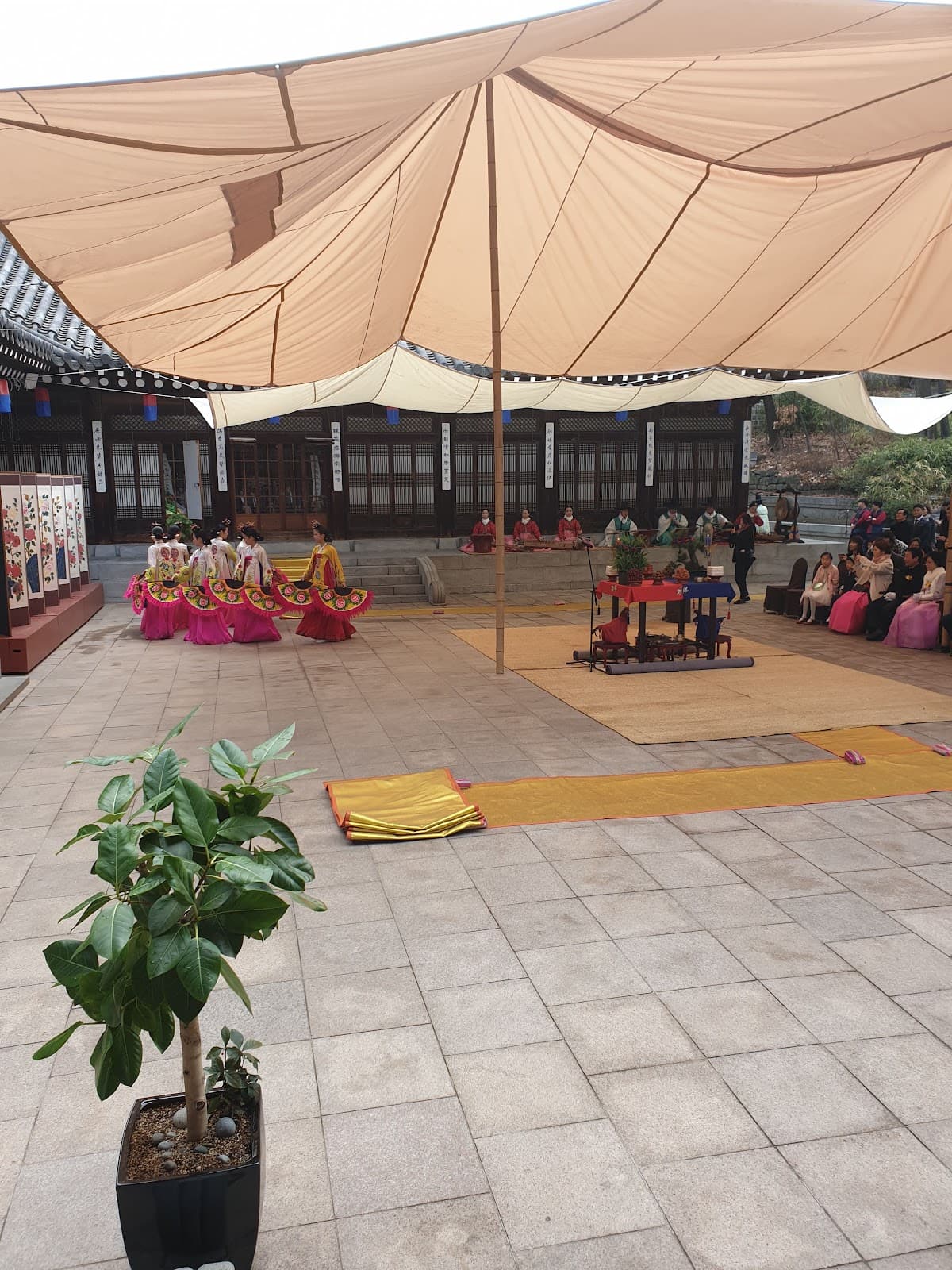
- Saturday 2 PM: Traditional wedding ceremony reenactment
- Every Saturday-Sunday: Traditional performances (samulnori, pansori)
Photo Spots:
- Time Capsule Plaza: N Seoul Tower backdrop
- Pond by Cheonugak: Hanok reflection in water
Tip: 10-minute walk from Myeong-dong, perfect before/after shopping.
Hanbok Wearing and Photography Tips
How to Wear Hanbok (Women)
Rental shop staff will help, but knowing in advance is useful.
- Underskirt: Wrap around waist and tie securely
- Beoseon: Traditional socks (some shops skip this)
- Skirt: Secure with waistband just below chest
- Jeogori: Insert arms through sleeves and close front
- Goreum: Tie long ribbons at front like a bow
- Accessories: Add hair pin and norigae
Important Notes:
- Don't tie skirt strings too tight (breathing difficulty)
- One knot on jeogori goreum is sufficient
- Skirt should reach ankles for authentic look
Comfortable Wearing Tips
Shoe Selection:
- Flat shoes or sneakers recommended (hidden under skirt)
- Traditional shoes (kkotsin) are pretty but hard for long walks
- Heels are prohibited (dangerous on stone paths and stairs)
Undergarment Selection:
- Wear tank top or short-sleeve t-shirt
- Neutral colors like black/white recommended
- Leggings in summer keep you cooler
Weather Preparation:
- Summer (June-August): Portable fan, water bottle essential
- Winter (December-February): Wear thermal underwear, hand warmers
- Spring·Autumn: Thin cardigan underneath
Poses and Angles for Great Photos
Basic Poses:
- Hands folded politely in front
- One foot slightly forward for S-line
- Slightly lowered head looks modest and elegant
How to Hold Skirt:
- Gently lift skirt edges with both hands
- Spread left and right like opening curtains
- Knee-level height is appropriate
Angle Tips:
- 45-degree side view: Most beautiful hanbok silhouette
- Back view: Graceful skirt train and daenggi (hair ribbon)
- Top-down angle: Spreading skirt appearance
Hanok Background Utilization:
- Stand within hanok door frame
- Under eaves with sky backdrop
- Lean against stone walls
Couple Photos:
- Back view holding hands while walking
- Facing each other with smiles
- Man holding woman's hand
Frequently Asked Questions (FAQ)
Can I really enter palaces for free wearing hanbok?
Yes, 100% free. This policy has been implemented by the Cultural Heritage Administration since 2013 to promote traditional culture.
Free Admission Locations:
- Gyeongbokgung Palace (normally ₩3,000)
- Changdeokgung Palace (normally ₩3,000)
- Changgyeonggung Palace (normally ₩1,000)
- Deoksugung Palace (normally ₩1,000)
- Jongmyo Shrine (normally ₩1,000)
Note: Changdeokgung Secret Garden special tour fee (₩5,000) is separate.
Verification Method: Hanbok verification at ticket office, free admission ticket issued
Do I need to make a reservation?
Reservation Required:
- Weekends (Friday-Sunday)
- Korean holidays (Lunar New Year, Chuseok, National Holidays)
- Cherry blossom season (early-mid April)
- Fall foliage season (late October-early November)
Walk-in Possible:
- Weekdays (Monday-Thursday)
- Winter season (December-February, except Lunar New Year)
- Rainy season (July)
How to Reserve: Most shops accept reservations via Naver Booking, Instagram DM, or KakaoTalk.
Can I take the subway in hanbok?
Of course! Koreans are curious but friendly when they see foreigners in hanbok. People often offer their seats or approach to take photos for you.
Tips:
- Avoid rush hours (7-9 AM, 6-8 PM)
- Sit on skirt when seated
- Watch skirt train on escalators
Can I rent plus-size hanbok?
Yes, it's possible. With the increase in foreign tourists, more shops now stock larger sizes for Western body types.
Recommended Shops:
- Hanboknam (foreigner specialist, sizes up to 100-130kg)
- Oneday Hanbok (custom sizing available)
When Reserving: Provide height and weight in advance so they can prepare the right size.
Can I go to restaurants in hanbok?
Traditional hanbok fabric is high quality and stains can be removed, but it's best to be careful.
Recommended Foods:
- Gimbap, rice balls (easy to eat)
- Tteokbokki (careful of sauce splatter)
- Hanjeongsik (Korean set meal fits well with hanbok)
Foods to Avoid:
- Red sauce dishes (buldak, spicy tteokbokki)
- Soup dishes (samgyeopsal stew, kimchi stew)
- Oily foods (chicken, fried food)
Tip: Some rental shops lend aprons for free.
Can I wear hanbok on rainy days?
Best to avoid if possible. Wet hanbok skirts become heavy and uncomfortable to walk in.
Alternatives:
- Focus on indoor activities (Deoksugung, Namsangol have many indoor spaces)
- Wear rain cape instead of umbrella (hands stay free)
- Choose modified hanbok with shorter skirt
How many hours of walking is comfortable in hanbok?
For 4-hour rental, 2-3 hours of active movement is appropriate.
Recommended Itinerary (4 hours):
- Gyeongbokgung tour (1 hour)
- Bukchon Hanok Village walk (1 hour)
- Samcheong-dong cafe rest (30 minutes)
- Insadong shopping (1 hour)
- Return to rental shop (30-minute buffer)
Energy Management Tip:
- First 1-2 hours: Major landmark photos
- Middle 1 hour: Cafe or restaurant rest
- Last 1 hour: Light walking·shopping
Conclusion: Wearing Joseon Dynasty History
The moment you put on hanbok, you're no longer in 21st-century Seoul—you're standing in Joseon Dynasty Hanyang. Officials passing through Gwanghwamun 600 years ago, noble ladies walking Bukchon alleys, royalty performing rituals at Jongmyo—wearing the same clothing they wore and facing the same landscapes is a living history experience that no museum or book can provide.
Hanbok isn't just a tourist costume; it's a cultural heritage containing the Korean spirit and aesthetic. In the gentle curves of the jeogori, you feel modesty. In the elegant lines of the skirt, harmony with nature. In the five traditional colors, the philosophy of Yin-Yang and Five Elements.
When you stand before Geunjeongjeon Hall at Gyeongbokgung wearing hanbok, you're no longer just a tourist. For a moment, you become part of this land's history, experiencing a magical moment where past and present meet.
The practical benefit of free palace admission, Instagram-worthy beautiful photos, warm hospitality from Koreans—the hanbok experience is an unmissable special experience during your Seoul trip.
Book your hanbok rental now and prepare for a time-traveling journey to Joseon Dynasty 600 years ago.
Sources: