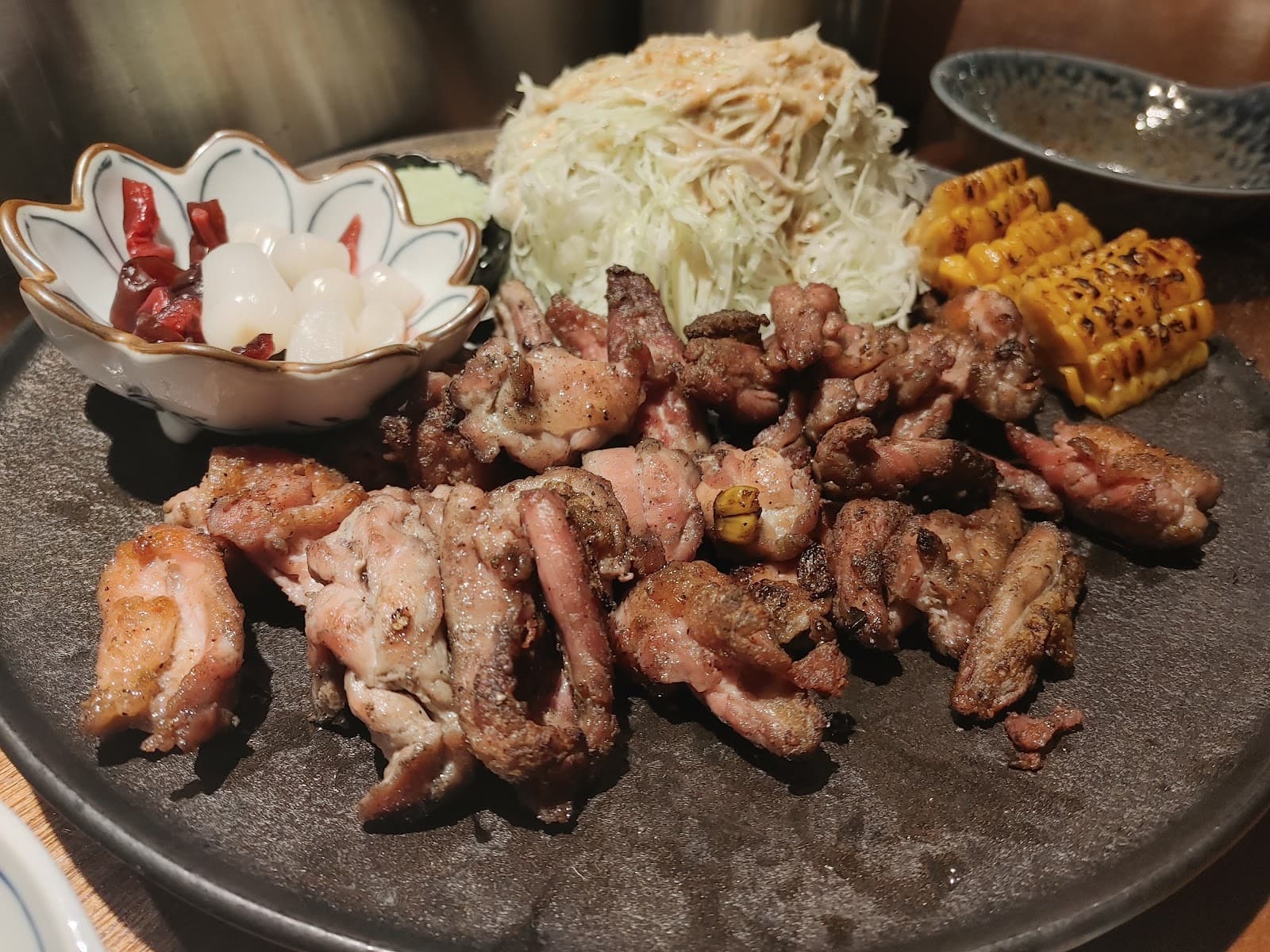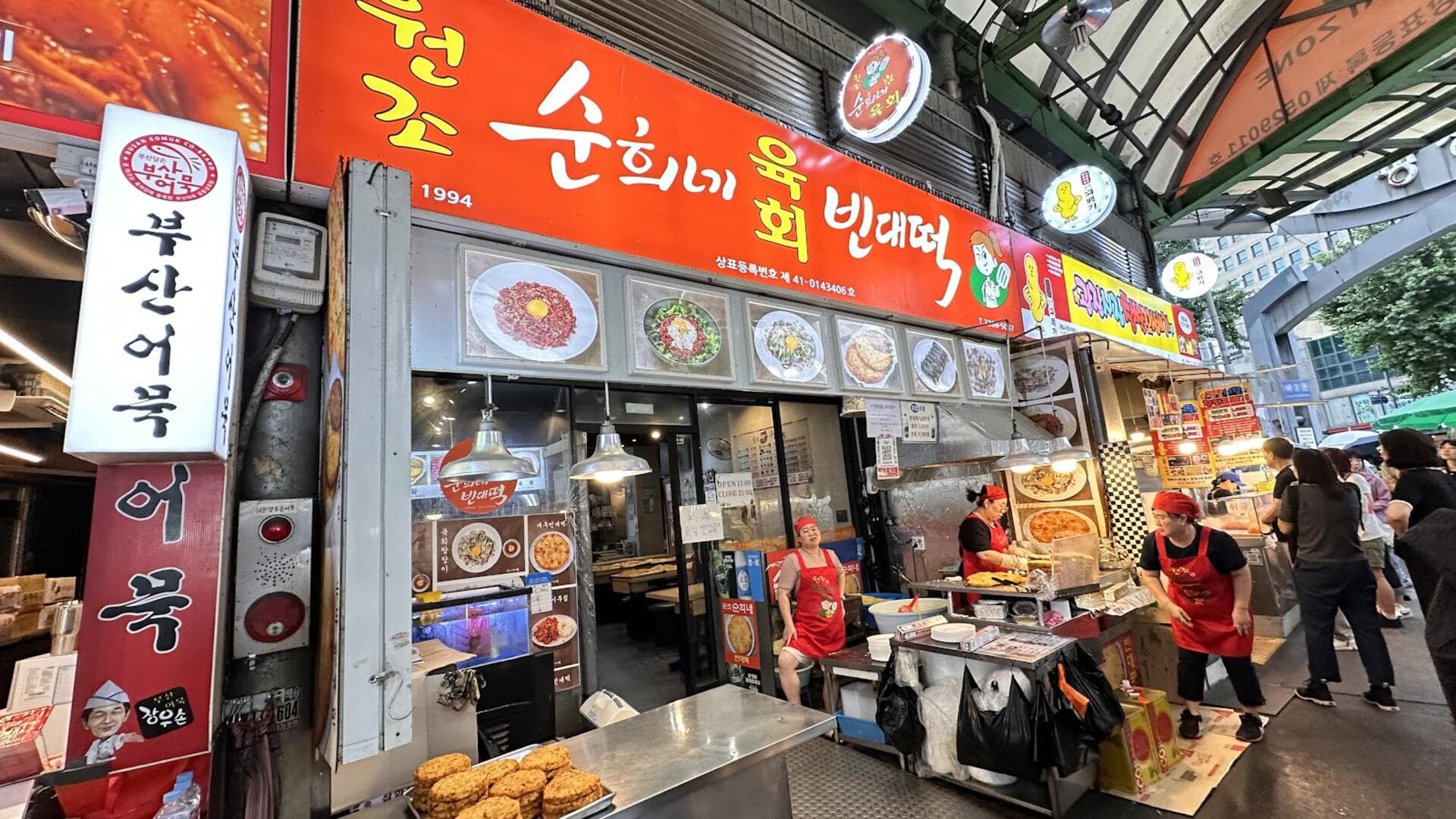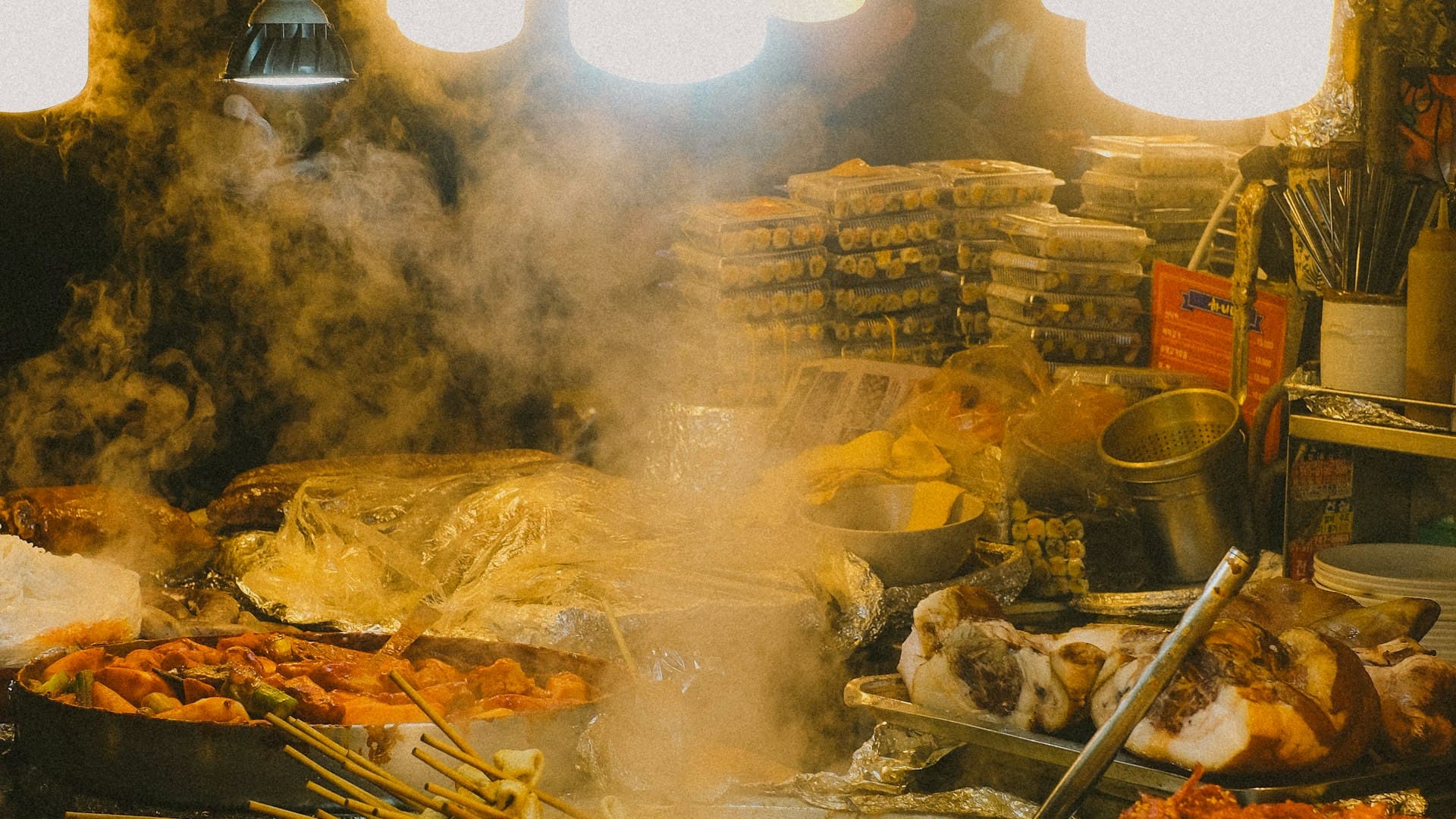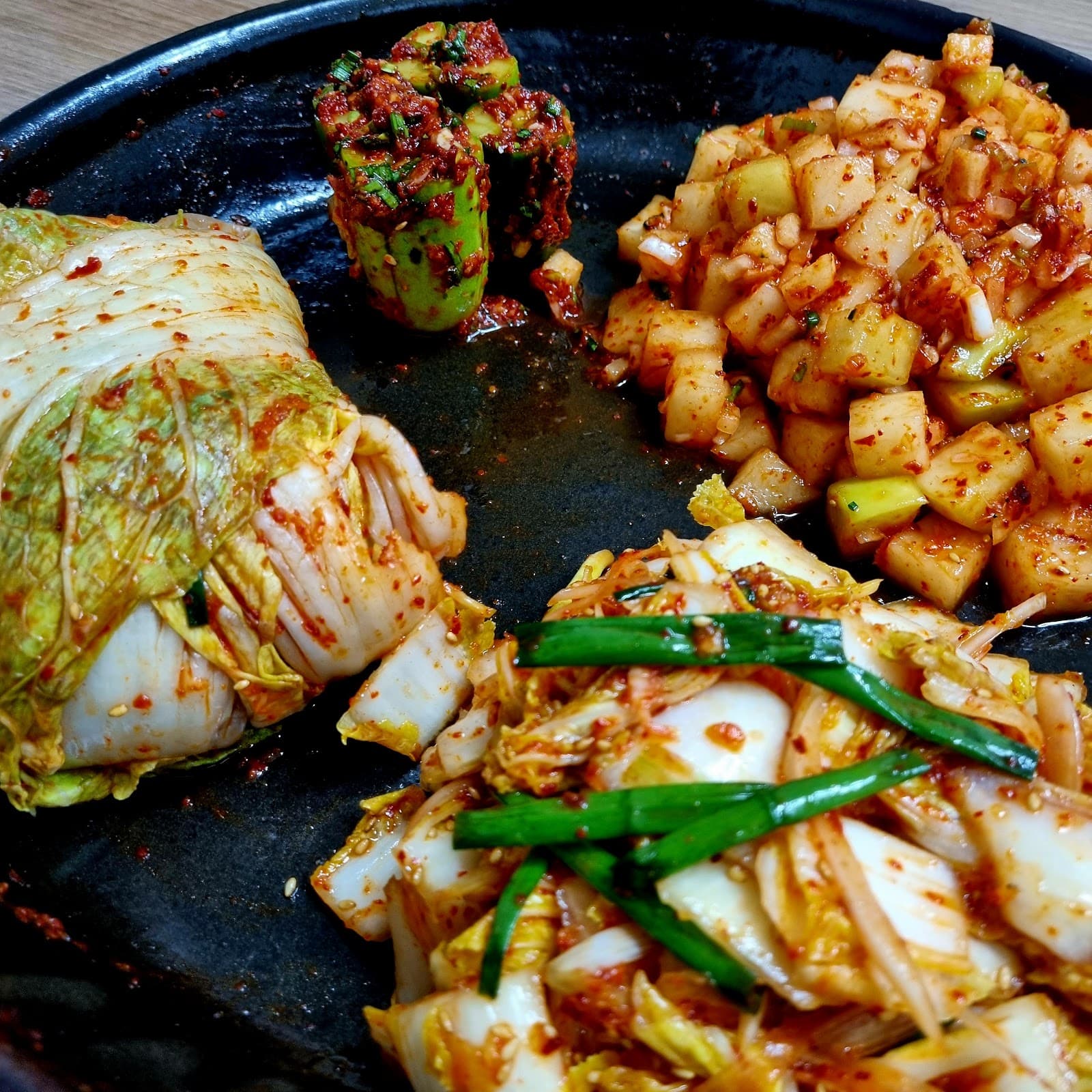
The first time I made kimchi, I'll never forget it. Salting the cabbage, mixing the gochugaru paste with my hands, packing it all into the jar. The smell of garlic on my fingers, the burn of red pepper on my palms, and that incredible satisfaction when I tasted what I'd created. That day changed everything - Korean food went from something I ate to something I wanted to master.
Seoul's packed with Korean cooking classes designed for international travelers. Market tours followed by hands-on sessions where you make kimchi, bibimbap, and bulgogi from scratch. These aren't just cooking lessons - they're deep dives into Korean food culture, guided by passionate chefs who speak your language.
Why Take a Cooking Class in Seoul?
Eating at restaurants only tells half the story. You taste the flavors, sure. But how do those flavors happen? What makes kimchi so addictive? Why does bibimbap taste better in a stone pot?
Cooking classes answer all of that. You learn the difference between gochujang and doenjang, when to add sesame oil, the secret to making kimchi that doesn't taste like it came from a jar. Instructors explain everything in English, breaking down techniques step by step.
And here's the best part - you leave with skills that travel home with you. The recipe book they give you means you can recreate Seoul's flavors in New York, London, or wherever you're from.
Top 2 Seoul Cooking Classes (I've Tried Both)
I've participated in several cooking classes around Seoul. These two stand out as genuinely worth your time and money.
🥬 cooKorean - Traditional Market Tour & Home Cooking
Located near Mangwon Market, cooKorean is my favorite cooking class in Seoul. Chef Jomin runs it like she's welcoming you into her home - warm, patient, and incredibly knowledgeable.
The 3.5-hour experience starts with a Mangwon Market tour. You walk through stalls with Jomin, learning about Korean ingredients firsthand. What's that fermented shrimp paste for? How many types of rice cakes are there? Which greens work best for wrapping meat?
After the market, you head to a cozy cooking space that feels like someone's apartment kitchen. You'll make three dishes: kimchi, bibimbap, and bulgogi. Everything's hands-on. You salt the cabbage yourself, mix the gochugaru paste with your own hands, pack kimchi into jars.
cooKorean Highlights:
- Location: 5-minute walk from Mangwon Station Exit 2
- Schedule: Mon-Sat at 10 AM or 6 PM (3.5 hours)
- Price: ₩55,000 per person (~$41 USD)
- What's Included: Market tour, ingredients, recipe book
- Menu: Kimchi, bibimbap, bulgogi
- Features: Traditional market experience, intimate home setting
- Dietary Options: Vegetarian/vegan modifications available
- Language: Conducted in English
- Booking: Reserve through website in advance
Tasting my own kimchi for the first time hit different. Less salty than store-bought, with this punch of garlic and subtle sweetness. Knowing I made it with my own hands made every bite taste better.
🍴 Seoul Cooking Club - Le Cordon Bleu Chef's Premium Class
Want something more upscale? Seoul Cooking Club delivers. Right next to Jonggak Station, this place is run by Le Cordon Bleu-trained chefs who bring serious technique to traditional Korean cooking.
Walking into their 7th-floor studio feels completely different from cooKorean. Professional-grade kitchen equipment, sleek interior design, perfectly arranged ingredients. It's like stepping onto a cooking show set.
Chef Elly and her team teach you both traditional methods and modern interpretations. You'll make a 3-course Korean meal, learning not just recipes but the why behind every step. Why does this ingredient matter? How do you balance flavors? What's the proper plating technique?
Seoul Cooking Club Highlights:
- Location: 1-minute walk from Jonggak Station Exit 12
- Schedule: By reservation (2.5-3 hours)
- Price: ₩80,000-120,000 per person (~$60-90 USD, varies by course)
- What's Included: Ingredients, wine/beverage, 3-course meal
- Menu: Rotates - check website for current offerings
- Features: Le Cordon Bleu chefs, premium ingredients, fine dining experience
- Dietary Options: Accommodates restrictions with advance notice
- Language: English, Korean, Japanese, Chinese available
- Booking: Website or WhatsApp (+82-10-8582-7367)
The japchae I learned here was on another level. The timing for cooking glass noodles, the order you stir-fry vegetables, the exact ratio of soy sauce to sesame oil - every detail matters. That's what separates good japchae from incredible japchae.
What You'll Learn to Cook
Kimchi - The Foundation of Korean Food
Almost every class teaches kimchi making. Cabbage kimchi is standard, though some classes add radish kimchi (kkakdugi) or cucumber kimchi (oi sobagi).
Making kimchi seems simple at first. Salt cabbage, mix paste, pack it in. But the details make all the difference. How long to salt the cabbage, how much water to squeeze out, how firmly to massage in the seasoning paste.
One tip I learned: when mixing the gochugaru paste into cabbage, wear gloves and massage gently. Too aggressive and the cabbage gets mushy. That kind of wisdom isn't in recipe books.
Bibimbap - Color and Flavor Harmony
Bibimbap is the most visually stunning dish you'll make. Spinach, carrots, mushrooms, bean sprouts, fernbrake - each vegetable gets its own color and preparation method.
Every vegetable requires different treatment. Blanch spinach and dress with sesame oil. Stir-fry carrots briefly. Boil bean sprouts and season separately. Each component is basically a side dish on its own.
Mix everything in a hot stone bowl with gochujang, and you've got bibimbap. The crispy rice that forms on the bottom of the stone pot (nurungji) is pure gold.
Bulgogi - Sweet and Savory Perfection
The ingredient list for bulgogi marinade surprised me. Soy sauce, sugar, sesame oil, garlic, pear, onion, black pepper - way more components than I expected.
The pear is key. Korean pears contain natural enzymes that tenderize meat while adding subtle sweetness. After learning this, I started using pear in all my marinades at home.
Bulgogi almost never fails. Get the marinade right, and cooking the meat is straightforward. Low heat, slow simmer. Let it reduce and caramelize.
Japchae - Details Matter
Japchae looks simple but demands serious attention to detail. Cook the glass noodles separately, stir-fry each vegetable type separately, cook the meat separately, then combine everything at the end.
Timing the glass noodles is critical. Overcooked and they turn mushy. Undercooked and they're rubbery. Usually 6-7 minutes, but you need to taste-test along the way.
Add sesame oil last. Too early and the fragrance evaporates. Turn off heat, drizzle sesame oil, toss everything together. That's when the noodles get their signature glossy sheen.
Before You Book: Essential Info
Reservations Are Required
Popular classes fill up fast. Book at least a week ahead, especially for weekends. The moment you lock in your Seoul travel dates, reserve your cooking class spot.
Most places accept bookings through their website or WhatsApp. If you're vegetarian or have food allergies, mention it during booking. They'll prepare alternative ingredients.
What to Bring (Almost Nothing)
You don't need to bring anything. Aprons, ingredients, cooking tools - all provided. Just show up ready to cook.
Wear comfortable clothes you don't mind getting messy. Kimchi paste can splatter, and gochugaru stains. Avoid white clothing.
Bring your phone or camera. You'll want photos of the cooking process and finished dishes. These photos become invaluable references when you recreate recipes at home.
Zero Cooking Experience? No Problem
"I can't cook - will I be okay?" is the most common question I hear. Answer: absolutely yes.
Instructors guide you through every single step. How to hold a knife, how to adjust heat, how to prep ingredients. They demonstrate each technique, then help you as you try it yourself.
Mistakes happen and that's fine. I once added way too much gochugaru to my kimchi paste. Chef just laughed, showed me how to balance it out with more pear and garlic. No judgment, just learning.
What Happens to the Food You Make?
At the end, everyone sits down and eats together. Tasting food you cooked yourself hits different - there's pride in every bite.
Portions are generous, so you'll eat well. Some classes let you pack leftovers to go. Kimchi especially - they'll give you a small container to take back to your hotel.
You also get a recipe book with photos and detailed instructions. Everything you learned in class, written down for when you're back home in your own kitchen.
Perfect Pairings with Your Cooking Class
Traditional Market Tours
While cooKorean includes a market tour, you might want to explore other Seoul markets separately. Gwangjang Market and Tongin Market are fantastic for Korean ingredient shopping and street food sampling.
Items like dried seaweed, gochujang, and sesame oil are TSA-approved for carry-on, making them perfect souvenirs from your Seoul food journey.
Restaurant Hopping After Class
Once you've learned to cook Korean dishes, eat them at actual Korean restaurants. Compare what you made to how professionals do it. "Oh, they use less salt here," or "They add a different spice profile."
Traditional Korean set meal restaurants (hanjeongsik) serve all the side dishes you learned to make in class. Suddenly you understand the effort behind each banchan (side dish) on your table.
Price Ranges & What You Get
Budget-Friendly (₩50,000-60,000 / ~$37-45 USD)
cooKorean tops this category. For 3.5 hours, you get market tour, three dishes, hands-on cooking, and a recipe book. It's built a serious reputation among international travelers.
Premium Experience (₩80,000-120,000 / ~$60-90 USD)
Seoul Cooking Club and similar upscale classes offer noticeably higher quality. Learning from Le Cordon Bleu chefs means you pick up professional techniques and deeper culinary theory.
The fine dining presentation adds to the experience. You're not just learning to cook - you're experiencing Seoul's evolving food culture.
Common Questions
Q: Do instructors speak English? A: Yes! Most cooking classes in Seoul are designed for international travelers and conducted entirely in English. Some classes also offer Japanese or Chinese instruction. You don't need to speak any Korean.
Q: Can kids participate? A: Depends on the class. Most accept children 6 and older. Ask when booking. Kids can participate but parents need to help with knife work and hot cooking.
Q: Is it weird to go alone? A: Not at all! Solo travelers are common in these classes. You'll cook alongside people from different countries, and it's a natural way to make friends. I still chat with a French traveler I met at a Seoul cooking class two years ago.
Q: Can I take home the food I make? A: Most classes allow takeout. Kimchi can be packed in small containers. Dishes like bibimbap or stew are best eaten fresh, though.
Q: I'm vegetarian - can I still participate? A: Absolutely. Mention it when booking and they'll substitute ingredients. Tofu instead of bulgogi, kelp broth instead of anchovy broth. Classes are very accommodating.
Q: Are recipe books in English? A: Yes, you'll get English recipe books with photos and detailed instructions. They're designed for you to recreate dishes at home without Korean language skills.
Q: What's the cancellation policy? A: Usually free cancellation up to 24-48 hours before class time. After that, most places don't refund. Always check the specific cancellation policy before booking.
Q: Do I tip the instructor? A: No. Korea doesn't have tipping culture. Pay what's on the bill and you're done. Don't feel awkward about not tipping.
Final Thoughts
That first kimchi-making session changed how I see Korean food. It's not just delicious - it's the result of patience, technique, and generations of culinary wisdom built into every dish.
Take a cooking class while you're in Seoul. Feel the gochugaru paste on your hands, smell the sesame oil when you drizzle it over bibimbap, watch bulgogi caramelize on the pan. These sensory moments become permanent Seoul memories.
When you get home, cook Korean food for your friends. "I learned this in Seoul," you'll say. The pride you feel serving food you can actually make - there's nothing like it. You're not just sharing a meal. You're sharing Seoul itself.
Writing this makes me smell the Mangwon Market again - the fried street snacks, the fresh vegetables, the sizzle of bindaetteok on griddles. Tonight I'm making kimchi at home. And soon, I hope you'll be standing in a Seoul cooking class, apron on, hands covered in gochugaru, smiling as you pack your first homemade kimchi into a jar.