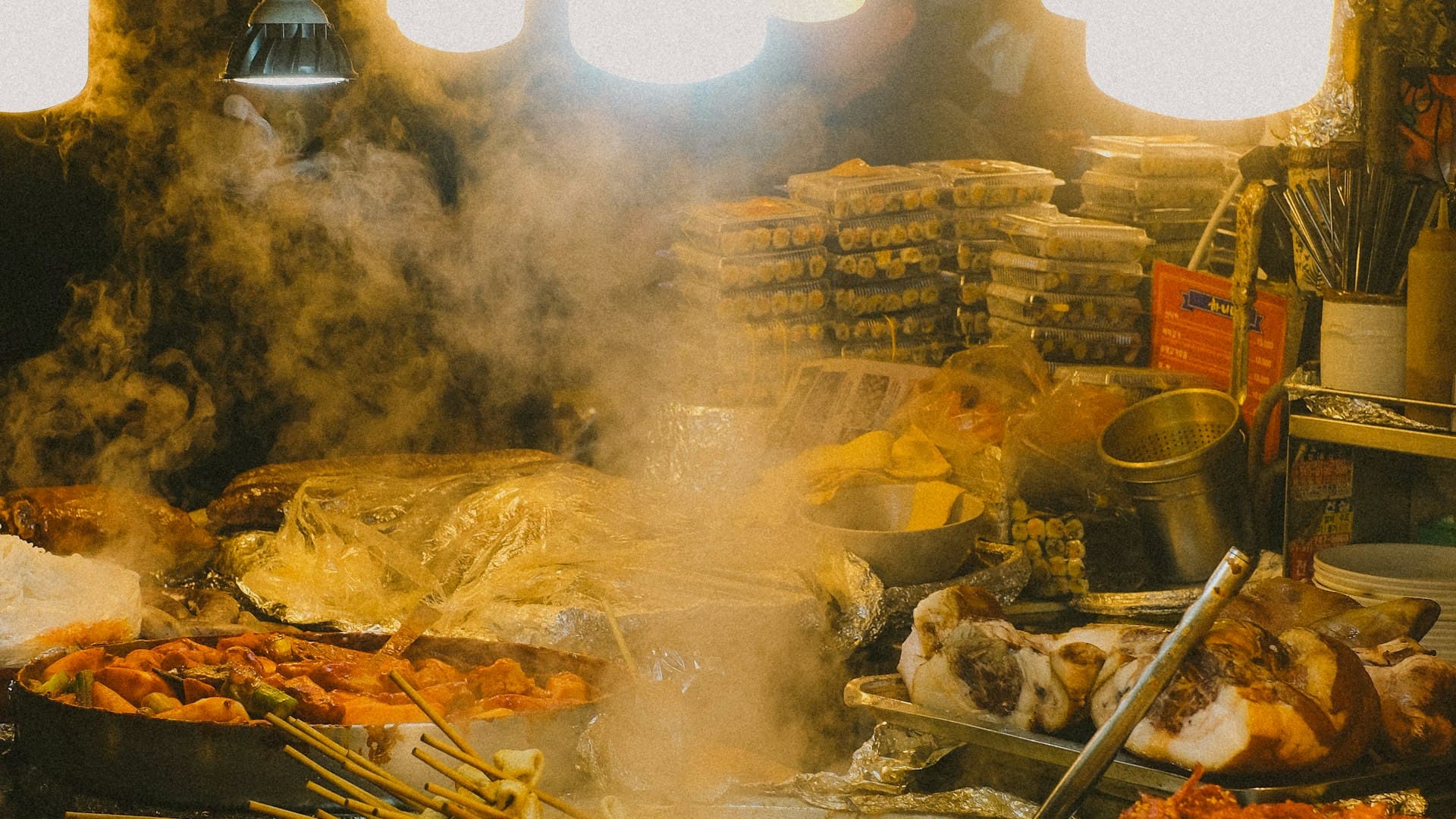
It was late March, just as the cherry blossoms started opening. I squeezed into a low plastic chair at a Gwangjang Market food stall, sitting elbow-to-elbow with a group of elderly men who'd clearly been coming here for decades. The woman behind the counter plunked down a mung bean pancake still spitting from the oil, then set a bowl of makgeolli in front of me — white, slightly fizzy, served at room temperature. I took a sip. Sour, sweet, with a gentle fermented warmth that spread through my chest.
That bowl changed how I understood Korean drinking culture.
What Is Makgeolli?
Makgeolli (막걸리) is Korea's oldest alcoholic drink, made from fermented rice, water, and nuruk (a natural fermentation starter). It's milky white and unfiltered — you can see the sediment settling if you leave it too long, so you swirl the bowl before drinking.
The alcohol content is low, usually 6–8%. That matters. You can drink makgeolli over a long evening, eat plenty of food alongside it, and feel pleasantly warm rather than wrecked.
Korean farmers invented makgeolli thousands of years ago as an energy drink for fieldwork. The drink sustained generations of laborers. Today it's experiencing a serious revival — with craft producers experimenting with everything from fruit infusions to aged oak barrel versions.
Spring is the best season. The traditional Korean belief is that makgeolli tastes best when it rains (비 오는 날엔 막걸리), paired with savory jeon (Korean pancakes). There's something deeply right about that.
The Best Places to Drink Makgeolli in Seoul
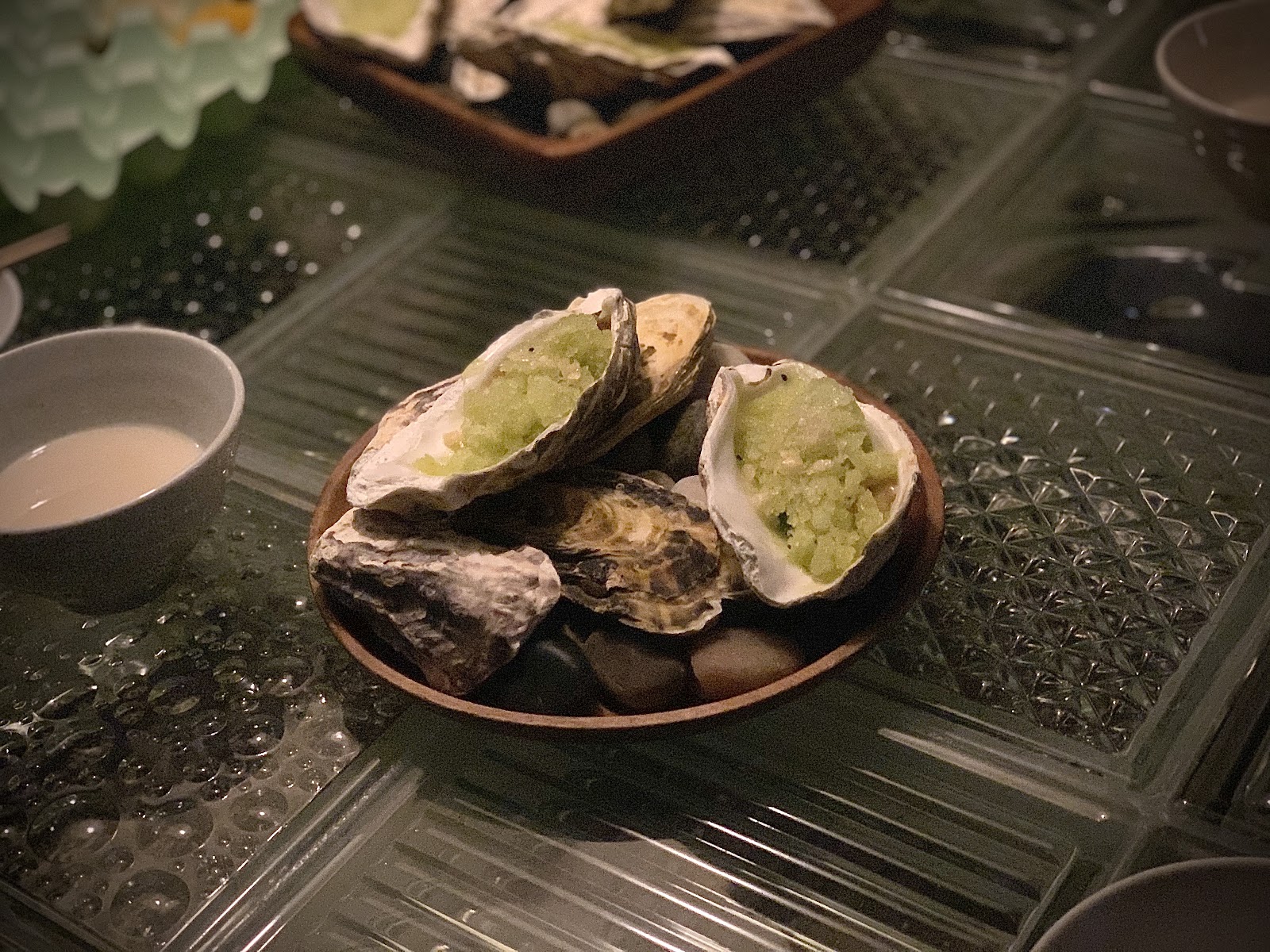
Anssi Makgeolli — The Michelin Experience
This is the one you talk about if you're serious about makgeolli. Located on Gyeongnidan-gil in Itaewon, Anssi is the first traditional liquor bar in Korea to earn Michelin recognition (Bib Gourmand, 2023–2024).
Owner Mr. Ahn has spent years sourcing artisan makgeolli from small producers across Korea — varieties you won't find anywhere else in Seoul. The menu changes monthly based on what's seasonal. Dishes are beautifully plated, closer to Korean bistro food than the usual bar snacks.
Only 5 tables. That's intentional. Reservations are essential — book at least a week ahead.
What to order: Ask for the makgeolli tasting flight if available. Pairs beautifully with their house seasonal dishes (the fermented vegetable plates are extraordinary).
Price: ₩15,000–30,000 per person including drinks and food
Hours: 18:00–24:00 daily
Getting there: Line 6 Itaewon Station, Exit 3 → 8-minute walk toward Gyeongnidan-gil
Gwangjang Market — The Classic
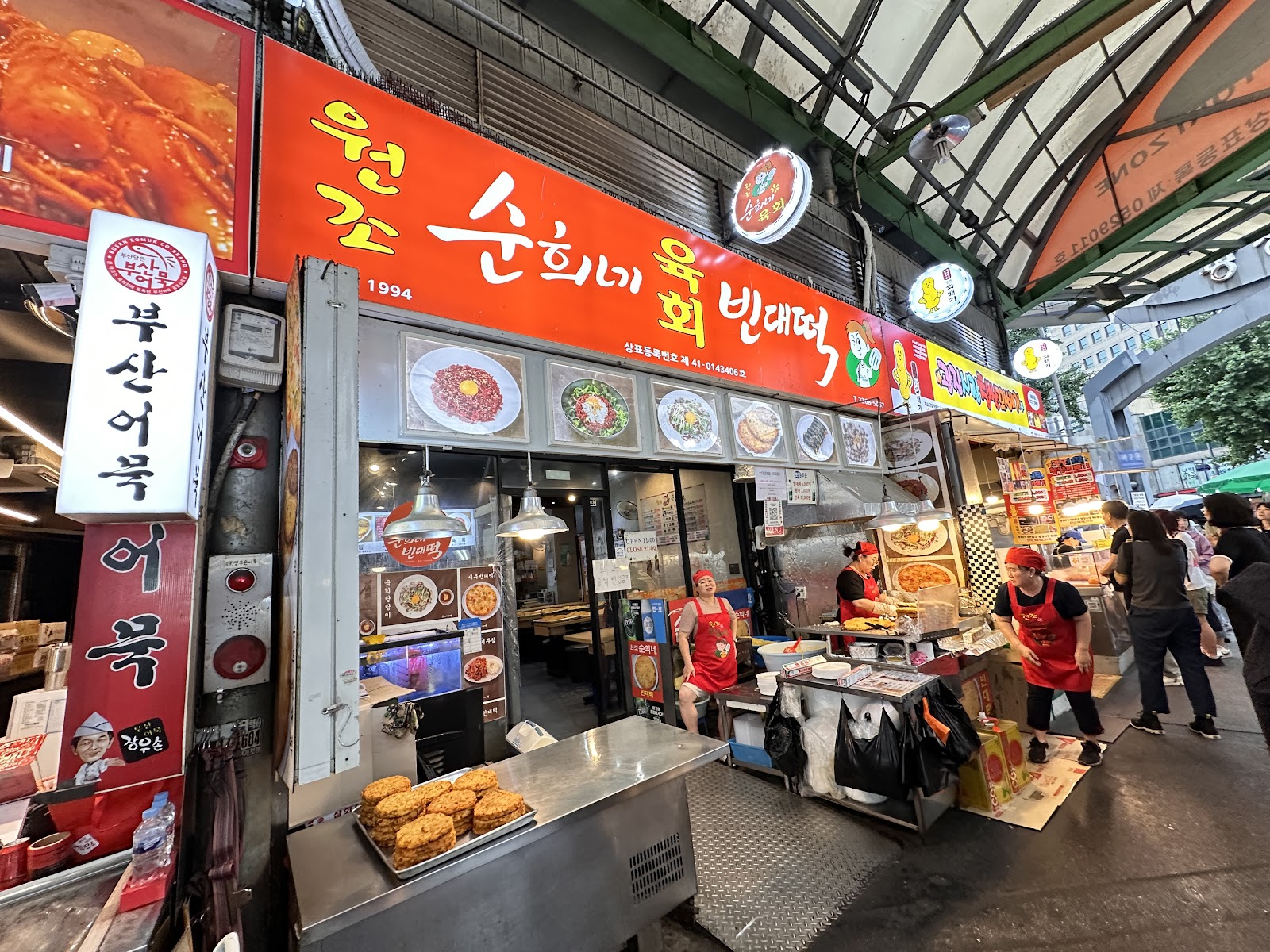
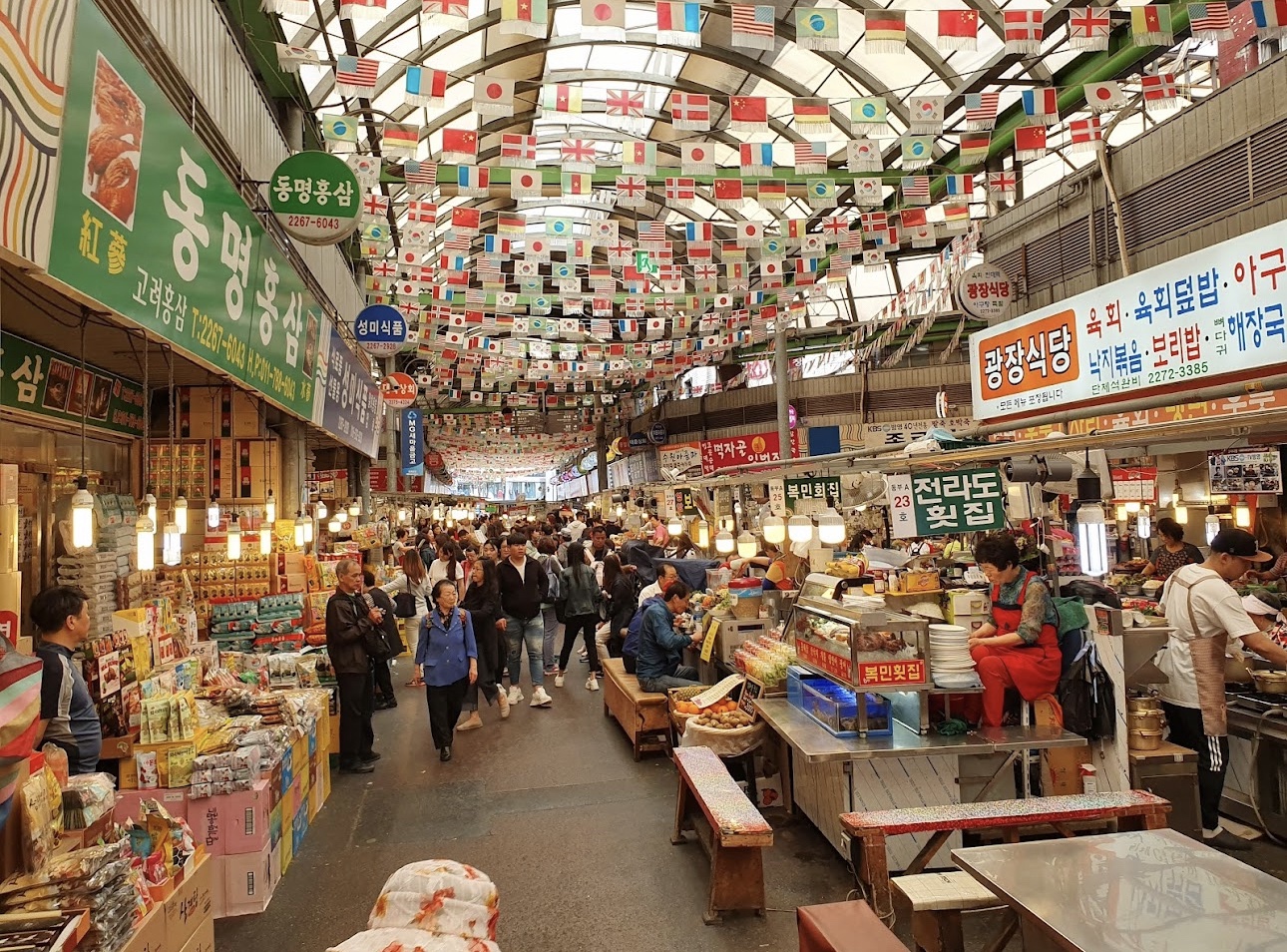
Before craft makgeolli was a thing, there was Gwangjang. The market has been serving makgeolli with bindaetteok (mung bean pancakes) for over a century. The experience here is entirely different from Anssi — loud, communal, affordable, timeless.
Find a seat at one of the long shared tables in the food hall. A halmeoni (grandmother) will set down a plastic bowl of makgeolli before you've even decided what to order. Price: ₩3,000.
The makgeolli here isn't fancy. It's mass-produced, served cold or at room temperature. But the combination of hot, crispy bindaetteok with a sip of cold makgeolli is genuinely one of the best food moments Seoul has to offer. Don't overthink it.
What to order: Bindaetteok (₩5,000) + makgeolli (₩3,000). Add mayak gimbap (₩3,000) if you're hungry.
Price: ₩3,000 per bowl of makgeolli
Hours: 09:00–21:00 (most stalls)
Getting there: Line 1 or 5 Jongno 5-ga Station, Exit 8 → 5-minute walk
Mangwon Market Area — Neighborhood Makgeolli Bars
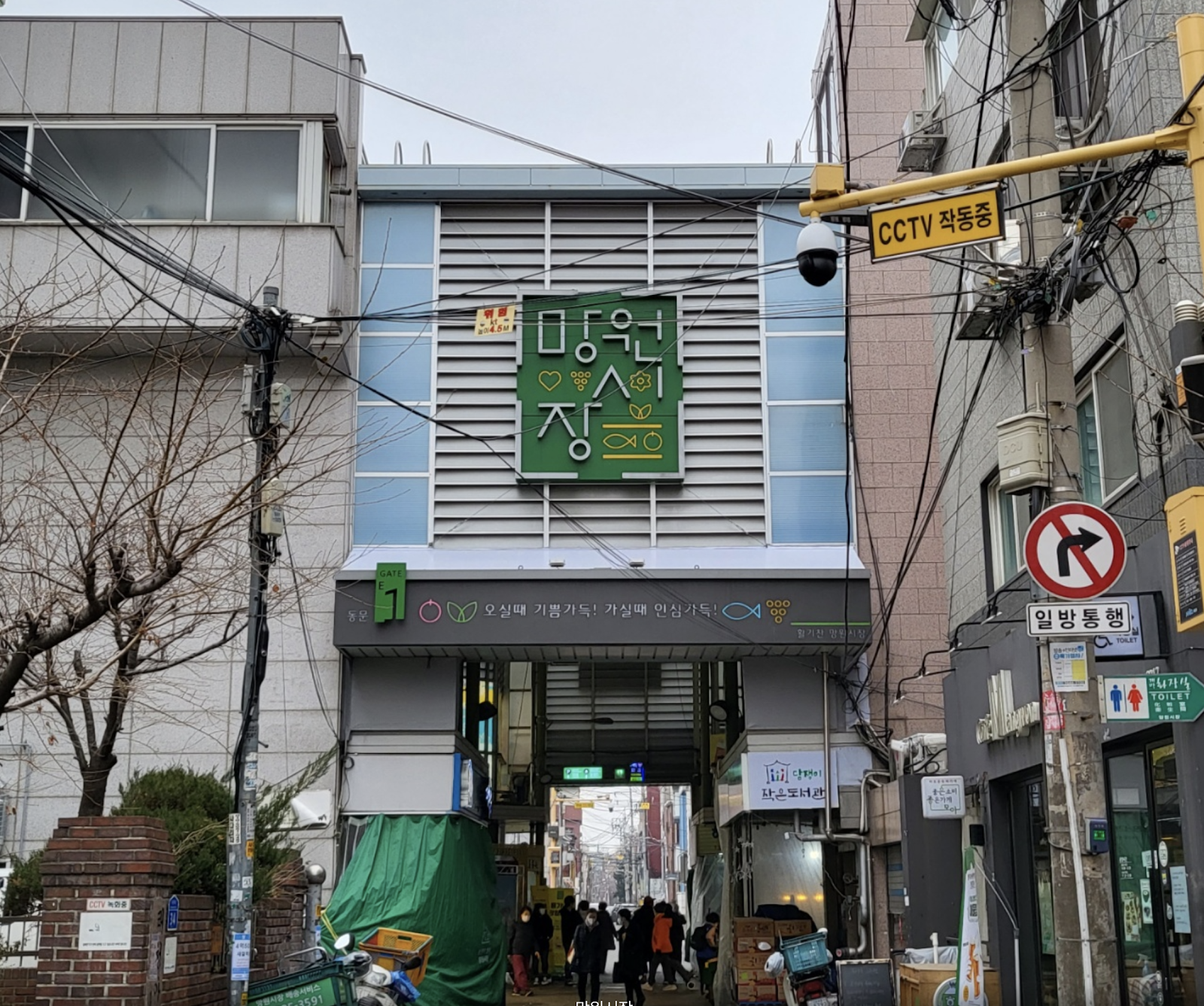
Mangwon is one of those Mapo-gu neighborhoods that feels genuinely local — less Instagram hustle, more actual residents going about their lives. The Saturday market is famous, but the real gem is the cluster of old-school makgeolli bars that survive here.
Look for the pojangmacha (street tents) that appear from late afternoon, setting up along the alleys near the market. These are classic setups: orange tent, plastic tables and stools, an old woman managing three things at once. A bowl of makgeolli costs ₩2,000–3,000. The anju (side dishes) — kimchi, pajeon, doenjang soup — come out fast.
This is where actual Mapo residents drink. Not a tourist destination. Show up around 6 PM on a weekday and you'll see office workers stopping in before heading home.
Price: ₩2,000–3,000 per bowl
Getting there: Line 6 Mangwon Station, Exit 2 → 3-minute walk
Tongin Market — Daytime Makgeolli Culture
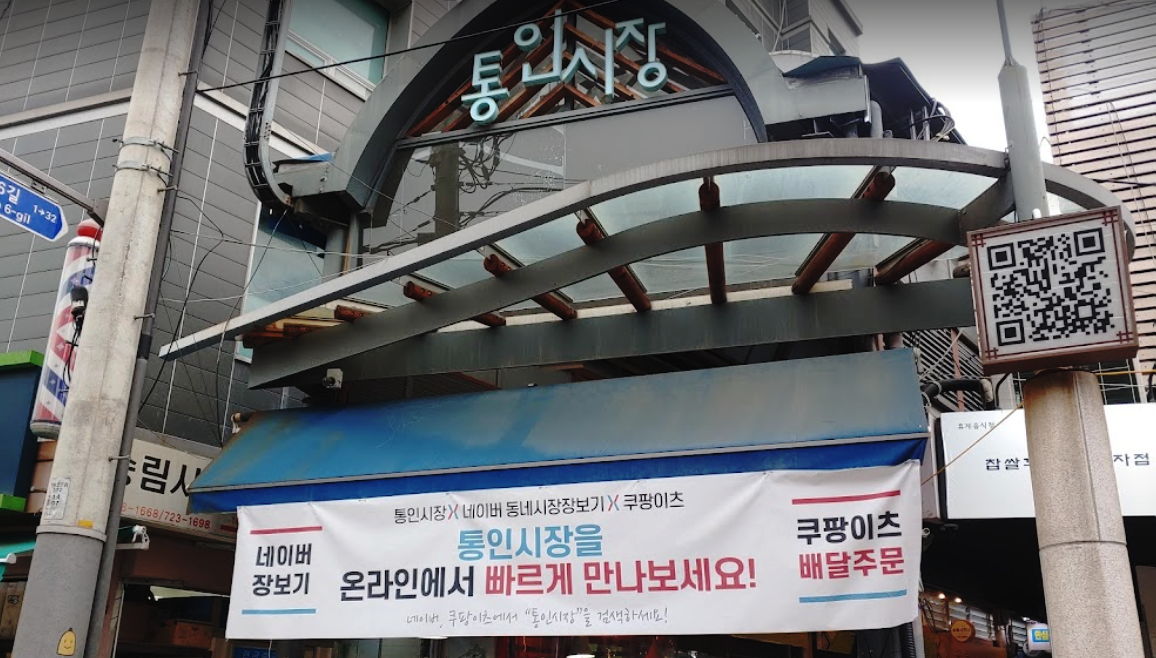
Tongin Market in Seochon is famous for its lunchtime dosirak (bento box) culture, but there's a quieter drinking tradition here too. A few of the traditional pojangmacha-style spots open around midday, catering to the market's older vendors and local residents.
Drinking makgeolli at 1 PM at Tongin Market, surrounded by the vegetable stalls and the smell of sesame oil from nearby dosirak restaurants, is one of those Seoul experiences that feels completely off the tourist track. The atmosphere is exactly what you imagine when you think of "old Seoul."
Price: ₩3,000 per bowl
Getting there: Line 3 Gyeongbokgung Station, Exit 2 → 10-minute walk through Seochon village
What to Eat with Makgeolli (Anju)
The relationship between makgeolli and its food pairings is fundamental. The drink is designed to be eaten, not just sipped.
Non-negotiable pairings:
- Bindaetteok (빈대떡) — Mung bean pancakes. Crispy outside, soft and porky inside. The oil from the pancake and the slight acidity of makgeolli are made for each other.
- Pajeon (파전) — Green onion pancake. This is the rain-day pairing that Koreans have believed in for generations. It works.
- Kimchi — Always present, always necessary.
- Doenjang jjigae — Fermented soybean paste soup. Rich and salty, balances the sweetness of makgeolli.
If you're at a craft bar:
- Fermented vegetable plates
- Jokbal (braised pig's trotters) — sounds scary, tastes incredible
- Dubu kimchi — stir-fried kimchi with tofu, one of the best anju combinations in Korean cuisine
Types of Makgeolli to Know
Not all makgeolli tastes the same. Here's what you'll encounter:
Mass-produced makgeolli (₩2,000–4,000) — What you'll get at most markets. Consistent, accessible, goes well with everything.
Local regional makgeolli — Korea has makgeolli producers from every province. Gyeonggi Province versions tend to be sweeter; Gangwon Province versions are slightly earthier. Craft bars like Anssi specialize in sourcing these.
Fruit makgeolli — Strawberry, peach, yuzu, even banana. These are light and sweet, less complex. Good for people new to makgeolli.
Premium aged makgeolli — Rare, expensive, worth seeking out. Closer to a fine wine in terms of flavor complexity.
At most places, you just order "makgeolli juseyo" and you'll get the house version. At craft bars, ask the staff to recommend something based on your preference.
The Spring Makgeolli Ritual
Spring in Seoul has a specific drinking rhythm. As the weather warms through March and April, outdoor pojangmacha start setting up again. Cherry blossoms are still dropping petals. It's the perfect time for a Korean "flower-viewing drink" (꽃놀이 술자리).
The traditional combination: find a spot near cherry blossoms (Yeouido, Seokchon Lake, Naksan Park), buy makgeolli from a nearby convenience store (GS25 and CU both carry Iseul Tokki makgeolli, about ₩2,500), get some jeon from a pojangmacha, and sit outside.
This is what Koreans have been doing in spring for centuries. You don't need to overthink the logistics. Just find a bench under a flowering tree with a bowl of makgeolli in hand.
Ordering Tips & Etiquette
Key phrases:
- "막걸리 주세요" (makgeolli juseyo) — "Makgeolli, please"
- "한 사발 주세요" (han sabal juseyo) — "One bowl, please"
- "맛있어요!" (massisseoyo) — "It's delicious!"
Drinking etiquette:
- Swirl your bowl before drinking — the sediment settles
- If drinking with Koreans, pour for others before pouring for yourself
- Accept a refill when offered — refusing too quickly can feel abrupt
- Use two hands (or right hand supported by left) when receiving a drink from someone older
Temperature: Most people prefer makgeolli cold. At markets, you'll often get it at room temperature. Both are correct.
Pace: Makgeolli is made for slow evenings. Don't rush it.
Getting There: Quick Navigation Guide
| Place | Subway Line | Station | Exit | Walk |
|---|---|---|---|---|
| Anssi Makgeolli | Line 6 | Itaewon | 3 | 8 min |
| Gwangjang Market | Line 1/5 | Jongno 5-ga | 8 | 5 min |
| Mangwon Market | Line 6 | Mangwon | 2 | 3 min |
| Tongin Market | Line 3 | Gyeongbokgung | 2 | 10 min |
Frequently Asked Questions
Is makgeolli gluten-free? No — the fermentation starter (nuruk) contains wheat. Those with celiac disease or severe gluten sensitivity should avoid it.
Can I buy makgeolli to take home? Yes. Every GS25, CU, and 7-Eleven carries it. Popular brands to look for: Iseul Tokki (이슬톡톡), Gamhong (감홍), Seoul Makgeolli (서울 막걸리). Price: ₩1,500–4,000 per bottle.
What's the alcohol content? Typically 6–8% ABV. Lower than soju (16–25%), similar to some craft beers.
Is makgeolli served hot or cold? Usually cold or room temperature. Warmed makgeolli (따뜻한 막걸리) is sometimes served in winter at traditional spots.
Is Anssi Makgeolli worth the reservation effort? Yes, if you want a serious, curated experience. The staff are knowledgeable, the selection is unlike anything else in Seoul, and the food quality is genuinely impressive for a "bar." Make a reservation at least a week ahead.
Can I visit Gwangjang Market just for makgeolli? Absolutely. The market is free to enter, and the food stalls don't have minimums. Grab bindaetteok and a bowl of makgeolli, eat standing at the counter or perched on a stool, and you've had one of Seoul's best food experiences. Budget ₩10,000.
Makgeolli isn't the flashiest thing Seoul has to offer. It doesn't have a photogenic latte art situation, doesn't glow under neon lights. It's served in ceramic bowls or plastic cups. The bars are often lit by fluorescent lights and decorated with nothing at all.
But I keep coming back to it. There's something in the sourness and the sweetness and the gentle fizz that feels like it's carrying centuries of Korean life in every sip. Sit with it long enough and you'll feel it too.
The halmeoni will pour you another bowl before you've even finished the first.