
Seoul Personal Color Analysis 2026: A Design Curator's Guide to Finding Your Palette
Seoul has turned color theory into an itinerary item.
The city's personal color analysis studios — where trained technicians determine which chromatic palette makes your complexion luminous — have evolved from K-pop styling rooms into one of 2026's defining Seoul experiences. The Seoul Tourism Foundation's VITALITY report named this the city's #1 emerging tourist activity. I'm inclined to agree: not just for the aesthetic outcome, but for the quality of spaces where this analysis actually happens.
This is Seoul's percon culture. And it's worth the trip.
The Percon Phenomenon: Why Color Theory Became a Travel Destination
Koreans call it 퍼스널 컬러 분석 — personal color analysis, shortened to "percon" in casual conversation. The practice itself isn't new; it's an adaptation of seasonal color analysis developed in the West. What Seoul did was professionalize and democratize it.
K-pop studios use personal color analysis to define each idol's visual identity. Stylists reference it before album concept shoots. Makeup artists consult it before every filming session. The cultural saturation of the practice means practitioners here are genuinely excellent.
The analysis involves a trained colorist draping fabric swatches of different temperatures — warm, cool, saturated, muted — against your face under calibrated lighting. Your undertone, contrast level, and natural coloring determine which of four seasonal categories you belong to. The session takes 60–90 minutes and results in a written report, a physical color swatch card, and specific recommendations for makeup, clothing, and hair color.
Why do this in Seoul specifically? The practitioners here have been trained to an industry standard that doesn't exist elsewhere. And the studios themselves are often worth visiting for their design alone.
The Four Seasonal Palettes: A Brief Chromatic Education
Before your session, understanding the four categories makes the process legible.
Spring Warm (봄 웜톤) Warm, bright, golden undertones. Complexions that glow with peach, coral, and ivory. If your veins appear greenish and gold jewelry flatters you more than silver, Spring Warm is likely.
Summer Cool (여름 쿨톤) Cool, muted, blue-based softness. Soft rose, lavender, powder blue. Complexions that read best against dusty, desaturated tones rather than saturated primaries.
Autumn Warm (가을 웜톤) Deep, earthy, amber-warm intensity. Terracotta, forest green, camel. Rich and warm, but deeper than Spring — the "golden hour" coloring.
Winter Cool (겨울 쿨톤) High contrast, saturated coolness. Royal blue, burgundy, stark white, jet black. Tones where strong color looks intentional rather than harsh.
Most Koreans are classified as Winter Cool or Summer Cool, but this varies enormously across ethnic backgrounds. The analysis works on all complexions. Your colorist will have seen a wide range.
Seongsu-dong: The Design District's Color Studios
The Seoul Tourism Foundation designated Seongsu-dong as Seoul's personal color epicenter for 2026 — and the neighborhood's design sensibility shows up in the studios themselves.
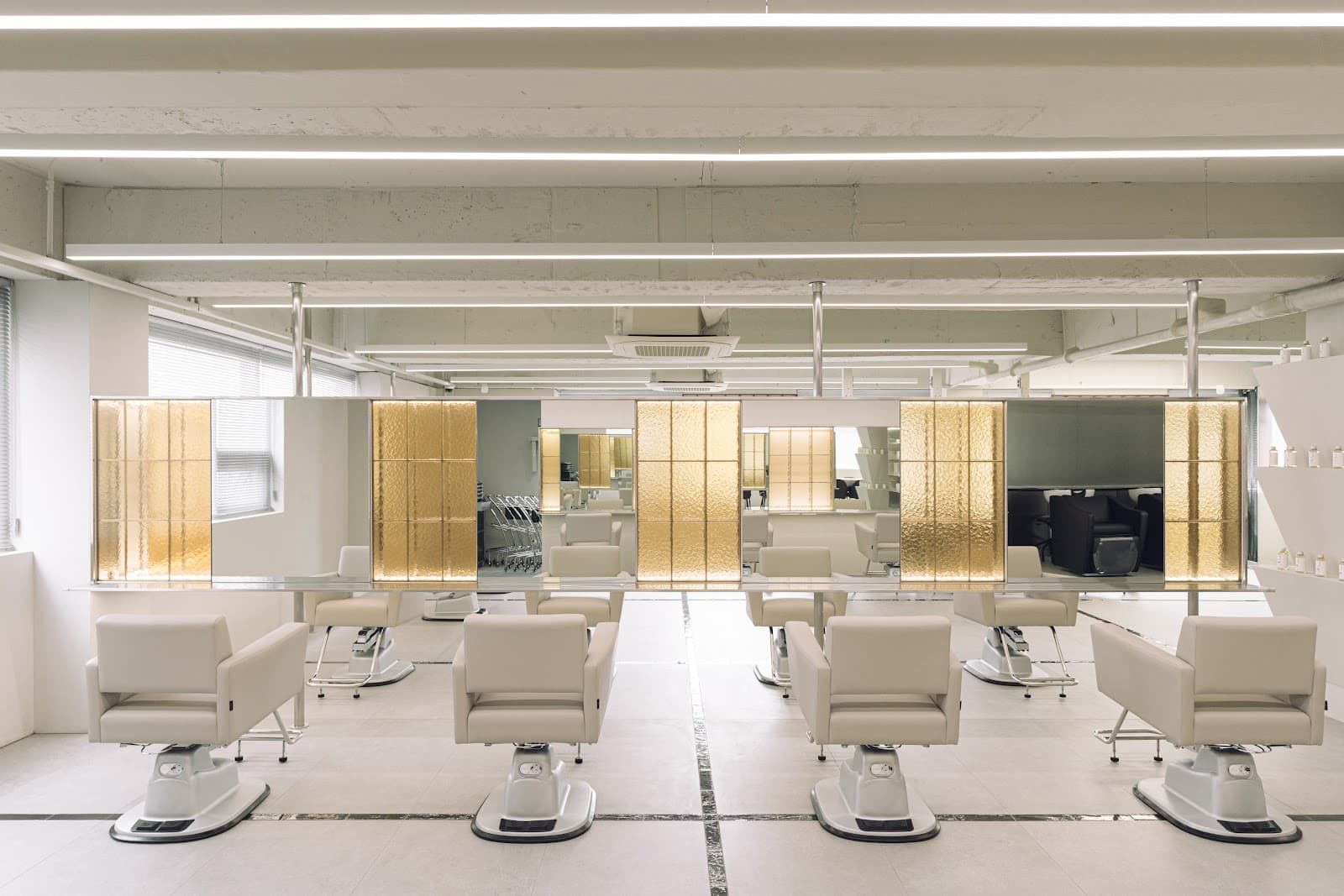
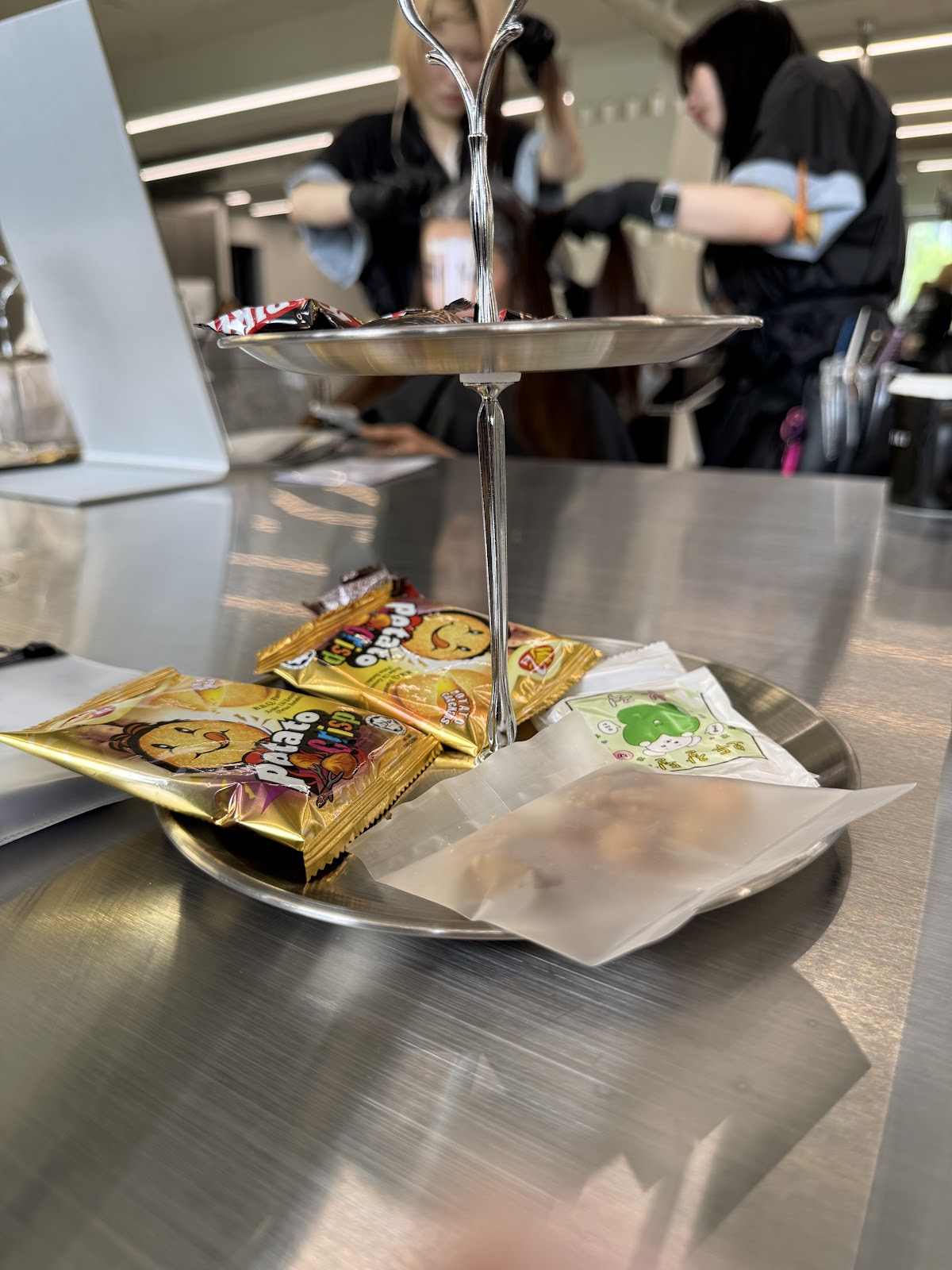
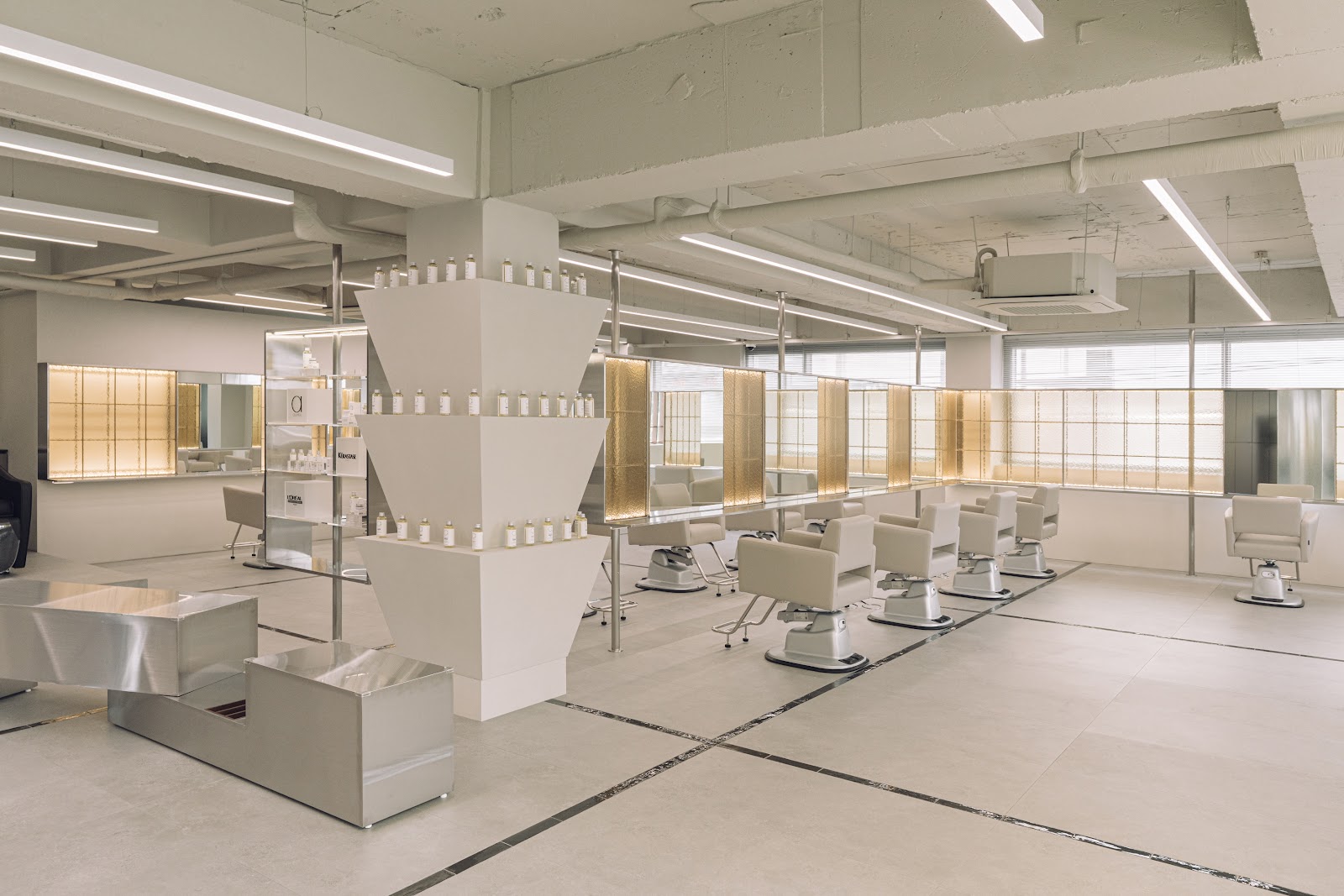
The best Seongsu percon spaces operate in converted industrial buildings: white walls, controlled window light, minimal furniture. This aesthetic restraint isn't incidental. Personal color analysis requires neutral lighting environments to read undertones accurately. The industrial-to-studio conversion that defines the neighborhood's cafes and galleries applies equally to its color studios.
What to look for in a Seongsu studio: purpose-designed analysis rooms with full-spectrum lighting, professional draping fabric sets of 40–60 samples, and colorists with formal certification. Most studios display their credentials on Instagram — it's worth checking before booking.
Most Seongsu studios book out 2–3 weeks in advance, particularly on weekends. Book via Instagram DMs or KakaoTalk, both linked in studio bios.
Price range in Seongsu: ₩70,000–120,000 for a standard 90-minute session. Extended premium sessions run ₩130,000–180,000.
Creative Districts: Hongdae & Apgujeong
Hongdae studios skew accessible and international. The art school neighborhood has the highest concentration of English-speaking colorists in Seoul — several studios explicitly advertise English-language sessions. Pricing is typically ₩50,000–80,000, slightly lower than Seongsu. Walk-in availability on weekday afternoons is more common here than anywhere else in the city.
Apgujeong and Gangnam represent the premium tier. Studios here offer extended sessions (2–3 hours), more detailed written reports, and sometimes full makeup consultations based on your results. Expect ₩120,000–200,000. The clientele is primarily Korean professionals and international visitors who prioritize the complete, unhurried experience.
For first-time visitors, Hongdae or Seongsu are the better starting points. The analysis quality is consistent across price points. What changes is session length, report depth, and studio design.
Inside a Session: What to Expect
The process is consistent across studios, regardless of neighborhood or price tier.
Before you arrive: Remove makeup entirely, or arrive without it. Foundations and concealers alter perceived undertone. Some studios offer makeup removal supplies, but it's better to arrive bare-faced. Don't wear high-contrast accessories.
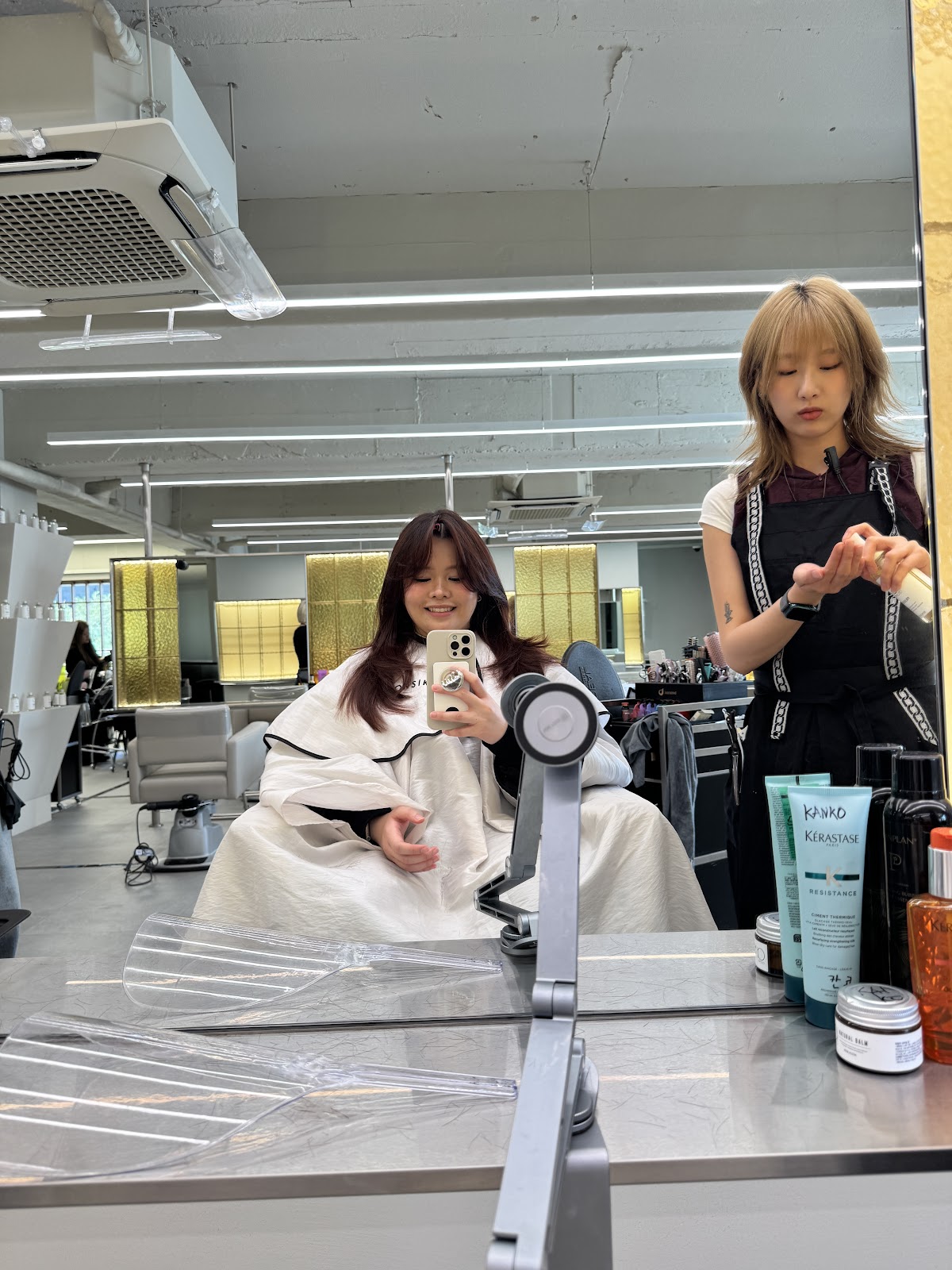
The draping (40–60 minutes): You sit in front of a large neutral-toned mirror under controlled lighting. The colorist drapes fabric swatches against your face and neckline — typically beginning with warm vs. cool to establish undertone. Each swap takes seconds. The differences are visible immediately: correct swatches make the skin appear clear and even; wrong ones reveal shadows, redness, or dullness.
The reveal and report (15–20 minutes): Your seasonal category is announced with rationale — which swatches made your skin glow, which created shadows. You receive a physical color swatch card (wallet-sized) and a written or digital report with recommendations for makeup shades, hair color, clothing palette, and sometimes specific product suggestions.
English availability: Most studios in Seongsu and Hongdae can communicate basic instructions in English. Full English-language sessions are available at selected studios — confirm this when booking. The visual nature of the draping process means language barriers are smaller than you'd expect.
After Your Analysis: Shopping with Intent
The practical value of a percon session reveals itself at Olive Young.
Seoul's dominant beauty megastore stocks nearly every major Korean cosmetics brand. Armed with your swatch card, you can identify foundation undertones, select lip colors calibrated to your color temperature, and choose blush and eyeshadow palettes within your seasonal range. Every purchase becomes a decision rather than a guess.
The Olive Young N Seongsu flagship — the brand's concept store — is purpose-designed for this kind of intentional shopping. The layout is less chaotic than standard branches, staff are more consultation-oriented, and the Seongsu location stocks limited-edition items not available elsewhere.
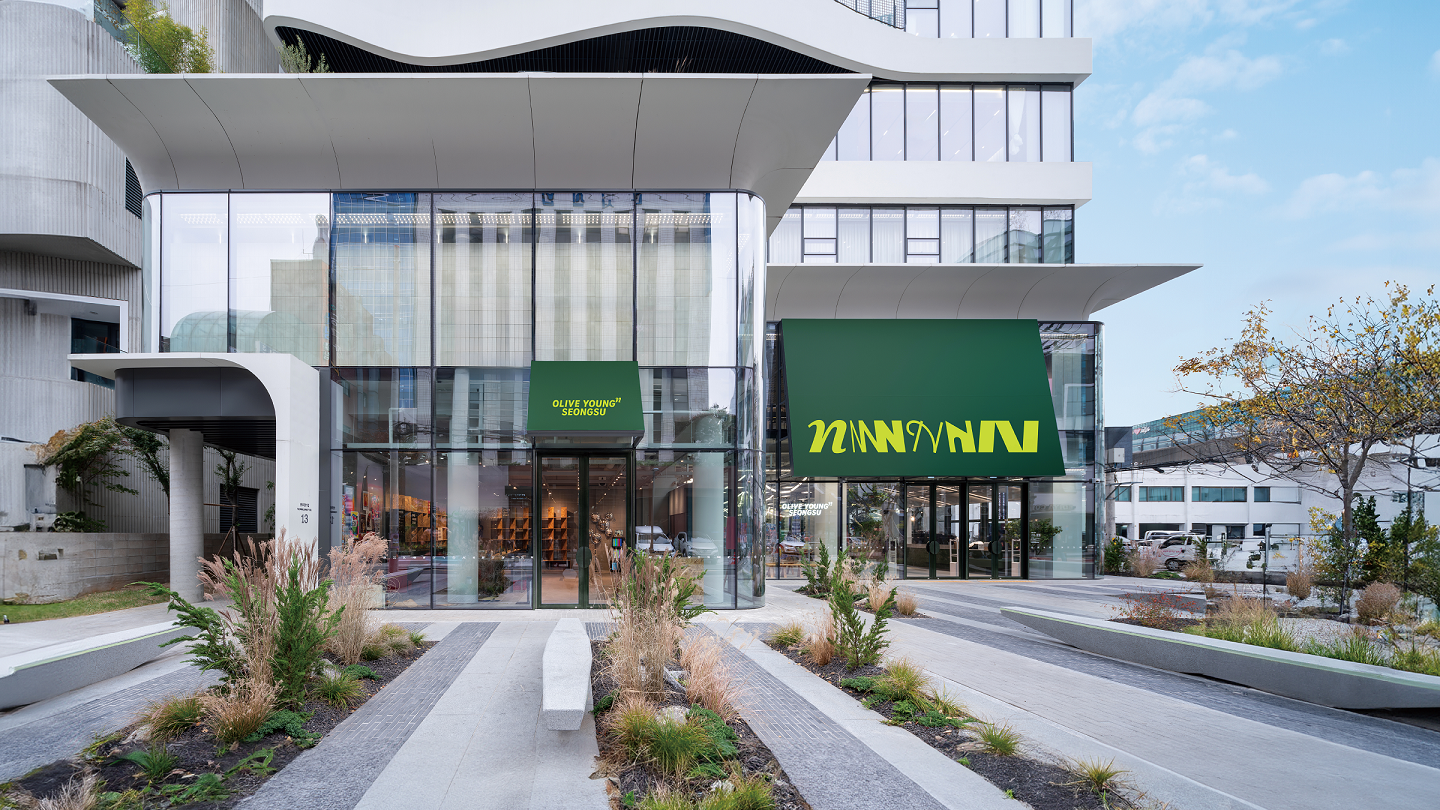
If your studio is in Seongsu, this is a natural next stop. Walk toward Seongsu Station from most studios — the Olive Young N Seongsu branch is visible from the main road.
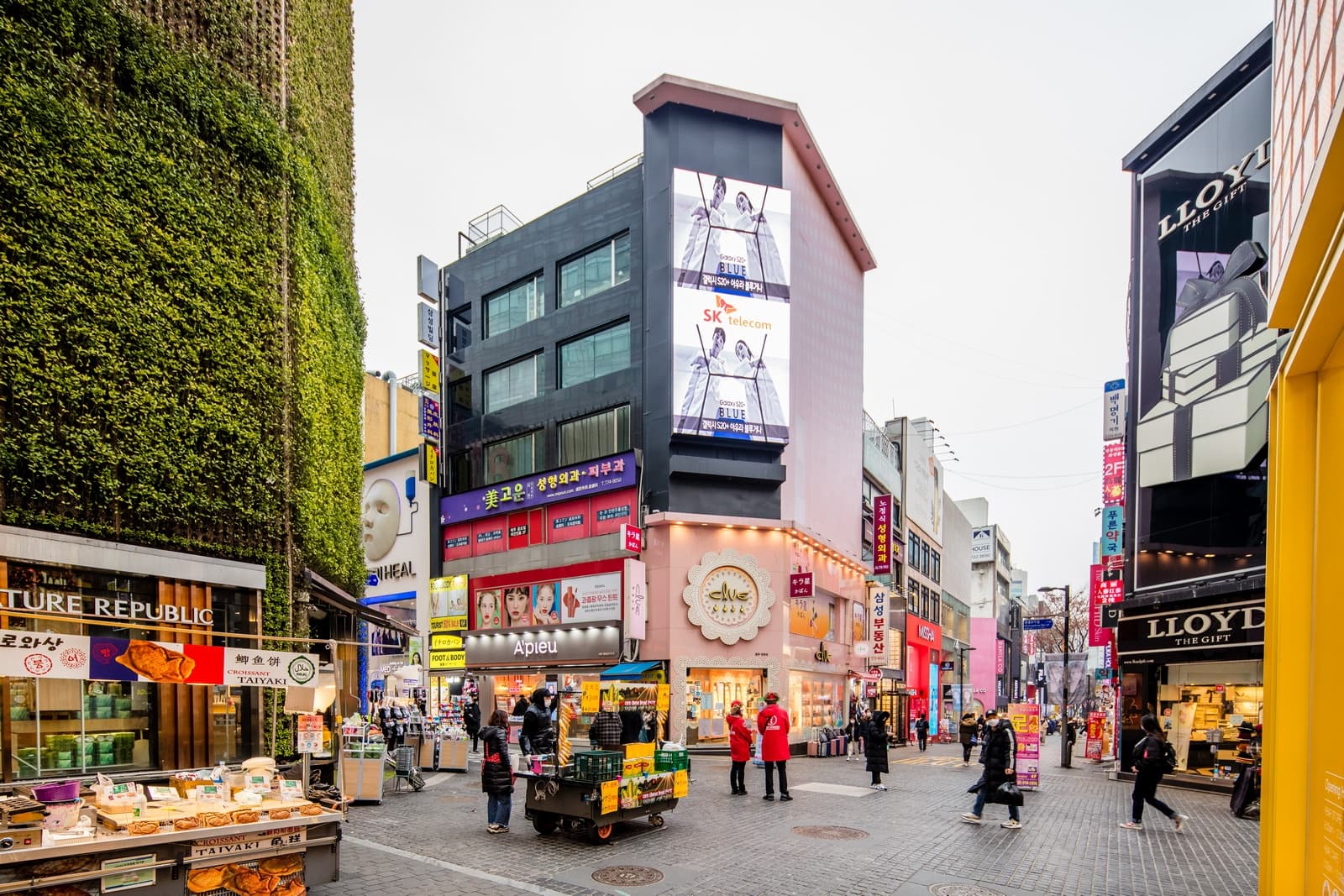
For clothing: your swatch card works equally well in Apgujeong's boutiques or Myeongdong's fast-fashion stores. The principle is identical — if the item matches a swatch in your palette, it works with your coloring.
Before You Visit
Book ahead. Weekend slots in Seongsu fill 2–3 weeks out. Weekday afternoon slots (2–4 PM) are easiest to secure with 1-week lead time.
Arrive bare-faced. No foundation, concealer, or color-altering products. Light skincare is fine.
Wear neutral clothing. High-contrast patterns, neons, or very dark tops can cast color shadows that complicate the analysis. A white or grey top is ideal.
Budget: ₩50,000 (accessible Hongdae studios) to ₩180,000 (extended Apgujeong premium). Most sessions land at ₩70,000–100,000.
Duration: 60–90 minutes standard. Bring patience — rushing the process produces worse results.
What you receive: Physical swatch card + written or digital report. Some studios provide both; others digital only. Ask when booking.
Getting there (Seongsu): Line 2 Seongsu Station, Exit 3. Most studios are within a 10-minute walk. The natural sequence is personal color analysis → Seongsu design cafe circuit → Olive Young N Seongsu — a Seongsu half-day that makes design and beauty feel like the same discipline.
Follow @minjicurates for real-time studio openings and seasonal palette recommendations.
Questions About Personal Color Analysis in Seoul
Does personal color analysis work on all ethnicities and skin tones? Yes. The seasonal system applies to all complexions. Trained Korean colorists analyze thousands of clients annually across a wide range of ethnic backgrounds. The core concepts — warm vs. cool undertone, contrast level — are universal.
How long do my results stay accurate? Your seasonal type doesn't change with age or sun exposure — undertone is fixed. Contrast level can shift slightly with significant hair color changes, but the core classification remains stable.
Can I do this if I wear a hijab or cover my hair? Yes. Hair color is a secondary factor in the analysis. Colorists primarily analyze skin undertone and eye contrast. Results are fully valid.
Is English available? Basic English is available at most Seongsu and Hongdae studios. Full English-language sessions require confirmation when booking. The draping process is largely visual — language barriers are minimal during the core analysis.
Should I do this before or after K-beauty shopping? Before. The entire point is to calibrate your shopping. A percon session before Olive Young turns every product decision from speculative to intentional.