Seoul Royal Cuisine (Surasang) Experience Guide 2026: Taste the Joseon Dynasty's Royal Table
In 1392, King Taejo Yi Seong-gye founded the Joseon Dynasty, which would rule Korea for over 500 years. The daily meals of the king, queen, and royal family—known as Surasang (水刺)—were not merely food but a solemn ritual embodying the dynasty's dignity and philosophy.
Today in Seoul, you can experience this royal court cuisine re-created by holders of Important Intangible Cultural Heritage who prepare Surasang following traditional methods passed down through generations. Tasting royal cuisine is more than a meal—it's a living heritage that offers deep insight into Korea's founding spirit and food culture.
What is Surasang?
Surasang derives from the Mongolian word "suras" meaning porridge. Over time, it came to mean the king's entire meal. Joseon Dynasty royal meals were divided into daily meals (日常食) and banquet meals (宴會食).
Structure of the 12-Dish Table
The king's daily Surasang consisted of a 12-dish table setting:
- Sura (Rice): Steamed white rice, mi-eum (rice water), and porridge
- Tang (Soup): Ox bone soup, seolleongtang, etc.
- Jjigae (Stew): Sinseonlo (casserole), jeol-gu, etc.
- Banchan (Side Dishes): 12 different side dishes (cheop)
- Kimchi: Whole cabbage kimchi, chonggak kimchi, nabak kimchi
- Cho-jang (Sauces): Soy sauce, vinegar sauce
The royal meal followed strict etiquette (禮法). The order food was served, the moment the king picked up his spoon, even the sequence of tasting side dishes—all were precisely prescribed.
Philosophy of Royal Cuisine
Joseon royal court cuisine embodies profound philosophy.
Harmony of Five Colors (五方色)
Royal court cuisine reflects East Asian yin-yang and five elements theory through the harmonious arrangement of five colors:
- Cheong (Blue/Green): Spinach, minari, and other vegetables
- Jeok (Red): Chili pepper, red meat
- Hwang (Yellow): Eggs, yellow vegetables
- Baek (White): Radish, cabbage, tofu
- Heuk (Black): Miyeok (wakame), shiitake mushrooms
This five-color harmony goes beyond visual beauty—it's a health philosophy seeking bodily balance.
Strict Ingredient Selection
Ingredients for the royal table underwent rigorous selection:
- Seasonal Ingredients (四時): Foods matching spring, summer, autumn, winter
- Regional Specialties: The finest ingredients from across Korea
- Uigwe (醫軌) Verification: Royal physicians tested nutrition and safety
The king's meal connected to royal authority (治安). Eating ingredients from all regions symbolized the dynasty encompassing the entire nation.
Where to Experience Surasang in Seoul
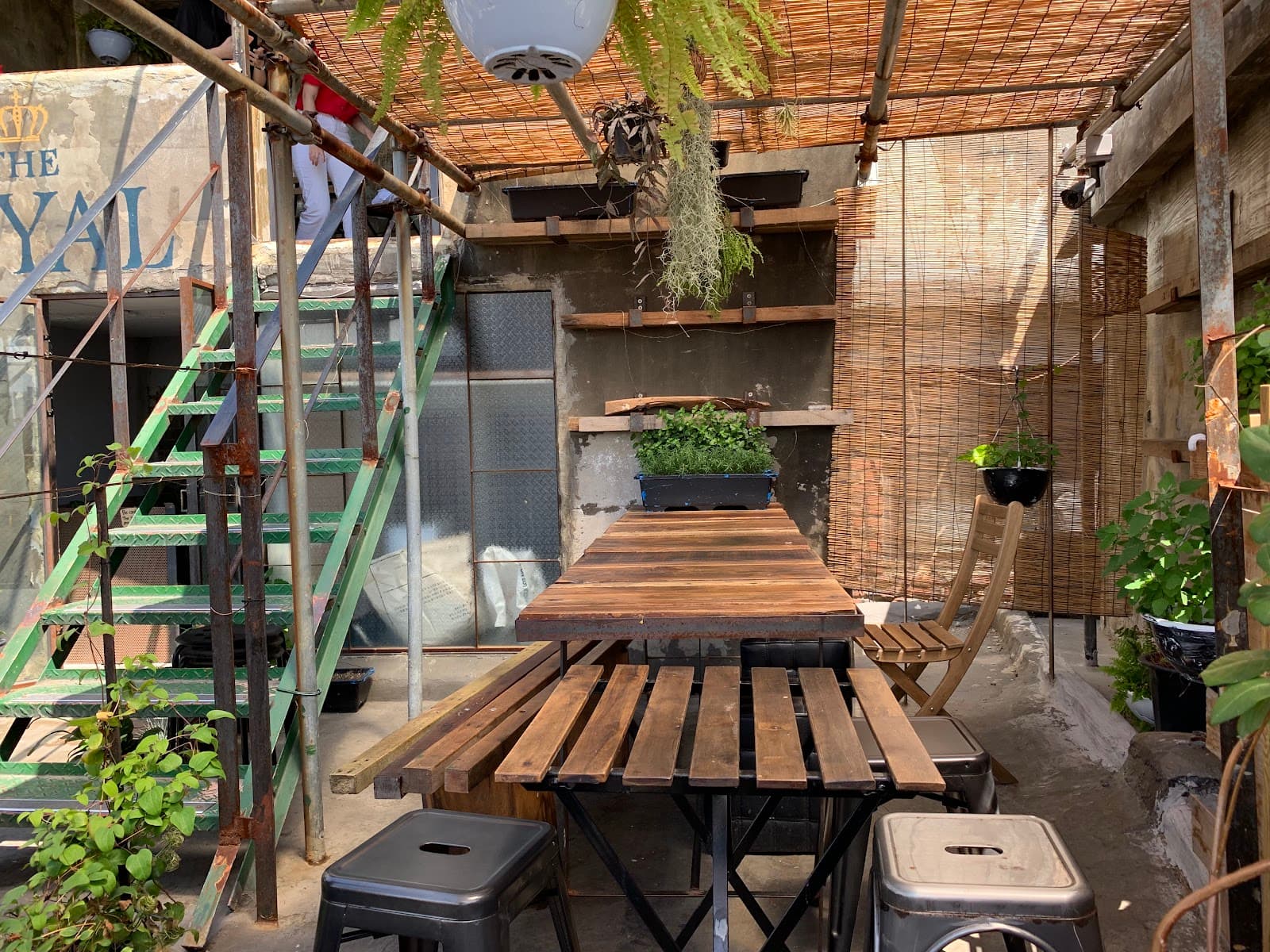
1. The Royal - Jongno
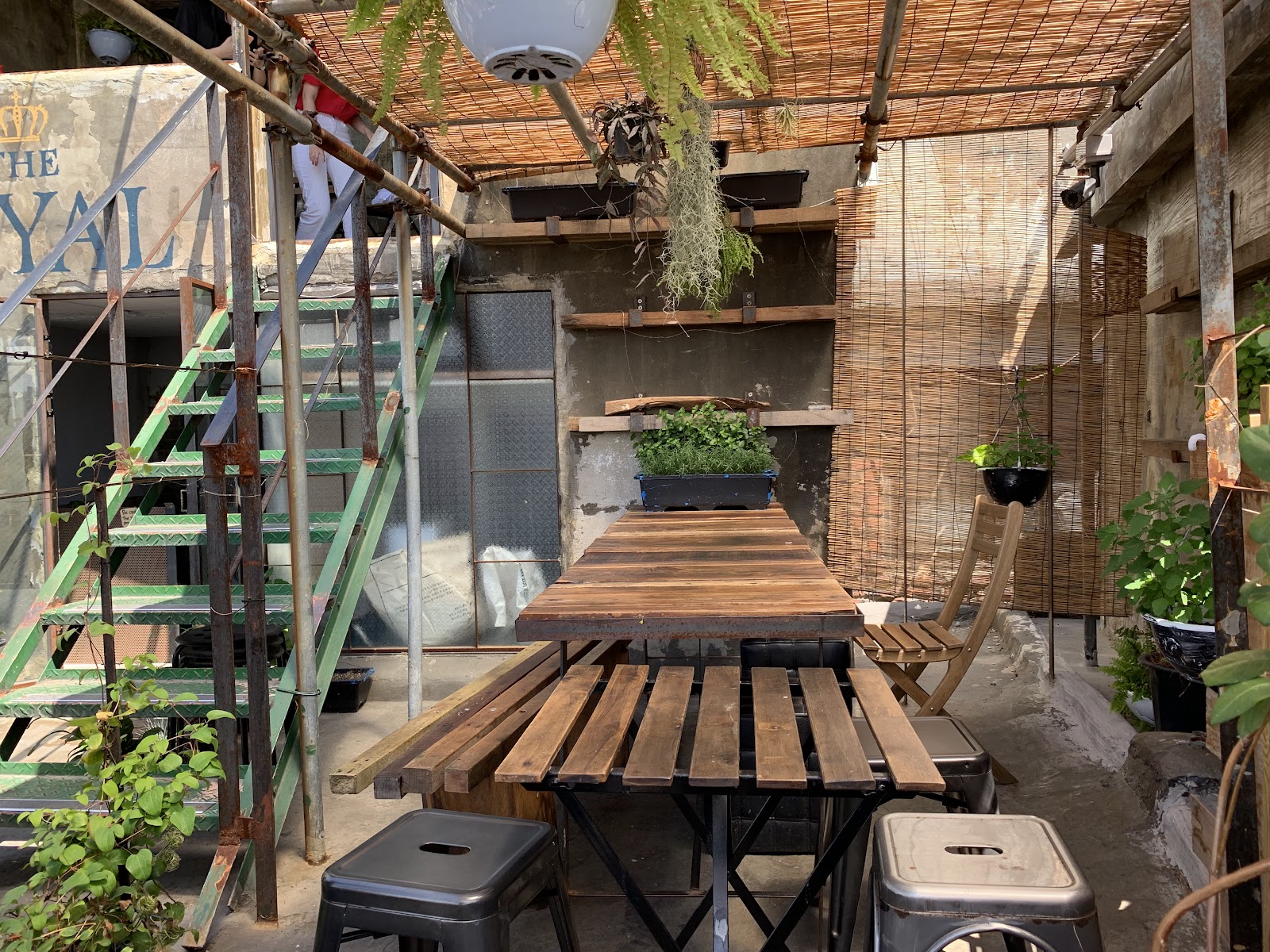
Located in Jongno 3-ga, The Royal is Seoul's most accessible royal cuisine experience. Just a 5-minute walk from Jongno 5-ga Station, it's perfect for visiting after exploring palaces.
Features:
- Traditional hanok interior
- 12-dish Surasang re-creation
- Hanbok (traditional clothing) available for dining
- Royal artifacts exhibition on-site
Menu: King's Surasang, Queen's Surasang (reservation for 2+ people required)
Price: ₩48,000 ~ ₩88,000 (varies by menu)
Address: 21-15 Jongno 3-ga, Jongno-gu, Seoul
Hours: 11:30 - 21:00 (Open daily)
Reservation: Recommended 2 days in advance
2. Palace Restaurant (궁중식당) - Inside Gyeongbokgung Palace
Located inside the National Folk Museum within Gyeongbokgung Palace, Palace Restaurant offers the unique experience of dining within an actual palace. Since 1991, they've been presenting royal court cuisine.
Features:
- Operated by designated royal cuisine heritage holders
- Dine within actual palace grounds
- Seasonal special menus
- Ideal for visiting after palace tour
Menu: Seasonal Surasang, royal specialties
Price: ₩35,000 ~ ₩65,000
Address: 161 Sajik-ro, Jongno-gu, Seoul (Inside Gyeongbokgung Palace)
Hours: 11:30 - 15:30 (until 17:00 in winter)
Reservation: Phone reservation required (02-722-5222)
3. Lee Sun-Jae (李善齋) - Seocho-dong
Lee Sun-Jae was founded by Han Bok-sun, a royal cuisine researcher and Important Intangible Cultural Heritage holder. It most faithfully recreates the authentic taste and tradition of royal court cuisine.
Features:
- Restaurant of royal cuisine's foremost authority
- Food prepared by actual heritage holder
- Royal food culture lectures and experience programs
- Seasonal delicacies provided
Menu: King's Surasang, seasonal specialties
Price: ₩88,000 ~ ₩150,000
Address: 1363-16 Seocho-dong, Seocho-gu, Seoul
Hours: 11:30 - 21:00
Reservation: Required 3 days in advance
4. Park Hae-ja Royal Cuisine - Gangnam
Park Hae-ja is the third-generation Important Intangible Cultural Heritage holder for royal court cuisine. Her restaurant, located in a modern Gangnam building, offers the harmony of tradition and modernity.
Features:
- Operated by actual heritage holder
- Royal cuisine restoration since 1987
- Suitable for company dinners and special occasions
- Multi-language menus available
Menu: 12-dish Surasang, seasonal specialties
Price: ₩66,000 ~ ₩110,000
Address: 824-5 Yeoksam-dong, Gangnam-gu, Seoul
Hours: 11:30 - 21:30
Reservation: Recommended 2 days in advance
Representative Royal Cuisine Dishes
Sinseonlo (神仙爐)
Sinseonlo is Joseon Dynasty's representative steamed dish. Various ingredients are layered in a special lidded pot, and fire is lit on the lid to cook at the table.
Ingredients:
- Beef, mutton
- Tofu, dangmyeon (sweet potato noodles), shiitake mushrooms
- Ginkgo nuts, pine nuts, jujubes
- Seasonal vegetables
Characteristics: Flavors meld while cooking gently with lid heat, creating clean, balanced taste
Mi-eum and Juk (Porridges)
Royal meals always included Mi-eum (rice water). Rice and water boiled in a 1:10 ratio to aid digestion and settle the stomach.
Types:
- White mi-eum: Only rice and water
- Abalone mi-eum: Abalone added for nutrition
- Black sesame mi-eum: Black sesame for nourishment
Tang and Jjigae (Soups and Stews)
Tang refers to clear soups; Jjigae refers to thicker stews with more ingredients:
- Gomtang: Ox head, leg, and bone broth
- Seolleongtang: Ox bone broth simmered all day
- Dongtae Jjigae: Pollock stew, a winter delicacy
Wheat Flour Dishes
The royal court featured diverse wheat flour dishes:
- Mandu: Various shapes including wang mandu, gyujasang-gak
- Jeonbok: Wheat dough with abalone, pan-fried
- Guksu: Royal noodles—thin strands with clean taste
Surasang Etiquette
Royal dining followed strict etiquette. Today's royal cuisine restaurants continue this tradition:
Pre-Meal Etiquette
- Seating: King sits on east, queen on west
- Starting: Meal begins when king picks up spoon
- Tasting: Royal kitchen attendants move side dishes after king tastes
During Meal
- Side Dishes: Focus on one dish at a time, don't poke around
- Soup: Don't drink more than 3 spoonfuls at once
- Rice/Soup: Use spoon for rice, spoon for soup (no mixing)
Post-Meal Etiquette
- Utensils: When finished, place spoon on right side of rice bowl
- Confirmation: Kitchen attendant confirms meal satisfaction with king
- Clearing: Meal complete when king rises from seat
A Royal Day of Meals
The Joseon king's daily meals followed this pattern:
Morning and Evening Surasang
- Morning Surasang: 9-10 AM (breakfast)
- Evening Surasang: 5-6 PM (dinner)
Table Setting:
- 12-dish table (king)
- 9-dish table (queen)
- 3-dish table (crown prince, concubines)
Mid-Day Surasang
Between 12-1 PM, a light meal was provided:
- Menu: Noodles, tteok (rice cakes), fruits
- Purpose: Light energy boost during state affairs
Yasi (Late Night Meal)
Special meal provided when king felt hungry at night:
- Menu: Mi-eum, noodles, tteokguk
- Rule: Not frequently provided for health reasons
Cultural Significance
Connection to UNESCO Intangible Heritage
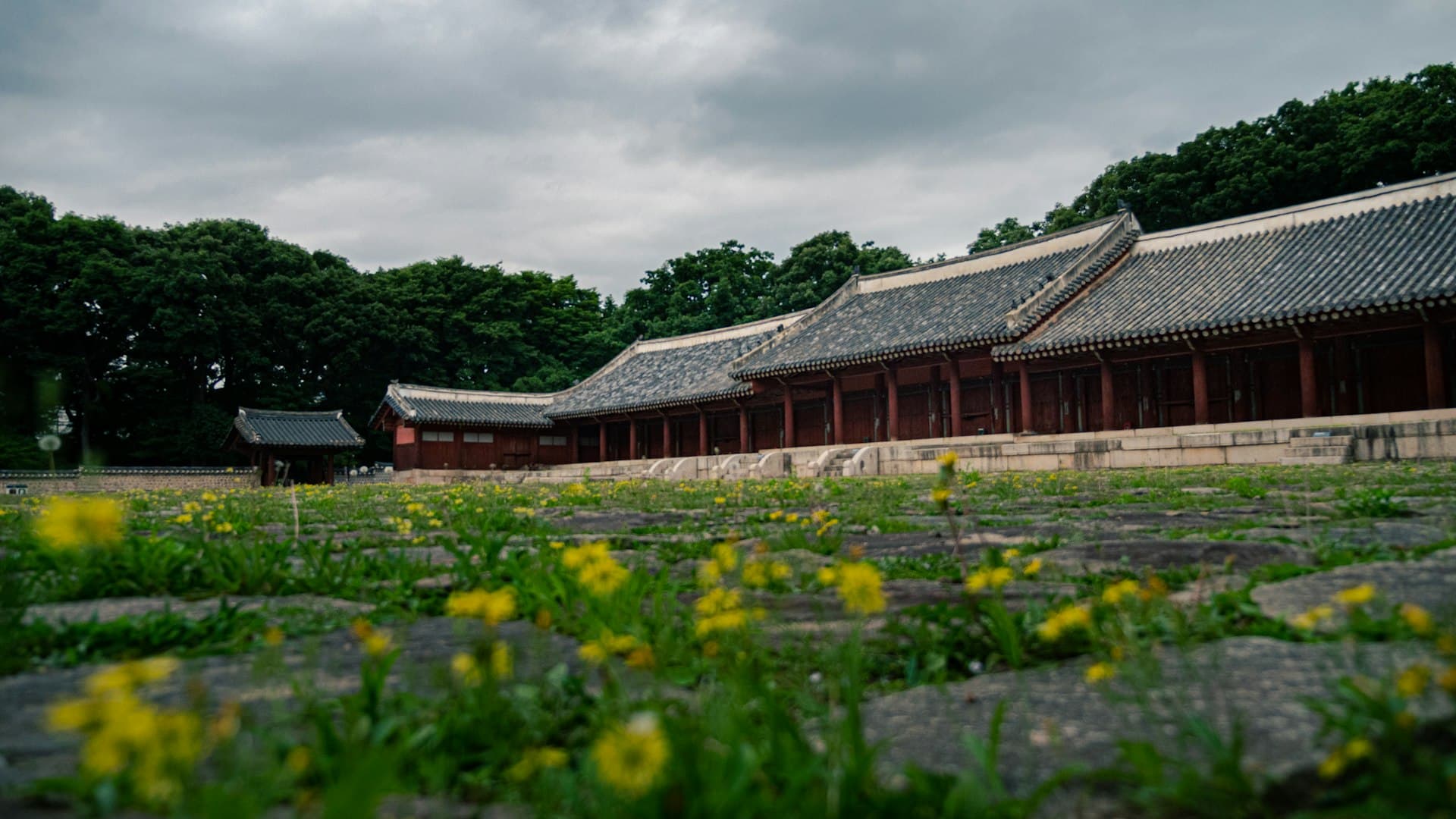
Jongmyo Jerye, the Joseon Dynasty's royal ancestral rite, was designated a UNESCO Intangible Cultural Heritage in 2001. The Jerye-umsik (ritual food) served during Jongmyo Jerye showcases the essence of royal court cuisine.
- Jongmyo Jerye: The only World Heritage royal ancestral rite for Joseon kings and queens
- Jongmyo Jeryeak: Music and performance during the ritual
- Ritual Food: Food served during the ritual (restored by royal cuisine heritage holders)
Modern Transmission
Today, royal cuisine continues as living heritage:
- Important Intangible Cultural Heritage: Government-designated royal cuisine holders
- Transmission Education: Teaching traditional cooking methods to descendants
- Modern Reinterpretation: Adapting royal cuisine for contemporary tastes
Visit Tips
Best Time to Visit
- Seasonal Delicacies: Spring (fernbrake, bamboo shoots), Summer (samgyetang on Sambok days), Autumn (galbi, shiitake), Winter (nourishing foods)
- Special Occasions: More special experience on birthdays, anniversaries
- Avoid Weekends: Weekday visits are quieter and more relaxed
Reservation Essentials
Royal cuisine restaurants require reservations:
- Minimum Lead Time: 2-3 days (1 week recommended for weekends)
- How to Reserve: Phone or website
- Cancellation Policy: No-show fees charged for same-day cancellations
Dress Code
- Hanbok Rental: Some restaurants provide hanbok rental service
- Attire: Modest dress recommended even without hanbok
- Footwear: Comfortable shoes as some require indoor shoe removal
Route Planning
Combining royal cuisine with palace visits creates the optimal experience:
- Morning: Gyeongbokgung or Changdeokgung Palace tour
- Lunch: Surasang at royal cuisine restaurant
- Afternoon: Jongmyo Shrine or Bukchon Hanok Village
Recommended Routes:
- Gyeongbokgung → Palace Restaurant → National Folk Museum
- Changdeokgung → The Royal → Jongmyo Shrine
- Changgyeonggung → Lee Sun-Jae → Seoul Forest
Frequently Asked Questions
Q: How spicy is royal cuisine? A: Royal cuisine is generally mild and delicately prepared. There's almost no spiciness—the focus is on bringing out the natural flavors of ingredients. Even those trying Korean food for the first time can enjoy it.
Q: Can I visit alone? A: Most royal cuisine restaurants require 2+ people for reservations. If visiting alone, please inquire in advance. Some restaurants do have single seating.
Q: Are vegetarian options available? A: Many royal cuisine restaurants offer vegetarian menus. Request in advance, and they'll prepare vegetarian Surasang using tofu, mushrooms, etc., instead of beef.
Q: What should I know when reserving? A: Please arrive on time for your reservation. Late arrivals may result in cancellation. Also, if you have fever or respiratory symptoms within 7 days, please refrain from visiting.
Q: Can I bring children? A: Yes, children are welcome. However, since a quiet atmosphere must be maintained, we recommend visiting with children who can observe dining etiquette (elementary age and above).
Q: What's the difference between royal cuisine and regular Korean food? A: Royal cuisine uses more refined cooking methods and stricter ingredient selection. Also, meals are structured according to etiquette like the 12-dish table. Taste is milder and more delicately prepared.
Q: How far in advance should I reserve? A: For weekdays, 2-3 days ahead; for weekends and holidays, at least 1 week ahead. For special occasions (birthdays, anniversaries), reserve even earlier.
Q: Is there parking? A: Most royal cuisine restaurants have no or limited parking. Use public transportation or nearby public parking lots.
Q: Are there souvenirs I can buy? A: Some restaurants sell royal pickles, royal kimchi, royal tteok as gifts. Inquire in advance and they'll package them for you.
Q: Where can I learn more about royal dining? A: I recommend visiting Jongmyo Jerye. The royal ancestral rite is held annually on the first Sunday of May, where you can witness Joseon royal rituals firsthand. Also, the National Folk Museum regularly features royal cuisine exhibitions.
Closing: The King's Table—Living Heritage
The Joseon royal table embodies 500 years of history and philosophy. Today's Seoul royal cuisine restaurants do more than recreate old food—they continue its spirit, etiquette, and taste.
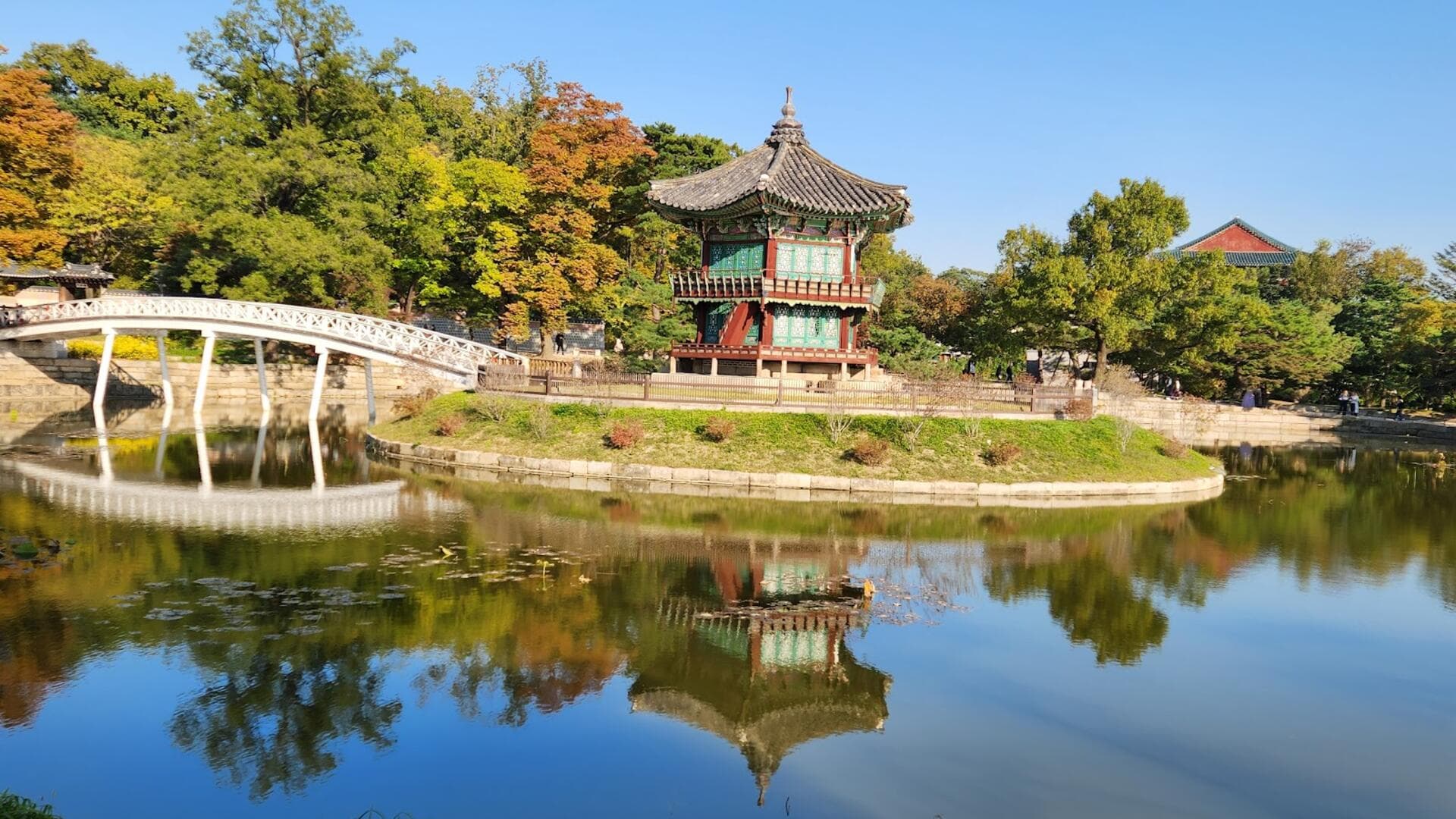
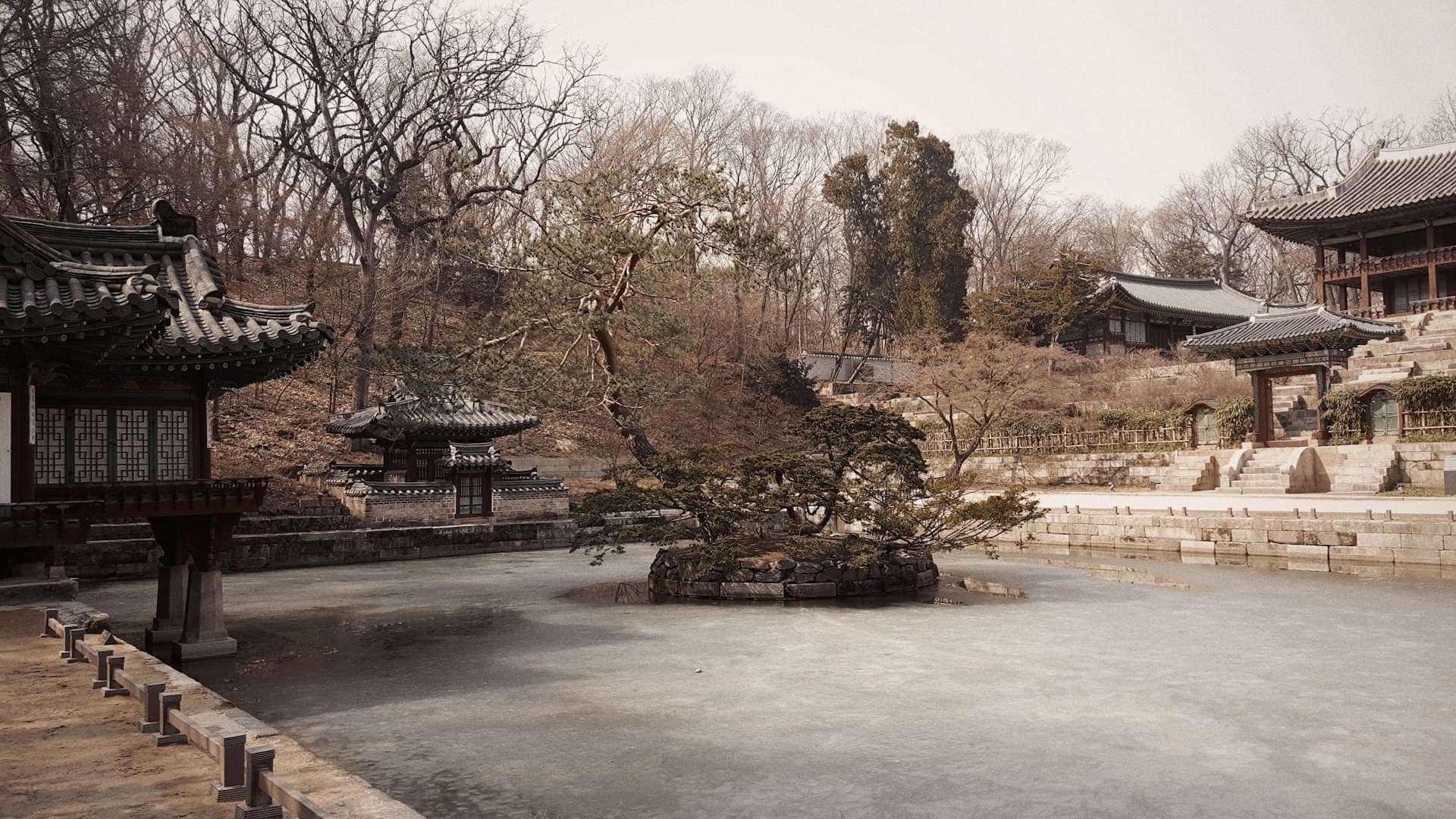
Walking through Gyeongbokgung's magnificent Gyeonghoeru Pavilion and Changdeokgung's beautiful Secret Garden, you might wonder what life was like for the kings who lived here. Dining at a royal cuisine restaurant, that curiosity transforms into visual and gustatory experience.
Sit at the king's table and taste the flavors and philosophy of Joseon from 500 years ago. It's not just a meal—it's a special journey to deeply understand Korea's founding spirit and food culture.
Come experience living heritage at Seoul's royal cuisine restaurants. The king's table awaits.
This article was written by Visit Seoul's heritage guide Dong-Hyun Song (heritage-guide). Respecting Seoul's history and culture, our goal is to provide visitors with deeply meaningful experiences.