Seoul Traditional Tea & Dessert Cafe Guide 2025: Royal Rice Cakes to Modern Bingsu
A Chance Encounter with Pumpkin Bingsu
When I first stepped into Suyeonsanbang, I knew almost nothing about Korean desserts. I just wanted to enjoy a cup of tea in the beautiful hanok house perched on Seongbuk-dong's hill. But with one spoonful of their pumpkin bingsu, I completely fell into the world of Korean traditional desserts.
The combination of soft pumpkin, chewy rice cakes, and nutty black sesame was on another level from any dessert I'd known before. Since that day, I've been searching for Seoul's hidden dessert gems. From rice cakes once enjoyed only in royal courts to cakes shaped like yarn balls, Korea's dessert culture is surprisingly diverse.
Let me introduce you to the best dessert spots I've discovered.
The Modern Revival of Royal Court Desserts
Kimssibooin
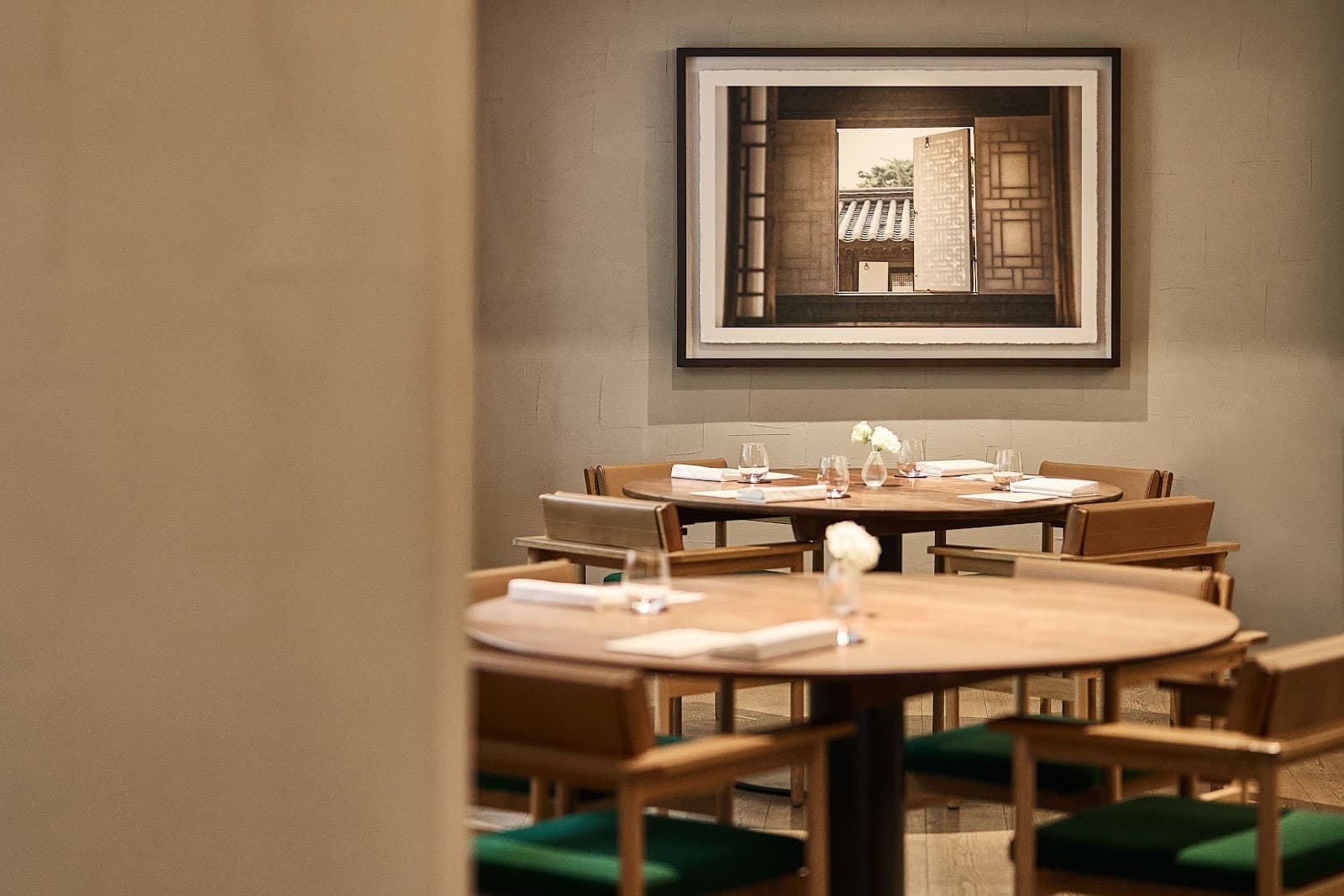
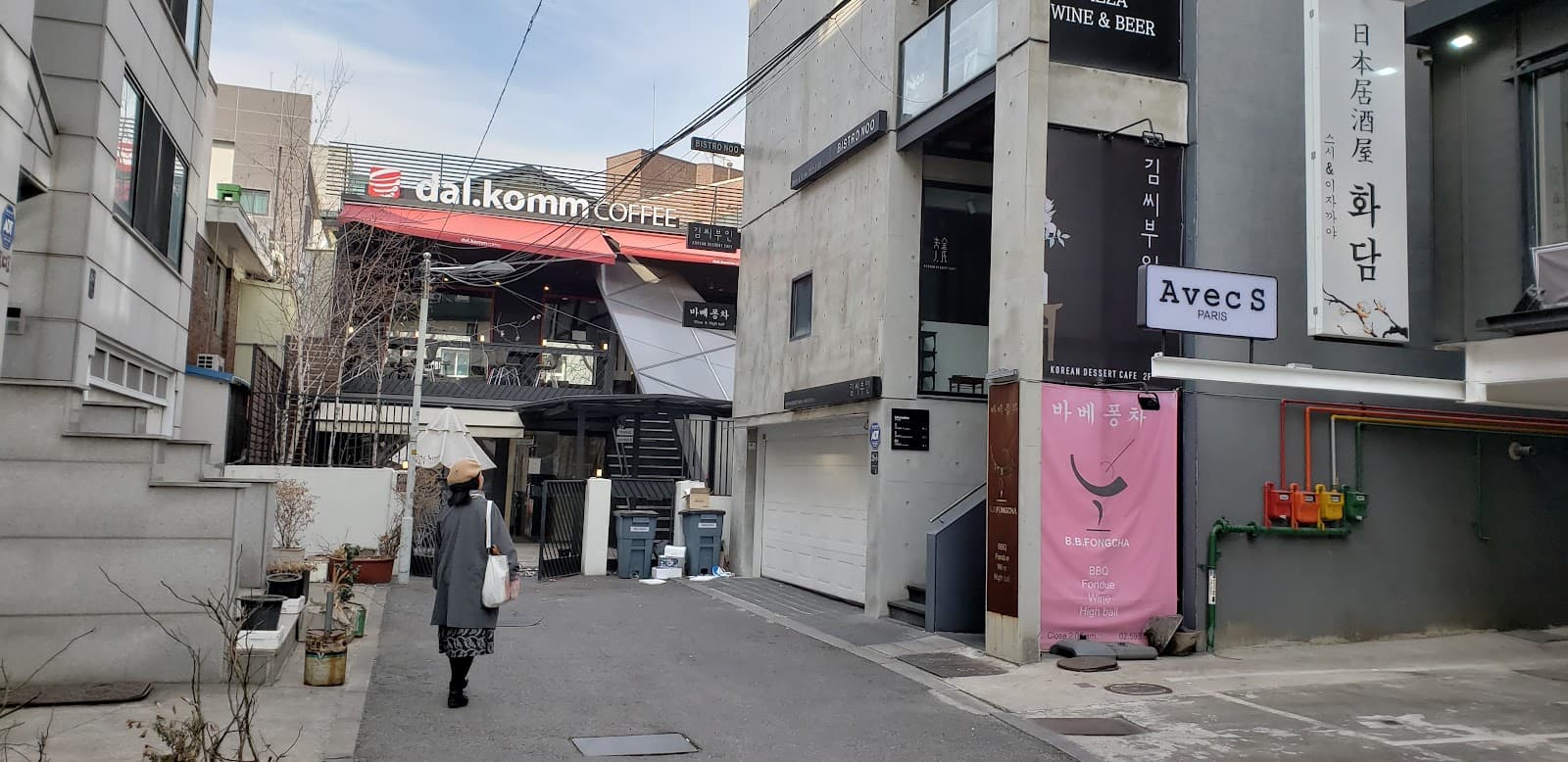
Located in the quiet alleys of Seorae Village, Kimssibooin is a Blue Ribbon-awarded destination for royal court desserts. The moment you enter, you'll feel like you've time-traveled to a Joseon dynasty palace. The desserts served on traditional soban trays aren't just food—they're works of art.
Their signature yugwa combines crispness and honey sweetness in perfect harmony. The joak, which might have appeared on a king's royal table, offers a delightful chewy texture made from glutinous rice flour, red beans, and honey. They offer different seasonal rice cakes, so try watermelon hwachae in summer and ginseng tteok in winter.
Tip: Reservations are essential on weekends. Visiting in hanbok makes for an even more special experience.
The Fragrance of Tea in Hanok Houses
Suyeonsanbang
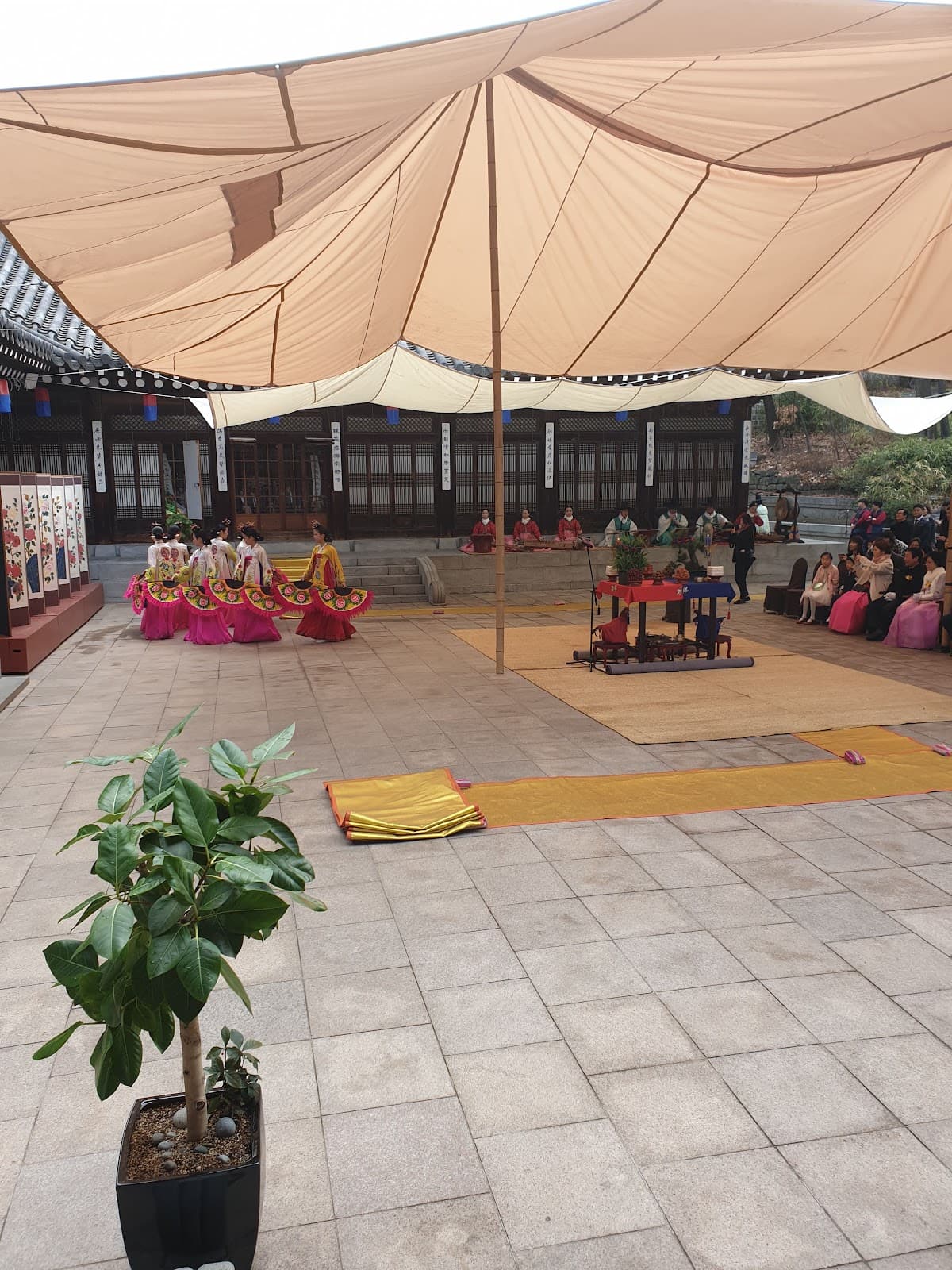
Guarding the Seongbuk-dong hill since 1998, Suyeonsanbang is a traditional tea house located in the former home of writer Lee Tae-jun. In this space completely disconnected from city noise, you can experience a sense of peace as if time has stopped.
The tea menu is incredibly diverse. From the gentle sweetness of daechu-cha (jujube tea) to the refreshing notes of song-cha (pine tea) and the subtle bitterness of gugija-gukhwa-cha (goji and chrysanthemum tea), you can choose according to your mood and the weather. The pumpkin bingsu, available only in summer, is arguably better than most dedicated bingsu shops.
The biggest charm here is enjoying tea while overlooking the beautiful garden through all four seasons. Autumn foliage in fall and snowy landscapes in winter unfold outside your window.
When Dessert Becomes Art
Le Montblanc
Le Montblanc, transformed from a 20-year-old knitting factory in Haebangchon hill, is a unique cafe that presents desserts like works of art. Their mousse cakes make you feel like you're appreciating art rather than eating it.
The 'Earl Grey Yarn' cake, shaped exactly like a ball of yarn, creates a fantastic harmony between soft mousse and creamy cream. The mango-flavored 'Sweater' cake enjoyed on the third-floor rooftop makes you feel like you're at a party.
Famous on Instagram, this cafe is always packed on weekend afternoons. If you want to secure a good photo spot, it's best to visit right at opening time.
Korea's Sweet Taste on the Streets
Sindang Tteokbokki Town
Sindang Tteokbokki Town proves that desserts aren't just enjoyed in fancy cafes. The tteokbokki here, continuing since 1953, is Koreans' soul food.
Starting with the original Mabokrim Halmoni's Tteokbokki, over 15 shops make their own versions of tteokbokki with their secret recipes. The tteokbokki here is much spicier than homemade versions. If you're confident with spicy Korean food, definitely give it a try.
Order sundae (blood sausage) and twigim (fried snacks) with your tteokbokki for a complete meal. Instead of soda, try sikhye (sweet rice drink) to neutralize the spiciness.
New Wave: Vegan Desserts
ODOV Vegan Bakery
There's a place where you can glimpse the future of Korean desserts. Located in Songpa-gu, ODOV is a 100% vegan bakery that makes all its products without animal ingredients.
Their croissants are astonishingly flaky and layered despite using no dairy. The cinnamon rolls have a subtle cinnamon flavor without being too sweet, perfect for breakfast.
Even if you're not vegan, it's worth a visit. You'll discover that desserts made with healthy ingredients can be this delicious.
Guide for Dessert Travelers
When to Visit?
- Spring (March-May): Perfect for enjoying tea while watching blooming gardens in hanok tea houses
- Summer (June-August): Seasonal bingsu and hwachae appear on menus
- Fall (September-November): Traditional tea with autumn foliage is unbeatable
- Winter (December-February): Irresistible roasted sweet potatoes, pumpkin porridge, and warm tea
Things to Know
- Many hanok cafes require removing shoes, so wear comfortable socks
- Weekend reservations are essential, especially for famous places like Kimssibooin – book a week in advance
- Some places are cash only, so bring some cash with you
- Many places offer discounts for hanok visitors
How to Order?
At traditional tea houses, ordering a tea set usually lets you taste various types of rice cakes and sweets. If you're new to royal court desserts, start with a tasting set.
At cafes, try the signature menu first. Most cafes' most confident items showcase their best flavors.
Falling for Korea's Sweet Culture
Korean desserts contain stories beyond just sweetness. The history of royal courts, the beauty of hanok, memories of streets, and the innovation of a new era.
If you visit Seoul, be sure to check out the places I've introduced. Like me, you might fall under the spell of Korean desserts with just one spoonful of pumpkin bingsu.
Frequently Asked Questions
Q: Is it okay if I don't speak Korean? A: Yes, most cafes have English menus available. Pointing at pictures is also a good option.
Q: Are desserts filling enough? A: Royal court desserts are small but high-calorie. At the tteokbokki town, tteokbokki alone can be quite filling.
Q: Can I bring children? A: Yes, most places are family-friendly. However, remind children to be quiet in traditional tea houses.
Q: Are there vegetarian options? A: Yes, besides vegan bakeries like ODOV, many cafes offer vegetarian options.
Q: Where are the best photo spots? A: Kimssibooin's traditional soban trays, Suyeonsanbang's hanok garden, and Le Montblanc's yarn cakes are popular Instagram spots.