Seoul Traditional Gugak Music Guide: When a Thousand Years of Sound Comes Alive
The delicate trembling of the gayageum, the deep resonance of the daegeum flute, the dynamic rhythms of the janggu drum. Korean traditional music—gugak (國樂)—carries the lives and emotions of our ancestors across millennia.
Seoul offers venues where you can experience every genre of gugak, from solemn court music to exhilarating folk performances. The music of a 600-year dynasty still breathes in 21st-century Seoul.
What is Gugak: Two Great Streams
Korean traditional music divides into jeongak (court music) and minsogak (folk music).
Jeongak: Music of Courts and Nobility
This music was performed in royal courts and yangban (aristocratic) society during the Joseon Dynasty. It's characterized by slow, dignified, and refined aesthetics.
Representative pieces:
- Yeongsan Hoesang: Instrumental ensemble suite derived from Buddhist ritual music
- Sujecheon: Court music meaning "offering longevity to the emperor in heaven"
- Jongmyo Jeryeak: Music for royal ancestral rites at Jongmyo Shrine (UNESCO Intangible Cultural Heritage)
Jeongak never rushes. Each note flows slowly like deep breaths. For first-time listeners, it may feel too slow, but within that slowness you'll discover profound peace and meditative depth.
Minsogak: The People's Emotions
Born from the daily lives of common people, this music is lively, dynamic, and improvisational.
Representative genres:
- Pansori: Epic narrative singing where one vocalist tells a long story accompanied by a single drummer
- Sanjo: Instrumental solo featuring improvisation on gayageum, daegeum, and other instruments
- Samulnori: Spirited music performed on four percussion instruments: kkwaenggwari, janggu, buk, and jing
- Nongak: Music developed from work songs sung during farming
Folk music embodies both han (sorrow) and heung (joy) of Korean people. Sadness and happiness, anger and hope intertwine to evoke powerful emotions.
Seoul's Best Gugak Venues: Complete Guide
1. National Gugak Center: The Heart of Traditional Music
Location: 2364 Nambusunhwan-ro, Seocho-gu Established: 1951 (Korea's only national traditional music institution)
The National Gugak Center preserves, transmits, and promotes Korean traditional music. It operates court music, folk music, and dance ensembles presenting the highest quality performances.
Main Performance Programs
Regular 'Saturday Performance'
- Time: Every Saturday 5 PM
- Venue: Yeak Hall (600 seats)
- Price: Free (first-come, first-served)
- Content: Rotating repertoire of court music, folk music, and court dance
Experience everything from court music to samulnori in one sitting. Perfect for beginners. Despite being free, the performance quality is exceptional.
Special Concerts
- Time: 1-2 times monthly (Thursday or Friday evening)
- Venue: Umyeon Hall (800 seats)
- Price: 10,000-30,000 KRW
- Content: Master musician concerts, creative gugak, fusion performances
Watch Korea's finest musicians or contemporary reinterpretations of traditional music.
National Gugak Museum (Free)
Visit the museum before or after performances to understand the history and principles of traditional instruments. There's a hands-on area where you can touch and hear the instruments.
Visiting Tips:
- Arrive 1 hour early to explore the museum first
- Closed Mondays
- Limited parking (public transport recommended)
2. Jeongdong Theater: Where Tradition Meets Modernity
Location: 43 Jeongdong-gil, Jung-gu Feature: Programs tailored for international tourists
Located next to Deoksugung Palace, Jeongdong Theater specializes in traditional performing arts with subtitles and explanations for foreign audiences.
Signature Show: 'MISO'
Time: Tue-Sun 4 PM, 8 PM (closed Mondays) Price: R-seat 50,000 KRW, S-seat 40,000 KRW Duration: 90 minutes
"MISO" is a contemporary reimagining of traditional pansori, dance, and samulnori. The storytelling around Korea's four seasons and daily life makes it easy to follow.
Audience interaction happens throughout. You'll experience participatory elements like simple rhythm activities and clapping along.
Features:
- English, Chinese, and Japanese subtitles
- 20-minute traditional instrument experience before show
- Can combine with Deoksugung Palace stonewall walk
Booking: Jeongdong Theater official website or Interpark Ticket
3. Namsan Hanok Village: Free Outdoor Performances
Location: 28 Toegye-ro 34-gil, Jung-gu (Pil-dong) Feature: Free traditional performances + hanok experience
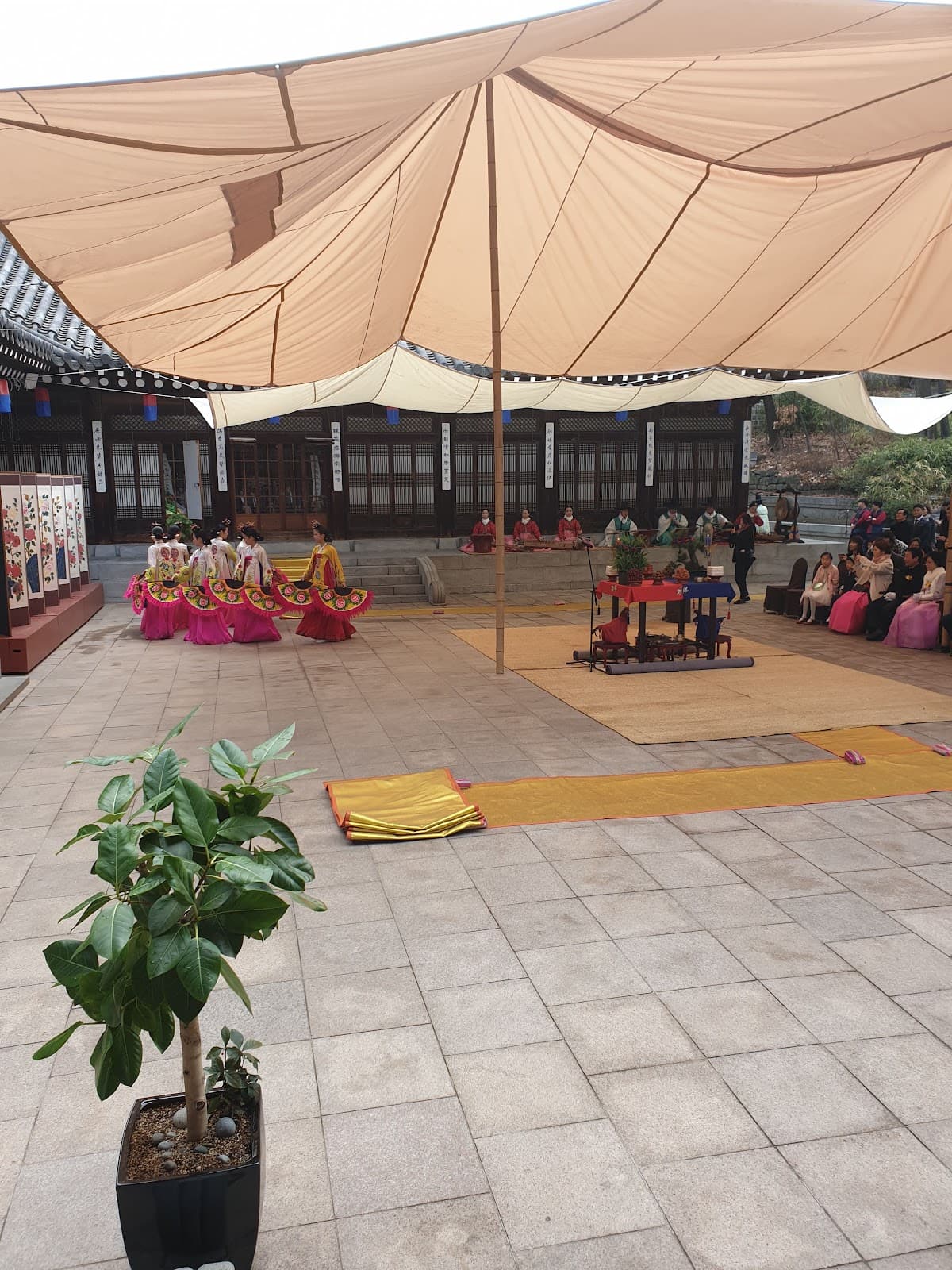
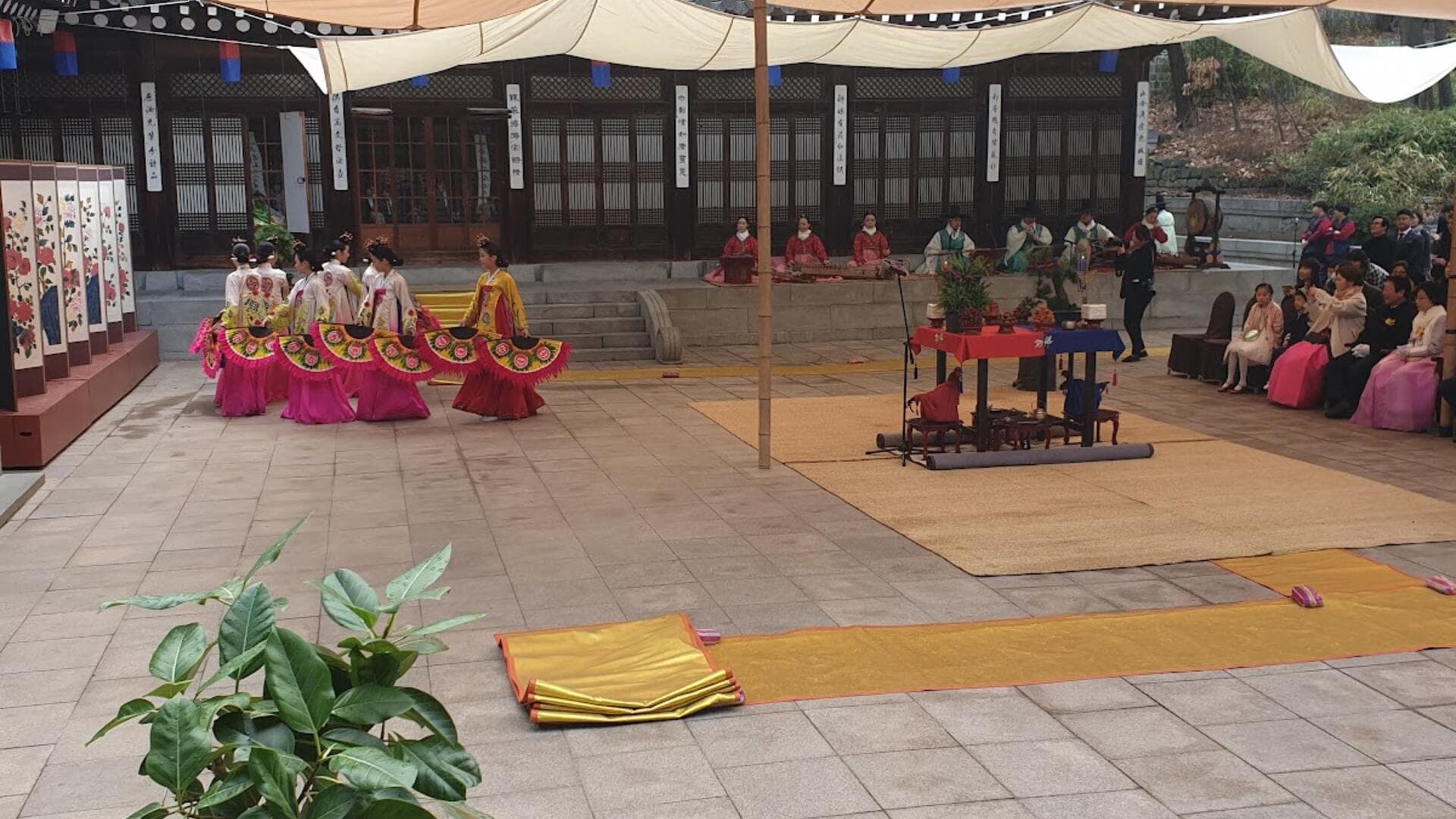
This traditional hanok village at the foot of Namsan hosts free gugak performances every weekend. Outdoor stage performances create a special atmosphere amidst hanok architecture.
Weekend Regular Performances
Time: Sat-Sun 2 PM, 4 PM Venue: Outdoor stage or traditional performance hall Price: Free Content: Samulnori, folk songs, traditional dance (30 min)
Why you should go:
- Completely free
- Photo opportunities with hanok backdrop
- Hanok interior tours after performance
- Traditional games (tuho, jegichagi)
On pleasant spring or autumn afternoons, the sound of gayageum beneath hanok eaves feels like time-traveling to the Joseon Dynasty.
4. Sejong Center Traditional Arts Company
Location: 175 Sejong-daero, Jongno-gu Feature: Seoul city-operated traditional arts company
Run by Seoul Metropolitan Government, this professional ensemble operates court music, folk music, dance, and choir divisions.
Regular 'Traditional Arts Stage'
- Time: Last Wednesday of each month, 7:30 PM
- Venue: Sejong M Theater (300 seats)
- Price: 5,000-20,000 KRW
The intimate theater allows you to see instrument sounds and musicians' expressions up close.
5. Special Seasonal Gugak Events
Spring: Changdeokgung Palace Moonlight Tour
- Time: April-May, September-October (5 days around full moon)
- Content: Walk through Changdeokgung Secret Garden at night while listening to court music
- Booking: Cultural Heritage Administration website (highly competitive, book early)
Listening to gayageum sanjo under moonlight in a hanok pavilion will be an unforgettable experience.
Annual: Jongmyo Daeje and Jongmyo Jeryeak
- Time: First Sunday of May
- Venue: Jongmyo Shrine
- Content: Reenactment of Joseon royal ancestral rites + UNESCO Intangible Cultural Heritage music
The ritual and music are performed exactly as they were 600 years ago. Over 1,000 participants recreate this massive ceremony, showcasing the pinnacle of Korean traditional culture.
How to Enjoy Gugak 200%: Viewing Guide
Recommended Genre Progression for Beginners
Stage 1: Start with Folk Music Begin with dynamic and emotional folk genres like samulnori or pansori. They're easier entry points into gugak.
Recommended: Namsan Hanok Village samulnori (free)
Stage 2: Expand to Fusion Gugak Creative gugak that adds modern arrangements to traditional melodies appeals to younger audiences.
Recommended: Jeongdong Theater "MISO" (contemporary reinterpretation)
Stage 3: Experience the Depth of Court Music Once familiar with gugak, you'll appreciate the depth within court music's stillness.
Recommended: National Gugak Center Saturday Performance court music program
Performance Etiquette
During Performance:
- Court music is very quiet. Avoid coughing or talking
- No photos or videos (allowed before/after only)
- Applaud after entire piece ends (not between movements)
Attire:
- No special dress code
- Comfortable shoes for outdoor venues like Namsan or Changdeokgung
Food:
- No food allowed in performance halls
- Bottled water with lid is usually okay
Understanding Traditional Instruments
Knowing the main instruments enhances your appreciation of gugak performances.
String Instruments
Gayageum
- 12-string or 25-string traditional zither
- Delicate and elegant sound
- Representative pieces: Gayageum Sanjo, Chimhyangmu
Geomungo
- 6-string zither with lower register
- Deep and solemn tone
- Scholars' favorite instrument
Wind Instruments
Daegeum
- Bamboo transverse flute
- Clear and profound sound
- Representative pieces: Cheongseongok, Daegeum Sanjo
Piri
- Vertical oboe with double reed
- Sorrowful and plaintive timbre
Percussion Instruments
Janggu
- Hourglass-shaped double-headed drum
- Right hand uses stick, left hand plays with palm
- Leads rhythm in gugak
Buk
- Round barrel drum with leather on both sides
- Powerful and majestic sound
Practical Information
Ticket Booking
Online:
- National Gugak Center: Official website
- Jeongdong Theater: Interpark Ticket, official website
- Sejong Center: Official website
On-site:
- Available at box office on performance day (if seats remain)
- Namsan Hanok Village: Free walk-in
Transportation
National Gugak Center:
- Subway: Line 3 Nambu Terminal Station Exit 5, transfer to village bus
- Bus: Seocho-08, Seocho-16 to "National Gugak Center"
- Parking: Limited (public transport recommended)
Jeongdong Theater:
- Subway: Lines 1-2 City Hall Station Exit 12, 7-min walk
- Parking: Use Deoksugung parking lot
Namsan Hanok Village:
- Subway: Lines 3-4 Chungmuro Station Exit 3-4, 5-min walk
- Bus: Multiple routes to Namsan Hanok Village stop
Price Range
- Free: National Gugak Center Saturday Performance, Namsan Hanok Village
- Budget: Sejong Center (5,000-20,000 KRW)
- Mid-range: Jeongdong Theater (40,000-50,000 KRW)
- Premium: Special concerts (30,000-80,000 KRW)
Seoul Itineraries with Gugak
Route 1: Jeongdong Cultural Heritage Tour (Half Day)
2 PM: Deoksugung Palace (90 min) 4 PM: Jeongdong Theater "MISO" (90 min) 6 PM: Jeongdong stonewall evening view and dinner
Deoksugung Stonewall Walkway is one of Seoul's most beautiful paths. Perfect cultural course to watch gugak right after palace visit.
Route 2: Namsan Traditional Culture Experience (Half Day)
1 PM: Arrive at Namsan Hanok Village, tour hanok interiors 2 PM: Outdoor gugak performance (30 min) 3 PM: Traditional games (tuho, jegichagi) 4 PM: Second performance or Namsan cable car
Best value course with free performances and traditional experiences.
Route 3: Gugak Center Deep Dive (Half Day)
2 PM: National Gugak Museum (60 min) 3 PM: Try gayageum and janggu at instrument experience zone 4 PM: Yeak Hall or Umyeon Hall performance
Recommended if you want deep understanding of gugak.
Frequently Asked Questions
Q1. I've never heard gugak. Will I enjoy it?
It may feel unfamiliar at first, but once you're hooked, you'll be captivated by its depth. Beginners should start with folk music like samulnori or pansori. Jeongdong Theater's "MISO" has storytelling and subtitles for easy understanding.
Q2. Are there English subtitles or explanations?
Jeongdong Theater provides English, Chinese, and Japanese subtitles. Some National Gugak Center performances have English commentary—check when booking.
Q3. How long are performances?
Usually 60-90 minutes. Namsan outdoor shows are 30 minutes, easy to enjoy without pressure.
Q4. Can I bring children?
Namsan Hanok Village and National Gugak Center Saturday performances suit families. Jeongdong Theater admits ages 7 and up.
Q5. Can I take photos?
Most venues prohibit photography during performances. Photos of stage and lobby before/after are often allowed.
Closing: The Message of a Thousand-Year Sound
Gugak is more than music. It's a philosophical heritage showing how our ancestors understood nature, life, and the universe.
The slow tempo of court music embodies wisdom of unhurried living. Pansori's soulful voice reflects the Korean spirit of hope amid hardship. Samulnori's exhilaration demonstrates the people's power to transform adversity into joy.
Experiencing gugak in Seoul means feeling with your whole being the culture created by 600 years of dynastic history and the lives of common people. When sounds that have echoed for a millennium still resonate in the heart of 21st-century Seoul, you'll understand the true depth of Korean culture.
I'll see you at a gugak performance.
Dong-Hyun Song, Heritage Guide