
Ultimate Euljiro Guide 2025: Seoul's Retro-Hip Neighborhood Where Print Shops Meet Craft Beer
I stepped out of Euljiro 3-ga Station Exit 4 and paused. Faded shop signs surrounded me: "Cheongsu Printing," "Donga Hardware," "Seoul Bolt Manufacturing." This was the hip neighborhood everyone was talking about?
Walking deeper into the alleys changed everything. Up a rusty staircase next to an iron gate, I found a trendy cafe. Inside a 60-year-old printing building, a retro bakery served Japanese-style melon bread. Daytime brought the clatter of factory machines. Come evening, neon signs flickered to life, revealing hidden bars and craft beer pubs.
This is Euljiro. Seoul's most fascinating urban transformation story.
From Print Shops to "Hipjiro": The Evolution
Euljiro's Past: Seoul's Industrial Heart
In the 1960s and 70s, Euljiro was Seoul's manufacturing hub. Printing presses, lighting factories, hardware stores, and metal workshops packed these narrow alleys. Signs made in Euljiro hung across Seoul. Flyers printed here papered the city.
The 2000s brought decline. Factories closed one by one as manufacturing moved overseas. Young people left. By 2010, Euljiro was marked for redevelopment. One of Seoul's most forgotten neighborhoods, home mostly to people in their 70s and 80s.
2015: The Transformation Begins
Around 2015, something shifted. A small bar opened on the second floor of a hardware store. A cafe moved into a printing building.
I first visited Euljiro in 2017. Only a handful of new cafes existed. During the day, it was still very much a factory district. People on the streets wore work clothes, not Instagram outfits.
2018 accelerated everything. Photos of Euljiro hit social media. The nickname "Hipjiro" (hip + Euljiro) took hold. As Seoul's "newtro" (new + retro) trend exploded, Euljiro became ground zero — old industrial buildings hosting cutting-edge cafes and bars.
2025: The Art of Coexistence
Today's Euljiro is unique. Walk these alleys during the day and you'll still hear factory machinery running. Hardware store owners who've been here 70 years still serve customers.
Next door, a 20-something runs a craft beer pub. Upstairs, a reservation-only vinyl listening bar hides on the third floor. This coexistence makes Euljiro special.
Euljiro's Three Faces
Understanding Euljiro means knowing its three distinct zones.
Euljiro 3-ga: Newtro Central
The area around Euljiro 3-ga Station Exit 4 is the hottest zone. Cafes and bakeries popular with young visitors concentrate here.
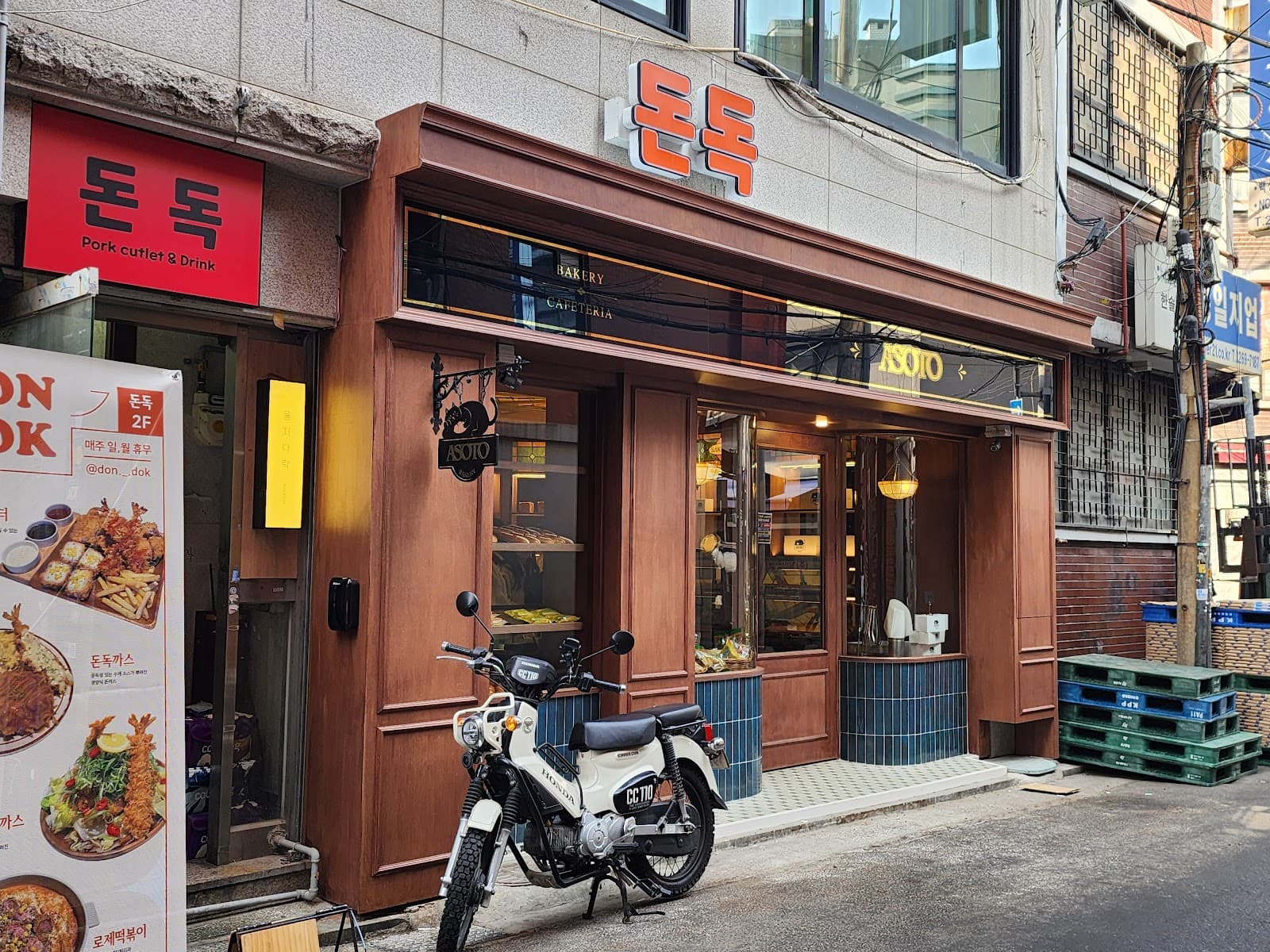
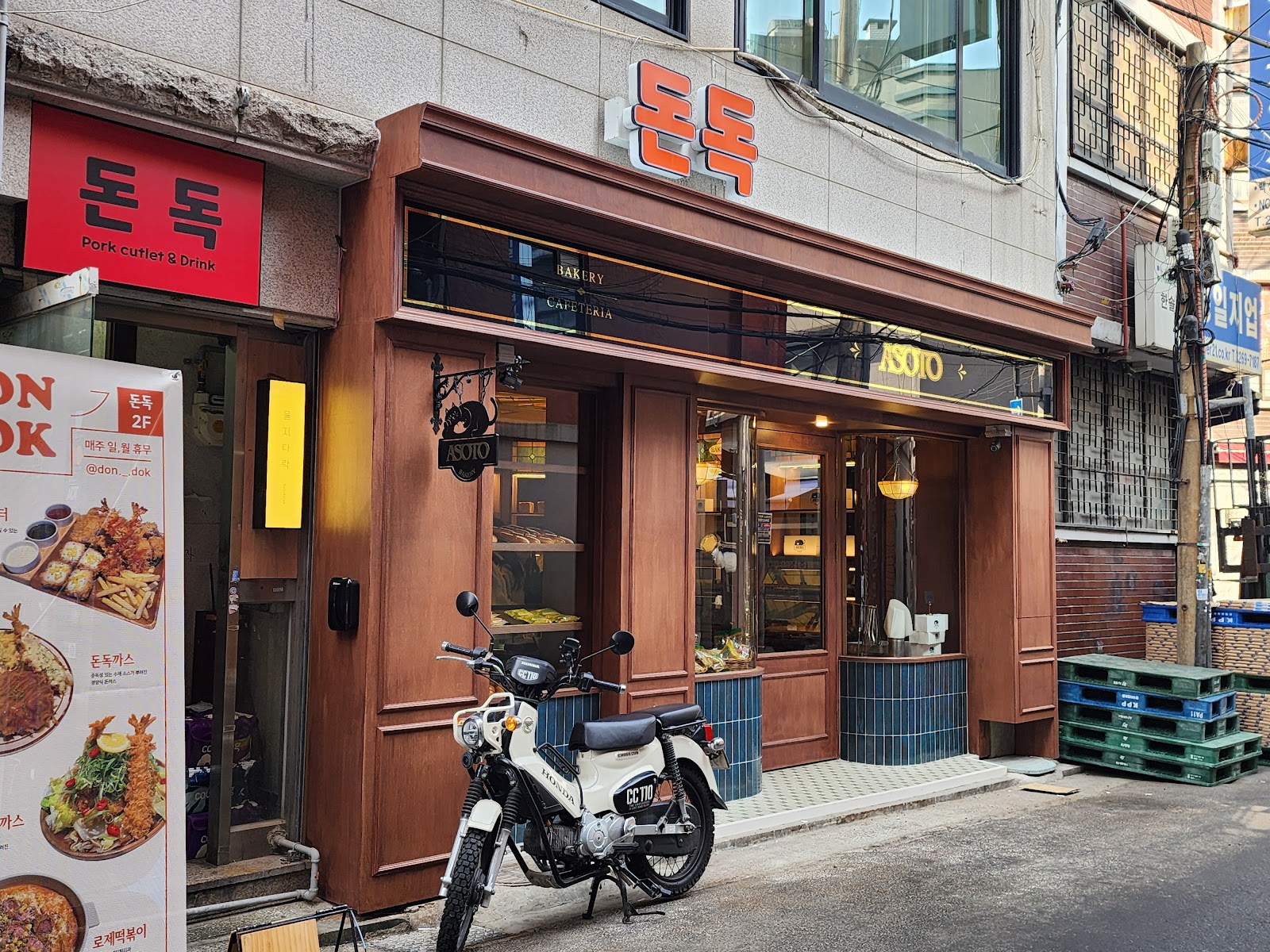
Asoto Bakery captures Euljiro's retro vibe perfectly. Designed like a 1980s Japanese kissaten (old-style cafe), their signature item is melon bread filled with rich custard cream. ₩6,000 ($4.50). The retro interior makes for great photos.
Opens 9:30 AM. On weekends, the melon bread sells out by 11 AM. Weekday mornings are much quieter. Located 3 minutes from Euljiro 3-ga Station Exit 9. Open daily 9:30-20:30.
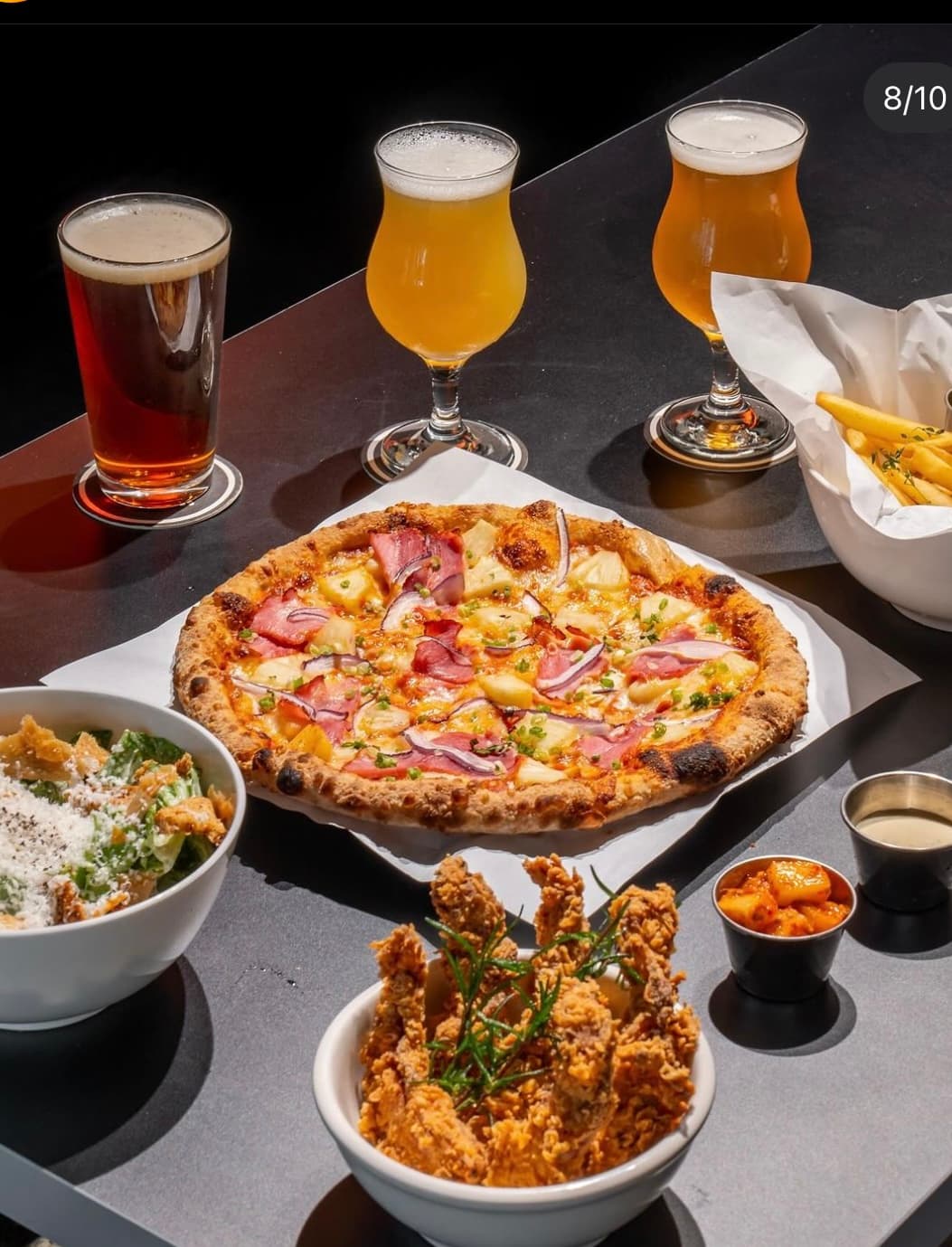
Euljiro Brewing launched Euljiro's craft beer scene. Two locations face each other across a neon-lit alley — the main hall (bonkwan) and annex (byeolgwan). They serve six house-brewed beers plus affordable Korean regulars.
Main hall opens 3:30 PM, annex at 7:30 PM. The neon-soaked alley atmosphere embodies Euljiro's vibe. Weekday afternoons (4-6 PM) are less crowded. Beer ₩9,000-12,000 ($7-9).
Euljiro 4-ga: Local Euljiro
Head toward Euljiro 4-ga Station and the tourist crowds thin dramatically. This is real Euljiro — still dominated by factories and hardware shops.
This zone preserves Euljiro's history. Hardware stores running since the 1960s. Chinese restaurants from the 1970s. Tea shops open for 40+ years. The neighborhood's industrial heritage remains intact here.
I recommend walking these alleys during the day. Faded signs, rusty factory gates, narrow lanes between workshops. You'll understand why Euljiro became a newtro pilgrimage site.
Inhyeon-dong Alleys: Hidden Bar Heaven
Between Euljiro 3-ga and 4-ga stations, the southern alleys form the Inhyeon-dong zone. Quiet by day, it transforms completely after dark.
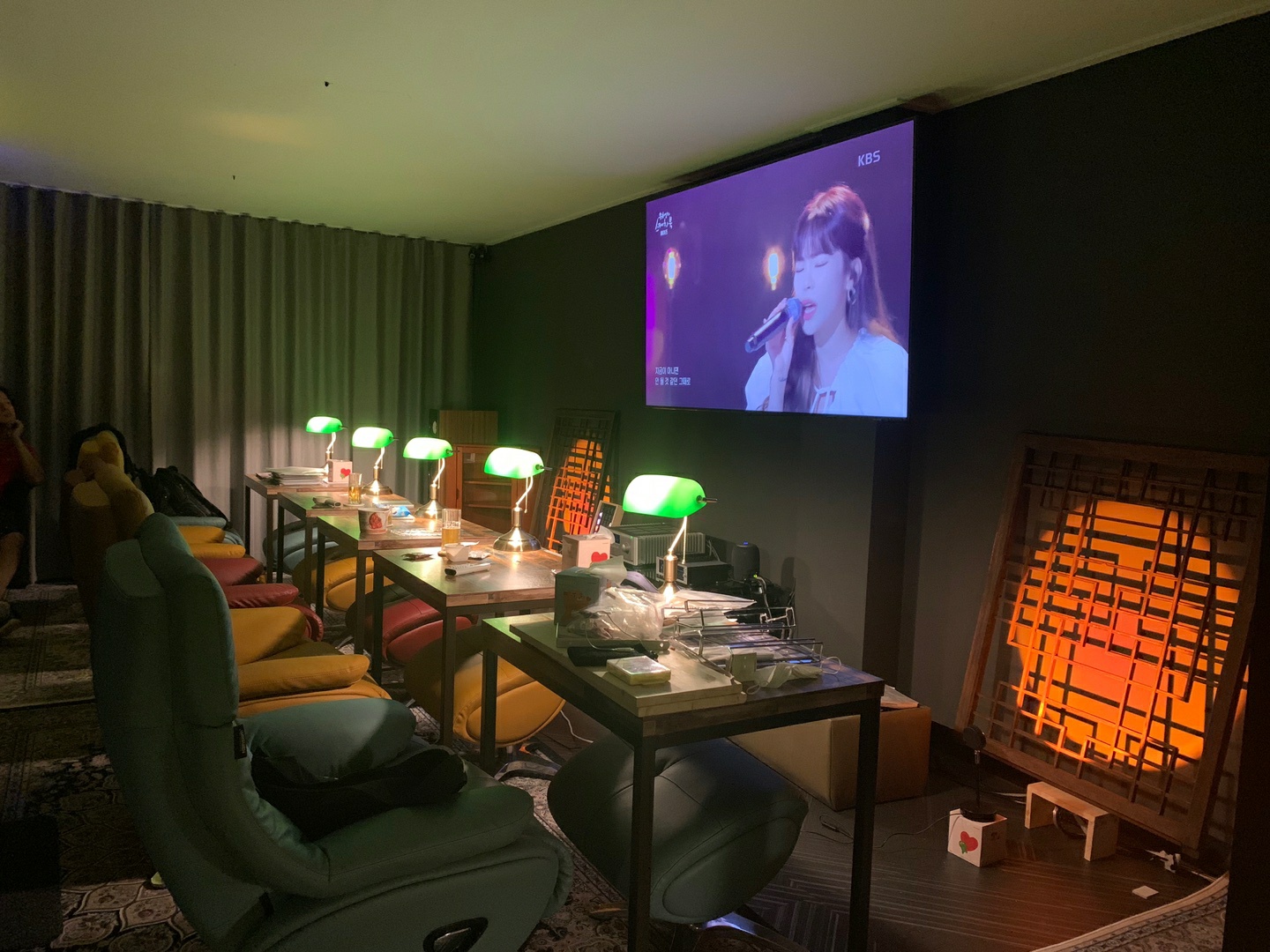
Inhyeon Golbang is this zone's hidden gem. A reservation-only vinyl listening bar on the third floor of an old building. Finding it is part of the experience. Recliner sofas, highball whiskey cocktails, and pure music appreciation. No conversation allowed.
100% reservation required. The no-talking rule is strictly enforced. Perfect for audiophiles seeking a contemplative bar experience. Phone: 0507-1419-8720.

Why I Keep Coming Back
After 30+ visits, I've developed my Euljiro routines.
Weekday Afternoon Route
Start around 2 PM at Euljiro 3-ga Station. After lunch rush, before dinner — the alleys are peaceful.
Coffee at Asoto Bakery first. The melon bread might already be sold out, but their other pastries are excellent. Spend 30 minutes here.
Then explore. Walk toward Euljiro 4-ga, discovering still-operating print shops, hardware stores, lighting shops. Great old signs for photos.
Around 4 PM, arrive at Euljiro Brewing when they open. Being first means choice of seats. I recommend their house IPA. ₩9,000-12,000.
Friday Evening Route
Friday at 7 PM, Euljiro completely transforms. Neon signs glow. Office workers fill the alleys after work.
Start dinner at Euljiro Beer Alley. Traditional pojangmacha-style beer and simple snacks at honest prices.
Next, head to Magpie Brewing Euljiro. Korea's most famous craft beer brand. The Euljiro location is smaller than their flagship but has a more intimate, local vibe.
Around 11 PM, hunt for hidden bars like Inhyeon Golbang. If you didn't make a reservation, plenty of other bars hide in these alleys. Exploring is half the fun.
Essential Euljiro Experiences
Alley Photography
Euljiro is a photographer's paradise. Faded signs, rusty gates, narrow lanes, neon lights. If you're after retro aesthetics, bring your camera.
Weekday afternoons (2-4 PM) offer the best light. Late afternoon sun cuts diagonally through the alleys, hitting old print shop signs. Genuinely cinematic.
Evening is all about neon. After 7 PM when darkness falls, the neon signs around Euljiro Brewing ignite. Time it for blue hour (20 minutes after sunset) for magic.
Factory Watching
Walking Euljiro's alleys, you'll pass working factories. Most keep their ground-floor doors open during business hours, letting you watch from outside.
Print shops still run old-style printing presses. Lighting stores display elaborate chandeliers hanging from ceiling to floor. Hardware shops... they truly have everything.
Ask politely and owners often explain their work. A friendly "Can I look?" usually gets an enthusiastic yes.
Experience Day and Night
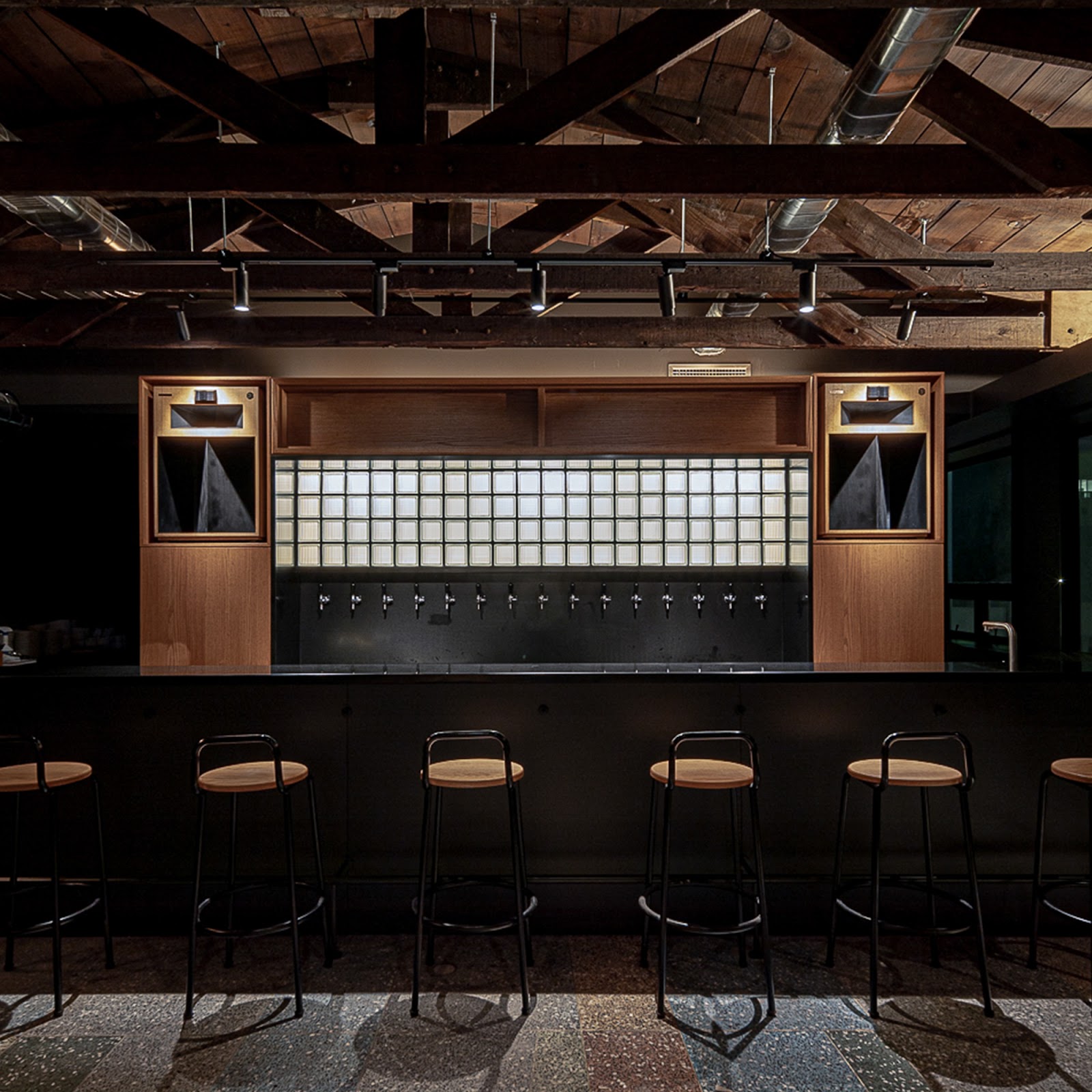
Euljiro by day and night are completely different neighborhoods. Visit only during the day or only at night, and you've seen half the story.
Day (2-5 PM): Factory sounds, workers at their craft, quiet cafes, perfect for alley exploration.
Night (7 PM onward): Neon signs, bustling bars and pubs, after-work crowds, hunting for hidden bars.
If possible, visit twice — weekday afternoon and Friday evening. Same alleys, different worlds.
Getting to Euljiro
Subway:
- Euljiro 3-ga Station (Line 2, Line 3) — Most recommended
- Euljiro 4-ga Station (Line 2, Line 5)
- The hottest zone lies between these two stations
Walking:
- Euljiro 3-ga ↔ Euljiro 4-ga: 8 minutes on foot
- Main alleys cluster between these stations
Parking:
- Street parking nearly impossible
- Euljiro Public Parking (underground) is an option
- But it fills fast on weekends. Public transit strongly recommended
Things to Watch Out For
Check Business Hours
Euljiro shops operate on wildly different schedules. Some open at 9 AM, others at 7 PM. Many require reservations.
Especially hidden bars like Inhyeon Golbang — 100% reservation required. Show up without one and they'll turn you away.
The Maze Factor
Euljiro is a labyrinth. Even Google Maps GPS gets confused here. Building numbers make no sense.
Getting lost is part of Euljiro's charm, but if you're on a tight schedule, it can stress you out. Build in extra time.
Weekend Crowds
Saturday afternoons get seriously crowded. Popular cafes have 30+ minute waits. Alleys are packed.
Weekday afternoons or Sunday mornings are far more relaxed. For the authentic Euljiro experience, weekdays are best.
Nearby Connections
After exploring Euljiro, these nearby spots work well for extended wandering.
Cheonggyecheon Stream (5 min walk)
- From Euljiro 3-ga Station to the stream in 5 minutes
- Nice streamside walk for a break
Gwangjang Market (10 min walk)
- Combine with a Gwangjang Market food tour
- From Euljiro to traditional market in one trip
Ikseondong (15 min walk)
- Ikseondong hanok cafe alleys
- Euljiro → Ikseondong route is very popular
Before You Visit
Best Times
- Best: Weekday afternoon 2-5 PM (quiet, ideal for exploring)
- Good: Friday evening 7 PM+ (nighttime Euljiro atmosphere)
- Avoid: Saturday afternoon (too crowded)
Budget
- Cafe: ₩5,000-8,000 ($4-6)
- Craft beer: ₩9,000-12,000 ($7-9)
- Beer alley dinner: ₩15,000-25,000 ($11-19)
- Daily budget: ₩30,000-50,000 ($22-38)
What to Wear
- Comfortable walking shoes essential (lots of alleys)
- Factory dust possible
- Many stairs — skip the heels
Frequently Asked Questions
Q: First time in Euljiro — where should I start?
Start at Euljiro 3-ga Station Exit 4. Navigate to Asoto Bakery first to get your bearings, then explore freely from there.
Q: How does Euljiro differ from Ikseondong?
Ikseondong features hanok cafe alleys. Euljiro is remodeled factory buildings. If Ikseondong feels traditional + refined, Euljiro feels industrial + hip.
Q: Is it okay to go alone?
Actually perfect for solo visits. Alley exploration, photography, reading in cafes — all work well solo. For evening bars, many require reservations, so check ahead.
Q: Best time for Euljiro photography?
Weekday afternoon 2-4 PM (side lighting) or evening 7-8 PM blue hour (neon + twilight sky). Weekends are too crowded for good shots.
Q: Is Euljiro Beer Alley the same as this Euljiro guide?
Yes, same neighborhood. Beer Alley focuses on traditional pojangmacha-style drinking spots. This guide covers all of Euljiro (cafes, bars, factory alleys, etc.). Read both for the complete picture.
Q: When is Euljiro getting redeveloped? Is it too late to visit?
Redevelopment has been discussed for years but nothing's finalized. The Cultural Heritage Administration is moving to designate parts of Euljiro as modern heritage sites. It's not too late — in fact, now is the most interesting time to visit, while old and new still coexist.
Euljiro is Seoul's most unique neighborhood. Past and present colliding to create something special. Aging factory buildings coexisting with hip cafes. Experience these alleys before redevelopment potentially erases them.