
Mullae-dong Art Village Guide 2025: Seoul's Montmartre Built by Ironworks
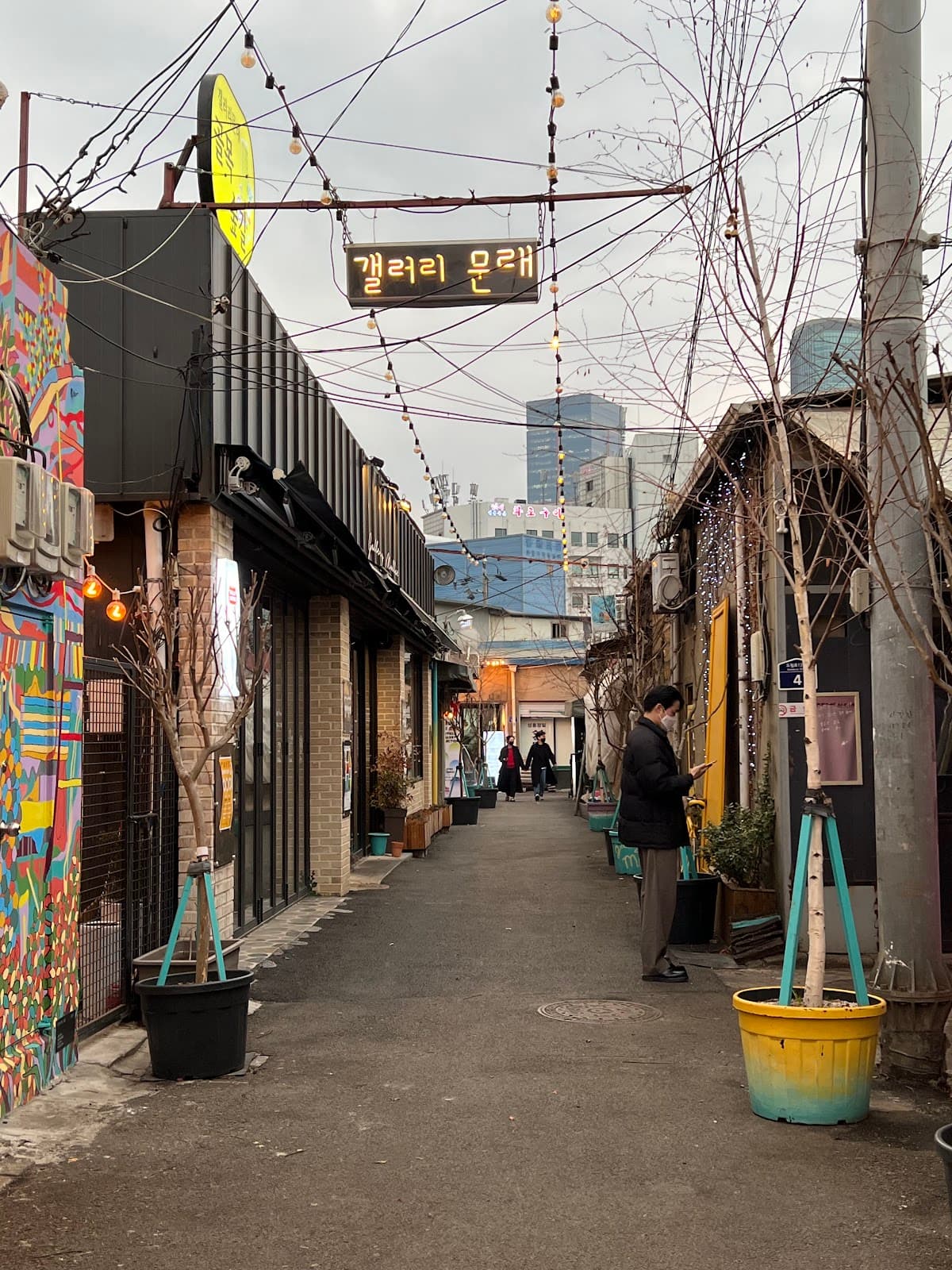
Fall 2018. I stumbled into Mullae-dong by chance. Walking from Yeongdeungpo Station into a narrow alley, I encountered an unfamiliar scene. Rusted iron gates, welding sounds, and banners peeking through between them. "Pottery Class," "Woodworking Workshop," "Painter's Atelier." How did a neighborhood full of ironworks transform like this?
After that day, I kept finding my way back to Mullae-dong. It was different from Seoul's other trendy neighborhoods. Not Seongsu's polished cafes, not Ikseon-dong's hanok charm. This was a place where the smell of living manufacturing mingled with artists' passion. Coffee being brewed beside welding sparks. Artists painting next to ironworks. This is the charm of Mullae Art Village.
From Factory Town to Art Village
Mullae-dong's story begins in the 1970s. Back then, Yeongdeungpo was Seoul's industrial heart, and Mullae-dong was where ironworks and metal processing factories clustered. Every narrow alley echoed with hammering, welding flames, and machine sounds that never stopped.
From the late 1990s, seeds of change appeared. Young artists seeking affordable rents started drifting into Mullae-dong one by one. Painters taking over second floors of ironworks buildings, sculptors turning empty spaces into galleries. Artists gathered here, using factory sounds as background music while creating their work.
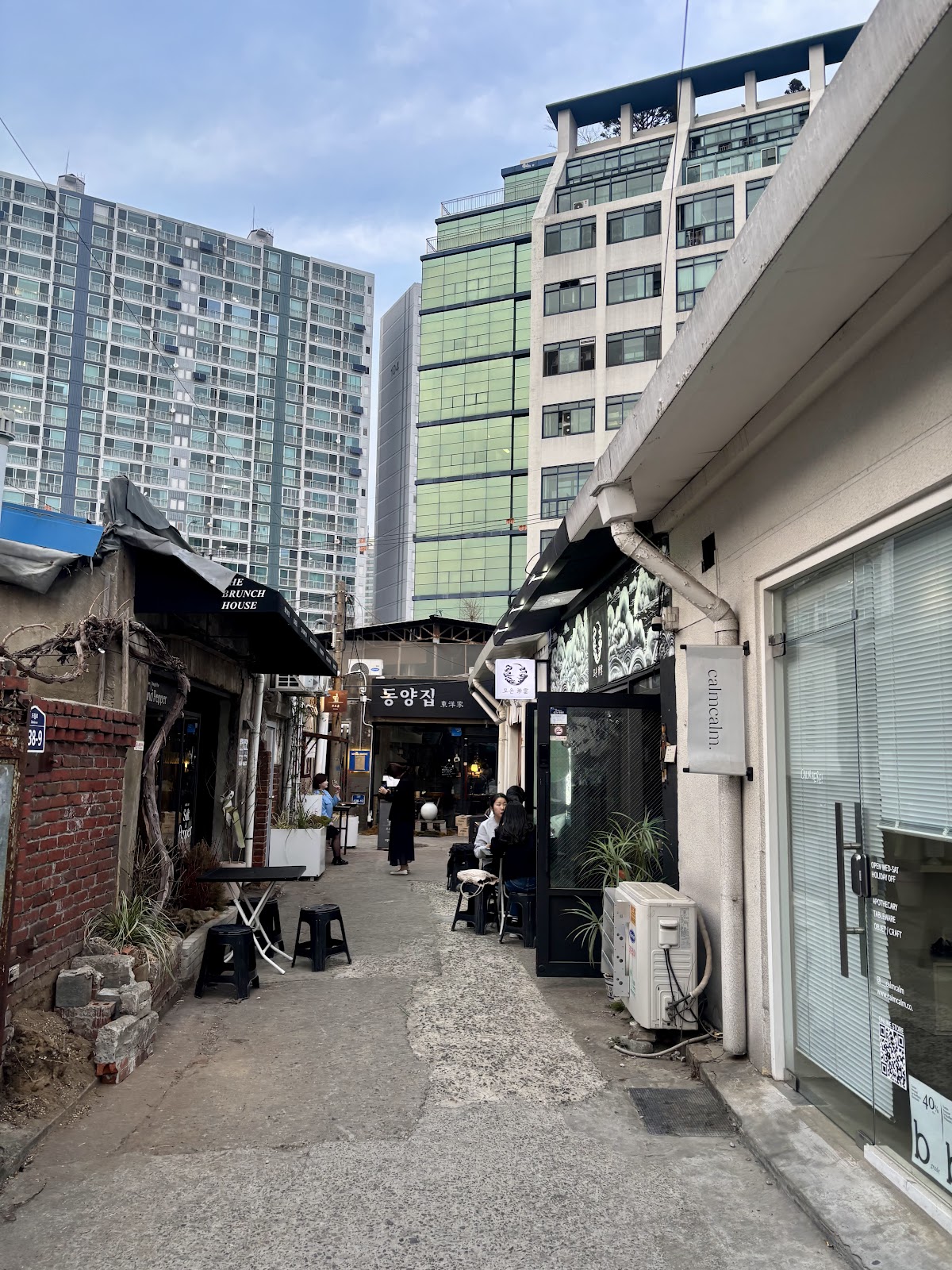
Acceleration came in the mid-2000s. In 2004, Mullae Art Village was officially named. But this wasn't a planned cultural district. It was an organic artist hideout. Factory owners and artists became neighbors—the only place in Seoul where this happened.
Cafes and restaurants began appearing one by one in the 2010s. But there was no large-scale redevelopment like in Seongsu or Ikseon. A cafe appeared beside an ironworks, benches in front of workshops. That's all. So Mullae maintains its old factory appearance.
Three Keywords to Read Mullae-dong
Welding Sparks and Canvases
The most striking scene in Mullae: an artist sketching beside a craftsman welding. On the first floor of a 40-year-old ironworks building, iron is still being cut and welded. Right above on the second or third floor, painters, sculptors, and ceramists have their studios.
Once I asked an ironworks owner, "Isn't it noisy having artists next door?" He laughed and replied, "Actually, I like it. Young people coming makes the neighborhood feel alive. Watching them make art puts me in a good mood too."
This coexistence makes Mullae special. Drinking coffee in a cafe, you see smoke rising from ironworks chimneys beyond the building. This feels different from Seongsu's polished factory rebirth. Mullae is where factories still operate, and art is made right beside them.
Workshops Hidden in Every Alley
To see Mullae properly, you must enter the alleys. The main street just looks like an ordinary residential area. But walk 10 meters into an alley, and the world changes.
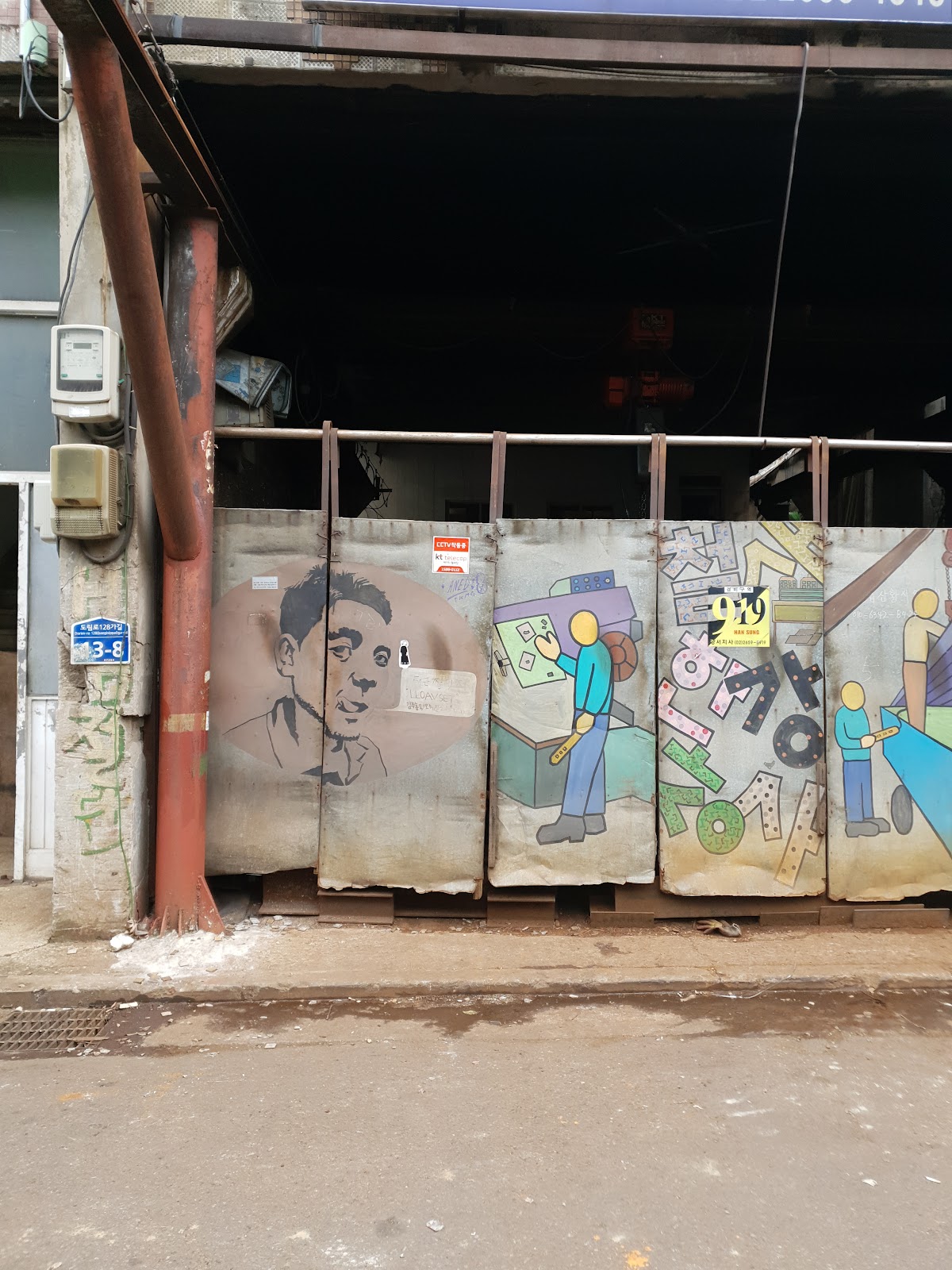
Pottery workshops run classes where you fire your own ceramics. Leather workshops host wallet and belt making sessions. Woodworking workshops let children carve chairs as they learn. Most workshops are reservation-only. That's what makes them special.
My tip for visiting Mullae: Check the posters at alley entrances. Workshop promos, exhibition announcements, open calls for classes. These are the map showing Mullae's true face.
Cafes Where Artists Gather
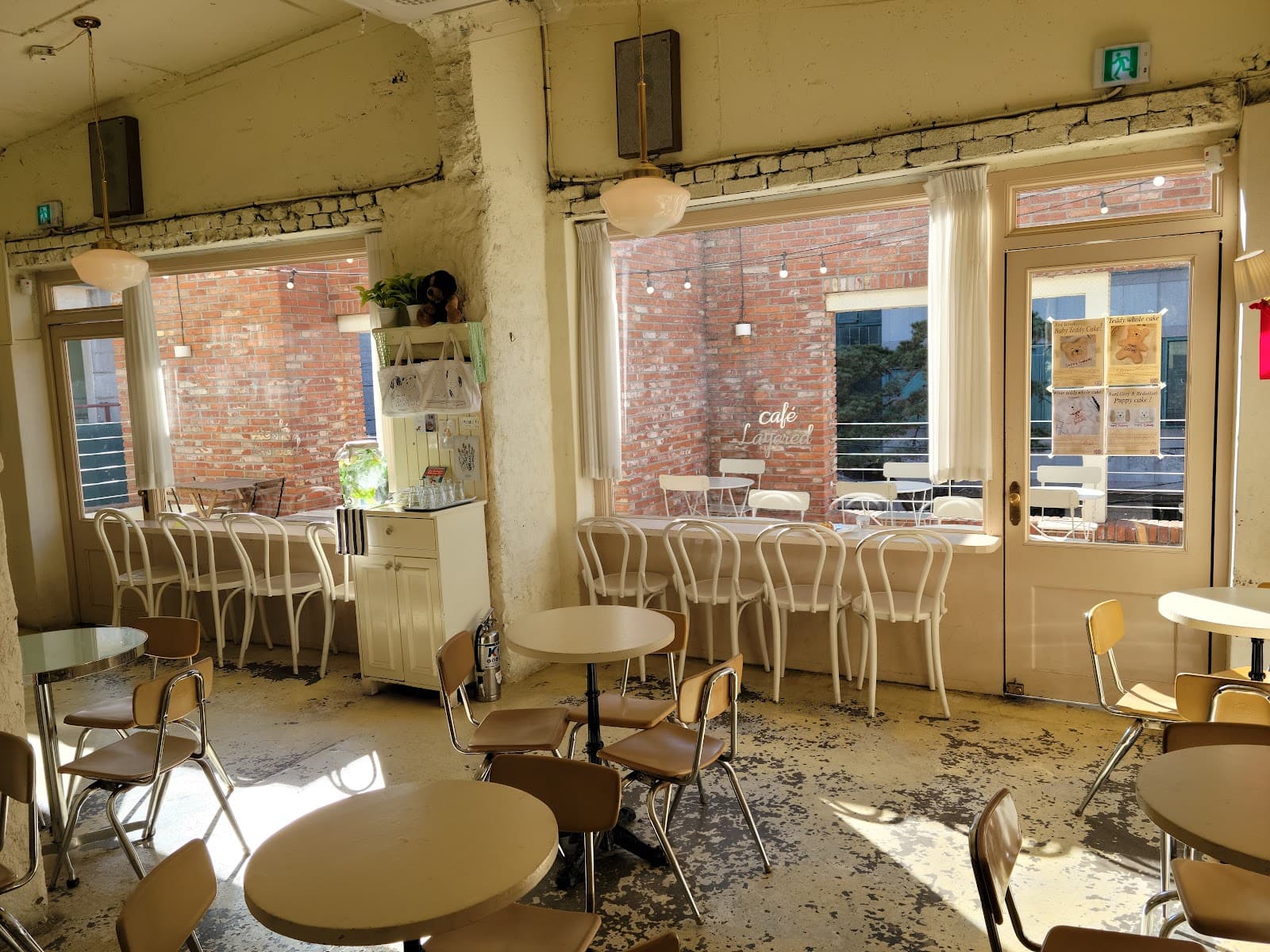
Mullae's cafes are different from other neighborhoods. Less about flashy interiors, more about spaces where artists can take breaks from working. Large tables, quiet music, and an atmosphere that makes you want to stay.
Mullae-dong Hotspots
Poetroom - A Poet's Room
Poetroom represents Mullae-dong. Opened in 2016, this cafe was made by remodeling an ironworks building. True to its name, it feels like a poet's room.
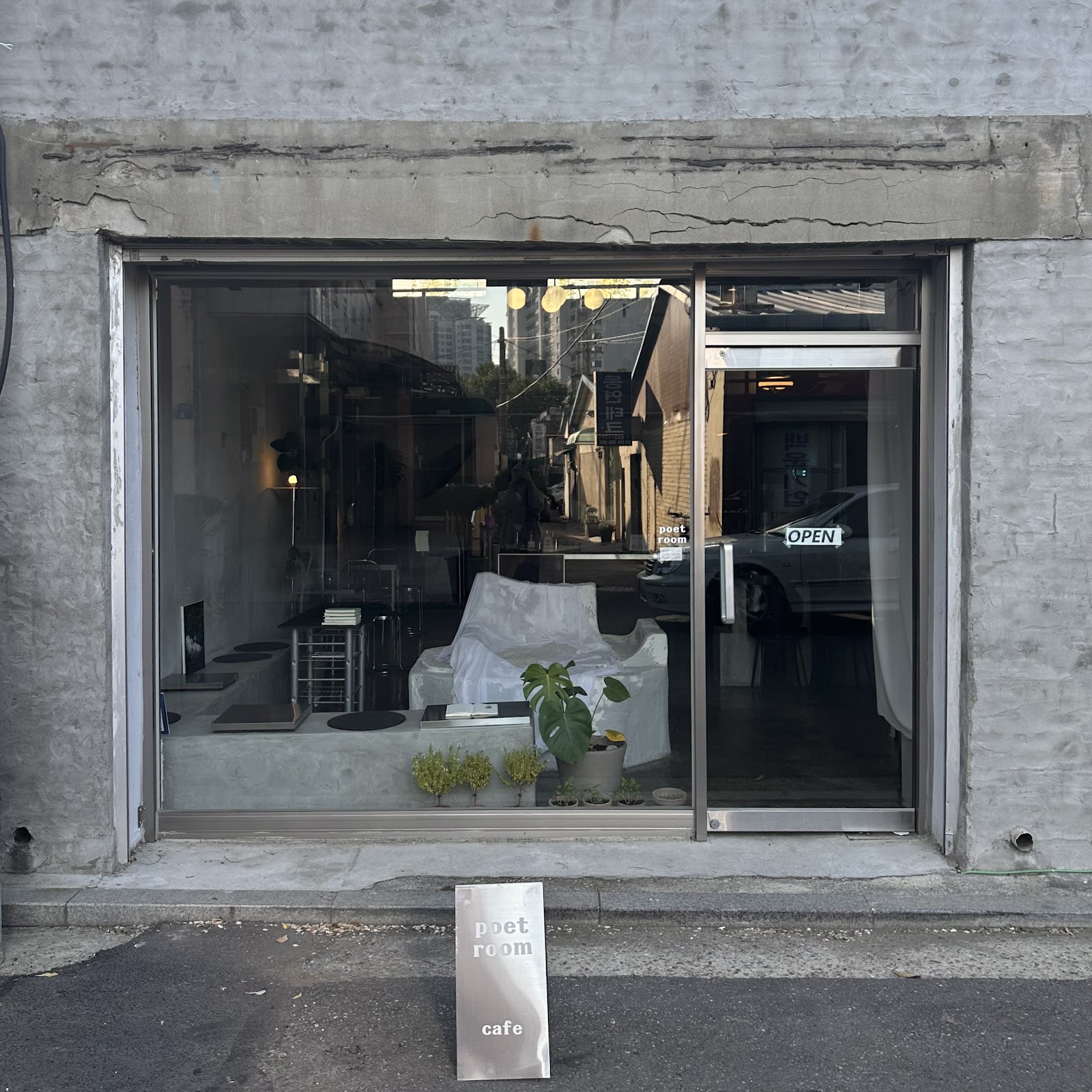
Exposed steel beams, weathered brick walls, vintage furniture placed throughout. Poetroom perfectly balances Mullae's industrial heritage with artistic sensibility.
Americano ₩5,500. Reasonable price. But the real charm is the atmosphere. Sit inside and you'll see artists finishing work and coming in for coffee. Most open laptops or sketchbooks. Poetroom is like these artists' living room.
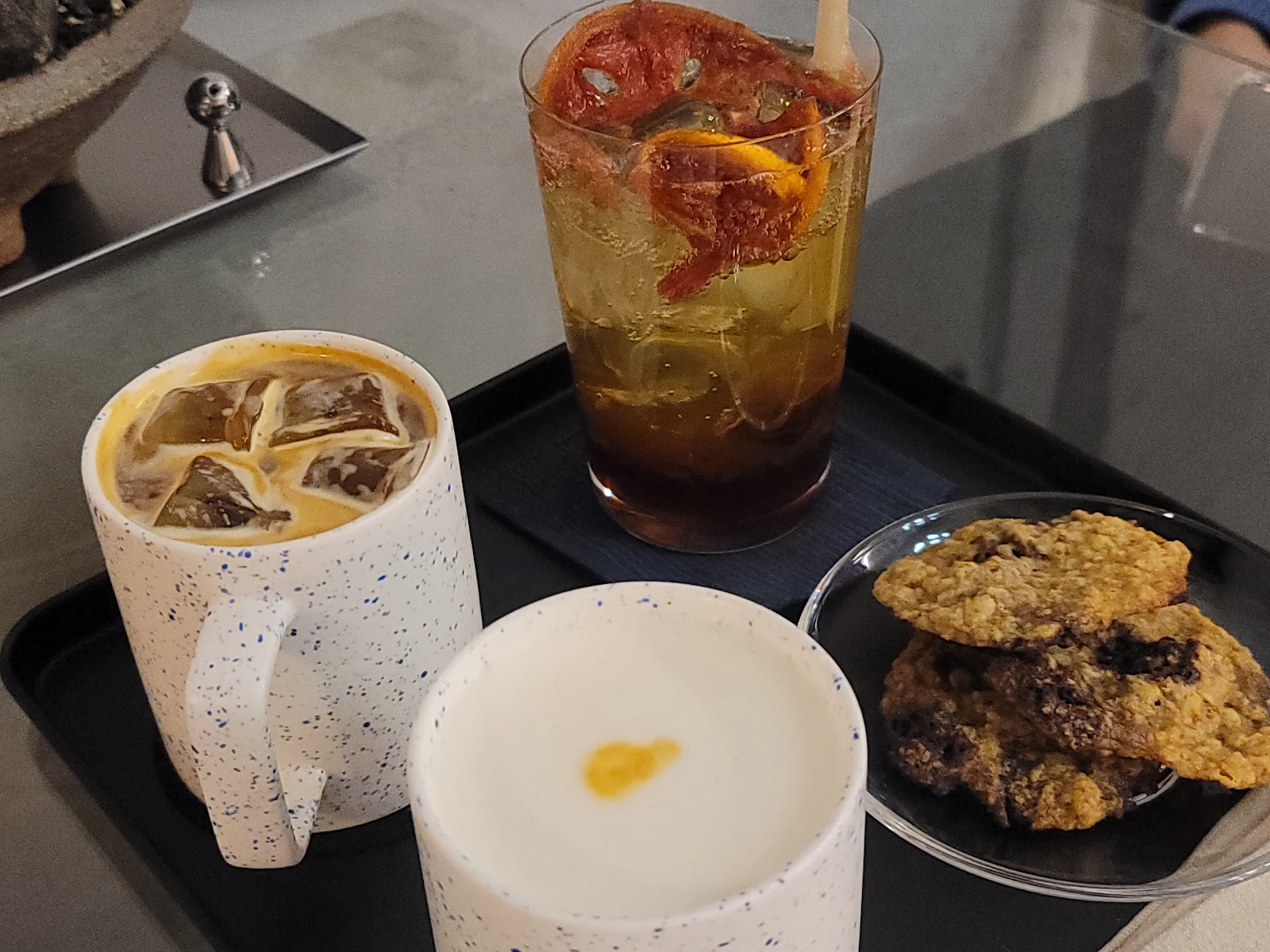
Weekdays 2-4 PM are quietest. weekday evenings bring murmur of artists gathering. Sit on the terrace gazing at Mullae alleys, and before you know it, the day has passed.
Pont Cafe - A Bridge Between Worlds
Pont Cafe is a charming spot near Mullae-dong Station. 'Pont' means bridge in French. True to its name, this place serves as a bridge between art and daily life.
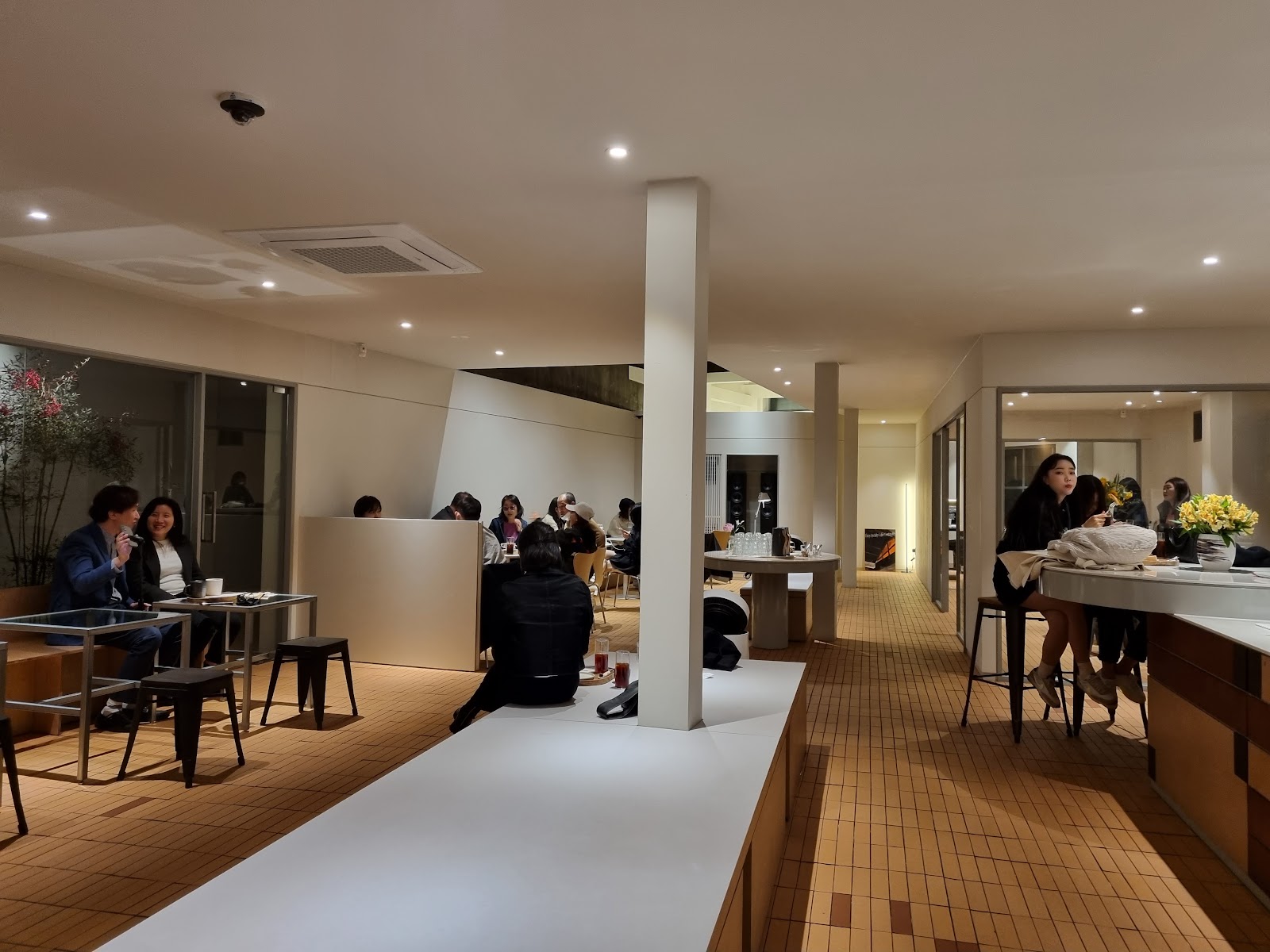
Pont's signature menu is handmade cakes and lattes. Cake ₩6,000, latte ₩5,500. Prices are reasonable but flavors are authentic. The owner makes cakes that change with the seasons—strawberry cake in spring, peach tart in summer, pumpkin pie in fall.
Many Mullae artists frequent Pont. Some come early with laptops, others arrive in the afternoon with sketchbooks. This is a space to pause work and catch your breath.
Verde Coffee - Green Sanctuary
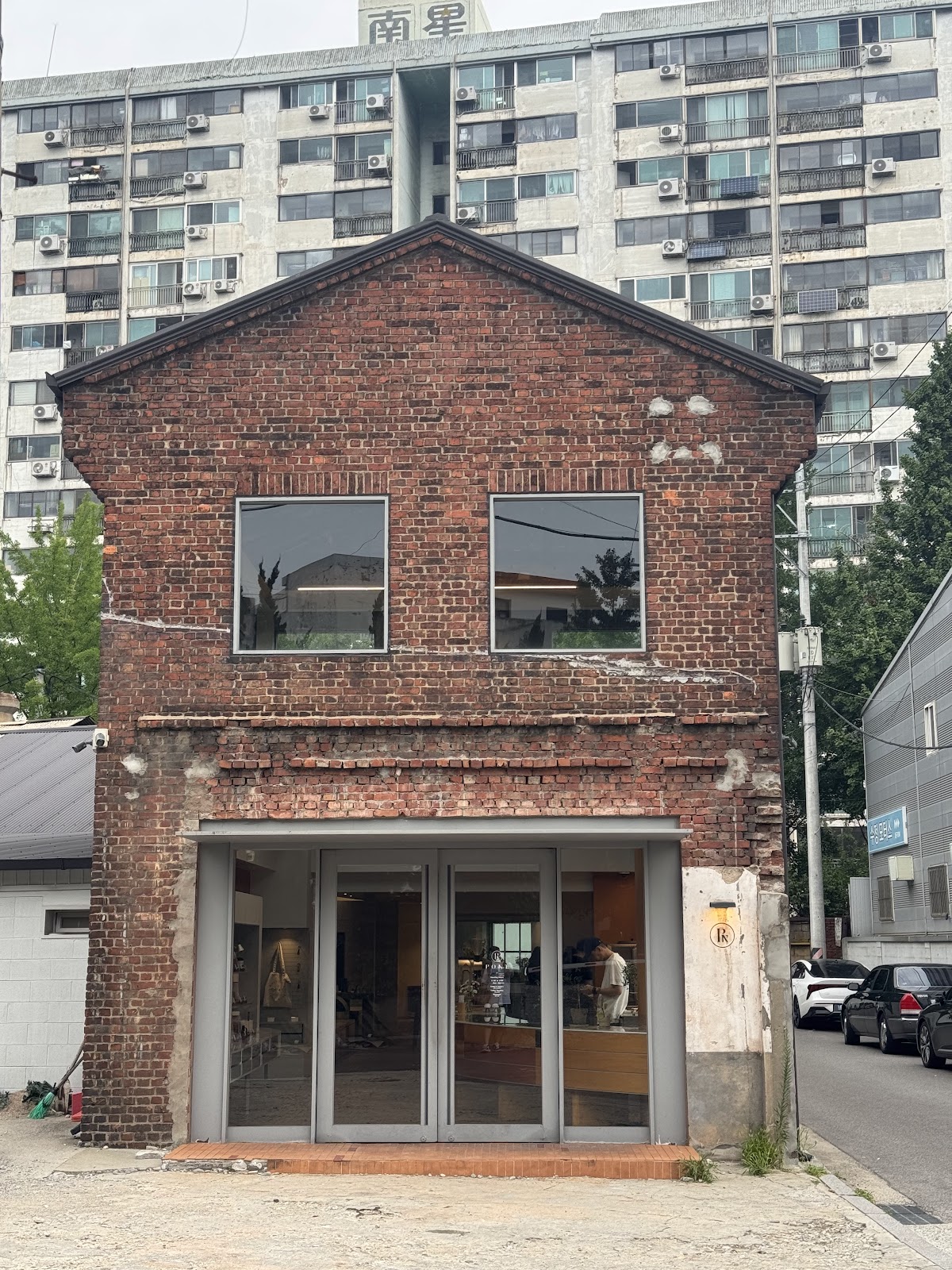
Verde Coffee is Mullae's hidden gem. A small building but with a garden-like atmosphere. 'Verde' means green in Italian.
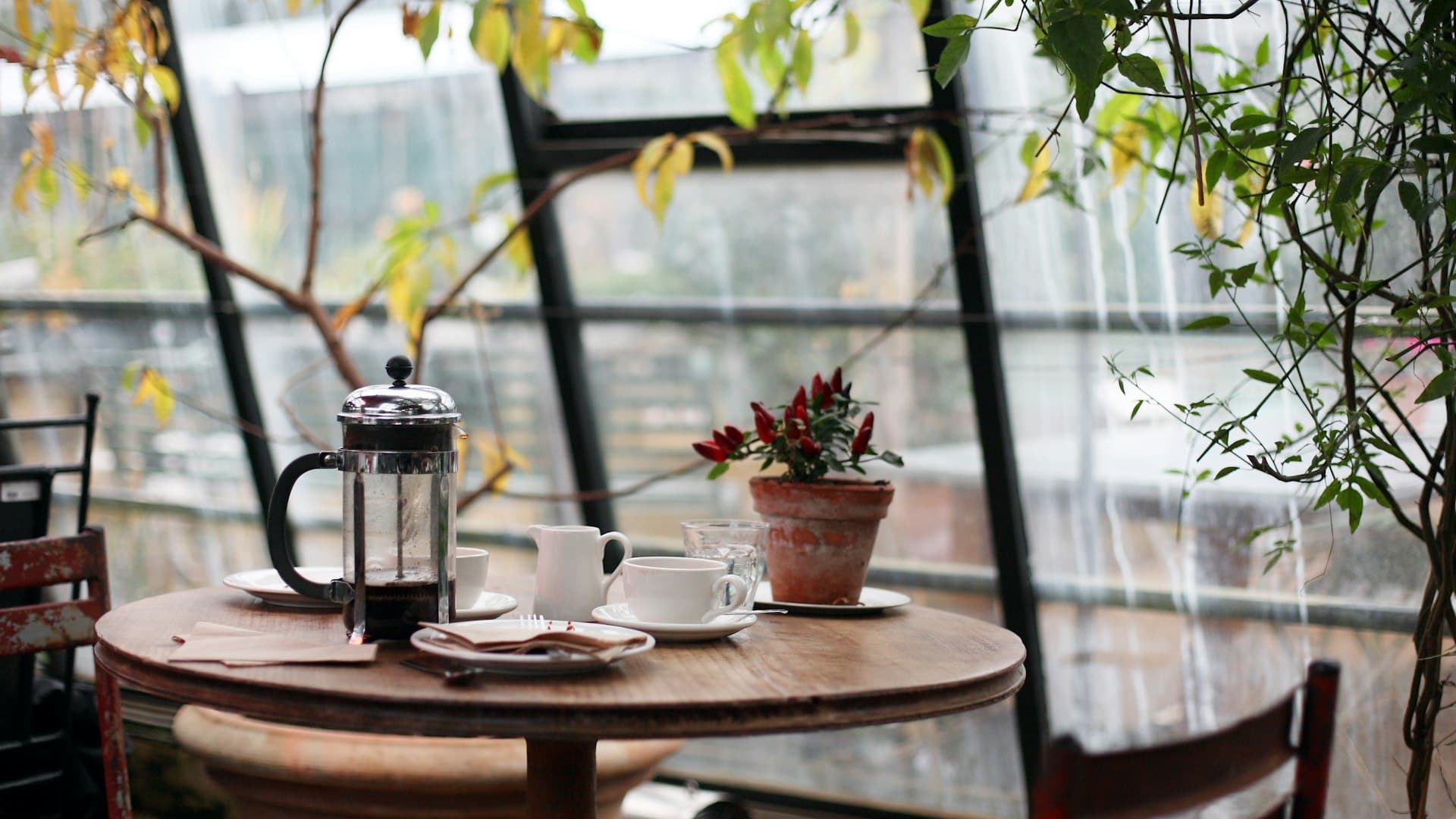
Pots sit at the cafe entrance, and inside, plants fill every corner. Sunlight streaming through large windows, shadows from green plants, and the aroma of fragrant coffee in between.
Verde is perfect for focused work. Fast Wi-Fi, plenty of outlets. But not so quiet it feels stiff. The cafe owner has curated music perfectly—jazz, classical, acoustic pop that melts into the background.
A Day in Mullae-dong
Let me share my recommended Mullae route.
10 AM - Alley Exploration
Exit Yeongdeungpo Station Exit 1 and walk toward Mullae-dong. Don't look at the map—just enter an alley. The moment you step into the first alley, you'll feel it. Ironworks sounds, welding smells, gallery entrances visible between them.
This time reveals Mullae best. Factories starting operations, artists entering their studios. You witness the neighborhood waking up.
12 PM - Workshop Experience
Join a pre-booked workshop class. Pottery, leather, woodworking—choose one. Classes cost ₩30,000-50,000 for 2-3 hours. The charm is taking home your own creation.
If no class, solve lunch at a nearby Mullae restaurant. The neighborhood has 30-year-old noodle houses, snack bars, and new Italian restaurants coexisting. My frequent spot is a ramen house from 30 years back. Factory owners come for lunch. Kimchi stew ₩7,000, ramen ₩5,000. Real local flavors.
3 PM - Cafe Tour
Start afternoon at Poetroom. A coffee and a slice of cake. Sit on the terrace gazing at Mullae alleys. Welding sounds drift from the next building. That sound is Mullae's soundtrack.
An hour later, move to Pont Cafe. If timing works, add cake. Or just a latte. The goal is enjoying the atmosphere.
Late afternoon, head to Verde Coffee. As the sun sets, plants cast long shadows. End your day here.
7 PM - Gallery Viewing
Mullae has countless galleries. Most open until 6-7 PM. If time permits, visit 2-3 small galleries. Many are free, paid ones ₩10,000-20,000.
Contemporary art, crafts, photo exhibitions. Various genres of work await. Gallery operators are often the artists themselves. Ask about the work, and they'll share fascinating stories.
How to Enjoy Mullae-dong Properly
Best Days to Visit
Tuesday-Thursday: Quietest. Good for alley exploration, cafes have plenty of seats.
Saturday afternoon: You can see artists working. But cafes might be crowded.
First and third Saturdays: Mullae Art Village hosts regular art markets. Artists sell works they've made directly.
Useful Tips
Reservation essential: Most workshop classes require booking. Inquire 1 week before visiting.
Comfortable shoes: Mullae requires walking. Many alleys and stairs. High heels not recommended.
Cash ready: Small workshops and restaurants might not accept cards.
Public transport: 10-minute walk from Yeongdeungpo Station Exit 1. Parking is difficult.
Watch welding work: Walking alleys, you'll see welding in progress. Don't get too close.
Recommended Courses
2-hour course: Poetroom → Pont Cafe → alley walk → 1 gallery
4-hour course: Morning alley exploration → lunch → workshop class → Poetroom → Pont Cafe → gallery tour
Full-day course: Morning workshop → lunch → afternoon cafe tour → evening exhibition viewing → Mullae Art Market (Saturday)
Mullae-dong's Future
In the early 2010s, Mullae was "Seoul's hidden secret." But starting in the 2020s, it's gained recognition. YouTube videos, Instagram posts, magazine articles introducing Mullae.
But Mullae won't transform rapidly like Seongsu or Ikseon. Why? Because factories still operate here, and building owners aren't interested in large-scale redevelopment.
This is Mullae's charm and Achilles' heel. Slow change preserving old appearance, but also criticism that too slow means no development.
But I think this slow transformation is Mullae's essence. Artists naturally gathering, factory owners accepting them, cafes emerging between them. Not planned redevelopment but organic evolution.
Found during my morning walk through Mullae-dong
"Sir, when did this ironworks start?" "When I was young. 40 years now." "Lots of cafes and galleries around. Doesn't it bother you?" "Not at all. Young people coming makes the neighborhood feel alive. I like it."
Summer 2024, conversation with an ironworks owner. He's been cutting iron here since the 1970s. A painter rents the second floor as a studio. They're landlord and tenant, but live like neighbors.
This is everyday life in Mullae. Neighborhood festivals where factory owners and artists participate together, outdoor exhibitions in alleys, small markets spreading in front of workshops. This is Mullae's true face.
Seongsu's flashy fashion, Ikseon-dong's sentimental hanok, Euljiro's retro sensibility. These are all trends, but Mullae is different. Beyond trends—a living neighborhood where art and manufacturing coexist.
Seoul's Montmartre. An art village built by ironworks. The story of welding sparks meeting canvases in Mullae-dong isn't over yet.