
Seoul's Creative Complexes 2026: Five Spaces Where Design Ambition Meets Cultural Community
Seoul's creative infrastructure extends well beyond the cafe circuit. Since the mid-2010s, a generation of developers, curators, and institutions has invested in environments where the distinctions between gallery, market, studio, and social space dissolve entirely. These complexes don't merely host culture — they embody it architecturally.
Five of the most compelling, organized by the design logic that defines each:
Container Culture: Understand Avenue
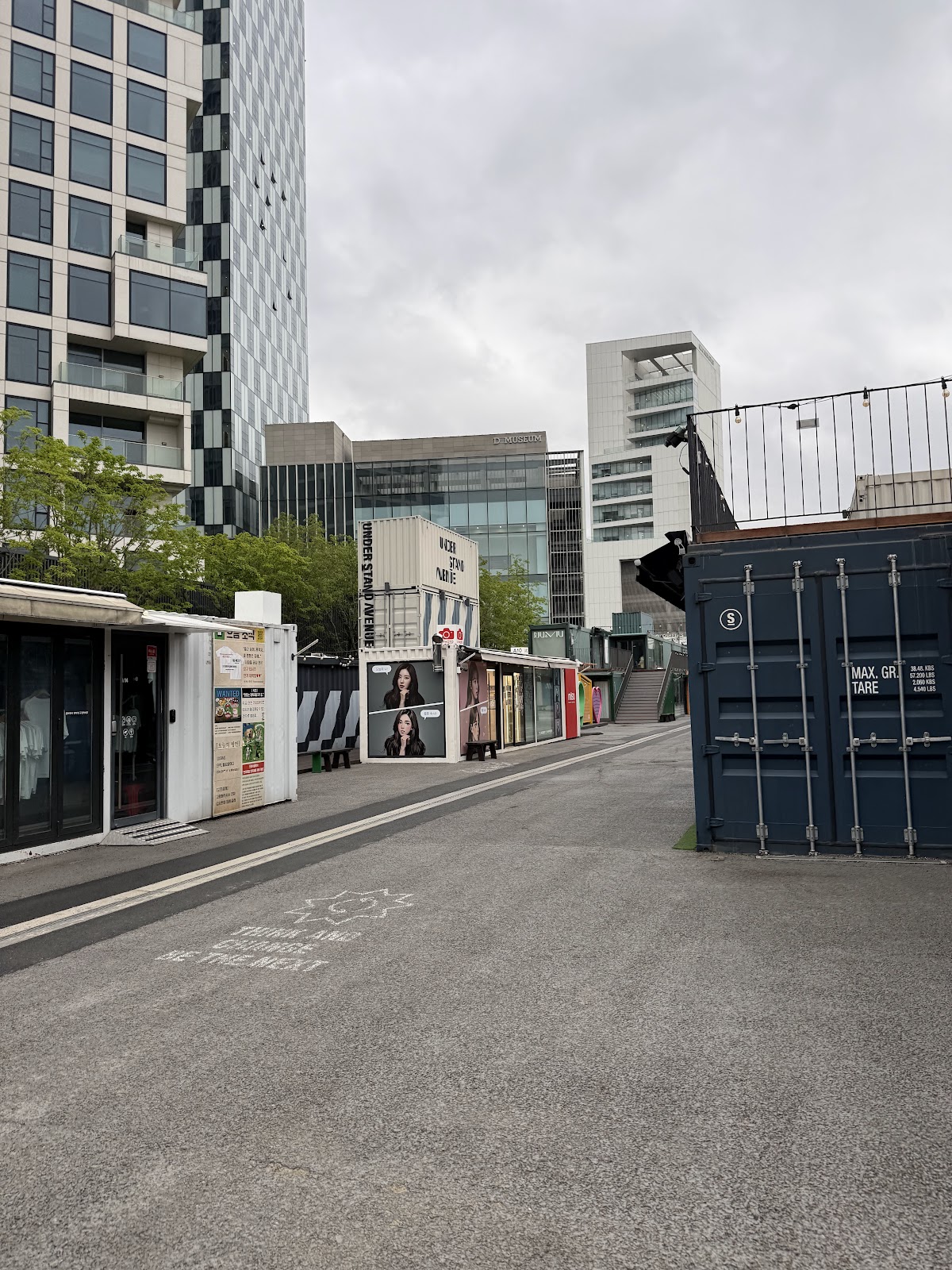
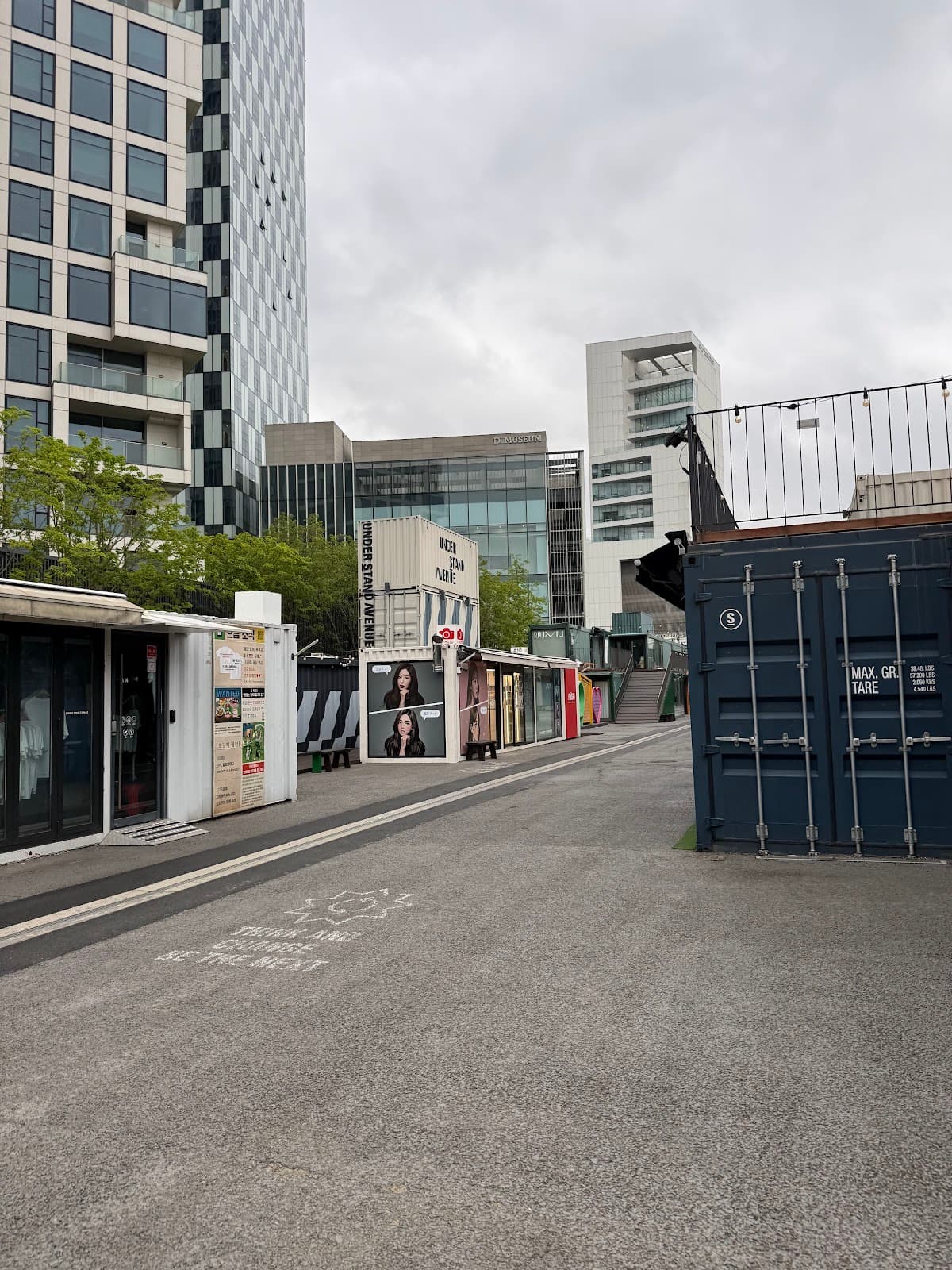
Understand Avenue answers a specific urban design problem: how to create commercial density in a neighborhood that prizes its industrial character. The solution — upcycled shipping containers arranged in a terraced configuration around a shared courtyard — refuses the conventional retail model without abandoning it entirely.
The material language is deliberate. Standard retail reaches for glass and polished concrete. Here, weathered steel and exposed structural joins form a visual argument about the ethics of construction. Container architecture, which originated in global port cities as a form of temporary urbanism, finds one of its more sophisticated Seoul applications here — not as a shortcut to industrial aesthetic, but as an honest inventory of what the site is.
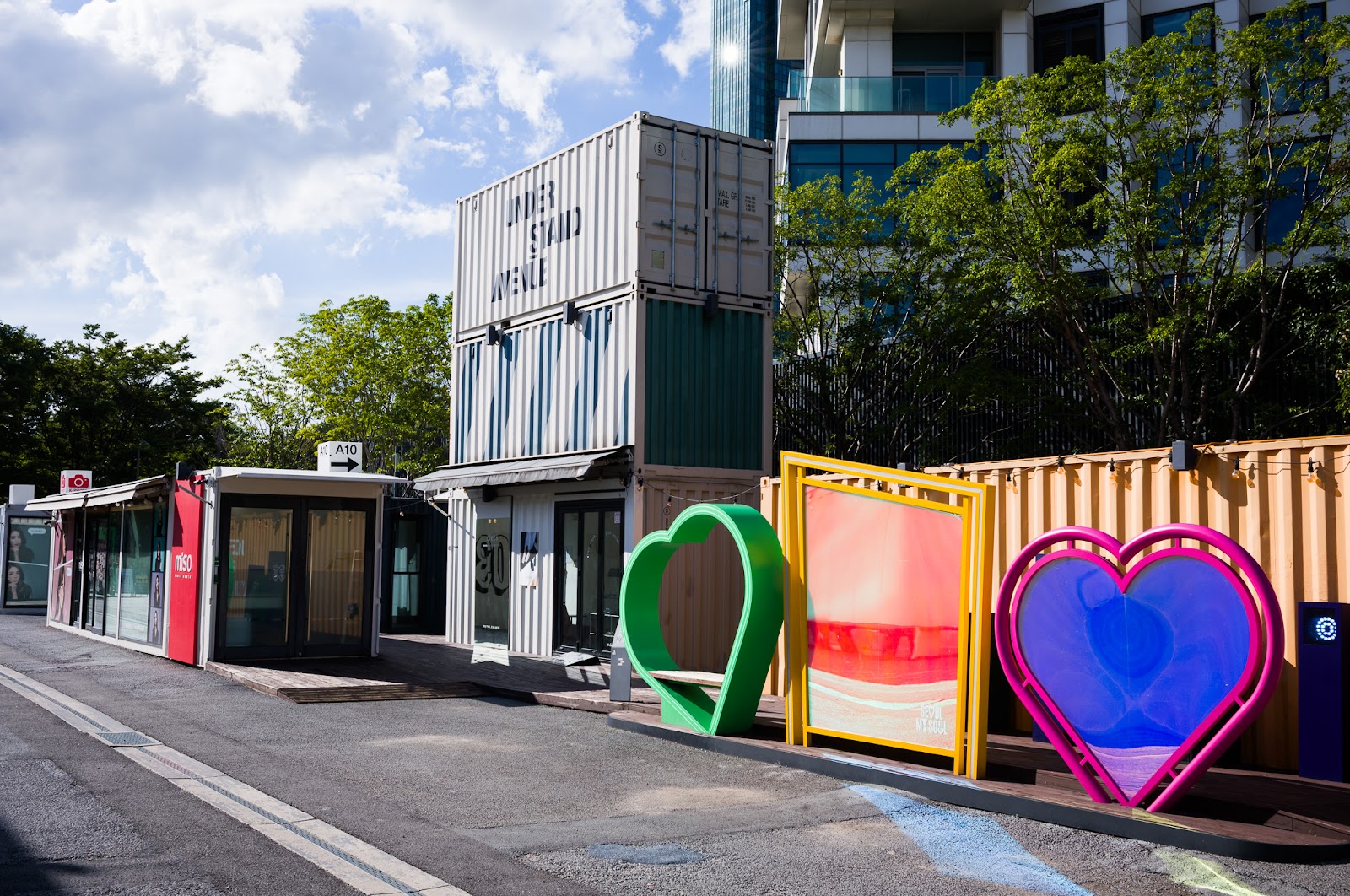
The programming tilts decisively independent: small-batch apparel labels, ceramics studios, plant shops, vinyl record sellers, a handful of design-conscious cafes. Unlike Seongsu's better-known coffee destinations, Understand Avenue rewards wandering over destination-seeking. The complex changes seasonally — pop-up residencies cycle through, and the courtyard becomes one of the neighborhood's more atmospheric outdoor gathering spaces in spring.
The complex functions as a social ecosystem as much as retail. Afternoons draw a mix of designers, students, and international visitors, producing the unplanned encounters that planned creative districts often fail to generate.
- Address: 30 Hanyangdaero 4-gil, Seongdong-gu, Seoul
- Hours: Varies by tenant; typically 11:00–21:00, most spaces closed Monday
- Admission: Free
- Access: Seoul Forest Station (Bundang Line), Exit 4, 5-minute walk
The Converted Ring: Yeonmujang
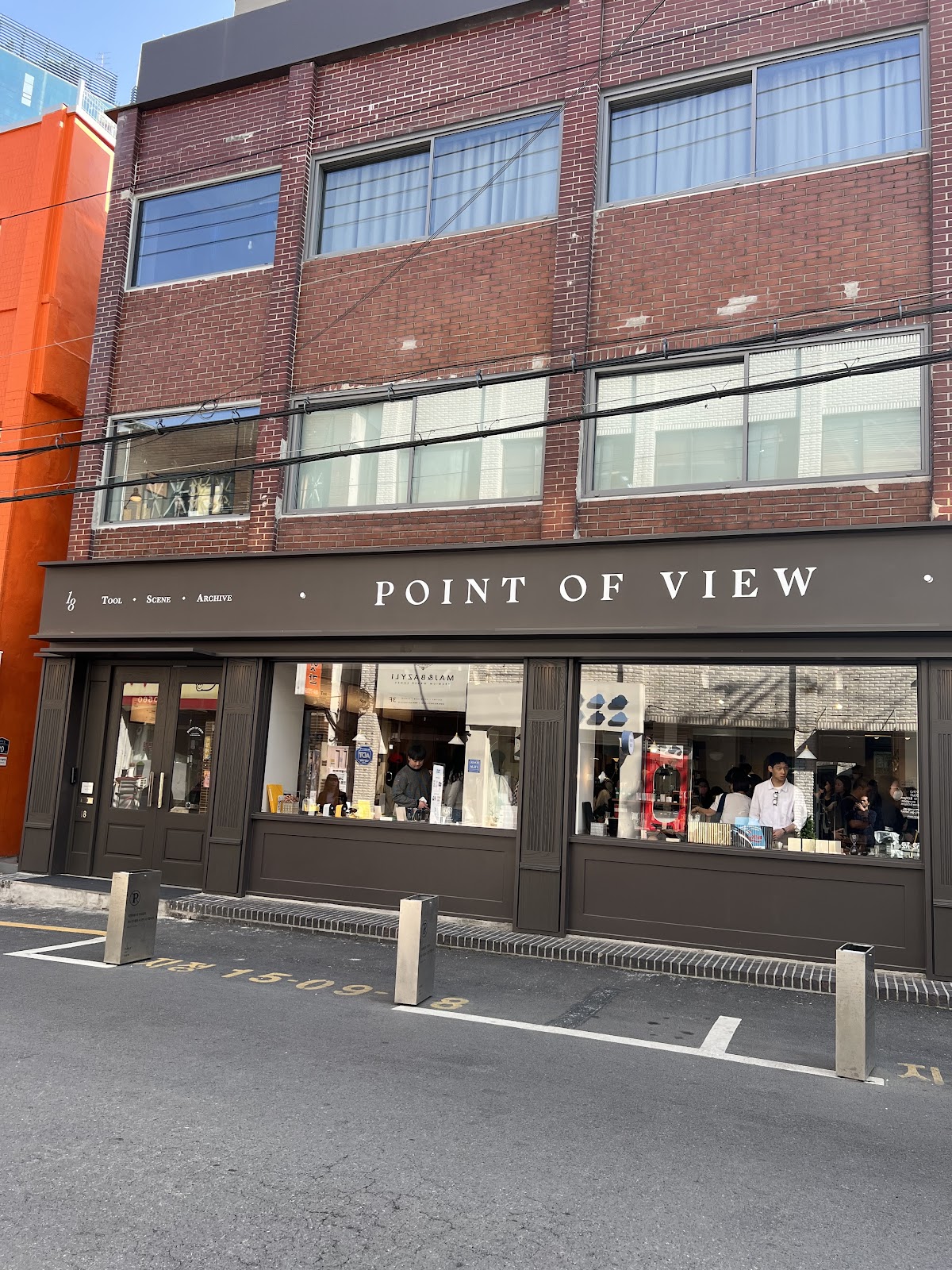
Yeonmujang (연무장, "training hall") was a boxing gymnasium for decades. The conversion decision was deliberately minimal.
The original gym infrastructure remains almost entirely intact: the high industrial ceiling, the worn wooden floor, the ring position still visible in the main hall. The intervention was primarily programmatic rather than spatial — booking systems, permits, kitchen infrastructure. The choice to leave the bones visible makes a different argument than the usual adaptive reuse playbook. Rather than the building becoming a backdrop for something else, the building is the experience.
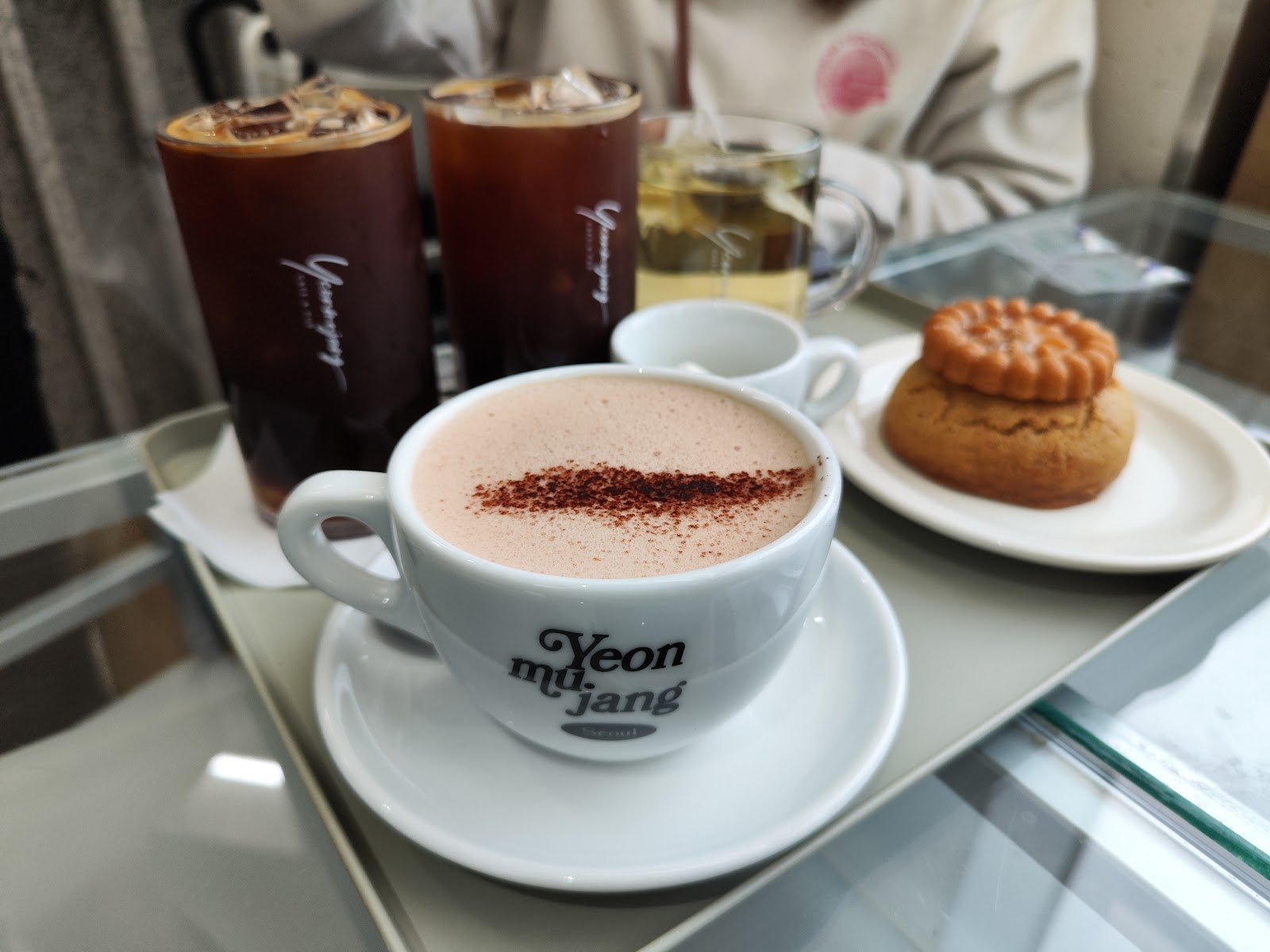
The programming is deliberately eclectic: brand presentations, product launches, music performances, exhibition openings, fashion events. The spatial quality is consistent regardless — the industrial volume absorbs and amplifies simultaneously. Photography of any event staged here tends toward the exceptional, which explains the venue's continued high-profile bookings.
For visitors: Yeonmujang is an event venue, not a permanent gallery. Check the schedule before visiting — when dark between events, the space is not open for general exploration.
- Address: 35-14 Seongsuil-ro 4-gil, Seongdong-gu, Seoul
- Hours: Event-dependent; check schedule via Naver or Instagram
- Admission: Varies by event (some free, some ticketed)
- Access: Seongsu Station (Line 2), Exit 4, 8-minute walk
The Photographer's Museum: Daelim Museum
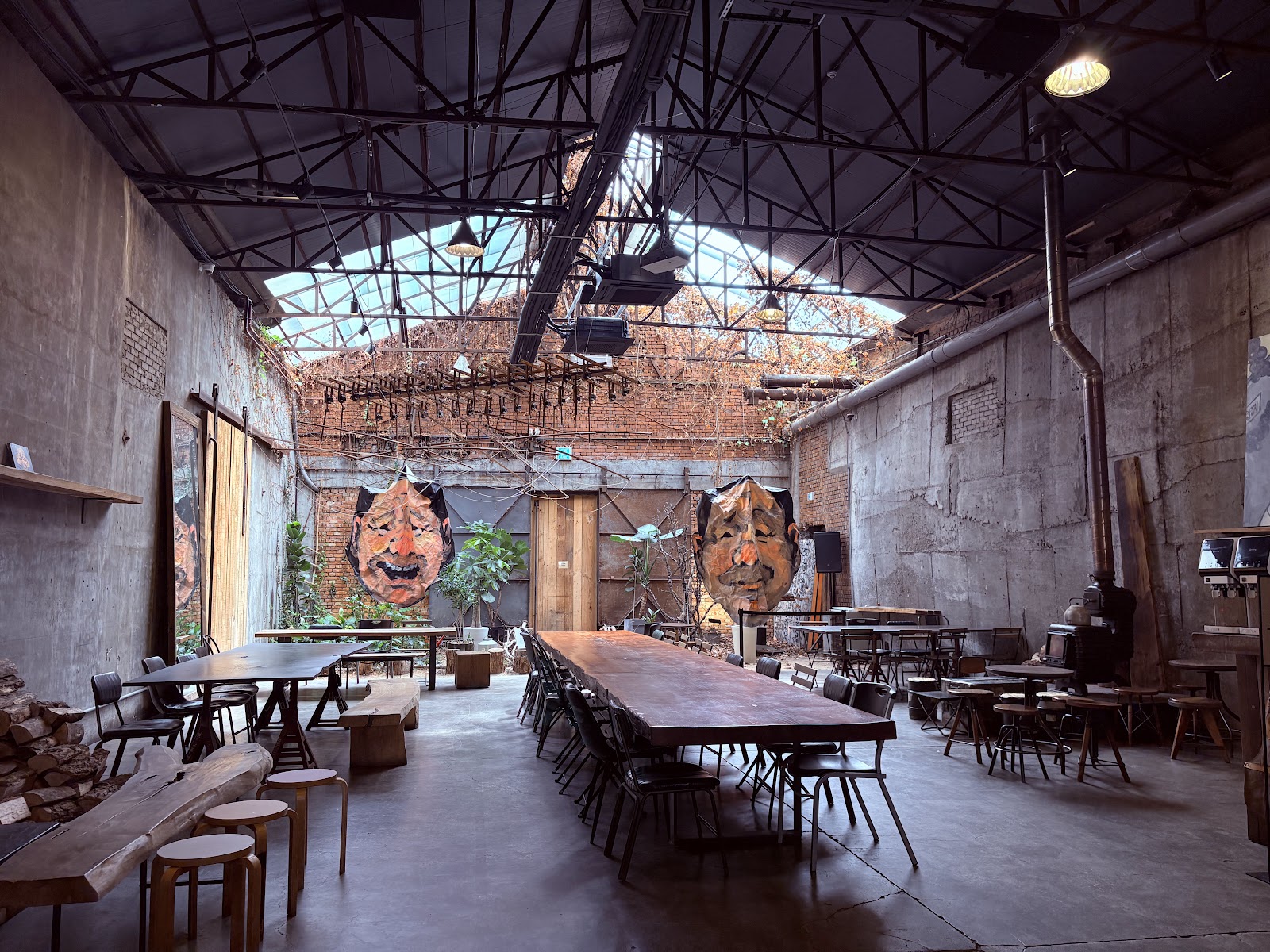
The Daelim Museum in Tongin-dong occupies a former industrial warehouse west of Gyeongbokgung Palace. Its programming niche is specific and consistently maintained: photography-based exhibitions, design culture, and the intersection of fashion and contemporary art.
This specificity in programming has produced a corresponding specificity in audience. Where Seoul's larger institutions draw generalist visitors, the Daelim attracts practitioners — photographers, designers, students from nearby art schools. Past exhibitions have included major survey shows of Helmut Newton and Karl Lagerfeld, alongside a series of Korean fashion photographers whose work rarely appears in institutional contexts.
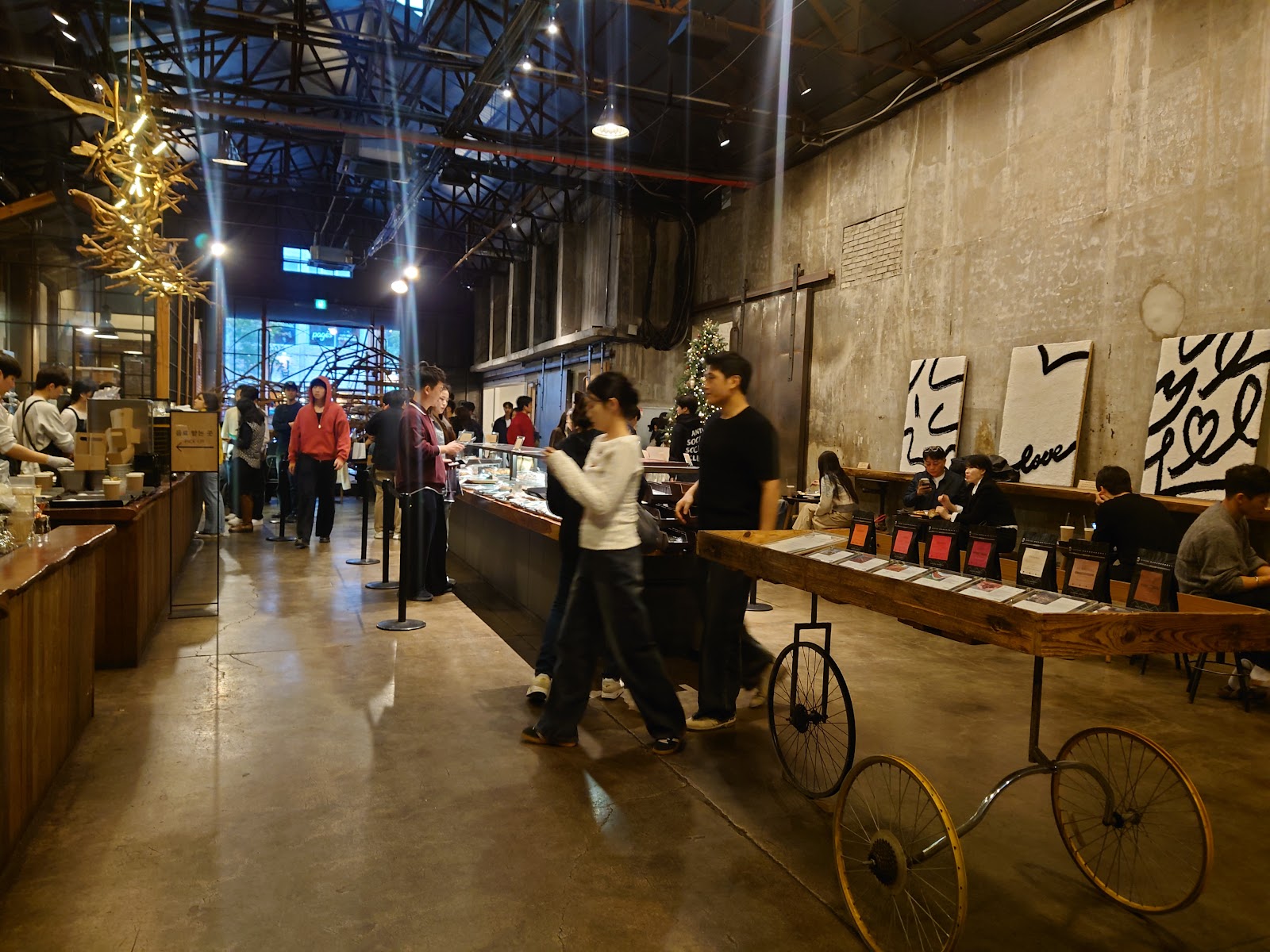
The building reinforces the institutional sensibility. The converted warehouse exterior — high clerestory windows, brick facade — is underdone by Seoul gallery standards. Inside, the ceiling heights are exceptional, and the conversion maintains the industrial volume while achieving the light control necessary for serious photographic exhibitions.
The adjacent Daelim Changgo (창고, warehouse) functions as an annex, used for smaller exhibitions, pop-up programs, and events. Together they form one of Seoul's most coherent gallery complexes west of the city center.
- Address: 37 Jahamun-ro, Jongno-gu, Seoul (Tongin-dong)
- Hours: Tue–Sun 10:00–18:00
- Admission: ₩8,000 adults, ₩5,000 students; free on the last Wednesday of each month
- Access: Gyeongbokgung Station (Line 3), Exit 2, 15-minute walk
White Cube, Refined: PKM Gallery
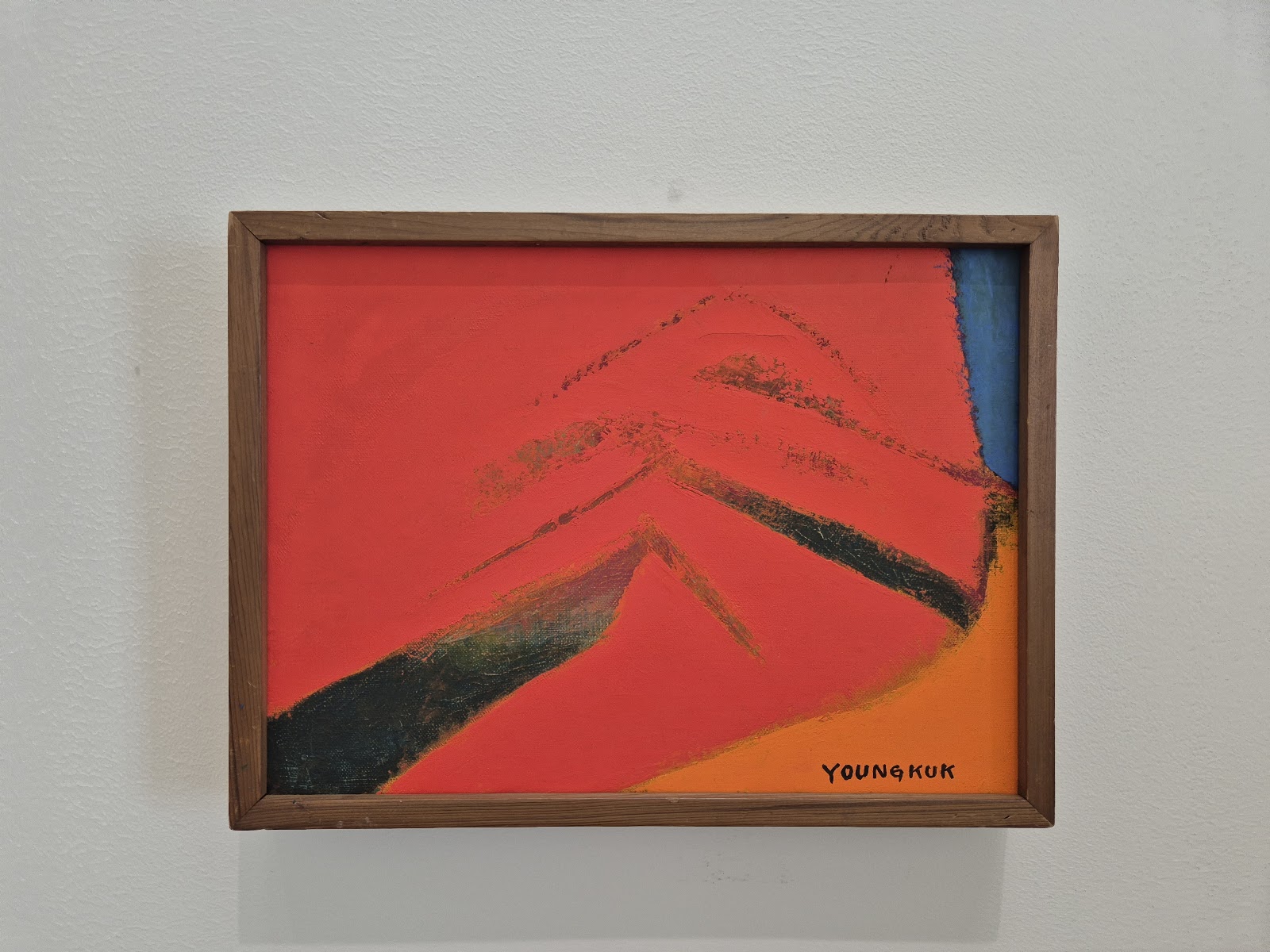
PKM Gallery represents something specific in Seoul's gallery ecology: an internationally oriented commercial gallery with genuine critical standing. Founded in 2001, it programs artists of international caliber alongside Korean contemporary figures — and does so in a space whose design refuses ostentation.
The Samcheong-dong building is a study in proportional control. High ceilings, white walls, and large gallery volumes create conditions in which the art behaves as intended. There are no architectural gestures competing for attention. This restraint is itself a design position — unusual in Seoul, where galleries frequently deploy their buildings as cultural performance.
Past exhibitions have included significant works by Louise Bourgeois and Ellsworth Kelly alongside major positions in Korean abstract and conceptual art. The gallery's programming regularly surfaces Korean artists of international significance who remain underexposed in English-language art media.
Samcheong-dong's gallery district extends for several blocks in either direction. A weekend afternoon walk between PKM, Gallery Hyundai, and the smaller independent spaces creates a gallery circuit that rivals most international art districts in density and quality.
- Address: 40 Samcheong-ro, Jongno-gu, Seoul
- Hours: Tue–Sat 10:00–18:00
- Admission: Free
- Access: Anguk Station (Line 3), Exit 1, 12-minute walk north
The Radical Clinic: Arario Museum in Space
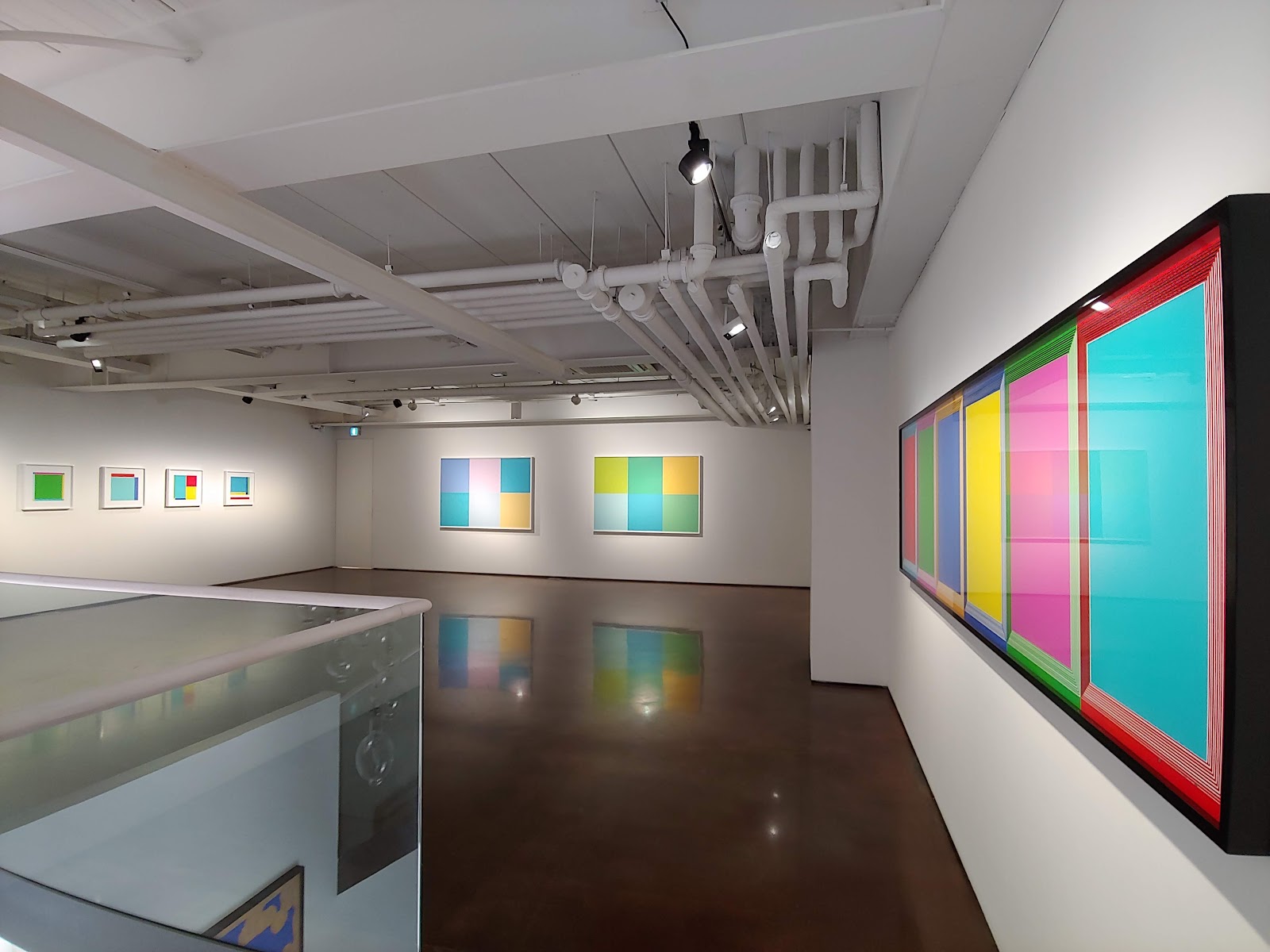
Arario Museum in Space (공간) occupies one of Seoul's most architecturally significant buildings: Space Group's 1977 headquarters in Jongno, designed by Kim Swoo-geun. The building is itself a masterwork — brick courtyards, unusual spatial sequences, levels that open and compress unexpectedly. Kim Swoo-geun is considered the most important Korean architect of the 20th century, and this is among his most resolved statements.
Arario Corporation purchased and converted the building to gallery use in 2014. The decision to prioritize preservation over adaptation is what makes the result extraordinary. The intervention is surgical: contemporary art from the Arario Collection is placed within spaces that already possess strong spatial character. The outcome is a conversation between a historic building and a curated collection, rather than either dominating.
The collection is notable in its own right. Arario has spent decades acquiring significant positions in Arte Povera, German Neo-Expressionism, and Korean contemporary art. Works by internationally significant artists occupy rooms that carry their own architectural authority — the encounter between the two is the point of the visit.
- Address: 83 Yulgok-ro, Jongno-gu, Seoul
- Hours: Tue–Sun 10:00–19:00
- Admission: ₩8,000 adults, ₩5,000 students
- Access: Anguk Station (Line 3), Exit 3, 5-minute walk
Before You Visit
Combining locations: The Seongsu cluster (Understand Avenue + Yeonmujang) makes a natural half-day — both are walkable from each other and accessible via Line 2 or the Bundang Line. The Samcheong-Jongno cluster (PKM Gallery + Arario Museum) suits another half-day. Daelim Museum sits between worlds, about 20 minutes on foot west of Gyeongbokgung.
Timing: Understand Avenue is most atmospheric on late weekend afternoons when foot traffic builds and the courtyard fills. PKM Gallery is quietest Tuesday and Wednesday mornings. Daelim Museum's free day (last Wednesday of the month) draws crowds — morning visits on any other day are quieter.
Photography: Understand Avenue is designed for it with essentially no restrictions. Yeonmujang's policy depends on the event. Daelim Museum and Arario restrict photography in certain gallery zones — check at the entrance.
Between neighborhoods: Seongsu to Samcheong requires a transit change — Line 2 to Line 4 via Dongdaemun History & Culture Park, or a taxi (approximately ₩12,000–15,000). Kakao T provides reliable booking.
@minjicurates — follow for design-forward Seoul curation