The noodle broke cleanly between my chopsticks. Hot broth flooded my mouth, and that nutty wheat aroma hit me instantly. That's when I got it. This is what real hand-cut noodles taste like.
Ten years I've been hunting down Seoul's noodle houses. Noodles rolled by hand, cut with a knife, boiled fresh to order—no machine can replicate that texture and taste.
Why Hand-Cut Matters
Scattered across Seoul are noodle masters who've been making the same thing for decades.
Grandmothers kneading dough every morning. Aunties cutting noodles with precise rhythm. People who know exactly when to drop noodles into boiling broth—timing ingrained in muscle memory.
Hand-cut noodles are thick and irregular. Some strands are fat, others thin. This irregularity creates texture variety in every bite. You get chewy and soft in the same bowl.
Seoul's Noodle Universe: Complete Style Guide
Kalguksu - The Heart of Hand-Cut Noodles
Kalguksu is Seoul's noodle soul.
Wheat dough rolled flat, cut with a knife into thick, chewy strands. The name literally means "knife noodles"—cut with a blade. The broth is rich and savory, usually anchovy-based.
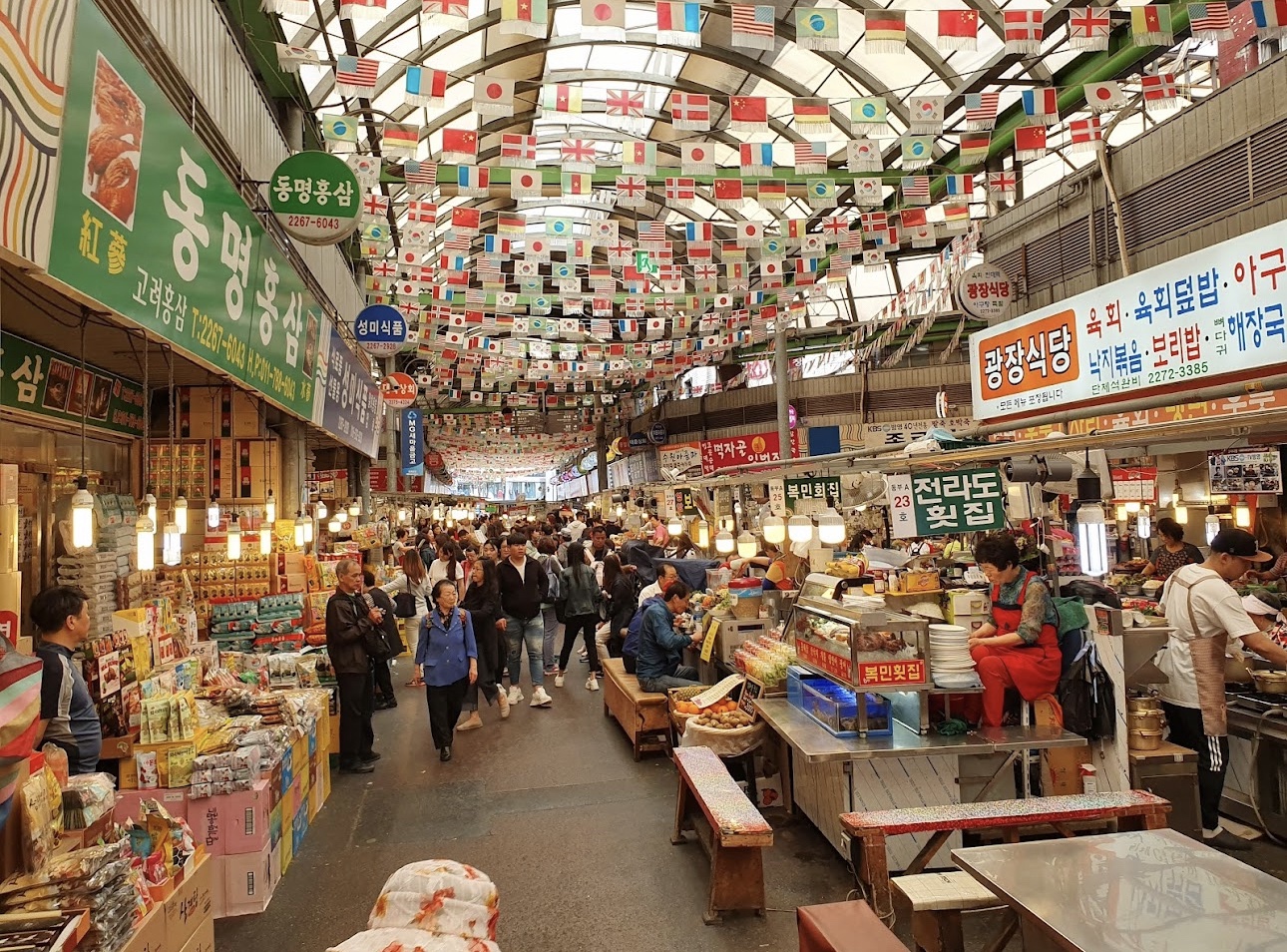
Where to eat: Myeongdong Kalguksu (Myeongdong), Gwangjang Market noodle alley, Dongdaemun Jinju-jip
My favorite spot is Gwangjang Market. Massive pots bubble with broth, and when you order, they slice noodles fresh and drop them in. Three minutes later, steam rises from your bowl.
Take a bite and the noodles resist your teeth—that perfect chewy texture. The broth, simmered from anchovies and kelp, has this deep umami punch. Add chili powder for heat.
Price: ₩7,000-9,000 ($5-7) Best timing: Lunch rush (12-2pm) - noodles taste best fresh-cooked Pro tip: Eat with kimchi. The sourness cuts through the rich broth perfectly.
Naengmyeon - Ice-Cold Refreshment
Summer means naengmyeon. Actually, winter naengmyeon hits different too.
Seoul has two naengmyeon styles. Pyongyang-style (mul-naengmyeon) in cold broth, and Hamhung-style (bibim-naengmyeon) tossed in spicy sauce.
Pyongyang naengmyeon: Dongchimi radish water broth, buckwheat noodles that snap when you bite. The flavor is delicate and subtle.
Hamhung naengmyeon: Mixed with spicy-sweet gochujang sauce. Potato starch noodles give it that bouncy, chewy texture.
First time I tried Wooraeo
k's Pyongyang naengmyeon, I thought "Wait, this is it?" So subtle. But by the end of the bowl, my mouth felt refreshed and my stomach settled.
Where to eat:
- Pyongyang: Wooraeok (Jung-gu), Eulji Myeonok (Eulji-ro)
- Hamhung: Ojang-dong Hamheung Naengmyeon (near Gwangjang Market), Pyongyang Myeonok
Price: ₩12,000-16,000 ($9-12) Ordering tip: For Pyongyang naengmyeon, ask them to cut the noodles shorter (myeon jjalpge) if it's your first time. Makes eating easier.
Janchi-guksu - Warm Comfort in a Bowl
Janchi-guksu shows up at Korean weddings and celebrations. But these days you can get it anytime.
Thin wheat noodles in warm anchovy broth, topped with seaweed strips and egg. Perilla oil gives it that nutty aroma.
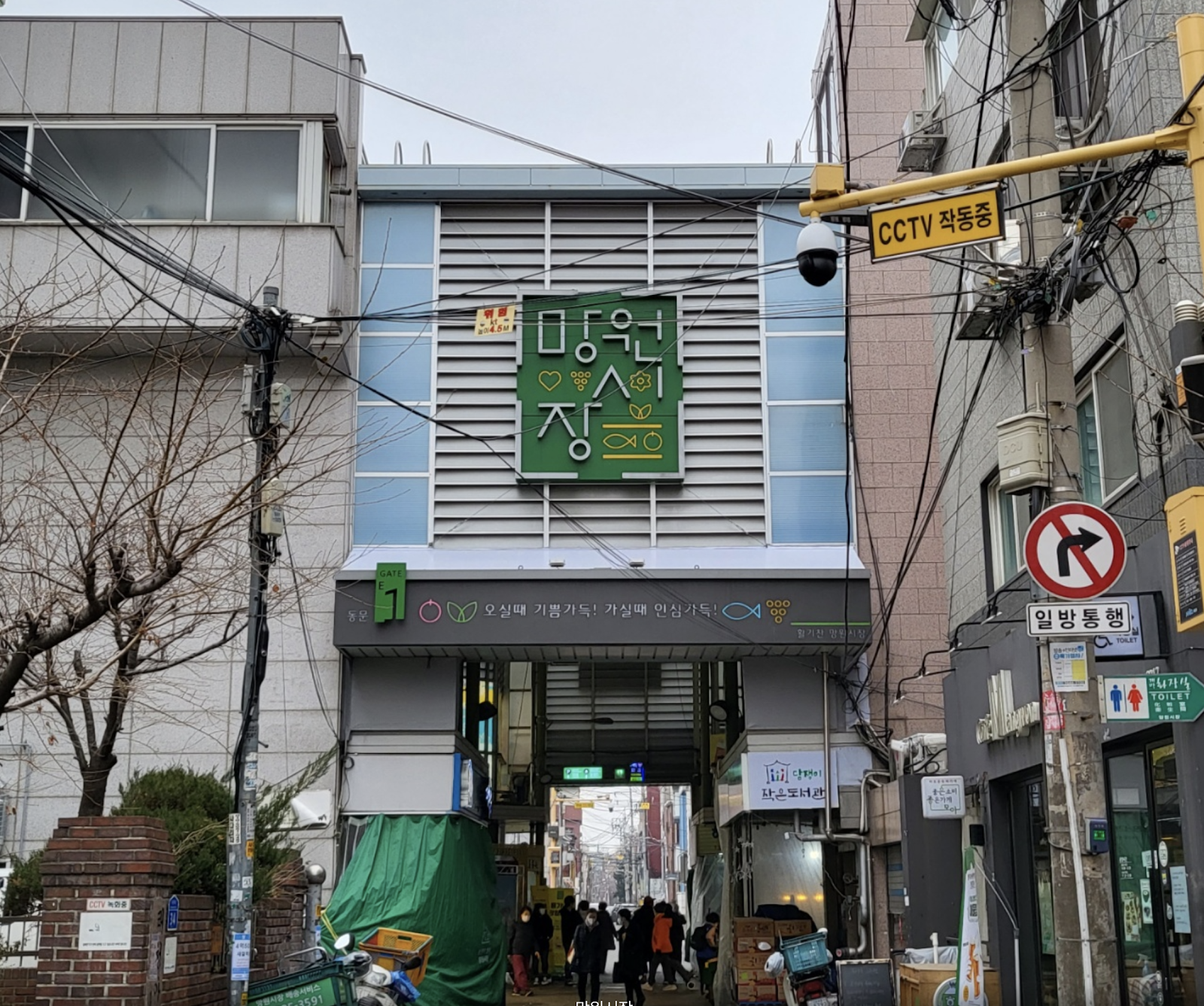
Mangwon Market janchi-guksu is legendary. An old lady makes broth from scratch daily, serves it with thin noodles for ₩5,000. Unreal price.
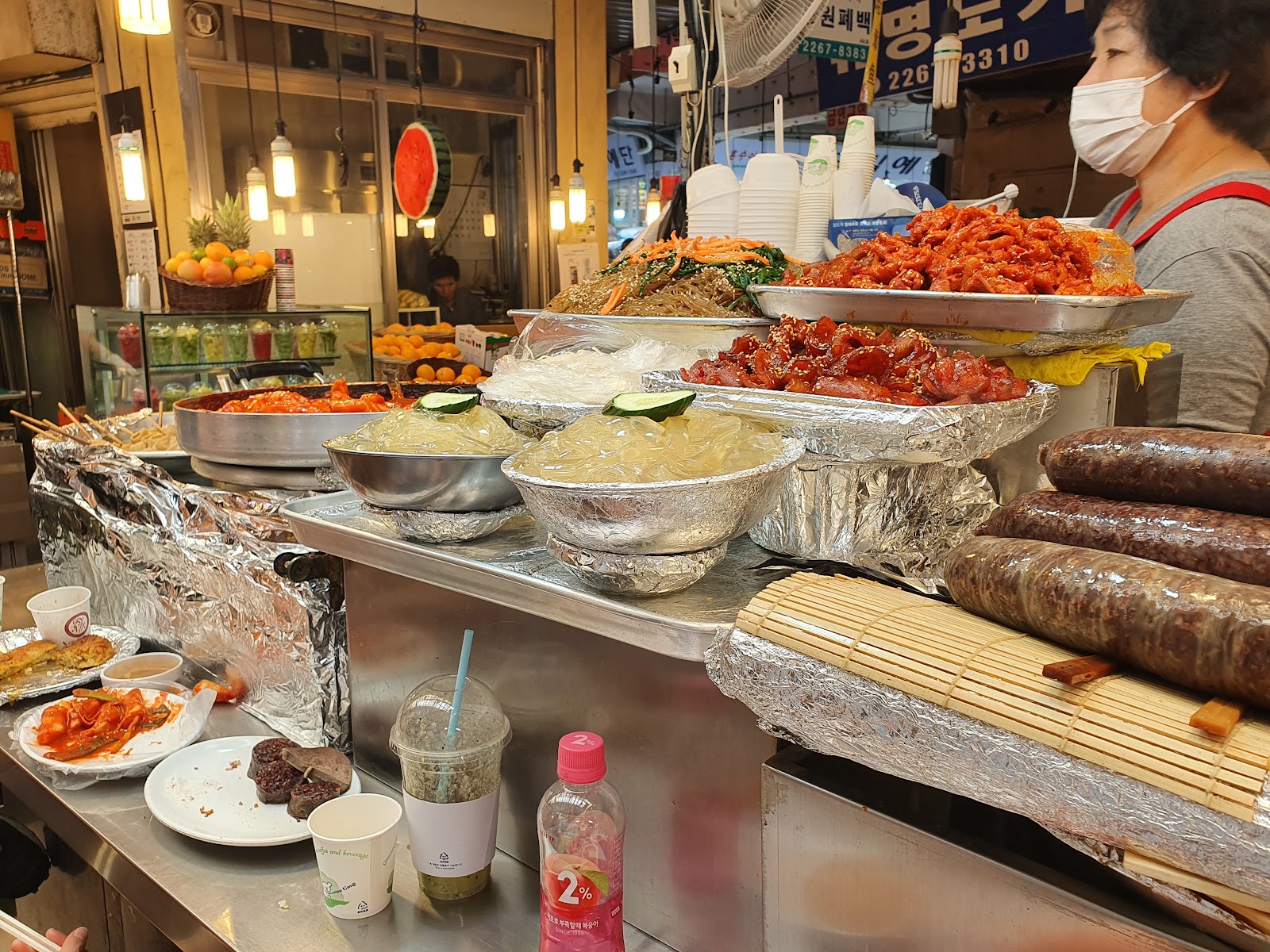
The noodles are soft, broth savory, and you get unlimited kimchi and kkakdugi radish. Simple but genuinely delicious.
Price: ₩5,000-7,000 ($4-5) Best spots: Mangwon Market, Tongin Market, Gwangjang Market Tip: Add an extra drop of perilla oil for nuttiness.
Sujebi - Hand-Torn Noodle Soup
Sujebi isn't cut with a knife—it's torn by hand.
You stretch wheat dough thin and rip it into irregular pieces, dropping them into boiling broth. Every piece has a different shape and size. That's the charm.
Sujebi is chewy yet soft. Thinner than kalguksu, so it soaks up more broth. Each spoonful brings potato and zucchini along with those torn noodles.
Where to try: Gwangjang Market sujebi alley, Namdaemun Market kalguksu-sujebi shops
Price: ₩7,000-8,000 ($5-6) Pro combo: Half kalguksu, half sujebi. Two textures in one bowl.
Bibim-guksu - Spicy-Sweet Summer Noodles
Summer's ultimate noodle is bibim-guksu.
Thin noodles tossed in spicy-sweet gochujang sauce. Topped with cucumber, onions, and half a boiled egg. The sweet-sour-spicy combo wakes up your appetite.
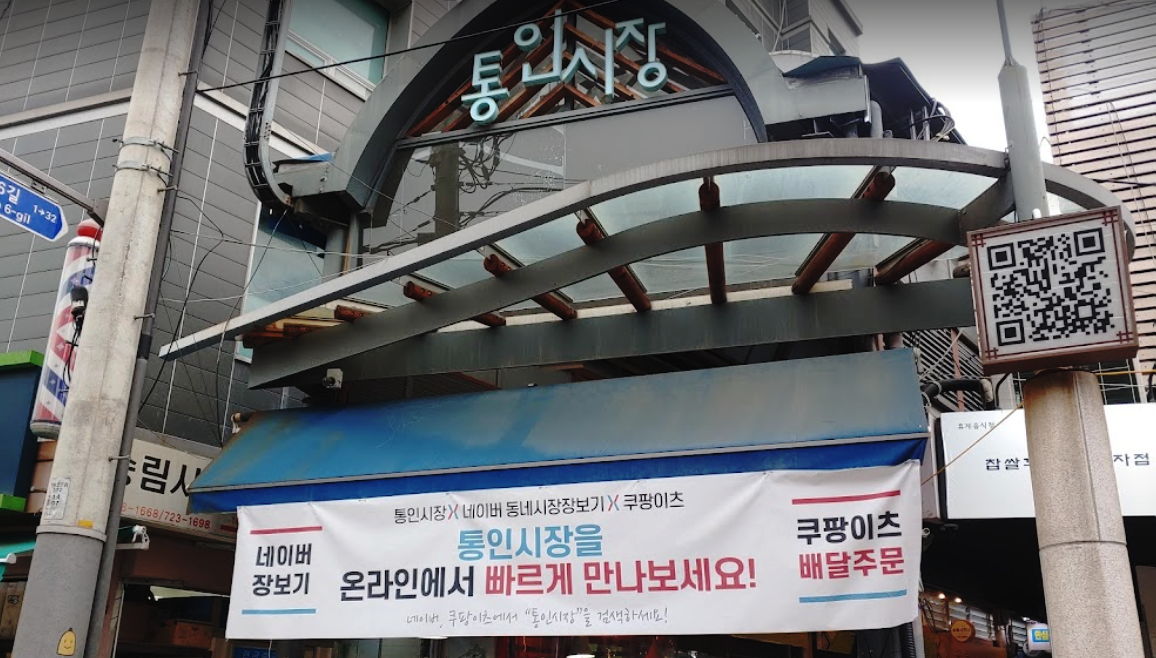
At Tongin Market's Dosirak Cafe, you can make your own bibim-guksu lunchbox. Choose side dishes with old Korean coins (yeopjeon), then mix your noodles. It's an experience.
Price: ₩6,000-8,000 ($4-6) Best combo: Bibim-guksu + mandu + kimchi Season: May-September (hits different when it's hot)
How Seoul People Eat Noodles: Local Techniques
Noodles taste best piping hot. Here's how Seoul locals do it:
-
Slurp loudly: In Korea, making noise while eating noodles isn't rude. It actually shows you're enjoying it.
-
Taste the broth first: Before digging into noodles, sip the broth. Check temperature and flavor.
-
Kimchi is essential: Every noodle house serves kimchi. Alternate between noodles and kimchi to cut the richness.
-
Vinegar and mustard: For naengmyeon, add vinegar and mustard to taste. I'm a vinegar maximalist.
-
Finish the broth: Leaving broth behind wastes the best part. The broth is where the flavor lives.
Seoul Noodle Tour: Route Recommendations
Jung-gu & Jongno - Traditional Noodle Heartland
Route: Myeongdong Kalguksu → Gwangjang Market noodle alley → Eulji Myeonok
Start at 10am with Myeongdong Kalguksu. Lines are shorter early. For lunch, hit Gwangjang Market for kalguksu and sujebi. Finish dinner at Eulji Myeonok with Pyongyang naengmyeon.
Three noodle meals in one day? Absolutely doable. I've done it.
Mangwon-dong & Hapjeong - Local Market Noodles
Route: Mangwon Market janchi-guksu → Hapjeong hand-cut noodle shop
Mangwon Market opens at 9am. Grab janchi-guksu for breakfast, explore the market, then hit a Hapjeong hand-cut noodle place for lunch.
Hidden in Hapjeong's alleys are hand-cut noodle specialists. Spots only locals know.
Dongdaemun & Jongno - 24-Hour Noodle Paradise
Recommended: Jinju-jip (Dongdaemun), Jangsu Kalguksu (Jongno)
Dongdaemun's Jinju-jip runs 24 hours. At 2am, it's packed with people sobering up from drinking.
Thick broth, fat noodles. Late-night kalguksu has a special magic.
Seasonal Noodle Recommendations
Spring (Mar-May): Clam Kalguksu
Clams are in season. Clam broth kalguksu tastes like spring in a bowl.
Summer (Jun-Aug): Naengmyeon & Bibim-guksu
When it's hot, go cold. Ice-cold naengmyeon makes the heat disappear.
Autumn (Sep-Nov): Mushroom Kalguksu
Autumn mushrooms make kalguksu aromatic and rich. Shiitake, oyster mushrooms loaded in.
Winter (Dec-Feb): Perilla Kalguksu
Ground perilla seeds in kalguksu warm you from inside. Winter specialty.
Useful Korean Phrases for Noodle Houses
"Kalguksu hana juseyo" = One kalguksu please "Myeon mani juseyo" = Extra noodles please **"Gukm
ul mani juseyo"** = Extra broth please "Maepge haejuseyo" = Make it spicy please "Kimchi deo juseyo" = More kimchi please "Gyesaniyo" = Check please
Most noodle shops have photo menus. You can just point and order.
Common Questions
Can I go to noodle restaurants alone?
Absolutely! Seoul noodle houses are perfect for solo dining. Sit at the counter and eat quietly. I go solo all the time.
What's the price range?
Market noodle shops: ₩5,000-9,000 ($4-7) Specialty noodle restaurants: ₩9,000-12,000 ($7-9) Premium naengmyeon: ₩12,000-18,000 ($9-13)
It's the best value meal in Seoul.
Can vegetarians eat Korean noodles?
Most noodle broths use anchovy or meat stock. But some temple area restaurants serve vegetarian noodles. Check around Insadong or Jogyesa Temple.
Do they have English menus?
Tourist areas like Myeongdong have English menus. Local market noodle shops might only have Korean. Rely on photo menus.
What's the most famous noodle spot?
Gwangjang Market kalguksu and Myeongdong Kalguksu are most famous. Lots of tourists visit. But I'd say try Mangwon Market janchi-guksu too. That's where real Seoul people eat.
Wrapping Up Your Noodle Journey
Every noodle strand carries a master's touch. People who knead the same dough every morning, cut noodles to the same thickness, simmer broth at the same temperature.
Seoul's noodle tour isn't just about filling your stomach. It's tasting stories of people who've made one thing for decades.
The warmth of Seoul in a steaming bowl of noodles. You've got to experience it yourself.
Noodle Tour Checklist:
- Try hand-cut kalguksu at Gwangjang Market
- Experience Pyongyang naengmyeon for the first time
- Taste Mangwon Market's ₩5,000 janchi-guksu
- Order half kalguksu, half sujebi
- Hit Dongdaemun for 2am kalguksu
- Try nutty perilla kalguksu
- Mix your own bibim-guksu
Happiness in a bowl of noodles. See you in Seoul! 🍜