Seoul Saju Guide 2026: Experiencing Korea's Ancient Four Pillars Fortune Telling
Before making a major decision — whether to accept a job offer, proceed with a marriage, or embark on a new venture — a significant portion of Koreans consult a saju (사주) practitioner. This is not a marginal practice reserved for the superstitious. Presidents have scheduled auspicious dates for inaugurations based on saju analysis. Major corporations time important announcements by consulting practitioners. Wedding dates are almost universally chosen after reviewing the couple's combined charts. The practice permeates Korean society at every level, largely invisible to visitors who have not been introduced to it.
Saju — literally "Four Pillars" (四柱), or more formally 사주팔자 (四柱八字, "Four Pillars, Eight Characters") — is one of the most ancient living cultural traditions accessible to international visitors in Seoul. Unlike performances staged for tourism, saju consultations are genuine social transactions that Koreans engage in throughout their lives. Understanding this tradition, and knowing how to participate in it respectfully, opens a dimension of Korean culture that most travelers entirely miss.
The Roots of an Ancient System
Saju originated in Tang Dynasty China (618–907 CE), where scholars developed a framework for destiny analysis based on the precise moment of a person's birth. The system draws from Chinese cosmology: the ten Heavenly Stems (천간/天干), which cycle through five pairs of yin-yang polarities, and the twelve Earthly Branches (지지/地支), which correspond to the twelve zodiac animals and map onto the five elemental phases — wood, fire, earth, metal, and water.
A person's destiny is encoded, according to this framework, in four "pillars": the year, month, day, and hour of birth. Each pillar consists of one Heavenly Stem and one Earthly Branch — two characters per pillar, eight characters in total. The interaction of these eight characters (팔자, 八字) — how the elements support, conflict, or transform each other — reveals the patterns, tendencies, and fortune that shape a life.
The system reached the Korean peninsula during the Goryeo Dynasty (918–1392), arriving alongside waves of Tang and Song Chinese cultural influence that also brought Buddhism, Confucian scholarship, and sophisticated administrative frameworks. Korean scholars adapted the Chinese cosmological system while gradually integrating it with indigenous Korean shamanistic traditions (무속/巫俗). By the Joseon Dynasty (1392–1897), saju analysis had become a sophisticated discipline practiced by scholars, court officials, and ordinary people alike.
What makes the Korean tradition distinct from Chinese saju is its deep integration with Korean shamanism and its social embeddedness. Korean fortune-telling does not exist as a single unified practice; it encompasses saju (birth-date analysis), face-reading (관상, 觀相), palmistry, dream interpretation, and consultations with shamans (무당, 巫堂) who channel spiritual intermediaries. A visit to a traditional fortune-telling parlor (점집, jeomjip) in Gwangjang Market may expose you to all of these practices existing side by side.
What Saju Practitioners Actually Do
A saju consultation typically begins with the practitioner asking for your birth date, birth year, and crucially, your birth time. The hour of birth is particularly significant — the twelve earthly branches divide the day into two-hour periods, and two people born on the same date at different hours will have meaningfully different four-pillar charts.
From this information, the practitioner constructs a chart. Contemporary practitioners often use specialized software to generate the four-pillar structure automatically; older practitioners calculate by hand using classical reference tables. The consultation involves interpreting the chart's elemental balance — which elements are dominant, which are absent, where conflicts and harmonies arise — and connecting these patterns to the specific questions and life circumstances the person brings.
Consultations typically address several core concerns:
- Career and financial prospects: What industries or roles align with your elemental constitution; what years favor advancement or demand caution
- Relationship compatibility: Whether two people's charts complement or conflict; what timing is auspicious for marriage or partnership
- Health tendencies: Constitutional patterns that suggest attention to particular aspects of physical health
- Timing for major decisions: What years, months, and even specific days carry favorable or challenging energy for specific actions
The length and depth of consultations vary considerably. A brief market reading may last twenty minutes and cover general fortune. A comprehensive analysis from an experienced senior practitioner can run ninety minutes and examine specific life questions in considerable detail.
Gwangjang Market: Fortune Telling in Its Oldest Form
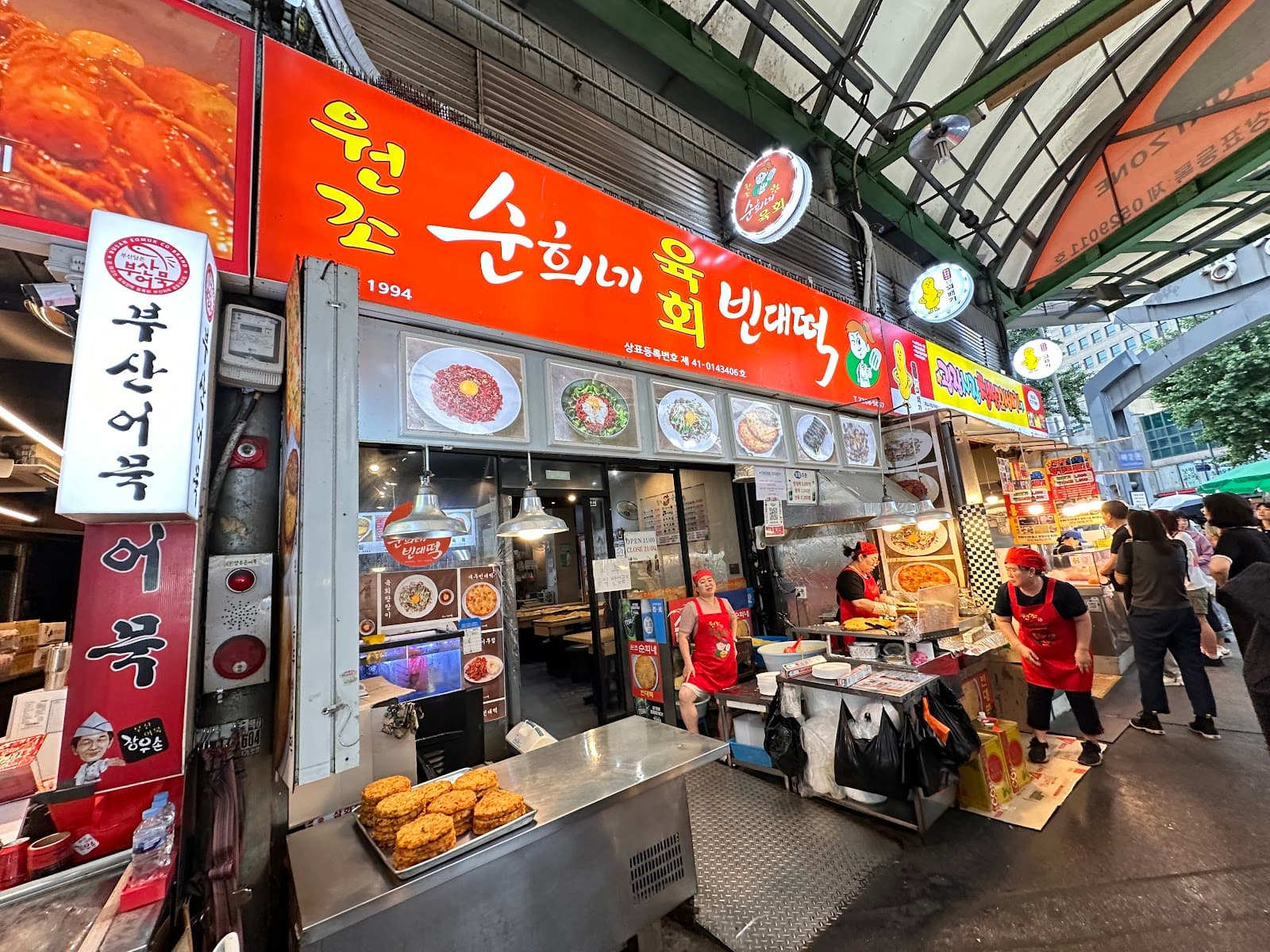
For international visitors seeking an authentic traditional experience, Gwangjang Market (광장시장) in Jongno-gu offers a setting unlike anywhere else in Seoul. Built in 1905, the market's covered interior holds not only Korea's most celebrated food stalls — bindaetteok mung-bean pancakes, mayak kimbap, yukhoe raw beef — but also a concentration of traditional fortune-telling establishments on its upper level and in the surrounding alleys.
The fortune tellers here typically work from small enclosed booths or curtained spaces. Many are experienced practitioners who have studied their art for decades. The atmosphere is matter-of-fact: these are not demonstrations staged for tourists but working consultations with a regular Korean clientele that includes business people, students preparing for examinations, couples, and elders.
Practical considerations for a Gwangjang Market fortune-telling visit:
- Language: Most practitioners speak only Korean. Bring a Korean-speaking companion if you want a complete consultation. Some practitioners are accustomed to working with foreign visitors and have developed a working vocabulary for basic communication.
- What to prepare: Know your birth date (day/month/year) and ideally your birth time. If you don't know your birth time, say so clearly — practitioners can work with approximations but the chart is most accurate with precise information.
- Cost: ₩20,000–₩50,000 (approximately USD 15–35) for a standard consultation. Comprehensive readings from senior practitioners range up to ₩100,000–₩200,000.
- Finding the practitioners: They occupy small spaces along the alley running alongside the main market building and on the covered second-floor section. Look for signage displaying 점 (divination), 사주 (Four Pillars), or 운세 (fortune/destiny) alongside a small curtained or screened space.
- Access: Gwangjang Market is a five-minute walk from Jongno 5-ga Station (Line 1) or Euljiro 4-ga Station (Lines 2/5).
Insadong and Jongno: The Traditional Divination District
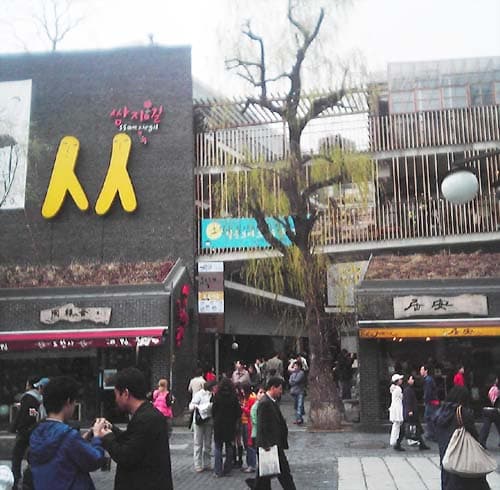
The alleys around Insadong-gil and the narrow streets north of Jongno-daero constitute Seoul's most concentrated district for traditional cultural practitioners, including saju readers. The lanes branching west toward Gwancheol-dong and north toward Anguk from Insadong-gil contain a mix of older jeomjip alongside antique shops, tea houses, and traditional craft galleries — a setting where the practice feels continuous with the broader traditional culture surrounding it.
The jeomjip in this area tend to serve a more varied clientele than market-style fortune tellers. Some attract younger Koreans alongside older patrons, and a few have developed experience with foreign visitors over years of operating in an internationally frequented district. The setting — surrounded by the hanok architecture and traditional culture businesses of Insadong — provides rich context for understanding what you are participating in.
There is no centralized listing of practitioners; the best approach is to walk the alleys west and northwest of Insadong-gil between Anguk and Jonggak stations, looking for signage reading 사주 (saju), 점 (divination), or 운세 (fortune/destiny). The walk itself, through some of Seoul's most historically textured streets, is worthwhile regardless.
Modern Saju Cafes: A New Generation's Approach
One of the more striking cultural developments in contemporary Seoul is the emergence of saju cafes (사주카페) — spaces combining traditional birth-date analysis with the aesthetics and format of a specialty cafe. These establishments, which have multiplied in Hongdae, Mapo-gu, and parts of Seongsu-dong, serve coffee and tea while offering consultations with practitioners trained in classical methodology.
The saju cafe phenomenon represents not a dilution of the practice but an adaptation that has brought it to a generation of young Koreans who might have found older jeomjip environments intimidating. Practitioners at many of these establishments have genuine academic training — some hold formal credentials from Korean universities that offer programs in Chinese cosmological studies, and several saju cafe owners are respected practitioners who chose a new format for reaching clients.
For international visitors, saju cafes offer several practical advantages:
- English accessibility: Some cafes, particularly in the Hongdae area, have English-speaking practitioners or provide multilingual chart explanations
- Accessible environment: The cafe format is less unfamiliar and intimidating than a traditional jeomjip
- Advance booking: Many accept reservations through Naver or KakaoTalk, which can be navigated with translation assistance
- Combined experience: A reading alongside specialty coffee in a thoughtfully designed space creates a distinctly contemporary Seoul experience
To find English-friendly options, search Naver Map or Google Maps in the Hongdae or Mapo area using the term 사주카페 (saju cafe). Standard prices at saju cafes typically range ₩30,000–₩80,000 per consultation, not including beverages.
Korea's Broader Divination Landscape
Saju operates within a larger Korean spiritual culture that international visitors frequently encounter without understanding the context. Related practices worth knowing:
Face Reading (관상, 觀相): The study of physiognomy — interpreting personality and fate from facial features — has deep roots in East Asian traditions. Korean face readers operate in similar social contexts to saju practitioners and are often found in the same establishments.
Tarot (타로): Korean tarot reading has developed its own distinct character, with practitioners who often combine Western card frameworks with Korean cosmological interpretation. Tarot readers are found throughout Seoul, frequently alongside saju practitioners.
Dream Analysis (꿈 해몽): Koreans frequently seek interpretation for significant dreams, a practice with ancient shamanistic roots. Specific dreams are associated with specific fortune indicators — the prenatal dream (태몽) believed to reveal characteristics of a coming child is perhaps the most culturally embedded example.
Shaman Consultations (무속, 巫俗): Korean shamanism — practiced by spirit mediums called mudang (무당) — is a tradition distinct from saju, involving spirit possession and communication with ancestral and nature spirits. Shaman ceremonies represent one of Korea's oldest living spiritual traditions, and while less accessible to casual foreign visitors, they are an important part of the broader cultural landscape.
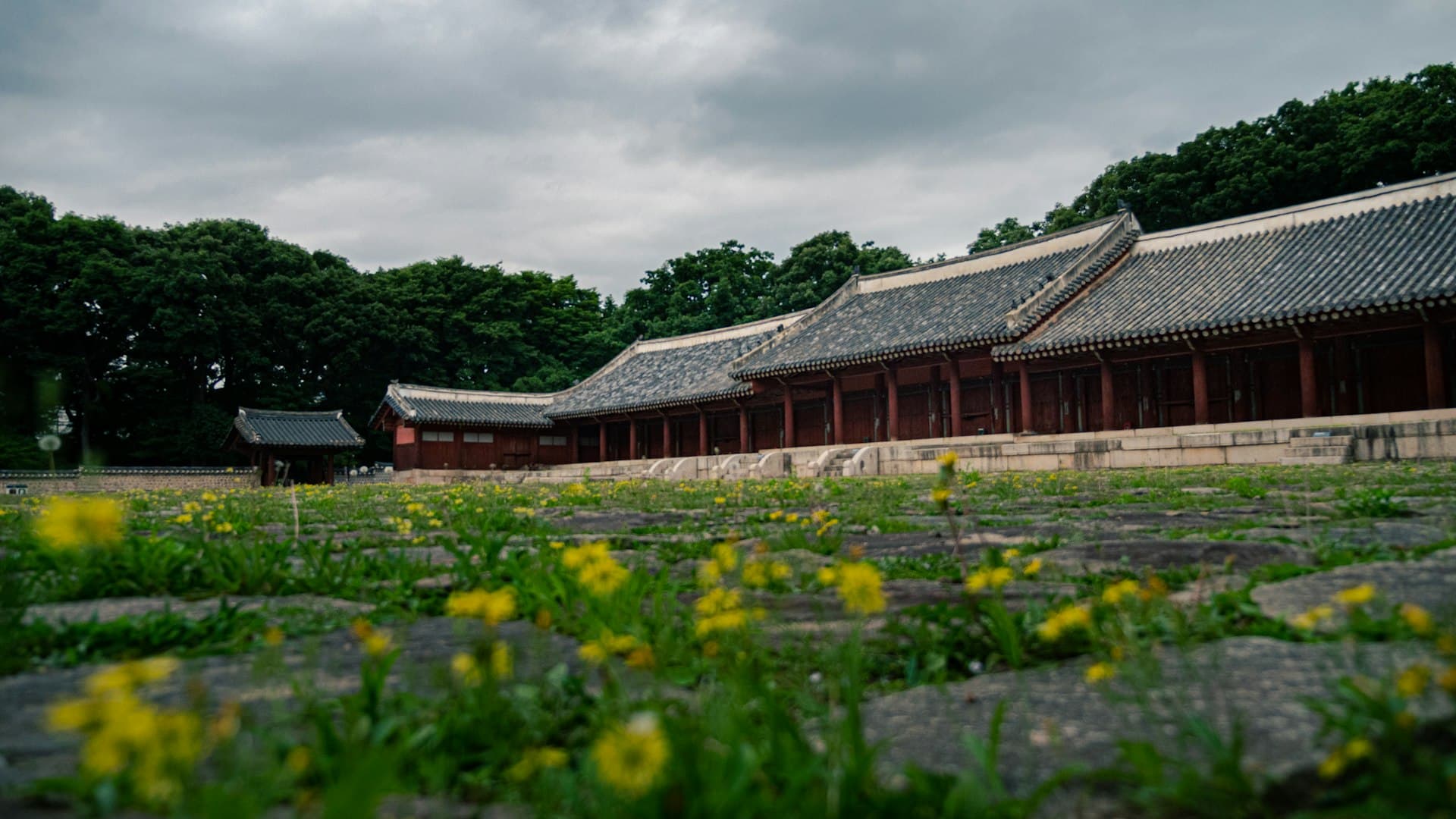
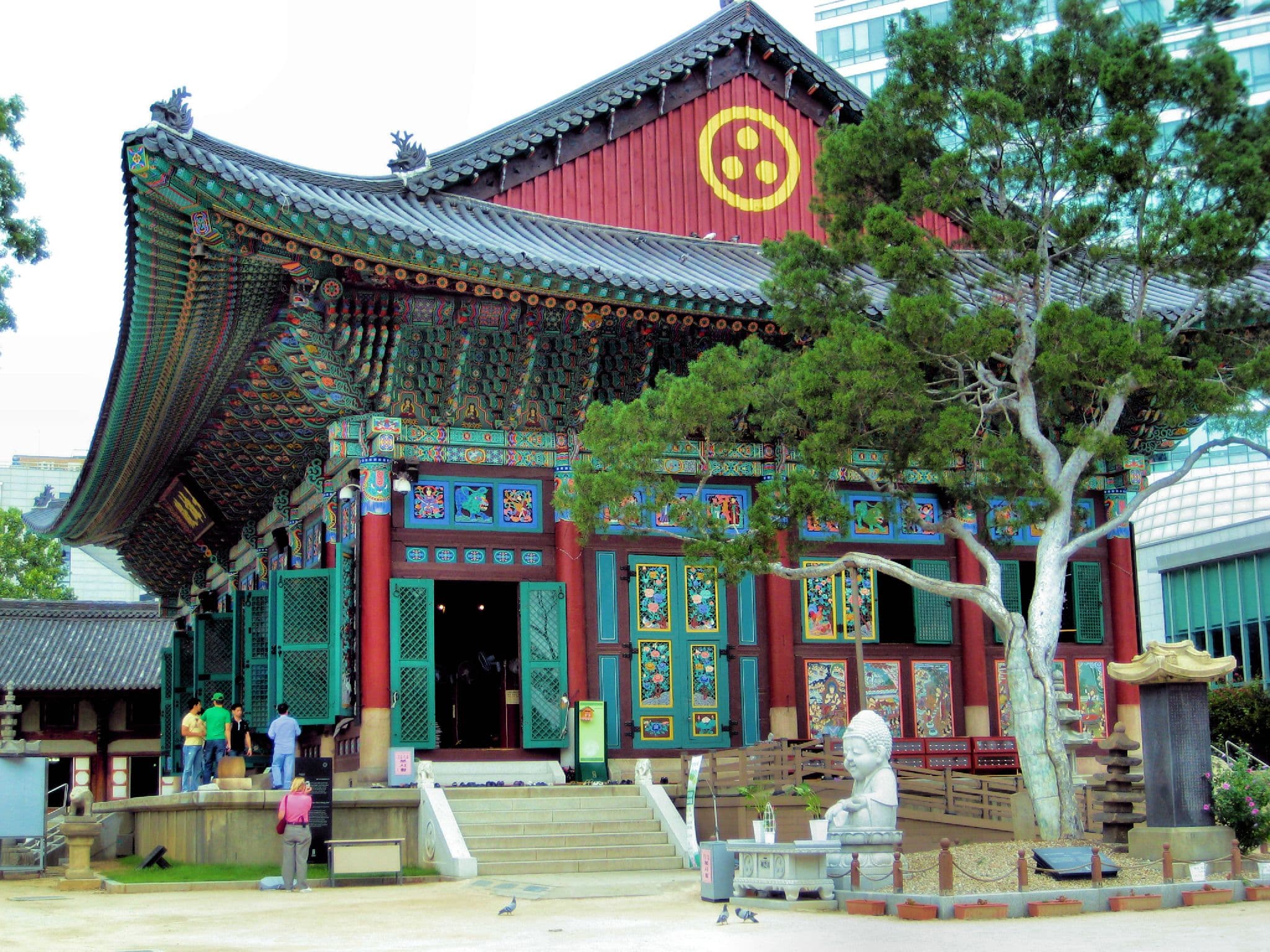
It's important to understand these practices not as uniform superstition but as components of a sophisticated traditional knowledge system refined across many centuries. The same cultural formation that produced Jongmyo's ancestral rites, the cosmological program of Gyeongbokgung's palace architecture, and the ritual calendar of Korean Buddhism also produced saju. They are different expressions of a connected worldview.
Cultural Etiquette for Visitors
When visiting any fortune-telling establishment in Seoul, several principles of respectful engagement apply:
Approach with genuine curiosity: Korean clients are engaging in a real cultural practice. Treating a saju consultation as exotic theater is disrespectful to the practitioner and to those who use the service seriously. If you are curious enough to participate, engage with the practitioner's work seriously.
Understand you may receive a partial picture: If you don't know your birth time, communicate this clearly. Practitioners can still offer meaningful analysis from incomplete information, but they will tell you the chart is approximate.
Photography requires permission: Never photograph practitioners or their materials without asking explicitly. The consultation space is a working environment.
Payment is a professional transaction: Pay the stated price directly. Fortune-telling is a professional service.
Interpret probabilistically: Saju analysis describes tendencies and patterns, not deterministic outcomes. Experienced practitioners understand this and present readings accordingly. The value lies in the framework for reflection it provides, not in any claim to literal prediction.
Practical Visitor Information
Areas to experience saju:
| Area | Character | Best for | Station |
|---|---|---|---|
| Gwangjang Market | Most traditional, Korean-speaking | Authentic atmosphere | Jongno 5-ga (Line 1) |
| Insadong/Jongno alleys | Traditional setting, some foreign-visitor experience | Cultural context + reading | Anguk (Line 3) |
| Hongdae saju cafes | Modern, some English available | English accessibility, booking | Hongdae Entrance (Lines 2/A) |
Price ranges:
- Market/traditional jeomjip: ₩20,000–₩50,000
- Modern saju cafes: ₩30,000–₩80,000
- Senior experienced practitioners: ₩100,000–₩200,000
What to bring:
- Birth date (day, month, year) — essential
- Birth time (hour and approximate minute if known) — important
- Specific questions you want addressed — practitioners appreciate focused consultations
Booking:
- Gwangjang Market fortune tellers: walk-in only
- Saju cafes: weekend reservations often required; use Naver or KakaoTalk
Language:
- Most traditional practitioners: Korean only
- Saju cafes: some have English-speaking staff; Papago or Naver Translate helpful
- Best option for depth: bring a Korean-speaking companion
The experience of sitting with a practitioner who examines the elemental patterns of your birth moment and speaks not of predetermined fate but of tendencies, inclinations, and the landscape you move through — is one that connects visitors, however briefly, to a tradition of meaning-making that Koreans have refined across centuries. Whatever one's views on the metaphysics of fortune, the practice offers a genuine window into how Korean culture understands the relationship between the individual and the larger patterns of existence.