Seoul Traditional Crafts: Discovering 600 Years of Artisan Heritage
In 1392, when the Joseon Dynasty established its capital in Hanyang (present-day Seoul), the city became more than a political center. It evolved into the heart of Korean traditional crafts. Master artisans from across the peninsula gathered here to serve the royal court and aristocratic families, passing down their skills through six centuries.
Today, Seoul's alleyways still harbor workshops where artisans preserve these ancient techniques. You won't just observe these crafts through museum glass—you can learn them firsthand, touching centuries-old materials and mastering traditional methods under the guidance of master craftspeople.
Why Seoul's Traditional Crafts Matter
The Royal Workshop Legacy
During the Joseon period, Seoul housed the "Gyeonggongjang"—royal court artisans who created the finest craftwork for the palace and government offices. Masters of ceramics, metalwork, mother-of-pearl inlay, paper, and traditional knotting concentrated in the capital, forming guilds that maintained the highest standards.
This royal craft tradition didn't disappear when the Joseon Dynasty ended in 1910. Artisans continued passing their knowledge to the next generation, and today you can still experience this heritage in Seoul's workshops.
Tradition Meets Modernity
Seoul's traditional crafts aren't frozen in the past. Contemporary artisans reinterpret classical techniques for modern life, creating objects that blend 600-year-old methods with contemporary design.
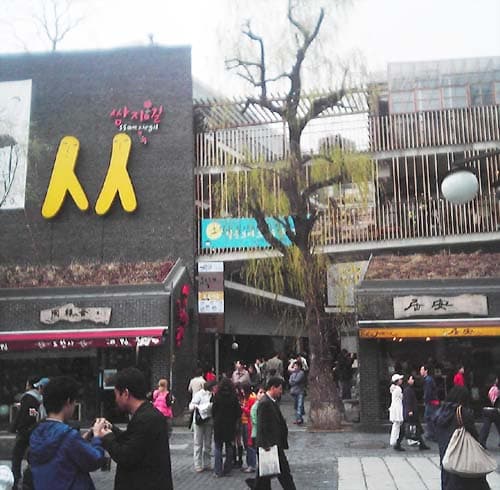
Visit workshops in Insadong and Seochon to witness this evolution. You'll find mother-of-pearl inlay applied to smartphone cases, traditional hanji paper transformed into modern lighting, and ancient knotting techniques adapted for fashion accessories—all honoring the past while embracing the present.
Seoul Museum of Craft Art: Start Your Journey Here
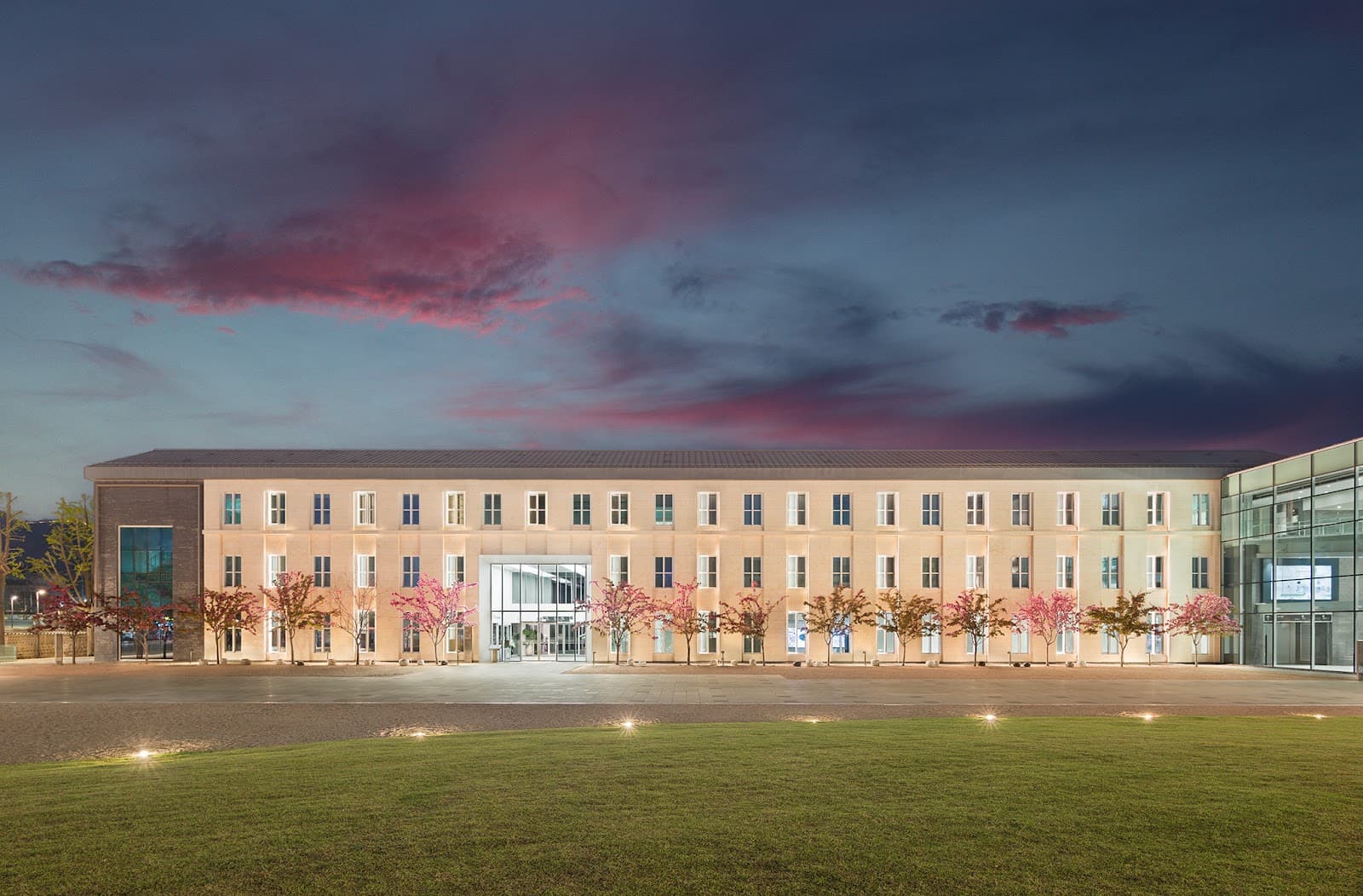
Begin your traditional craft exploration at the Seoul Museum of Craft Art. Opened in Anguk-dong in 2021, this museum traces Korean craft from past to present, providing essential context before your hands-on experiences.
Museum Highlights
First Floor - Artisans Who Shaped the World A chronological journey through Korean craft history, from Joseon royal treasures to everyday objects used by common people. Each piece reveals how craft evolved through the centuries.
Second Floor - Life Enriched by Craft Explores the relationship between Korean daily life and craftsmanship. Through dining tables, clothing, furniture, and scholar's tools, you understand how Koreans pursued beauty in every aspect of life.
Third Floor - Craft Connects the World Showcases contemporary Korean craft's global presence. Traditional techniques reimagined for modern contexts, with rotating special exhibitions featuring current artisans.
Visitor Information:
- Hours: 10:00-18:00 (Closed Mondays; Extended to 21:00 Wednesdays & Saturdays)
- Admission: Free
- Location: 7-minute walk from Anguk Station (Line 3), Exit 1
- Guided Tours: Korean 11:00, 14:00 / English 13:00 (Daily except Mondays)
After exploring the museum, venture into nearby Insadong and Bukchon to visit working workshops. Theory learned, it's time to create.
Ceramics: Clay and Fire Through the Centuries
Korean ceramics achieved world renown through Goryeo celadon and Joseon white porcelain. Joseon white porcelain, with its pure white color and elegant forms, embodies the Confucian aesthetic that Joseon scholars cultivated—simplicity, sincerity, restraint.
Icheon Pottery Village (1 Hour from Seoul)
Located an hour south of Seoul, Icheon has produced ceramics for 600 years. During the Joseon period, Icheon supplied royal kilns. Today, over 200 pottery workshops and kilns continue this tradition.
Recommended Workshop Programs:
- Potter's Wheel Experience (2-3 hours): Learn to center clay on a traditional wheel. With an artisan's guidance, create a cup or bowl.
- Hand-building Workshop (1-2 hours): Shape clay without a wheel using coil and slab techniques. Perfect for beginners.
- Painting Workshop (1 hour): Decorate pre-fired white porcelain with traditional mineral pigments. Take your finished piece home the same day.
Practical Information:
- Cost: ₩30,000-80,000 (varies by program)
- Finished Pieces: Works require firing (2-3 weeks), then shipped to you (international shipping available)
- Reservation: Required (Many workshops offer English instruction)
- Access: Express bus from Seoul Station to Icheon (1 hour)
Seoul City Pottery Studios
If you can't leave Seoul, several urban workshops offer pottery experiences.
Ceramic Cafe (Seongsu-dong) A trendy cafe-workshop hybrid where you can watch potters work while enjoying coffee, with simple hand-building one-day classes available.
Earth and Fire Studio (Samcheong-dong) Run by an artisan with 50 years of experience specializing in traditional Joseon white porcelain techniques. Small group classes (4-6 people) allow intimate conversation with the master.
Hanji Papermaking: The Millennium Paper
Hanji (Korean paper) isn't ordinary paper. A Korean saying claims "it lasts a thousand years"—no exaggeration given its exceptional durability, breathability, and humidity-regulating properties.
Made from mulberry bark, hanji's long, tough fibers resist tearing, resist insects, and resist yellowing. Joseon Dynasty royal documents and books survive intact centuries later thanks to hanji.
Hanji Making Experience
Jeonju Hanji Museum (2.5 hours from Seoul) Jeonju has produced the finest hanji since the Joseon period. The museum's workshop covers the complete process: boiling mulberry bark, beating fibers, and drawing sheets with the traditional screen.
Seoul Workshops - Gahoe-dong Hanji Studio (Bukchon) Located in Bukchon Hanok Village, this workshop offers craft experiences using finished hanji.
Recommended Experiences:
- Hanji Lamp Making (2 hours): Weave bamboo ribs and apply hanji layers to create a traditional lamp actually usable at home.
- Hanji Doll Making (1.5 hours): Layer and fold hanji to create three-dimensional figures. Dolls in traditional hanbok are popular.
- Hanji Frame Making (1 hour): Stamp or paint traditional patterns on hanji mounted in decorative frames.
Practical Information:
- Cost: ₩20,000-50,000
- Reservation: Recommended (English available)
- Location: 15-minute walk from Anguk Station (Line 3)
- Combine with Bukchon Hanok Village exploration
Mother-of-Pearl Inlay: Iridescent Light
Najeonchilgi (mother-of-pearl lacquerware) embeds thinly sliced abalone shell into lacquered surfaces, creating patterns that shimmer with rainbow colors at different angles. This technique has captivated Korean nobility since the Goryeo period.
During Joseon, najeonchilgi decorated royal and aristocratic furniture—cabinets, writing desks, mirrors. A single piece might require months or years to complete, each shell fragment individually placed.
Mother-of-Pearl Workshop
Insadong Najeon Studio Hidden in Insadong's alleys, this workshop is run by an artisan with 50 years of experience. One-day beginner classes teach you to apply mother-of-pearl to small items like jewelry boxes or mirrors.
Workshop Process:
- Design Selection: Choose traditional motifs (plum blossom, crane, clouds) or create your own
- Shell Cutting: Slice thin abalone shell to desired shapes
- Application: Adhere each shell piece to the lacquered surface
- Finishing: Apply protective lacquer coats and polish
Practical Information:
- Duration: 2-3 hours
- Cost: ₩50,000-100,000
- Finished Piece: Take home same day (though full drying requires a week)
- Note: Inform workshop beforehand if you have lacquer allergies
Modern Applications Contemporary artisans now apply najeon techniques to smartphone cases, business card holders, keychains—bringing traditional beauty into daily modern life.
Traditional Knotting: Infinite Forms from Single Strands
Korean traditional knotting (maedeup) transcends mere rope tying—it's an art form. During Joseon, elaborate knots adorned norigae (ornamental pendants), hanbok accessories, and hat strings. Each knot carried auspicious meanings.
Knot Types and Meanings
- Dorae (Wheel Knot): The fundamental knot, symbolizing eternity
- Saengjjok Knot: Represents vitality and prosperity
- Chrysanthemum Knot: Symbolizes nobility and longevity
- Butterfly Knot: Signifies joy and happiness
- Plum Blossom Knot: Expresses integrity and resilience
Knotting Workshop
Samcheong-dong Maedeup Studio Located in a converted hanok, this studio teaches traditional knotting. Beginner classes start with norigae or bracelet making.
Recommended Programs:
- Norigae Making (2 hours): Learn 3-4 simple knots to create a traditional ornamental pendant for hanbok decoration.
- Knotted Bracelet (1 hour): Master 2-3 basic knots to make a contemporary-style bracelet.
- Knotted Keychain (30 minutes-1 hour): The easiest introduction, perfect as a travel souvenir.
Practical Information:
- Cost: ₩10,000-40,000
- Difficulty: Low (no manual dexterity required, complete beginners welcome)
- Reservation: Recommended
- Location: Walking distance from Anguk (Line 3) or Gwanghwamun (Line 5) stations
Metalwork: Forms Shaped by Hammering
Korean traditional metalwork is renowned for Goryeo-period silver inlay techniques and Joseon-era yugi (brassware). Anseong yugi was so precisely made it spawned the Korean expression "Anseong matchum" (Anseong fit), meaning "perfect match."
Silver Craft Workshop
Insadong Silver Studio Learn to make silver rings or bracelets by hammering and shaping pure silver.
Workshop Process:
- Heat silver plate until malleable
- Hammer to desired thickness
- Shape the form (wind ring around mandrel)
- Surface finishing (polished or matte)
- Engrave personal inscription (name or date)
Practical Information:
- Duration: 1.5-2 hours
- Cost: ₩50,000-80,000 (varies with silver weight)
- Finished Piece: Wearable same day
- Perfect for commemorative gifts (couples, family)
Planning Your Craft Experience: Recommended Itineraries
One-Day Intensive Craft Course
09:00-12:00: Seoul Museum of Craft Art tour and Insadong stroll 12:00-13:30: Lunch at traditional Insadong restaurant 14:00-17:00: Workshop of choice (pottery/mother-of-pearl/knotting) 17:30-19:00: Bukchon Hanok Village or Samcheong-dong walk
Two-Day Deep Dive
Day 1:
- Morning: Seoul Museum of Craft Art
- Afternoon: Hanji workshop (Bukchon)
- Evening: Insadong traditional culture street
Day 2:
- Morning: Icheon Pottery Village visit and workshop
- Afternoon: Pottery museum tour
- Evening: Return to Seoul, reflect on your creations
Family/Children Course
- Knotting workshop → Hanji doll making → Pottery painting
- Programs with low difficulty and immediate results
Practical Tips & Information
Reservations and Preparation
Booking: Most workshops require advance reservations. Many offer English instruction, but when booking online, use translation tools or ask your hotel for assistance.
What to Wear:
- Comfortable clothing you don't mind getting dirty
- Workshops provide aprons, but clay or paint may stain
- Long sleeves recommended for mother-of-pearl work (minimizes lacquer contact)
Time Requirements:
- Quick experiences: 30 minutes-1 hour (knotting keychains, pottery painting)
- Standard workshops: 2-3 hours (most one-day classes)
- Intensive programs: Half-day to full day (potter's wheel, multi-craft programs)
Finished Work Storage and Transport
International Shipping: Most workshops offer international shipping services.
- Pottery: Ships 2-3 weeks after firing (insured shipping recommended)
- Hanji/Knotting: Take home same day or next day
- Mother-of-pearl: Requires 1 week for complete drying
Packaging: Fragile pieces are packaged by the workshop. Request special carry-on packaging for air travel if needed.
Budget Planning
Average Workshop Costs:
- Simple experiences: ₩10,000-30,000
- Standard workshops: ₩30,000-60,000
- Intensive programs: ₩60,000-150,000
Additional Costs:
- Materials usually included
- Additional pieces incur extra material fees
- International shipping: ₩30,000-80,000 (varies by weight and destination)
The Meaning of Traditional Craft
Seoul's traditional craft experiences offer more than pretty souvenirs. They're opportunities to touch centuries of artisan dedication, understand Korean aesthetic philosophy, and experience the harmony between nature and human creativity.
Feeling earth between your fingers. Following hanji paper's grain with your hands. Witnessing abalone shell transform into rainbow light. These moments, in the heart of modern Seoul, remind us of values we've forgotten—slowness, care, mindfulness.
Each small object you create carries 600 years of Seoul's history and the touch of artisans who preserved these traditions. When you see your piece at home, you'll remember this special time in Seoul and the depth of Korean traditional culture.
Frequently Asked Questions
Q1: Are reservations required for craft workshops? Most workshops operate on a small scale and require advance booking. If you need English interpretation, reserve at least 3-5 days ahead. Book even earlier for weekends and holidays.
Q2: Can I participate without speaking Korean? Many workshops offer basic English guidance. Some popular studios provide interpretation in English, Japanese, and Chinese. Confirm language support when booking.
Q3: Can I take my finished work home the same day? Depends on the craft:
- Same day: Knotting, hanji crafts, pottery painting, metalwork
- Shipping required: Potter's wheel pieces (firing takes 2-3 weeks)
- Partial drying needed: Mother-of-pearl (1 week for complete drying)
Q4: Can children participate? Most workshops welcome children (typically ages 7+). Recommended for kids:
- Knotting (simple and safe)
- Hanji doll making
- Pottery painting (potter's wheel recommended for ages 10+) Potter's wheel and mother-of-pearl may be challenging for young children.
Q5: Can I combine craft workshops with hanbok experience? Absolutely! The Bukchon/Samcheong area has both hanbok rental shops and craft workshops. You can wear hanbok during your craft session, or do crafts first then change into hanbok for a hanok village stroll. Coordinate timing when booking both.
Q6: Are workshop fees expensive? Korean traditional craft workshops offer excellent value compared to similar international experiences. Expect ₩10,000-40,000 for 1-2 hour sessions, ₩60,000-150,000 for intensive programs. Prices include materials and master instruction.
Q7: Can pottery be shipped internationally? Yes, most pottery studios offer international shipping. After your piece is fired (2-3 weeks), it's carefully packaged and shipped. Shipping costs ₩30,000-80,000 depending on weight and destination country.
Q8: Is there a best season for craft workshops? All seasons work, but spring (March-May) and autumn (September-November) are most comfortable, especially if you plan to walk between Bukchon and Insadong workshops. Summer is hot but fine for indoor-focused experiences.
Q9: Is Seoul Museum of Craft Art free? Yes, admission is free. Guided tour programs are also complimentary, including English tours (daily at 13:00, except Mondays).
Q10: Can I visit Icheon Pottery Village as a day trip from Seoul? Yes, it's very doable. One hour by express bus from Seoul, you can leave morning, experience pottery-making and visit museums, then return to Seoul evening. Reserve workshop programs in advance.
Q11: Can I do mother-of-pearl if I have lacquer allergies? If you're allergic to lacquer tree sap or have sensitive skin, take precautions. Inform the workshop beforehand—they can provide gloves and other protective measures. Or choose simplified experiences where you only apply shell to pre-lacquered surfaces.
Q12: How can I gift my handmade craft piece? Most workshops offer gift wrapping services (some for a fee). Knotted norigae, hanji items, and mother-of-pearl accessories make excellent gifts representing Korean traditional culture. Some workshops include Korean/English description cards with your piece.