Seoul K-Royal Culture Festival 2026: Five Palaces, One Living History
For 500 years, the Joseon royal court maintained a complete world of ceremony, music, dance, and martial arts entirely invisible to ordinary Koreans. The palace walls that separated king from commoner weren't just physical barriers — they were the boundaries of an entire civilization of ritual. The music performed in those courtyards, the dances presented to the royal family, the elaborate protocols governing every ceremony: all of it was developed, refined, and kept carefully inside those walls.
That world ended abruptly in 1910. Japanese colonial administration dismantled the court structure, repurposed the palaces, and over the following decades, the living tradition of Joseon royal culture came close to disappearing entirely.
The K-Royal Culture Festival — 궁중문화축전, Gungmunhwa Chukjeon — exists to bring it back. Every spring, Seoul's five grand palaces and Jongmyo Shrine open their grounds for ten days of performances, participatory experiences, and night visits that make that invisible world visible again.
In 2026, the festival runs April 24 through May 3.
The Festival's Architecture
The K-Royal Culture Festival is not a single event but a network of separate programs running simultaneously across six heritage sites. Each palace hosts different experiences. Some require advance reservation and have limited capacity. Others are open to any visitor who enters the palace grounds during the festival period.
This structure means you can't experience everything in one day — and shouldn't try. The festival rewards visitors who choose one or two programs carefully rather than rushing between sites. For international visitors specifically, dedicated English-language programs are available through advance reservation on Creatrip, beginning March 16, 2026.
2026 theme: "Palaces, Awakening the Arts – Hyper Palace"
The theme signals something intentional about how the festival approaches the tradition/modernity divide. Past editions staged faithful historical reconstructions. The 2026 edition, led by artistic director Yang Jung-woong, deliberately blends authentic court arts — the actual music and dance forms preserved from Joseon — with contemporary production: media facade projections, electronic reinterpretations of court music. The historical content is real. The presentation is for 2026.
April 24: The Opening at Gyeongbokgung
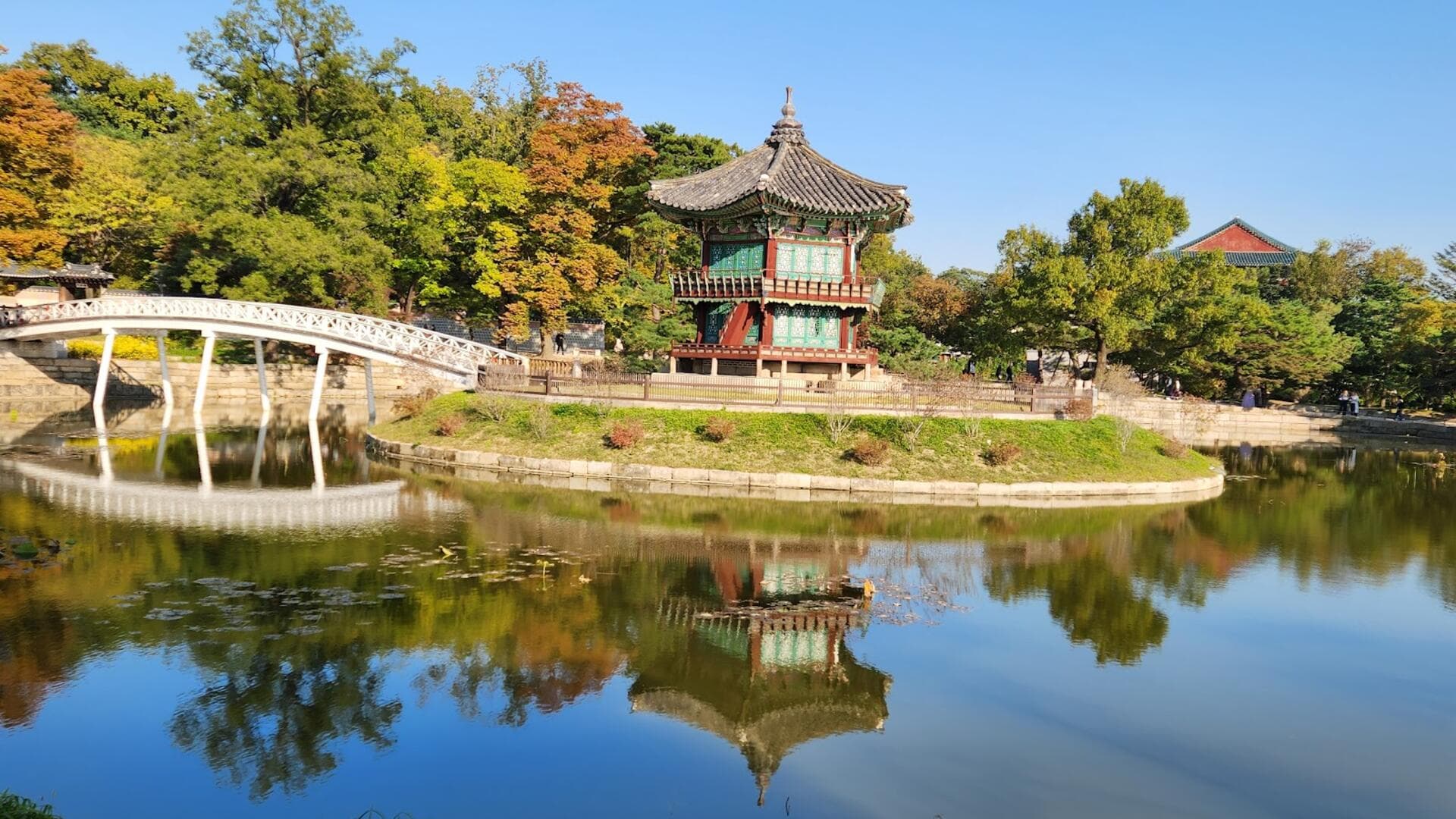
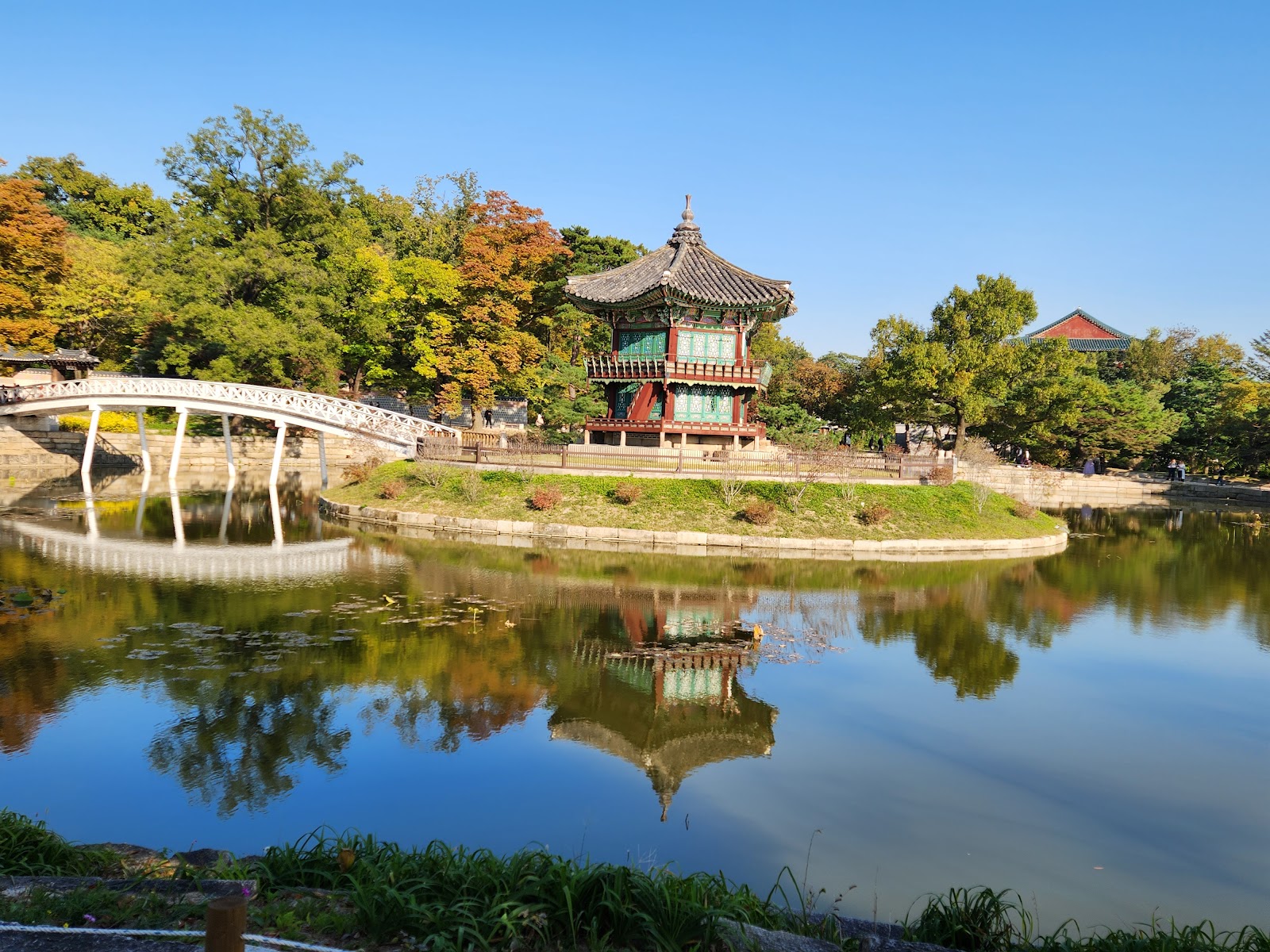
The festival opens at Gyeongbokgung Palace on April 24 with an evening ceremony worth booking weeks in advance. Gyeongbokgung — the Northern Palace, built in 1395 as the seat of Joseon's government — is Seoul's largest palace, and its main courtyard (Geunjeongjeon) provides scale that no other Seoul venue can match.
The opening program includes jeongjaemu (정재무), Joseon court dance forms once performed exclusively for the royal family. These are highly choreographed, deliberate pieces with centuries of codified gesture and costume — the kind of performance that's difficult to appreciate without context, and revelatory once you have it.
Also on the opening program: a hanbok fashion presentation and a gugak EDM piece — contemporary Korean electronic music built on the tonal system of traditional court instruments. The EDM element reflects the "Hyper Palace" theme directly. Whether or not you think it works aesthetically, it demonstrates something true: this is a living tradition, not a museum piece.
Opening ceremony tickets: 300 complimentary tickets reserved for international visitors. Booking opens March 16, 2026 at 2:00 PM KST via Creatrip.
Changdeokgung: The Most Intimate Stage
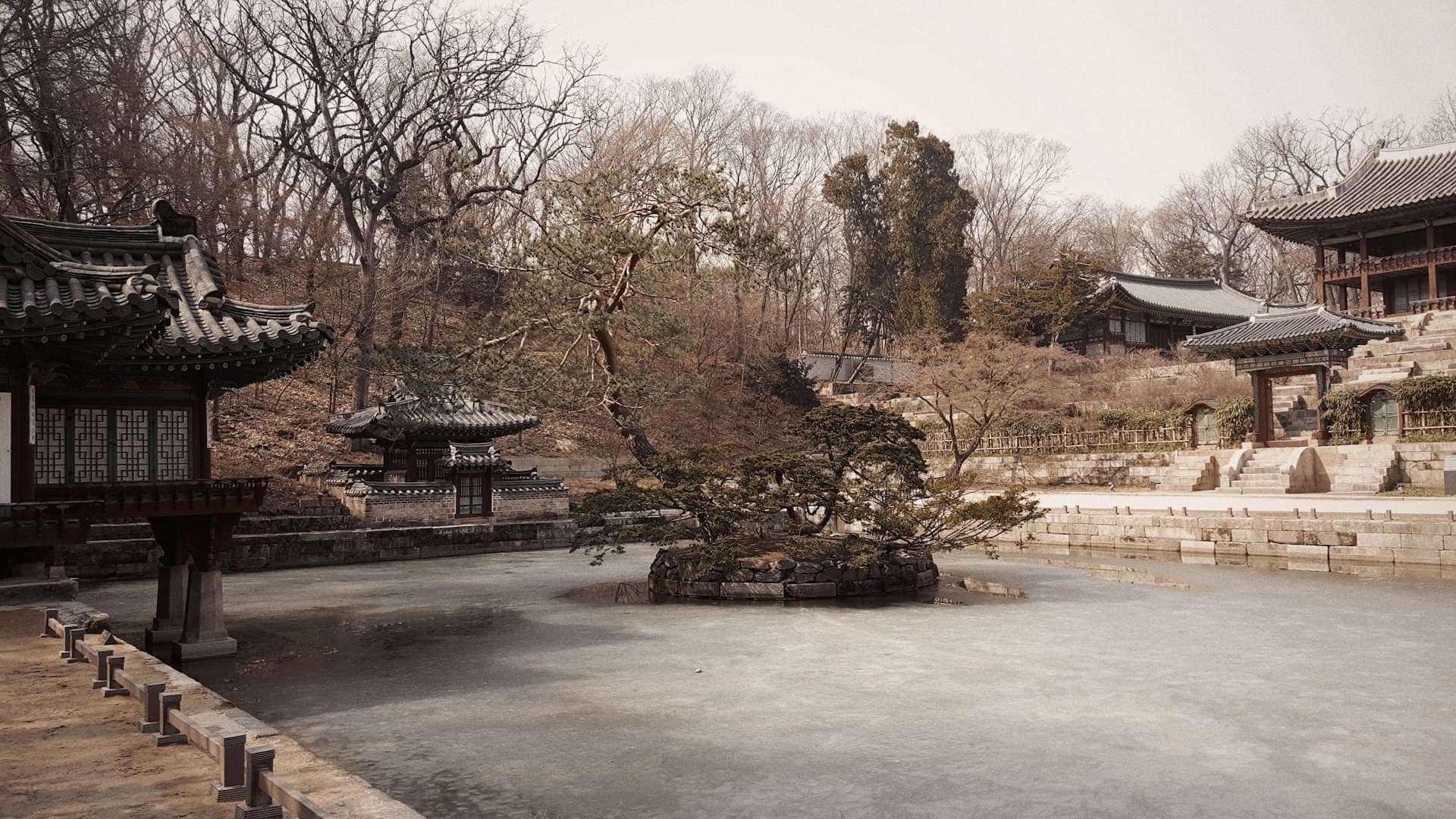
Changdeokgung Palace (창덕궁) is the UNESCO World Heritage palace, and during the K-Royal Culture Festival, it hosts what may be the festival's most historically significant program.
"Dance of Crown Prince Hyomyeong and the Moon" runs April 28–30, limited to 40 participants per day at 10,000 won per person. Crown Prince Hyomyeong (1809–1830) was one of Joseon's great artistic figures — a patron of court dance, music, and poetry who died at 21, whose work survived in the palace archives. This program recreates performances from his period within the actual palace where he lived.
Forty people in a Changdeokgung courtyard with court musicians performing Joseon repertoire. The limitation is also the point.
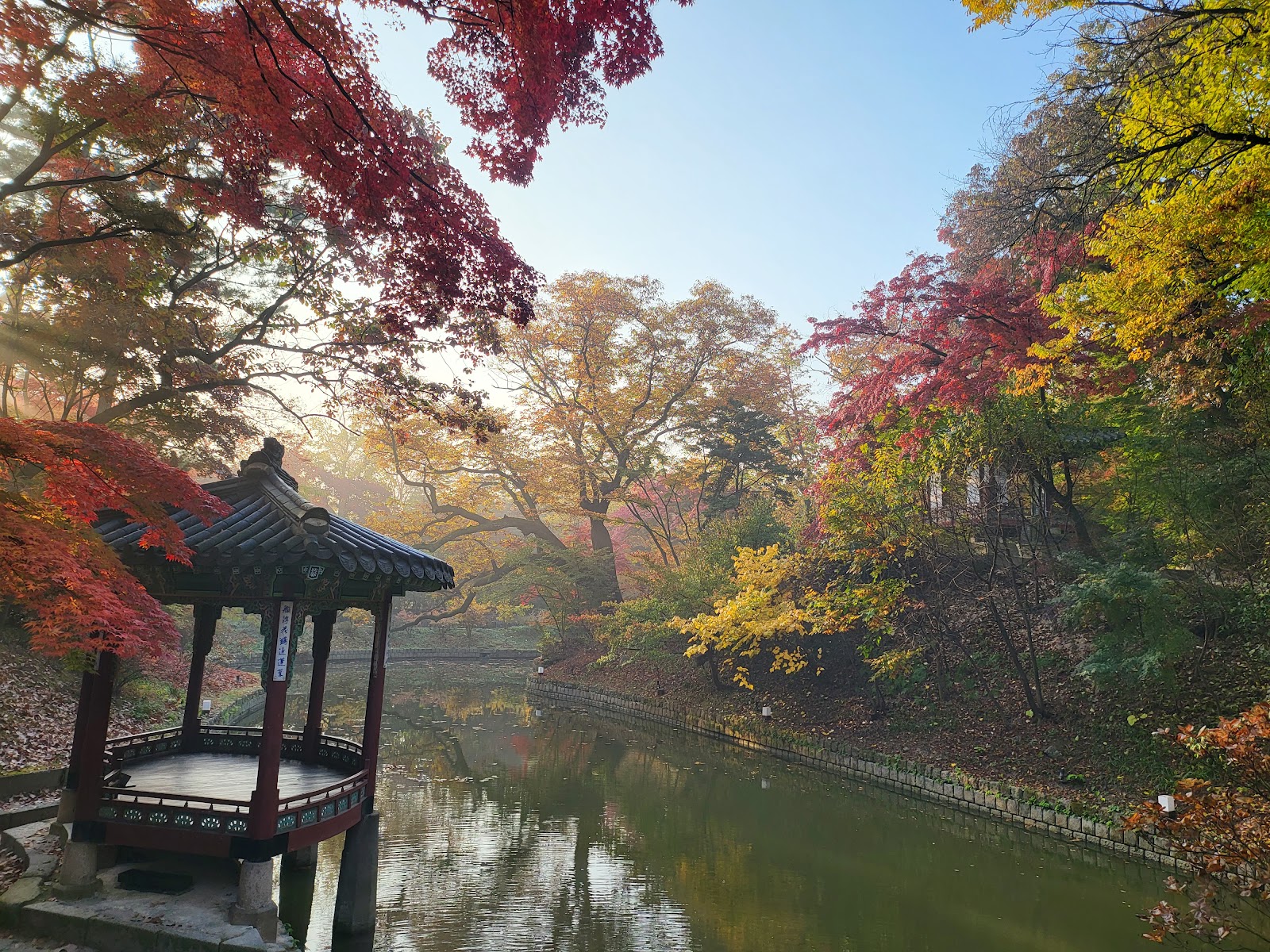
A second Changdeokgung program, "Awakening the Morning Palace," runs April 28–May 3 (40 participants per day, 10,000 won). This is an early morning experience in the palace grounds before regular visitor hours — the palace at dawn, with court music, the kind of access that's simply not available on ordinary days.
Deoksugung: The Emperor's Table
Deoksugung Palace (덕수궁) has a different historical character than the other palaces. Built as a villa, it became a palace only during the turbulent late Joseon period when King Seonjo took refuge there during the Japanese invasion of 1592. It later became the final residence of Emperor Gojong, who was forced to abdicate in 1907 and died within its walls in 1919.
The K-Royal Culture Festival program at Deoksugung reflects this later, more formal imperial period. "The Emperor's Dining Table" (May 1–3, two sessions daily, maximum 20 participants per session, 15,000 won) stages an approximation of royal court dining — the surasang (수라상) tradition, the elaborate protocols of food presentation in the Joseon court.
The stone wall path along Deoksugung's exterior (덕수궁 돌담길) is Seoul's most famous walking route during cherry blossom season. In late April, the blossoms will have passed, but the zelkova trees along the wall will be in full green leaf — arguably more beautiful, and far less crowded.

Jongmyo Shrine: The Music That Survived
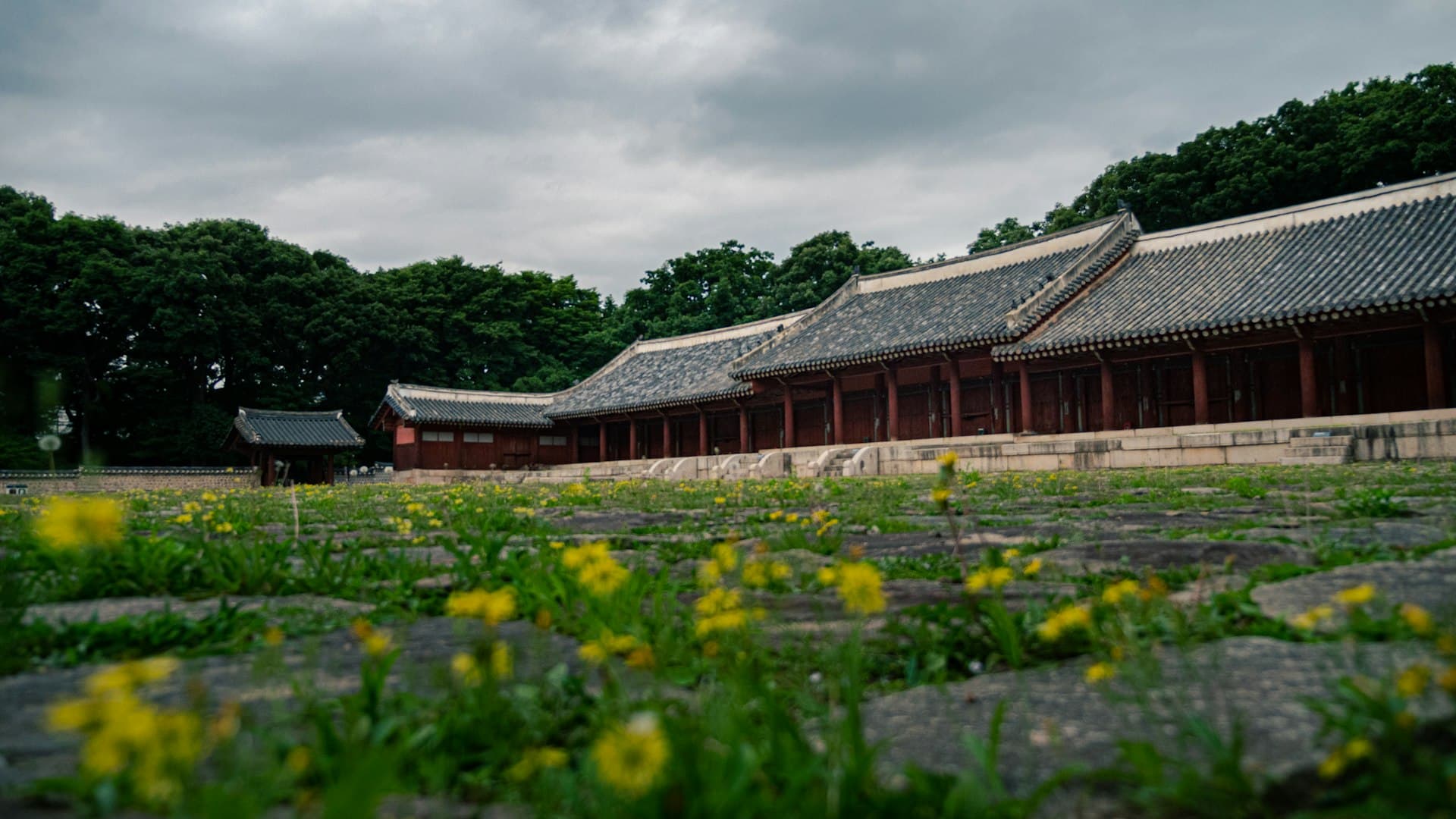
Jongmyo Shrine isn't a palace — it's where Joseon kings came to honor their ancestors. The ritual music performed there, Jongmyo Jeryeak (종묘제례악), is UNESCO-listed Intangible Cultural Heritage. It has been performed on the same site, using the same musical scores, with only minor interruption, since the early Joseon dynasty.
The K-Royal Culture Festival includes a nighttime performance of Jeryeak at Jongmyo (April 28–30, free with advance reservation). This isn't a reproduction or a reconstructed approximation — this is the genuine tradition, performed by practitioners trained through direct transmission from previous generations.
What makes Jeryeak unusual is its slowness. Individual notes are held for many beats. Silences are extensive. The music is designed for the scale of outdoor royal ritual. Experienced in the evening, in the actual shrine courtyard, it has an effect that cannot be replicated in any other setting.
Understanding What You're Seeing
A few things worth knowing before attending any festival program:
Aak (아악): Joseon court music. Originally based on Chinese court music but developed into a distinct Korean form. It uses instruments not found in ordinary Korean folk music: the pyeongyeong (stone chimes), pyeongjong (bronze bells), haegeum (two-string fiddle). The sound is unfamiliar to ears accustomed to either Western classical music or Korean pop — and that unfamiliarity is part of the experience.
Jeongjaemu (정재무): Joseon court dance. Slow, precise, symbolic. Each hand gesture, each turning movement has meaning within the choreographic vocabulary. The costumes — hwagwan headdresses, jangbok ceremonial robes — are as important as the movement itself.
About the palaces during festival: Even if you attend no ticketed programs, the atmosphere across all six sites during festival days is worth experiencing. Gyeongbokgung features open court performances visible to all visitors. The grounds feel different — more alive — than on ordinary days.
Booking and Practical Information
Booking opens: March 16, 2026 at 2:00 PM KST
International visitor booking: Creatrip
Official website (English): kh.or.kr/fest/en
| Program | Price | Capacity |
|---|---|---|
| Gyeongbokgung Opening Ceremony | Free | 300 international tickets |
| Changdeokgung Crown Prince Dance | 10,000 won | 40/day |
| Changdeokgung Morning Palace | 10,000 won | 40/day |
| Deoksugung Emperor's Dining Table | 15,000 won | 20/session |
| Jongmyo Jeryeak Night Performance | Free | Reservation required |
Palace admission during festival:
- Gyeongbokgung: 3,000 won
- Changdeokgung (with Secret Garden tour): 3,000 won
- Deoksugung: 1,000 won
- Gyeonghuigung and Changgyeonggung: Free
Getting there:
- Gyeongbokgung: Line 3 Gyeongbokgung Station, Exit 5 (at the main gate)
- Changdeokgung: Line 3 Anguk Station, Exit 3 (10-minute walk)
- Deoksugung: Line 1/2 City Hall Station, Exit 2 (3-minute walk)
- Jongmyo Shrine: Line 1 Jongno 3-ga Station, Exit 11 (5-minute walk)
Frequently Asked Questions
Do I need to speak Korean to participate? The programs available through Creatrip include English-language support. The performances themselves — music, dance, ritual — don't require language comprehension. Understanding the cultural context beforehand matters more than understanding spoken words. Reading about aak or jeongjaemu before attending transforms what you see.
Is this worth attending if I've already visited the palaces? Yes. The Changdeokgung early morning program and the Jongmyo night performance are accessible only during the festival period. The festival version of these palaces is genuinely different from a standard visit.
When should I book? The Changdeokgung Crown Prince program (40 people per day) and the Jongmyo night performance fill fastest. Booking opens March 16 — book immediately if you plan to attend in late April.
What if programs are sold out? Walk-in festival atmosphere at the palaces is significant regardless of ticketed programs. Gyeongbokgung features open court performances visible to all visitors. Deoksugung's stone wall path is beautiful in late April without any program attached.
How many days should I plan? Two days covers the core experience: one day for Gyeongbokgung (morning) and Changdeokgung (afternoon), one day for Deoksugung (morning) and Jongmyo (evening). Visitors with more time can add Changgyeonggung and Gyeonghuigung, which tend to be less crowded during festival period.
The Context That Changes Everything
The physical structures of Seoul's palaces have been extensively studied and in some cases reconstructed. The buildings are documented, photographed, analyzed. What the K-Royal Culture Festival attempts to recover is not the buildings but the life that once existed inside them — the sounds, the movement, the protocols that gave those spaces their meaning.
Joseon court culture wasn't just aristocratic ceremony. It was a complete system of thought about how power, art, and society should relate to each other. The music was calibrated to specific emotional and moral effects. The dance forms encoded ideas about cosmic order. The dining protocols expressed the king's relationship to heaven and earth.
That system can't be fully recovered after a century of interruption. But the K-Royal Culture Festival makes something available that no museum can: the actual sounds, in the actual spaces, carried by practitioners who learned the tradition directly.
That's worth attending.
For more on Seoul's heritage sites, see guides to Changdeokgung and its Secret Garden, Gyeongbokgung Palace, Jongmyo Shrine and Jeryeak music, cherry blossoms at Seoul's historic sites in 2026, and traditional gugak music performances.